La Gira de Sur Yungas, Bolivia
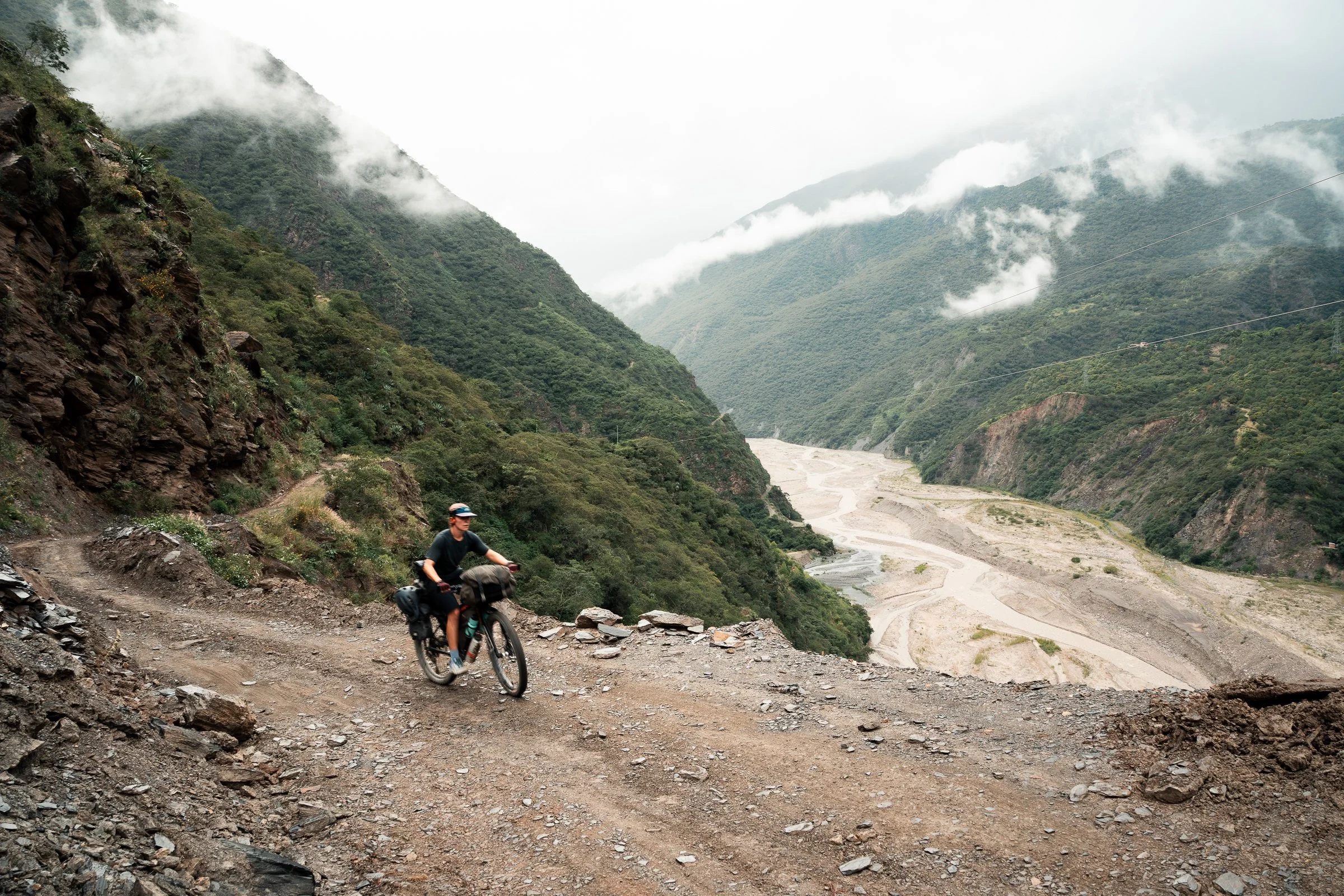
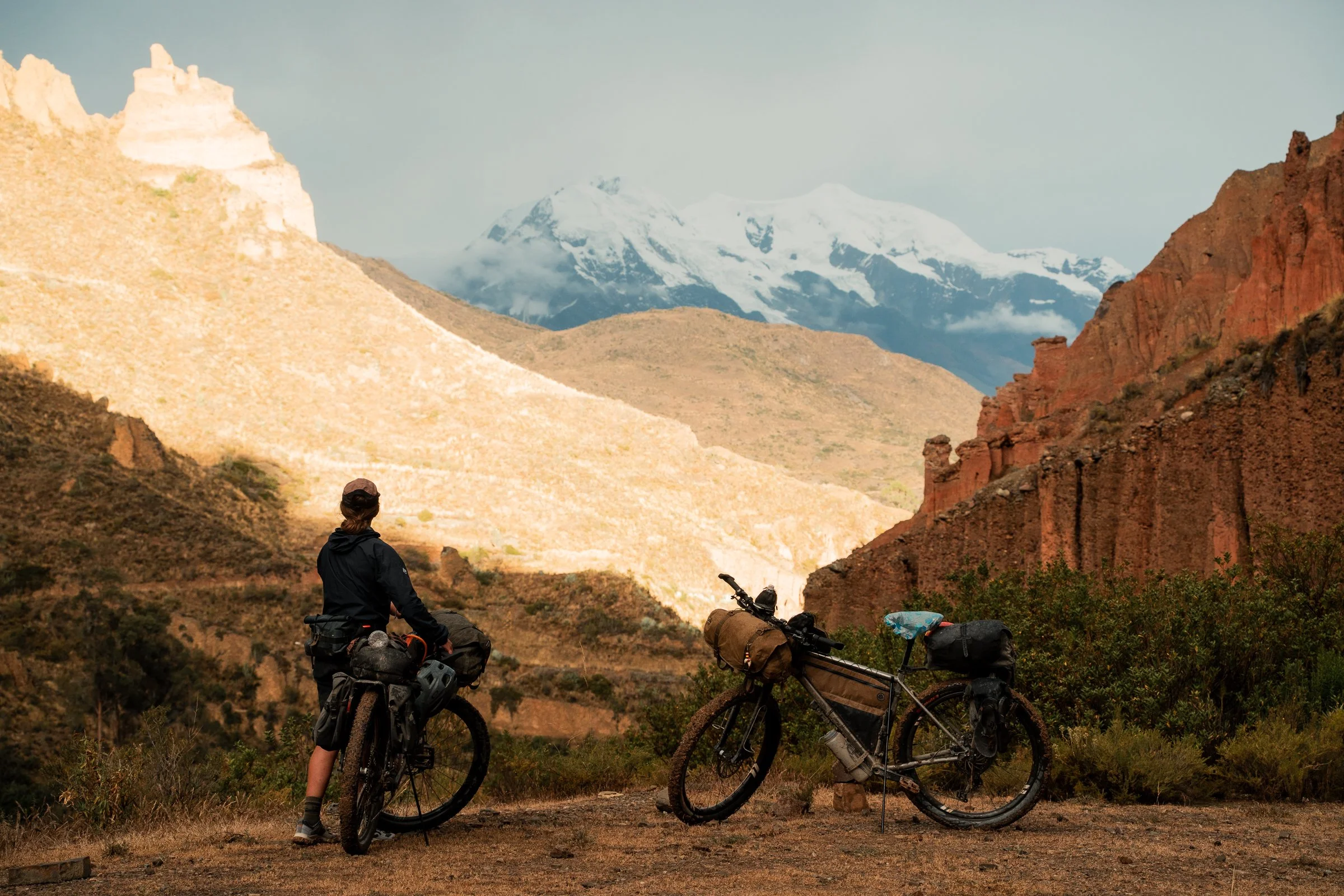
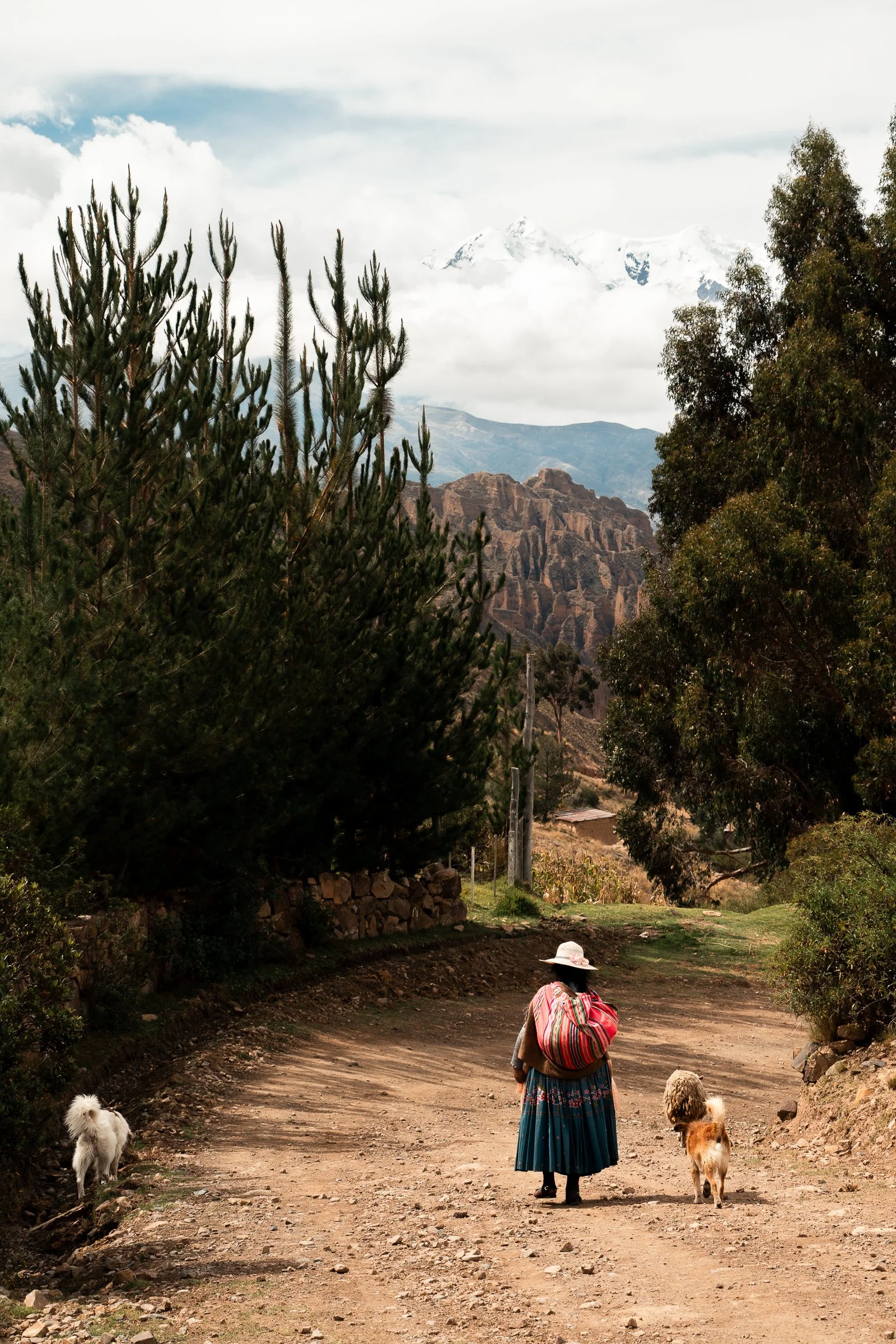
Climbing out of Palca canyon, with Illimani in the background.
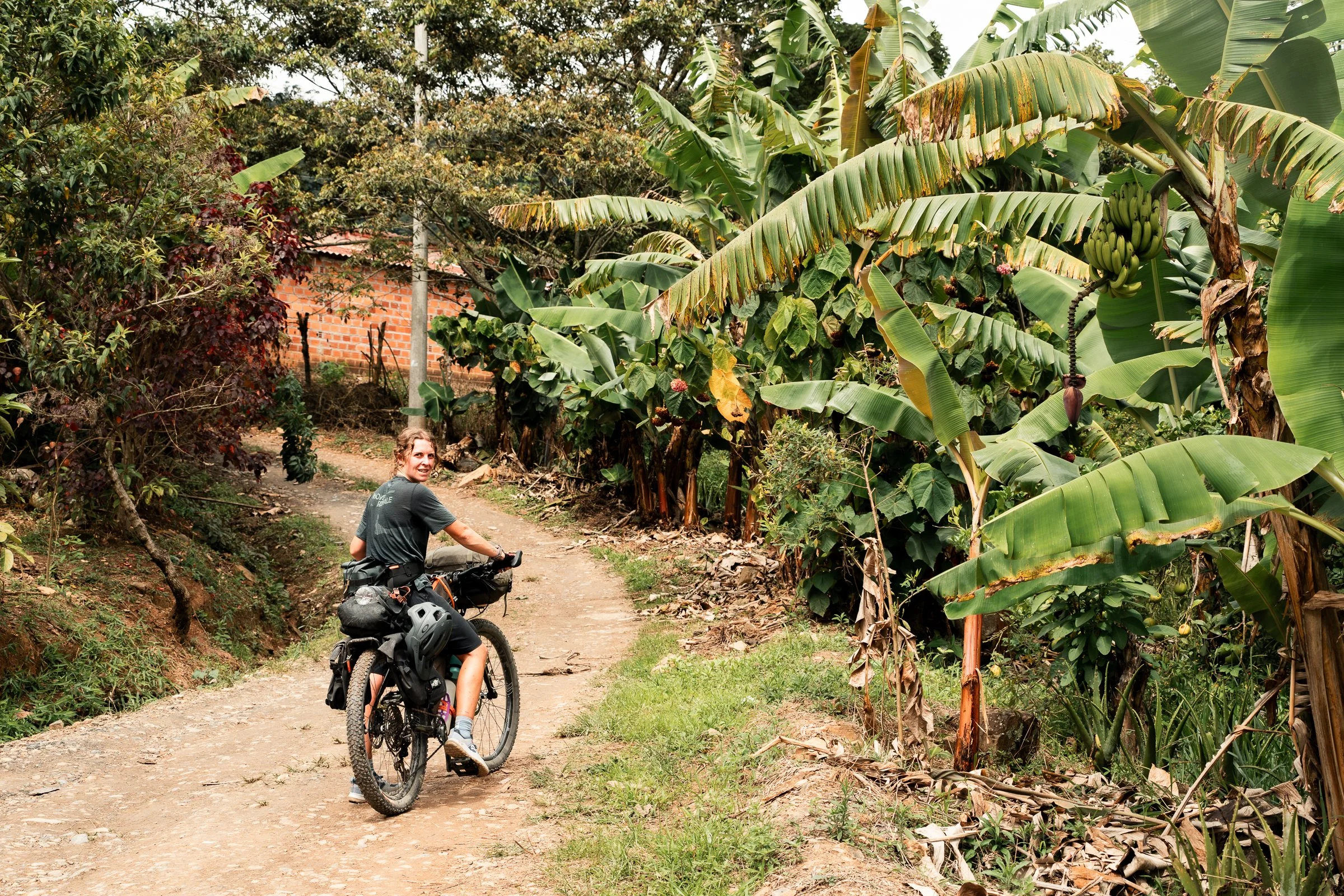
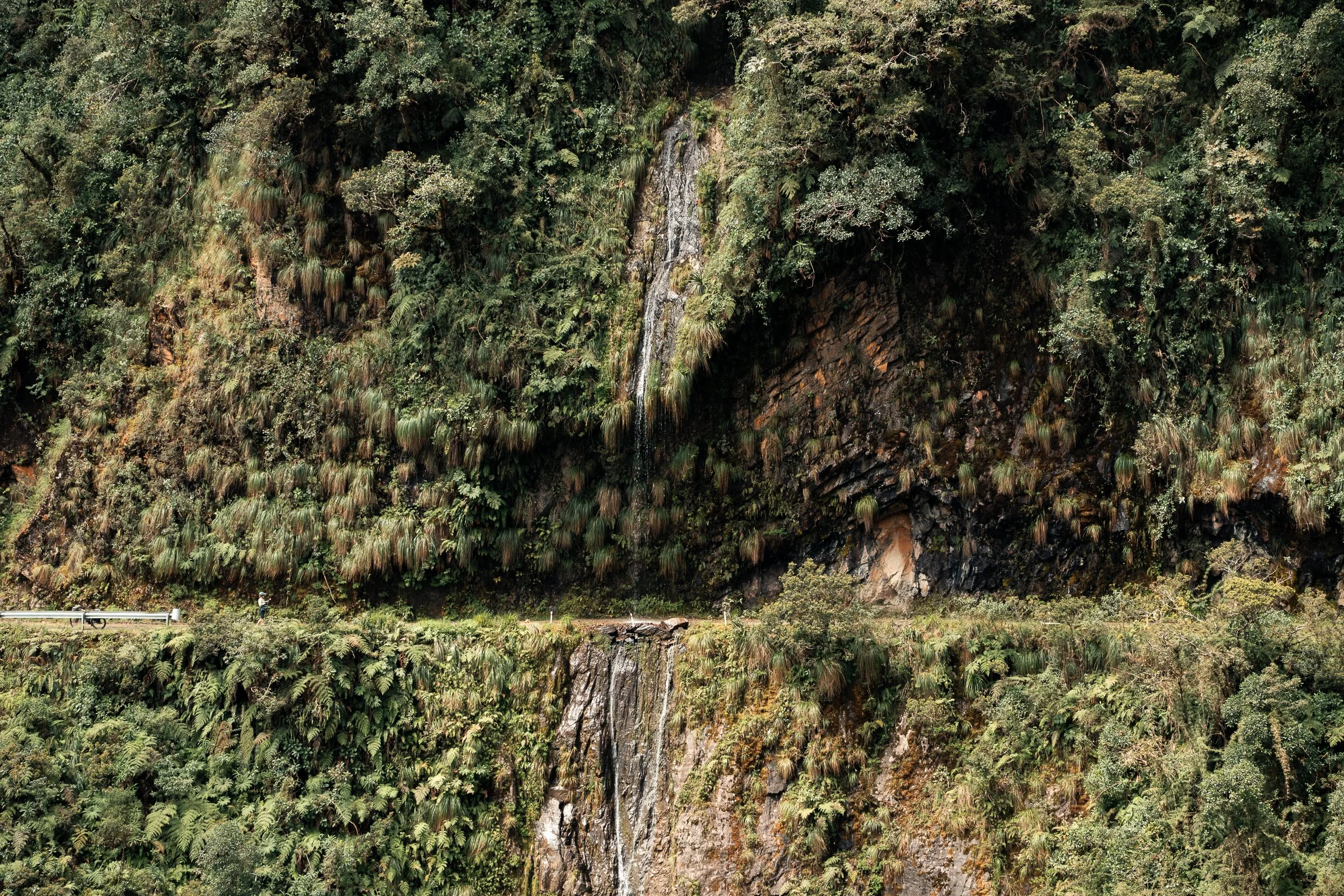
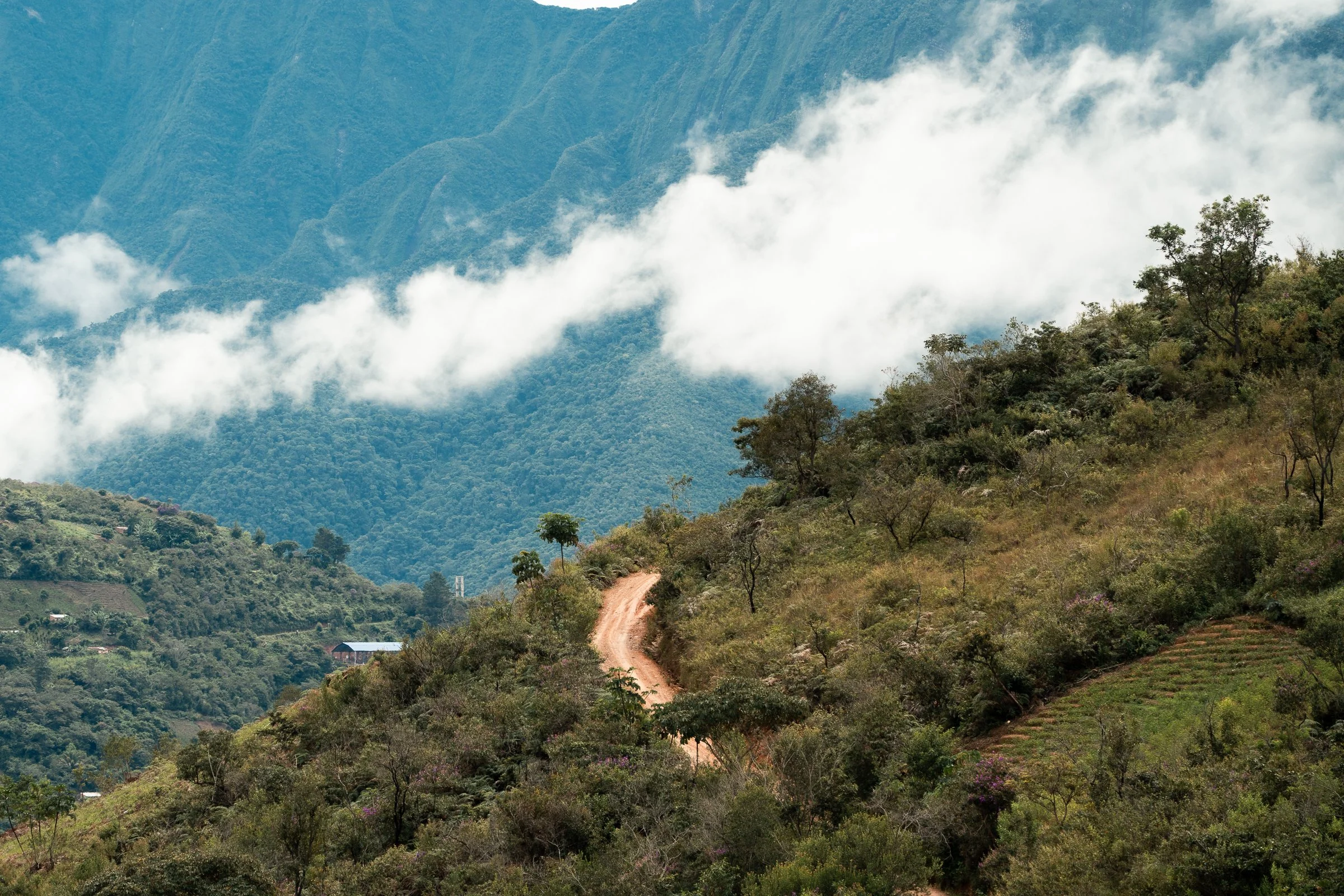
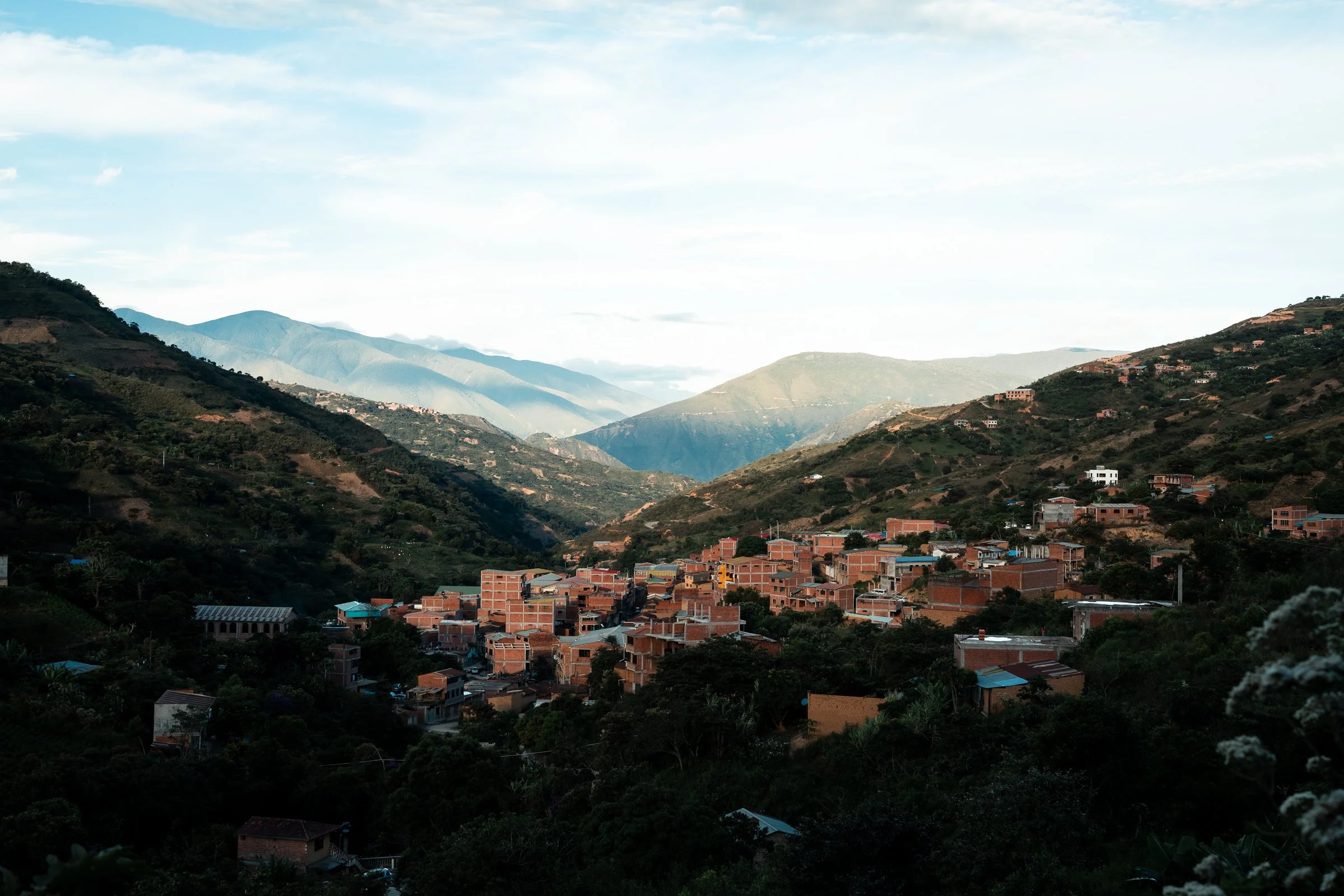
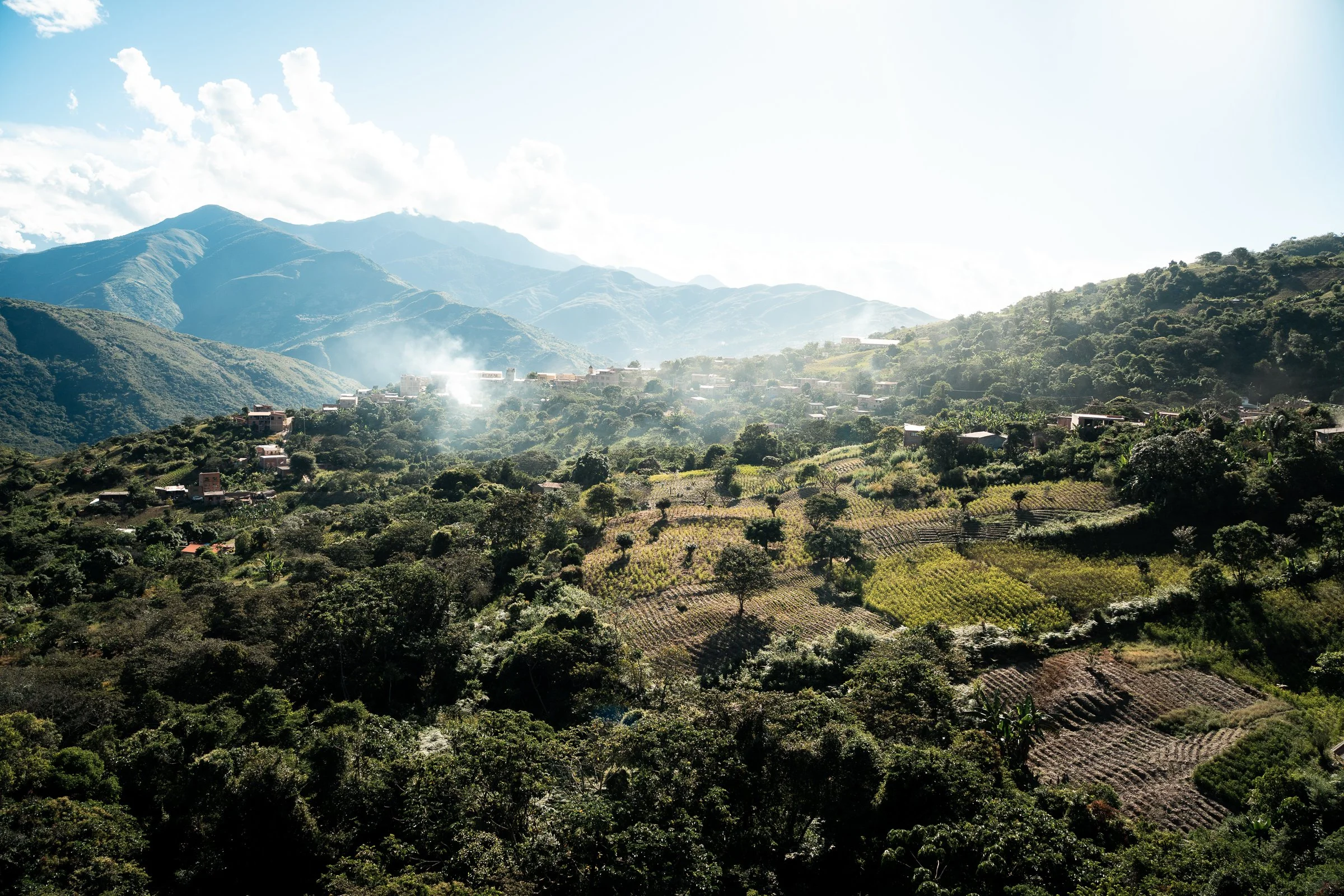
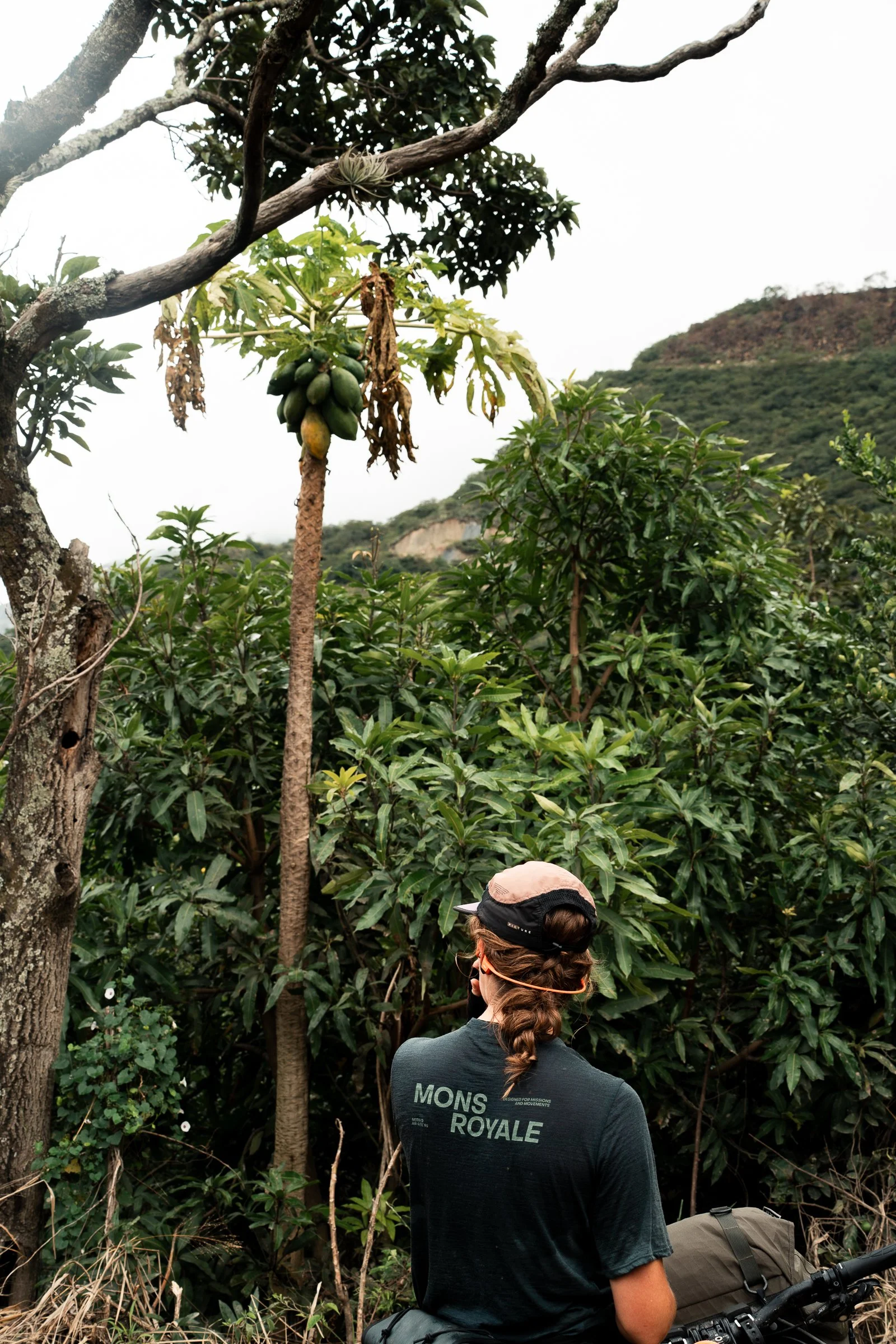
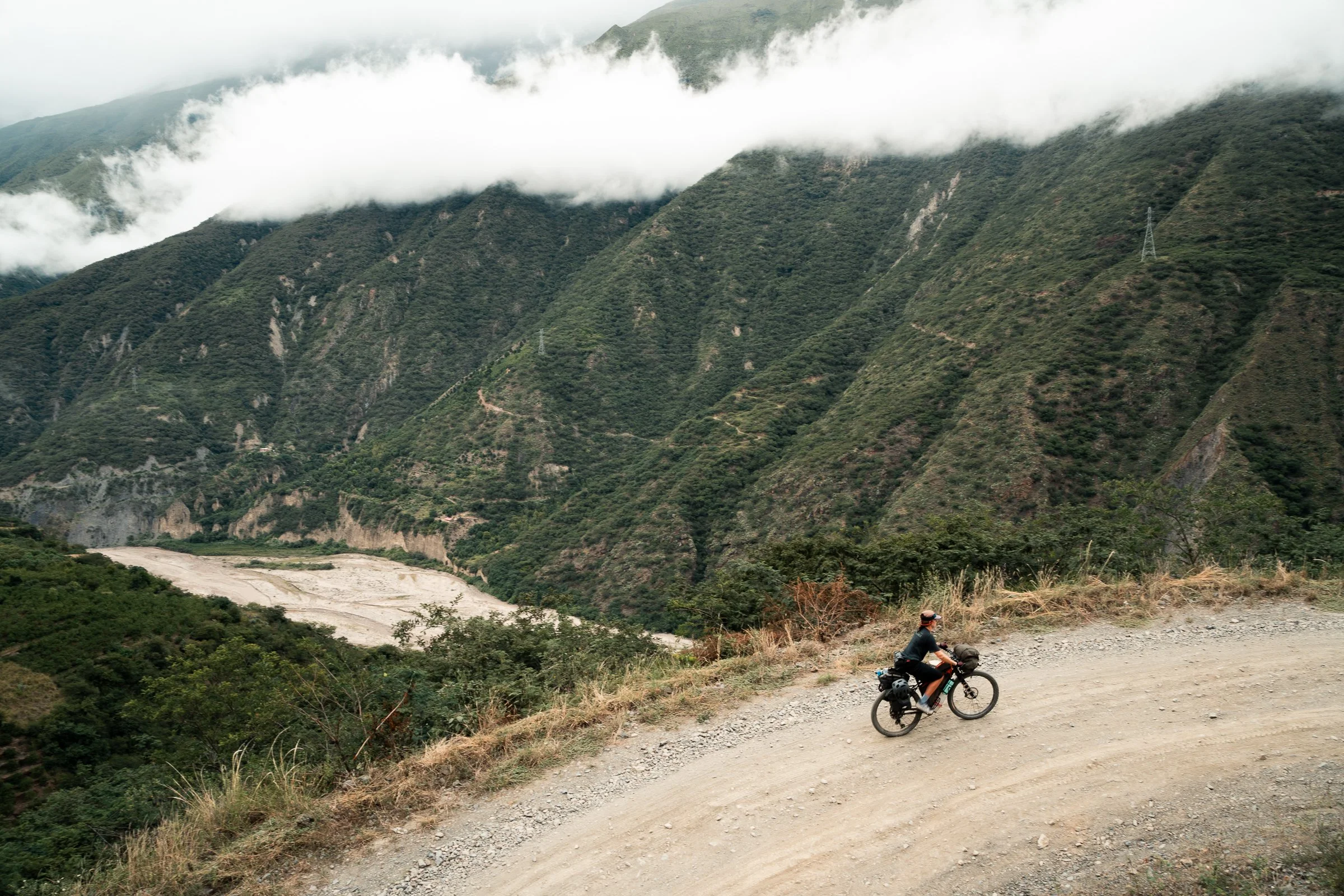
Gasping with altitude upon arriving in La Paz, we used a short loop into the Yungas region of Bolivia to get our lungs and legs into shape. This took us from the Andes and La Cumbre pass down the notorious Death Road to the Yungas region, the tropical region sandwiched between the eastern slopes of the Andes and the Amazon basin. Small villages were separated by short, sharp climbs; humidity and heat were stifling.
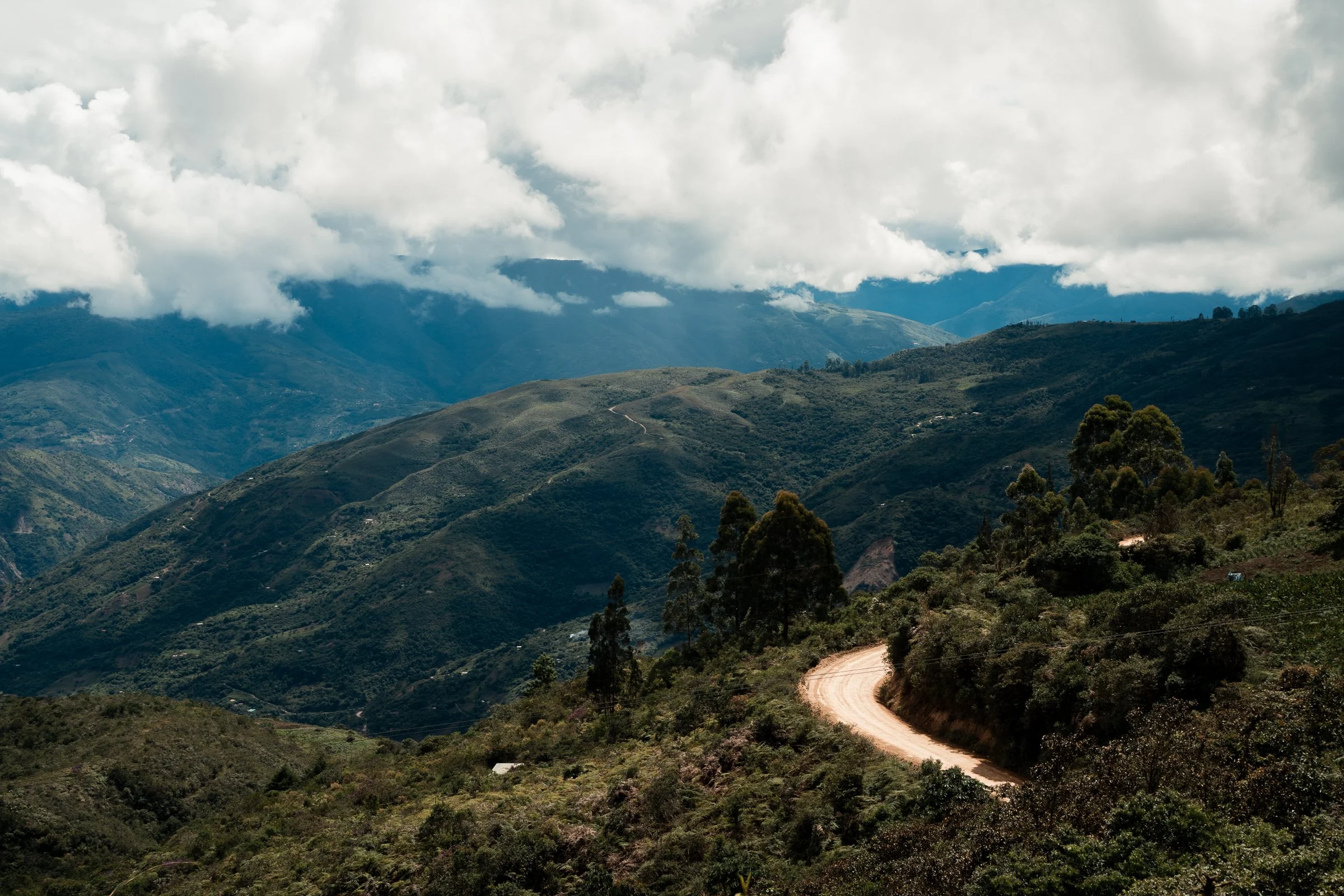
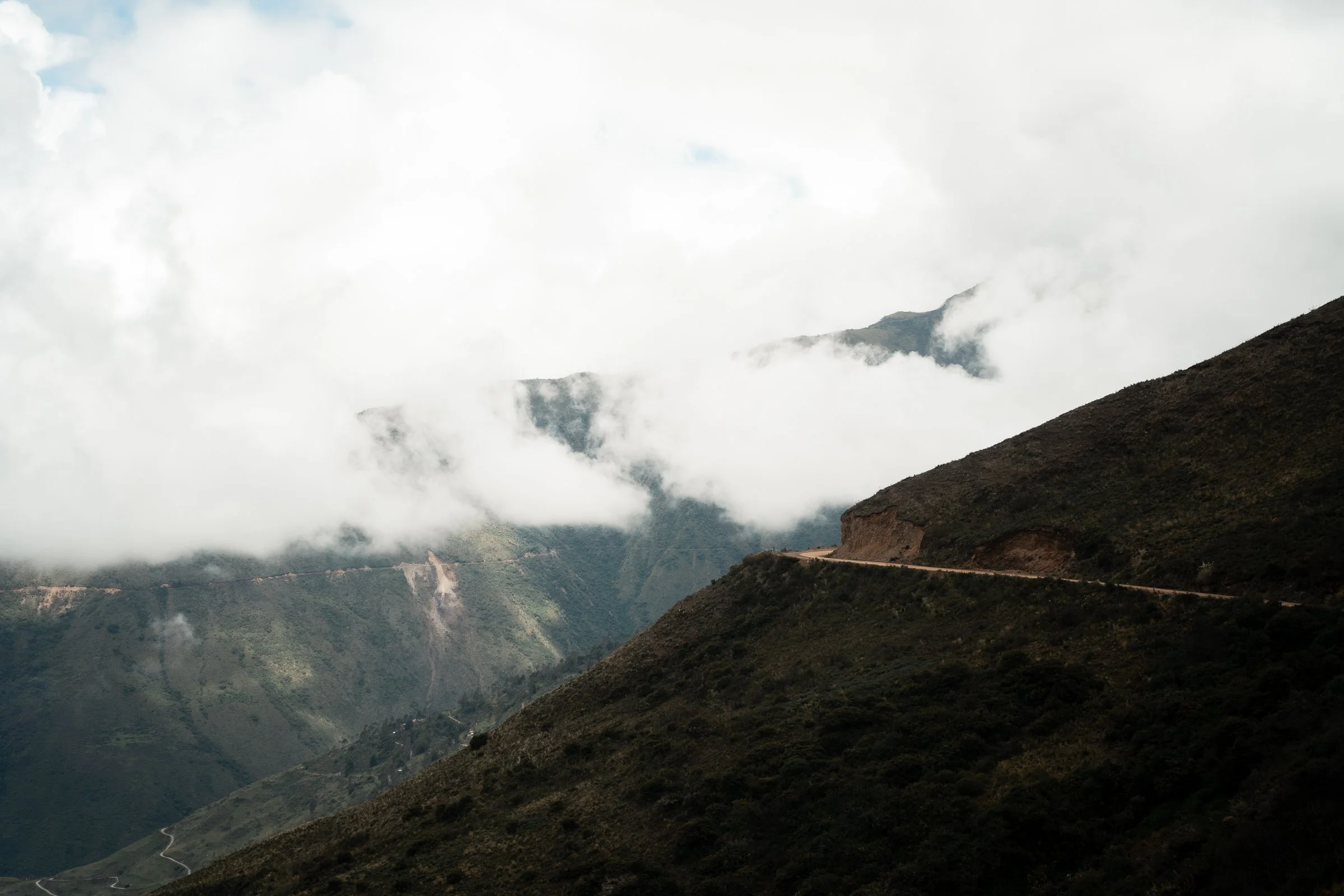
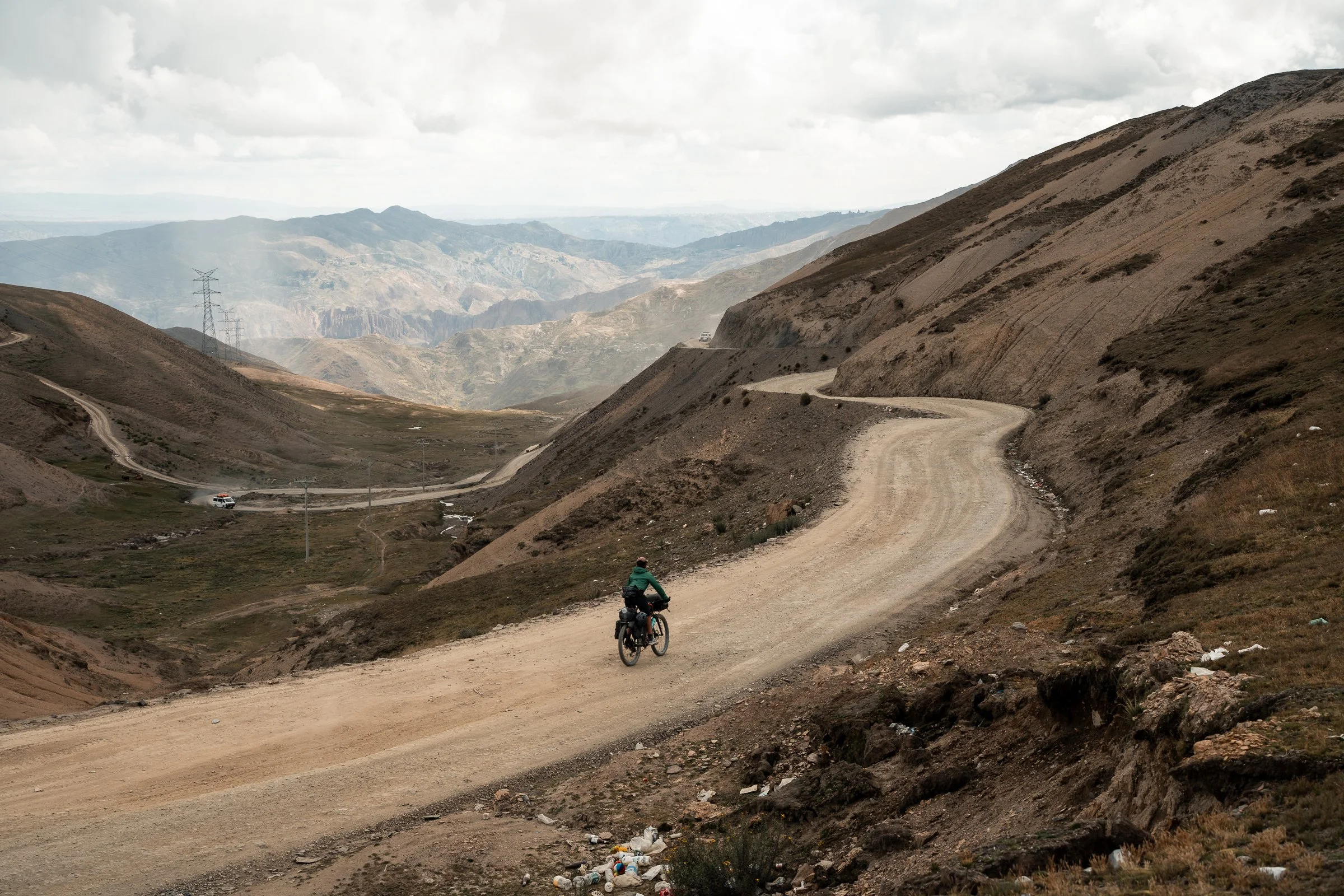
Descending off La Cumbre pass.
We pulled the bikes out of the taxi, assembling them in the dirt carpark at the top of La Cumbre, the 4600m pass that separates La Paz and the Altiplano from the Amazon basin. Frost covered the ground. Scores of minibuses arrived, full of tourists about to ride Death Road. This was the first test of our 6 month bikepacking trip around Bolivia, Peru, and Chile. We knew we needed to be at lower altitudes to get our fitness; it had been two weeks since we were last on our bikes. The tour groups took off down the tarmac highway heading for the Death Road; we opted for the gravel road on the opposite side of the valley. Snow capped peaks loomed above, small farmlets covered the ground below. Stone walls twisted and turned in broad arcs without discernable pattern or reason, running far up the side of the mountains at the edge. There were a few dogs to contend with, but the nearest miss came as Lauren - distracted by 5-6 dogs that were chasing us - strayed a little too close to a flock of geese and was bitten. A small barricade blocked the road about halfway down. After scoping the road ahead, it seemed fine for bikes, so we lifted and pushed through the rockfall, and then headed up to the highway just before Pongo, to avoid reports of impassable landslides further down.
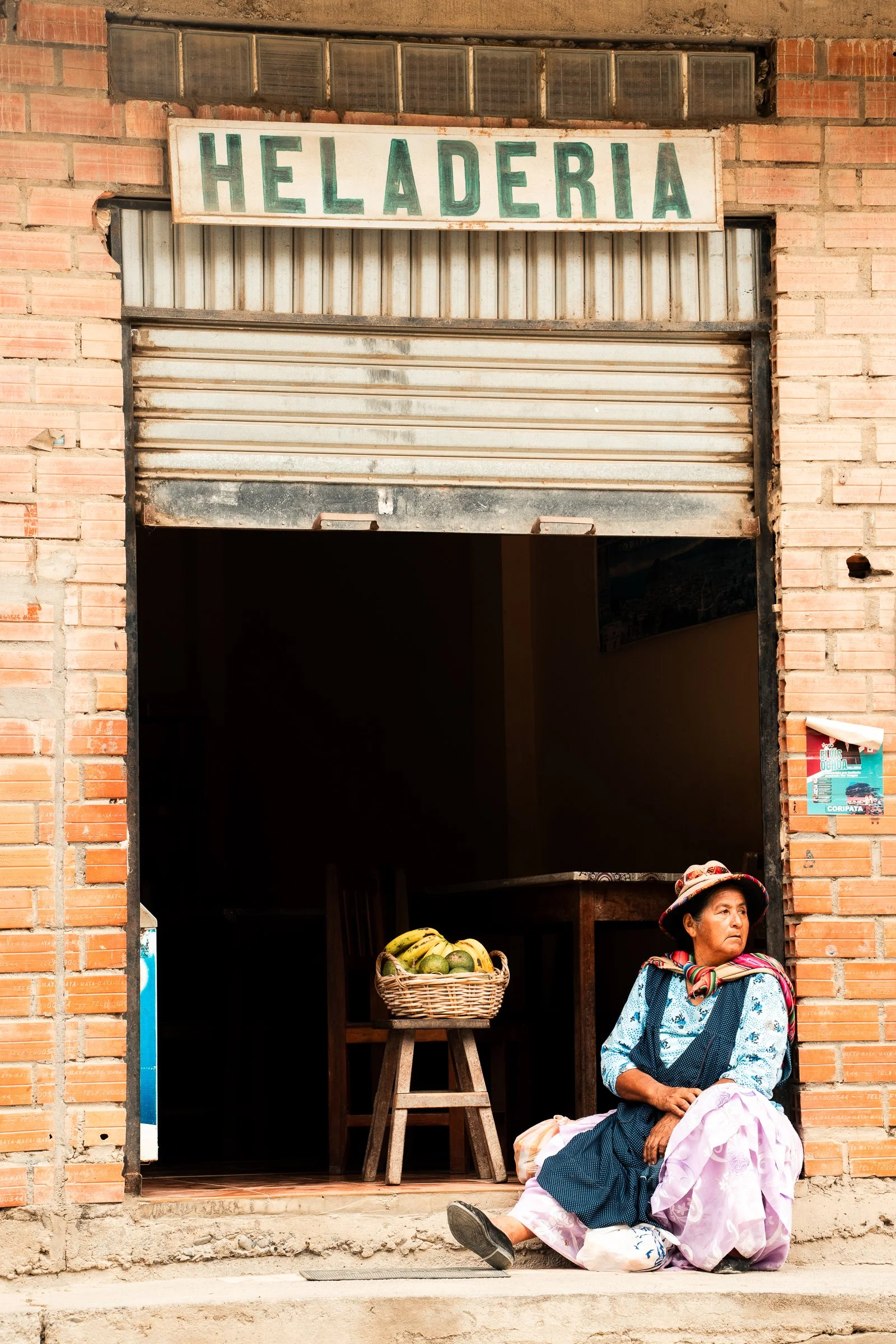
We slotted in amongst tour groups as we hit the highway, though they disappeared back into their buses as a short incline began. Shortly after, we were at the turnoff for the fabled Death Road, aka Camino de la muerte (aka Camino Nor Yungas). Despite boasting over 300 deaths per year at its peak, it is now closed to vehicular traffic as a safer alternative has been built, and serves exclusively as a tourist attraction to cycle down. There’s no denying the road's scenery, but any notion of a death-defying ride is long gone. We stopped for a few photos, but upon reaching the bottom realised we had ridden past most of the classic photo spots. Stopping for an ice cream near the bottom, we discovered the tiny yellow midges that brought out insanely itchy welts that would still be bothering us over a week later. With the only hotel in Yolosa appearing closed and bolted shut, we stayed at the Monte Carlo Hospadaje a few minutes down the road. Appearing vibrant and full of life on our first going past, on returning it was dim, empty, and in need of a serious clean. A quick swim in the pool left us somewhat slimy, as every footstep disturbed green dust lining the floor of the pool.
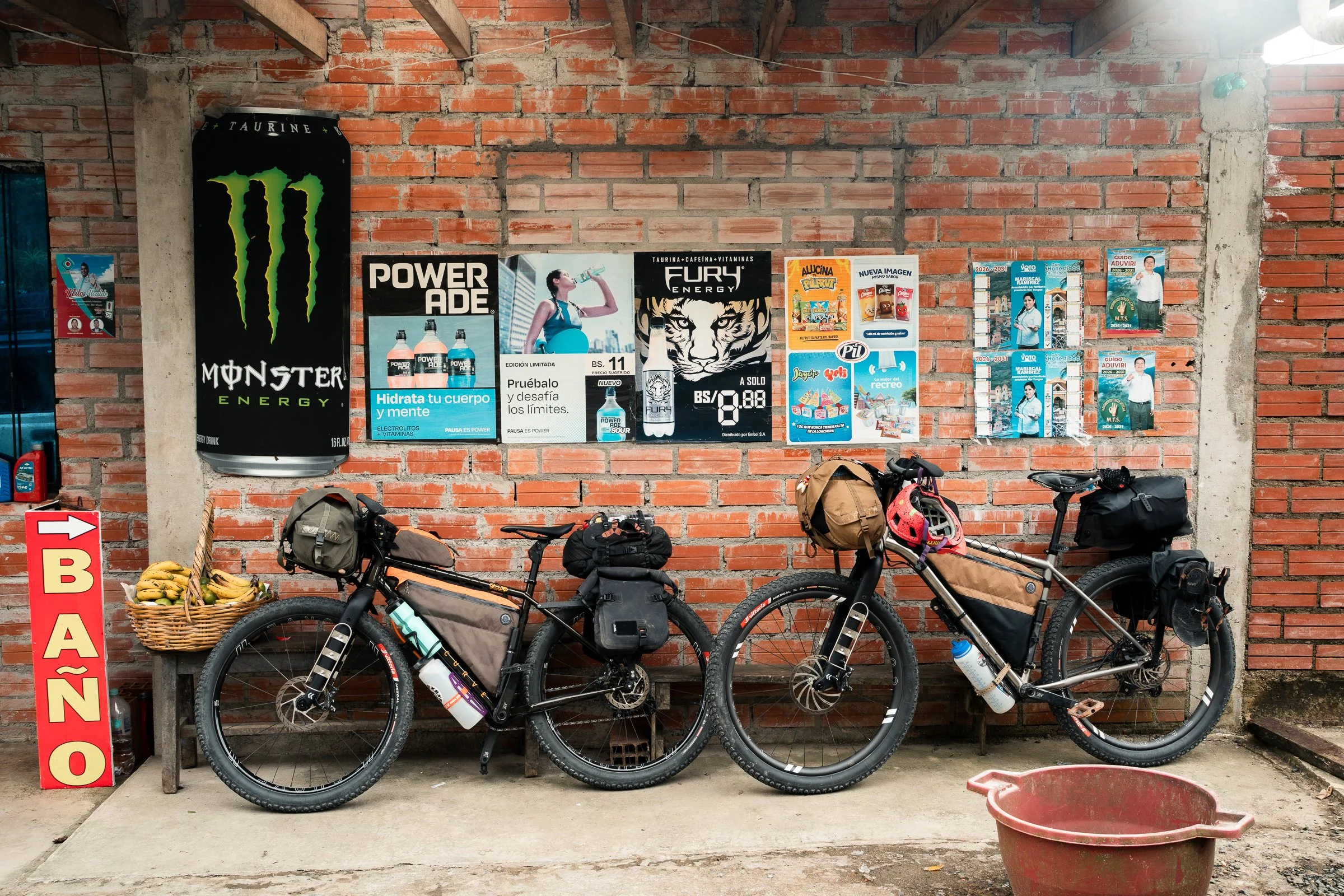
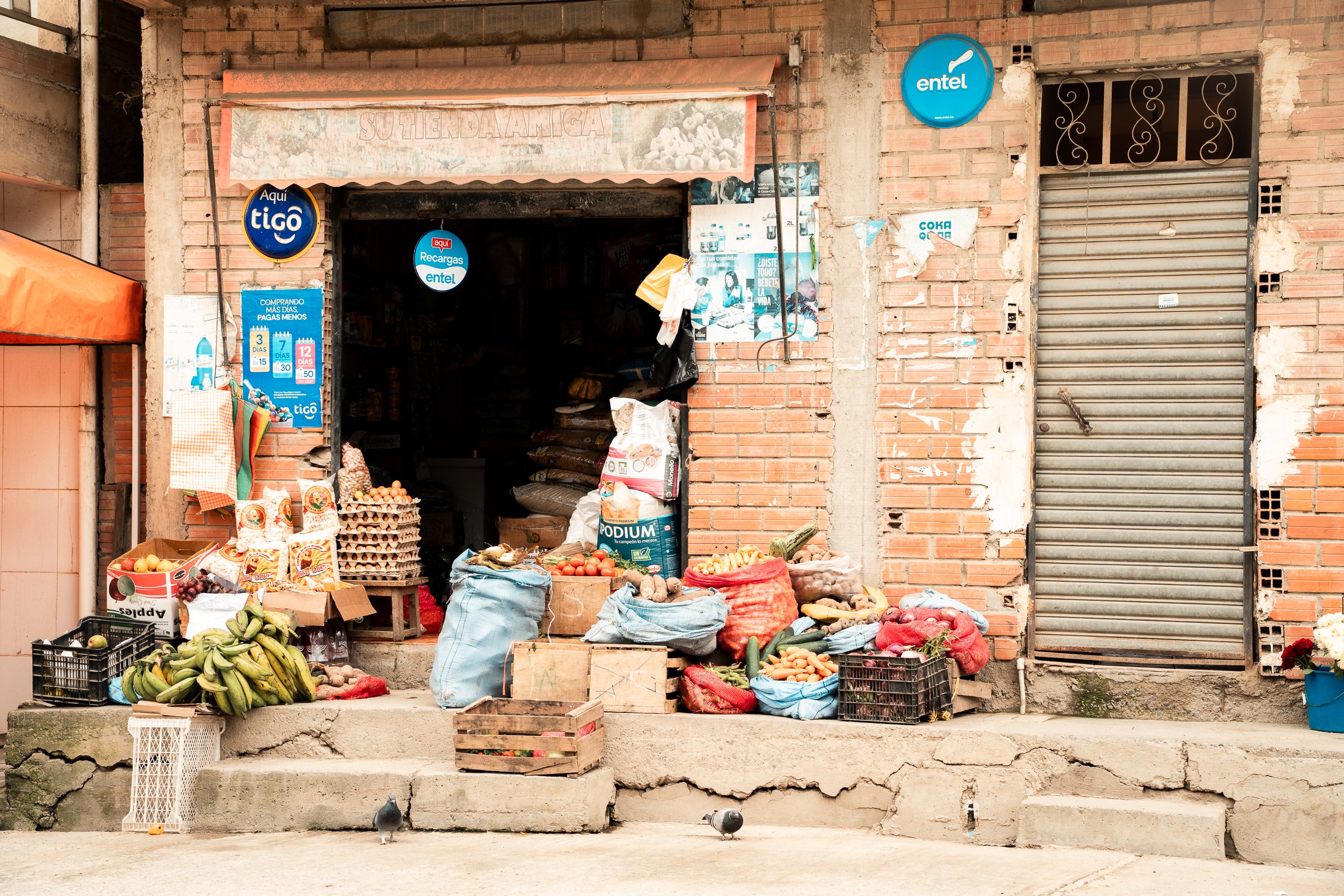
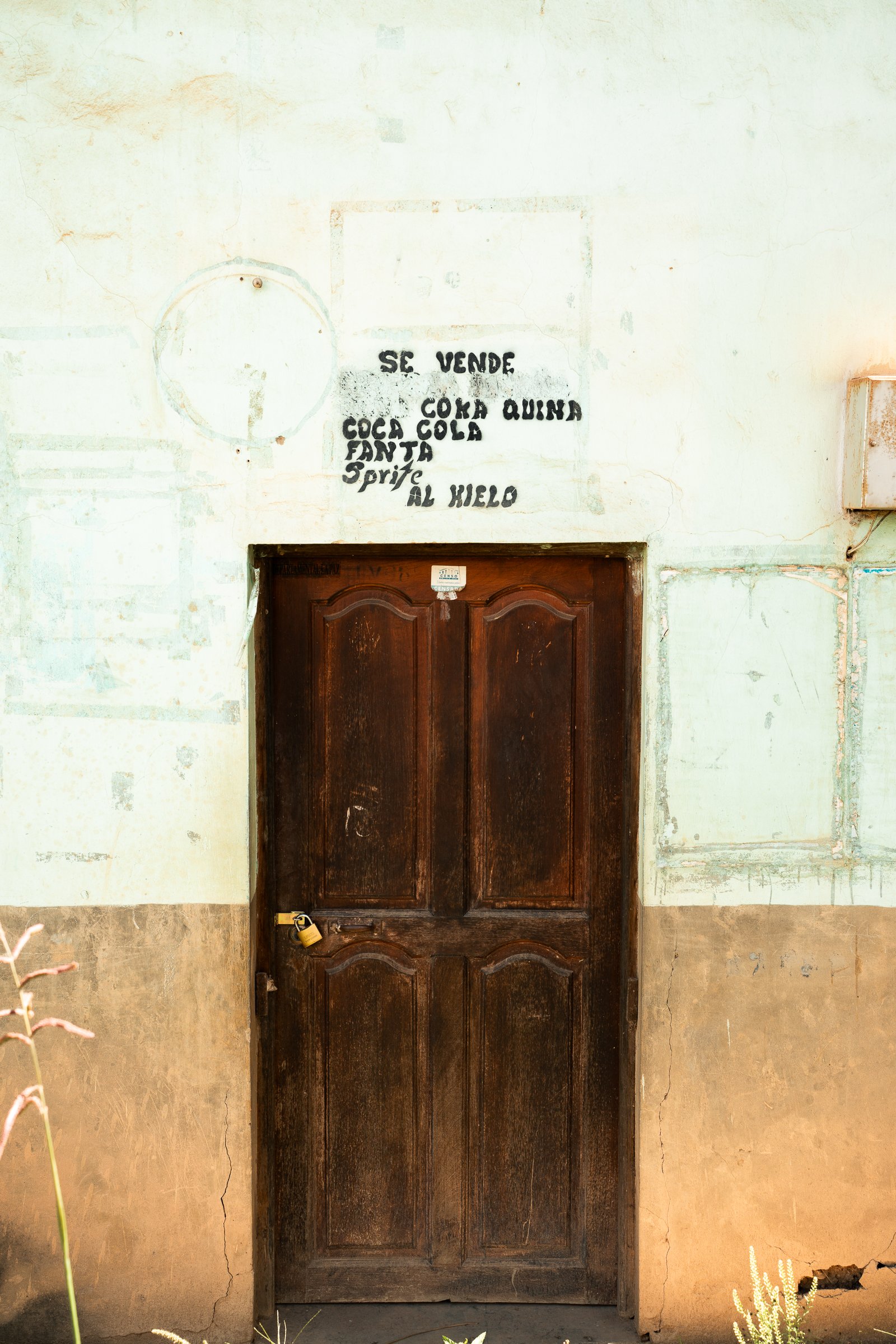
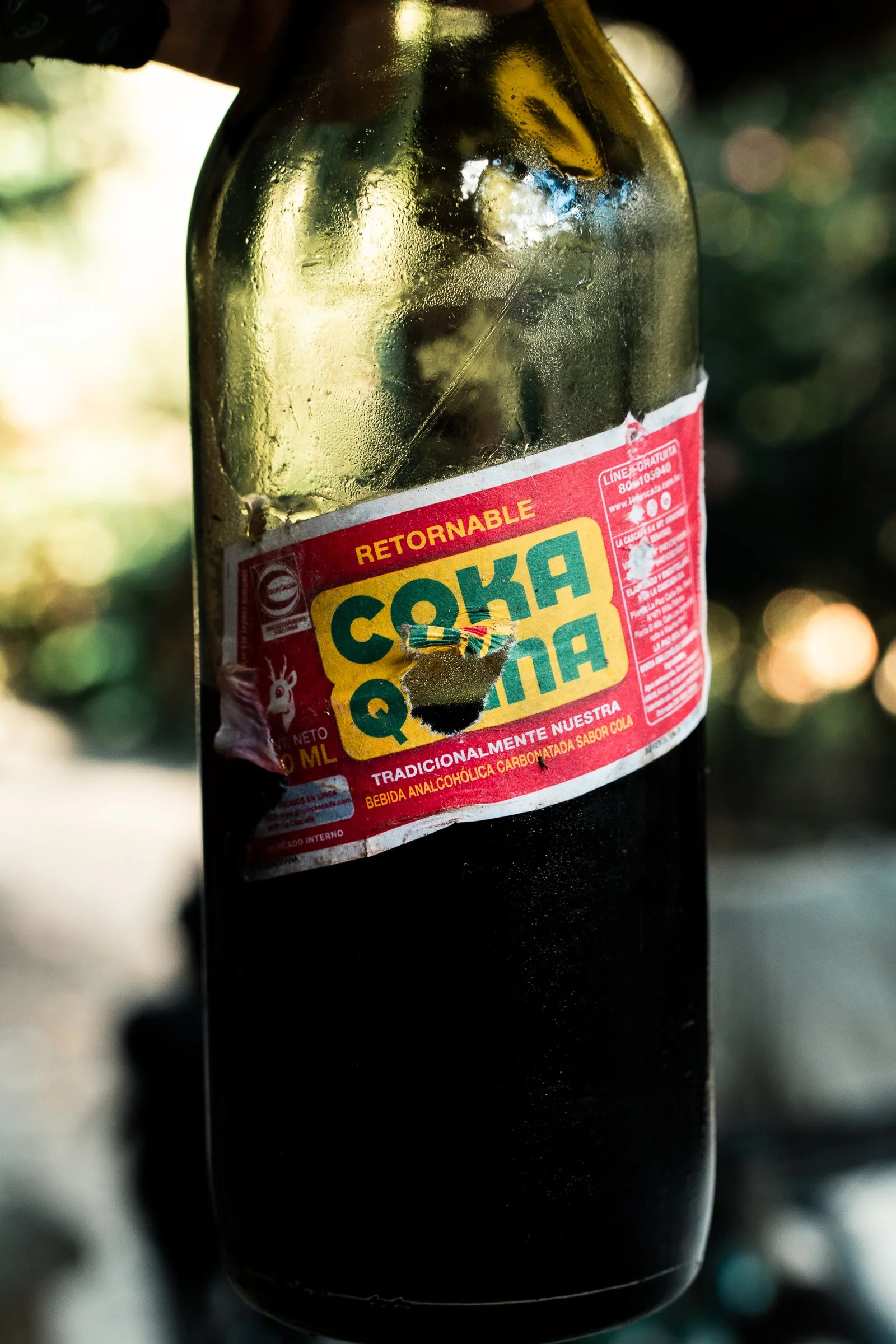
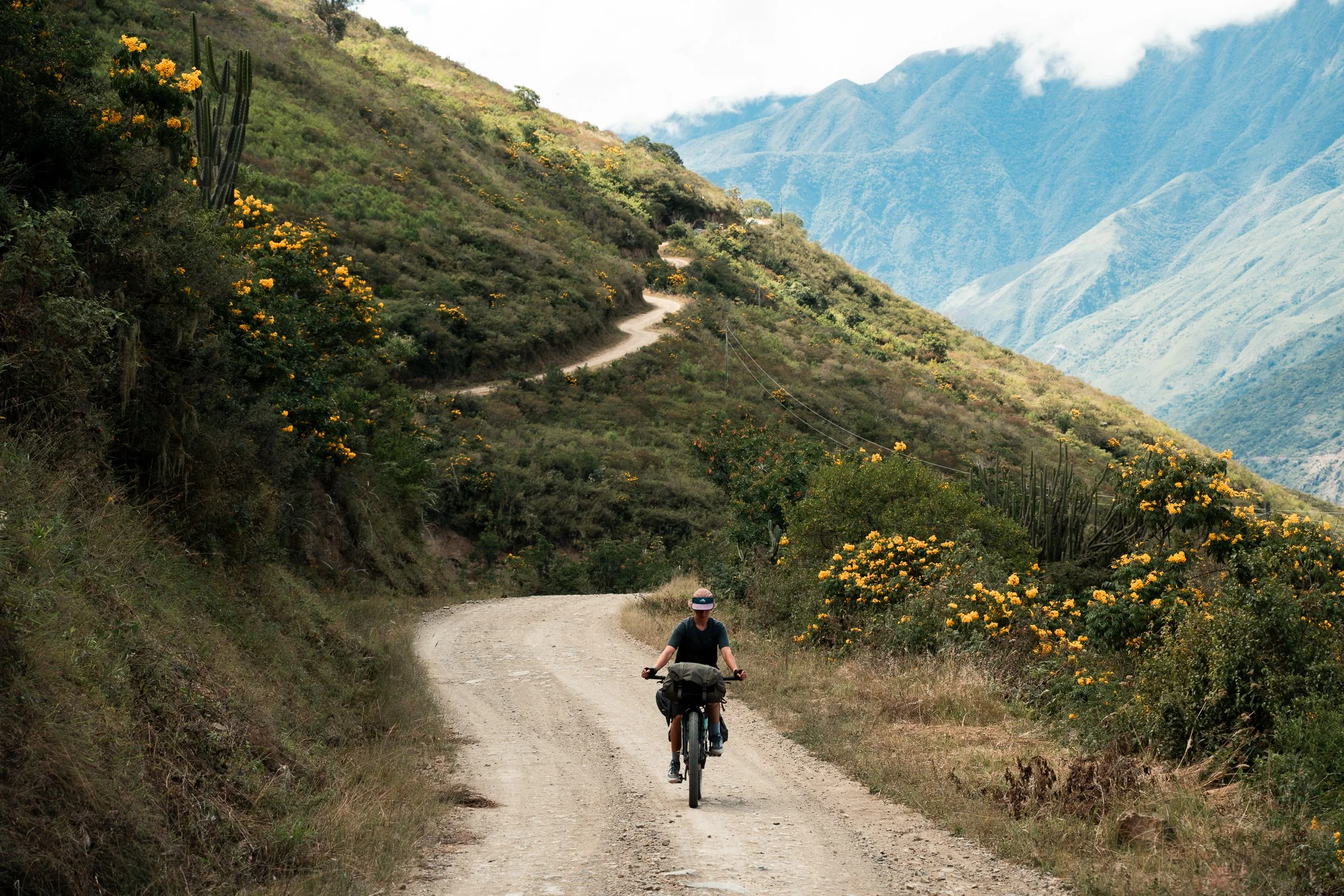
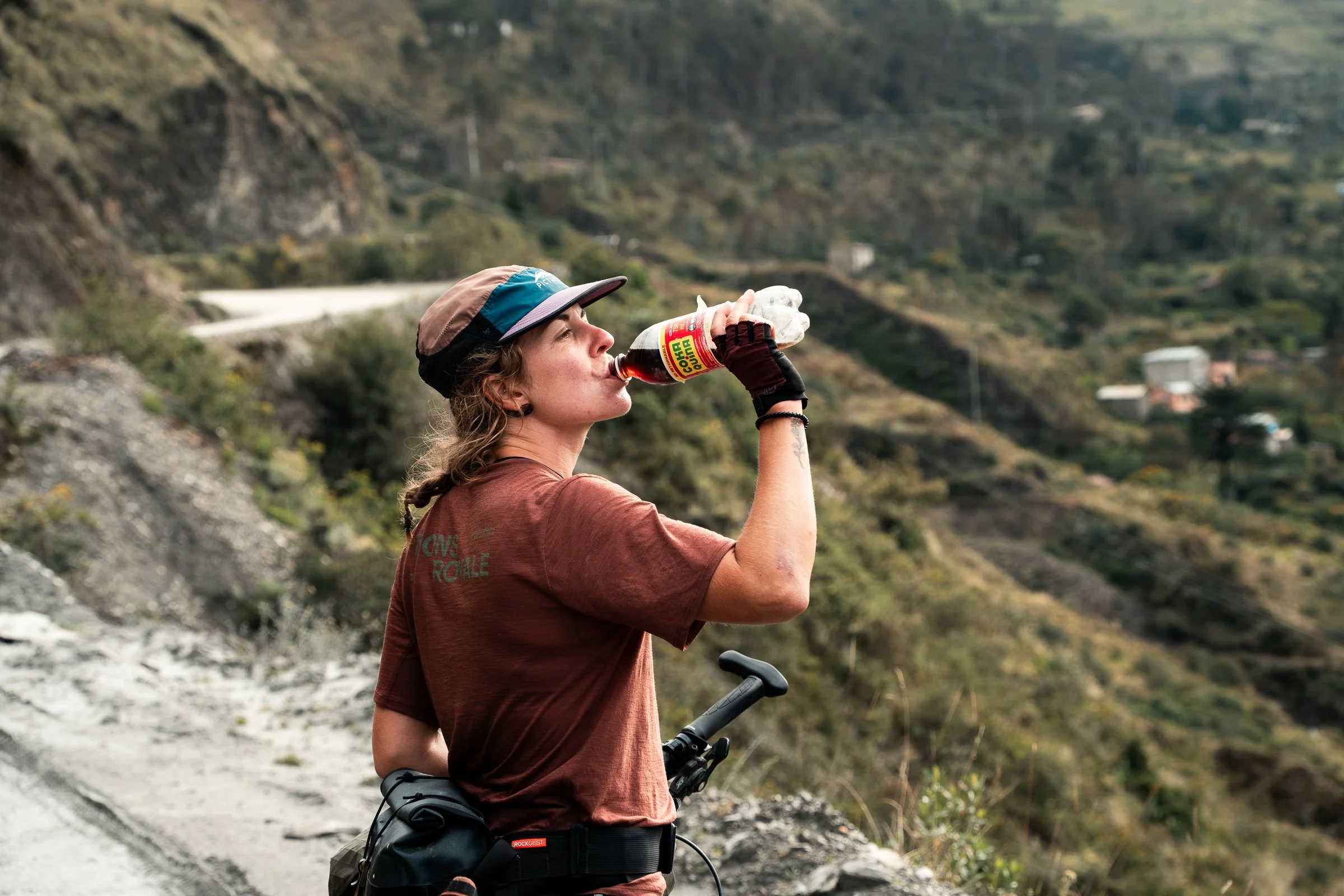
I awoke to desperate stomach cramps. It was midday by the time I was able to spend more than 15 minutes away from the bathroom. We decided to chance it whilst we could, and left the safety of the hostel behind. We were straight into a steep 800m climb, and the cool rain of the morning had by now turned into a humid sunny afternoon. Suffering all sorts of fluid losses, I struggled through a combination of riding and pushing to the top of the hill. About to succumb to the heat, gastrointestinal upset, and dehydration, we came to the town of San Pedro de La Loma (Saint Pedro of the Hill, aptly named) and found a small tienda. The icecream and Coka Quina was just enough to get me through the rest of the day. The gradient flattened out, but remained steadily upwards for another 10km before we mercifully came to the downhill that would end the day. Not so mercifully, my bowels decided to awaken again, and I had a very near miss scurrying into the bushes. We rolled through Trinidad Pampa and through to the Jiwaki Aquatic Park, where we were able to set up our tent between the guitar-shaped swimming pool and the water slide. It was a beautiful location, having the park to ourselves, except that I was up again every hour overnight to the bathroom - thankfully by morning it appeared to be subsiding.
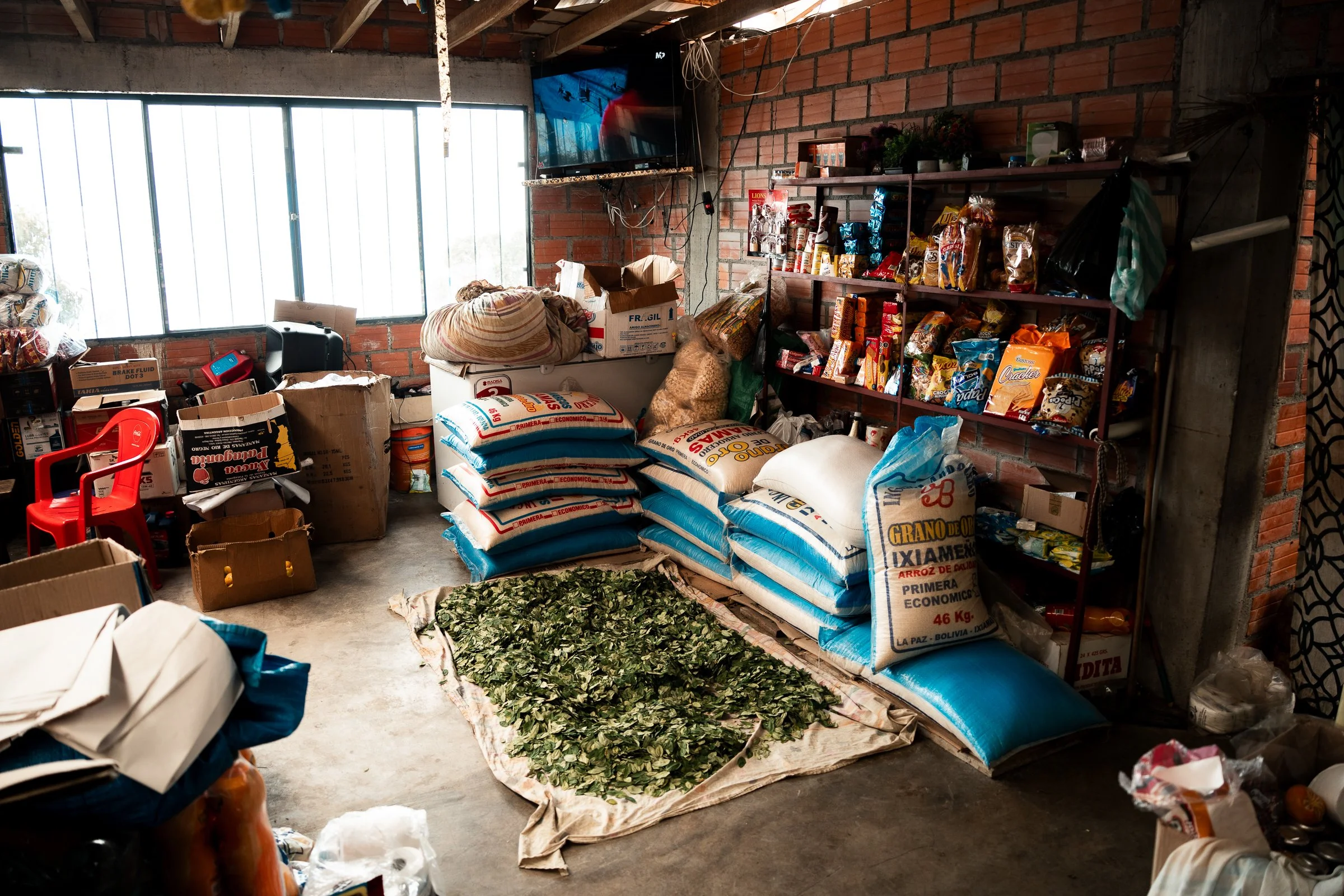
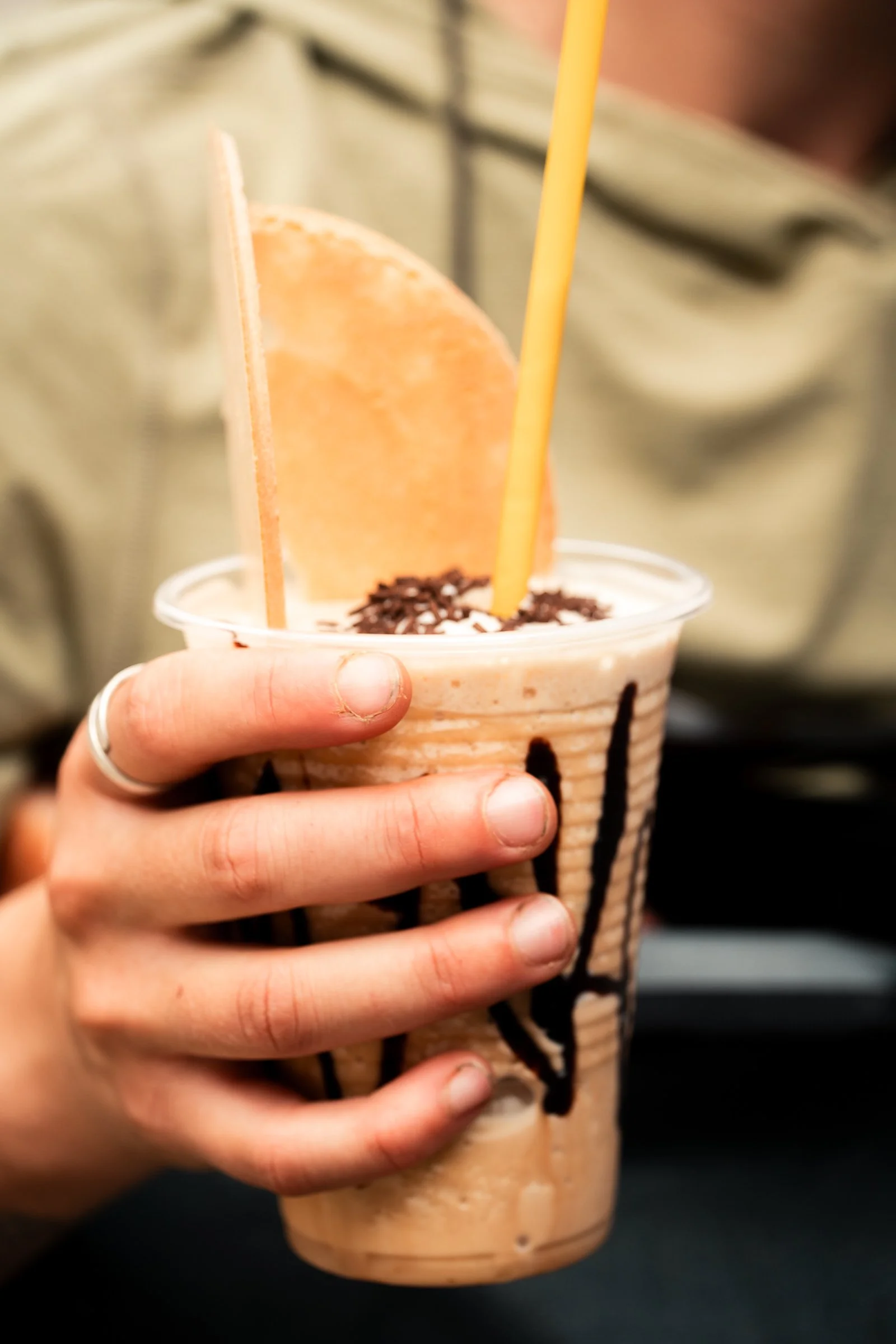
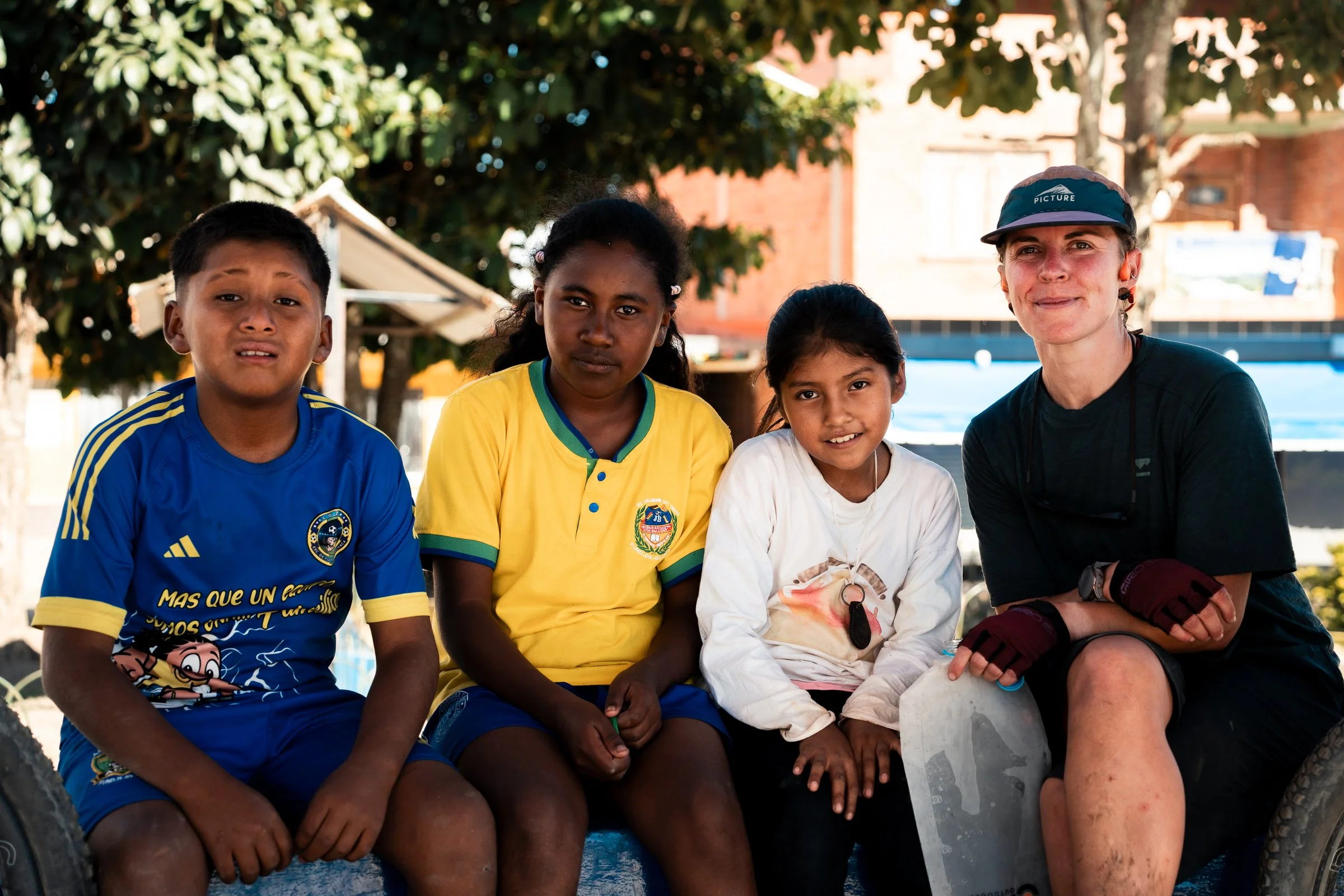
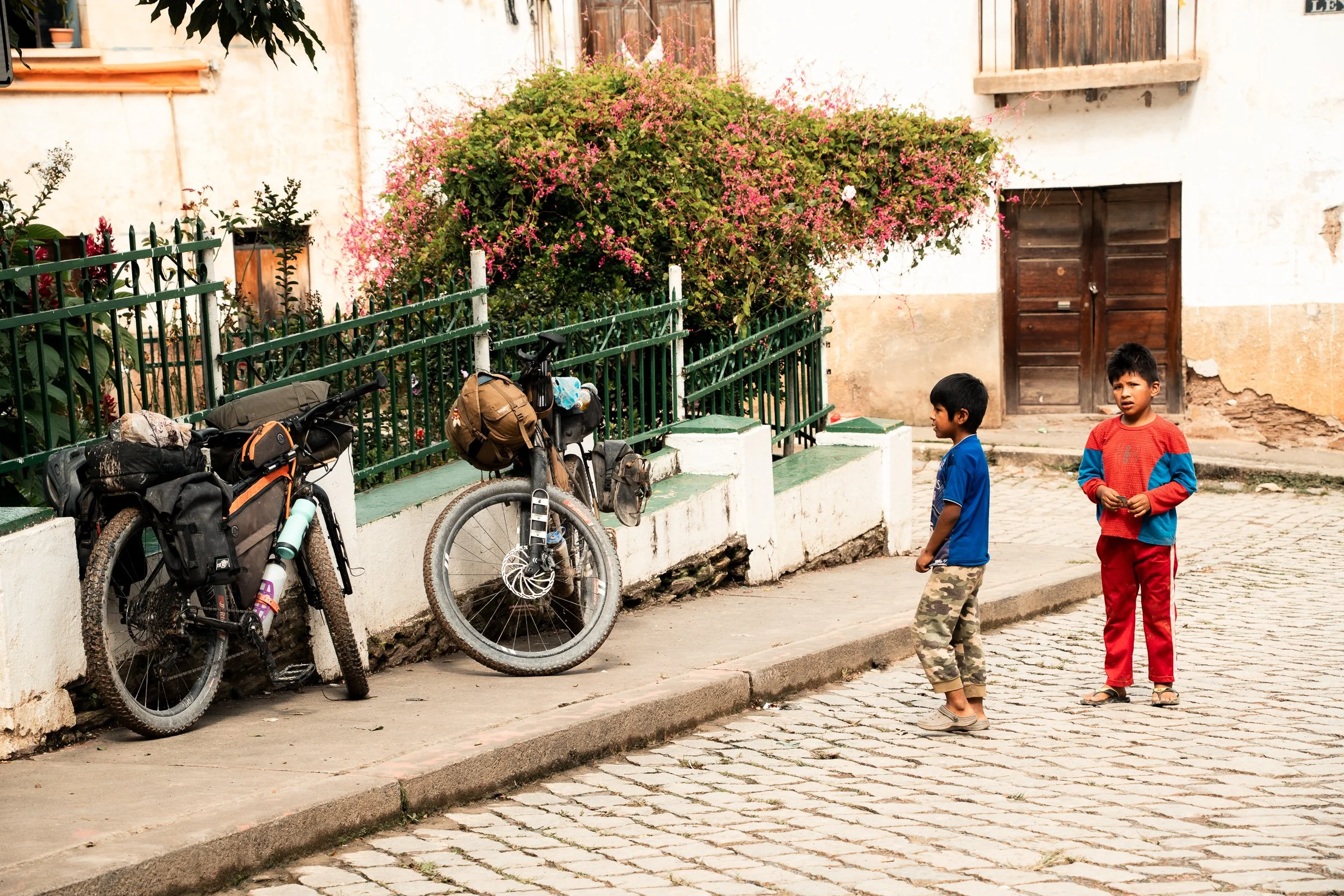
We had planned a day off in Chulumani at the highly recommended Country House to allow me to recover from my gastric upset, and that was the aim for the day. The morning was spent climbing up to Coripata, where we stopped for an early lunch and a cappuccino frappe, served by a friendly lady in a roadside stall. There were at least three similar stalls with multiple blenders at the plaza, and no evidence there was near enough business to support even one of them. We also bought some coca leaves for the reasonable price of 5bs for a bag ($1.25nzd), to help with the hills to come. We descended sharply into a dry canyon, and the heat rose to what was likely over 40ºc at the bottom (my GPS was recording 49ºc). Sweat poured off us as we popped some coca leaves in our cheeks and took off. I quickly began to succumb to the heat, and struggled to even stand let alone ride. A long stop sitting under one of the few trees providing shade helped, but it still took a good 2 hours to push my bike up the 5km to Colpar at the top. Here some local children came and tried to ask us questions, which we answered as best we could with our non-existent Spanish. We undulated for another couple of hours, until we descended into Chulumani, passing innumerable broaster pollo shops (fried chicken).
Our day off in Chulumani coincided with announcing their ‘year of tourism’, kicking off with some paragliding. We got a taxi up a muddy, rutted, dirt road to the top of a nearby hill with Betty, the mother of the girl who ran the hostel. There was a large dirt patch at the top, full of roots and crowds waiting expectantly. The mayor came up to witness the event, and shared some of the local history with us. After an hour of nothing, the first paraglider suited up, the mayor gave a speech, and a priest gave a blessing and splashed some holy water. At the exact moment he finished, rain came in. Everything was packed up, and another hour of waiting in the rain. By then Betty was bored so we went down to town and had some fried chicken for lunch at Biss Bross, her favourite (‘Bolivian KFC’ as she put it).
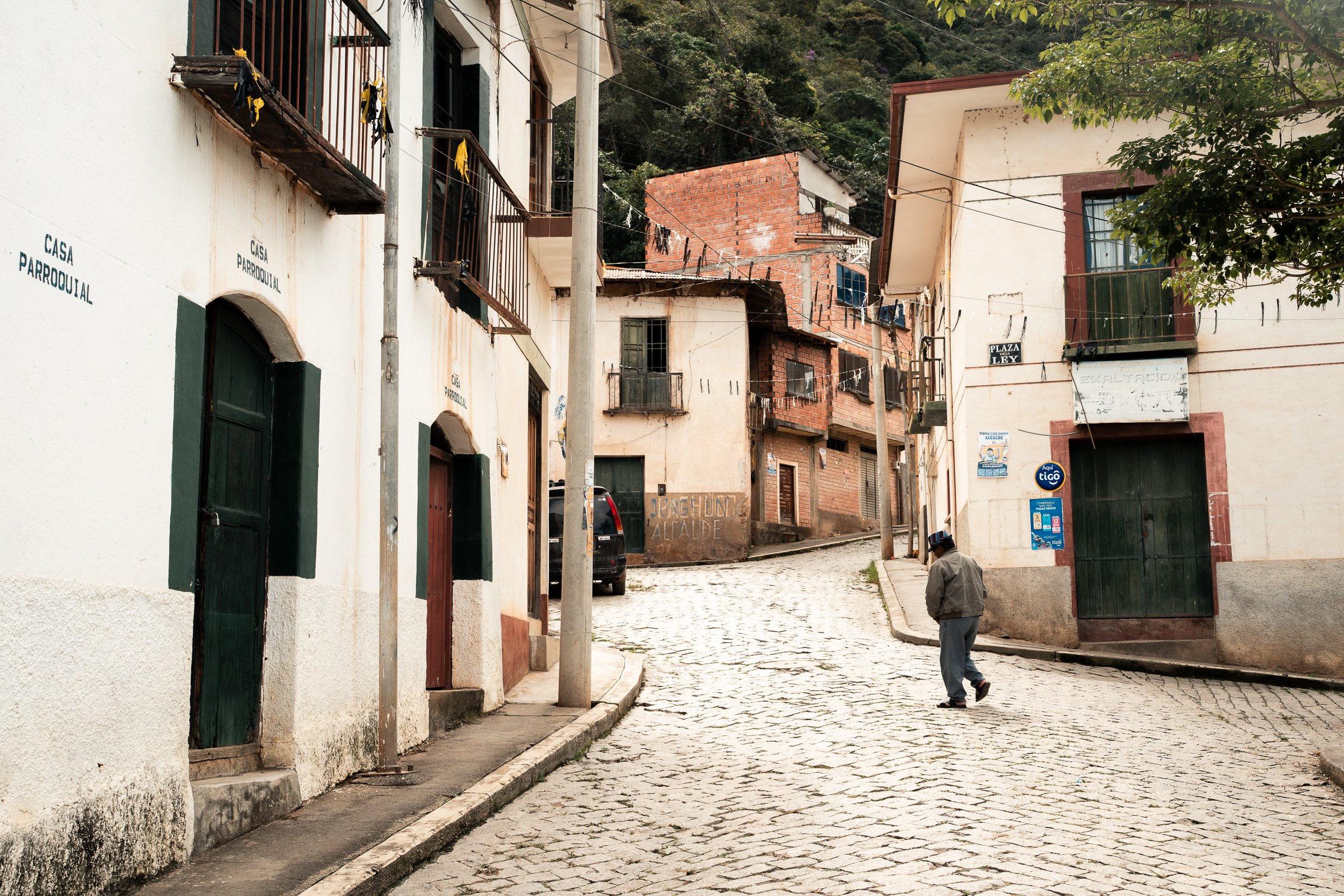
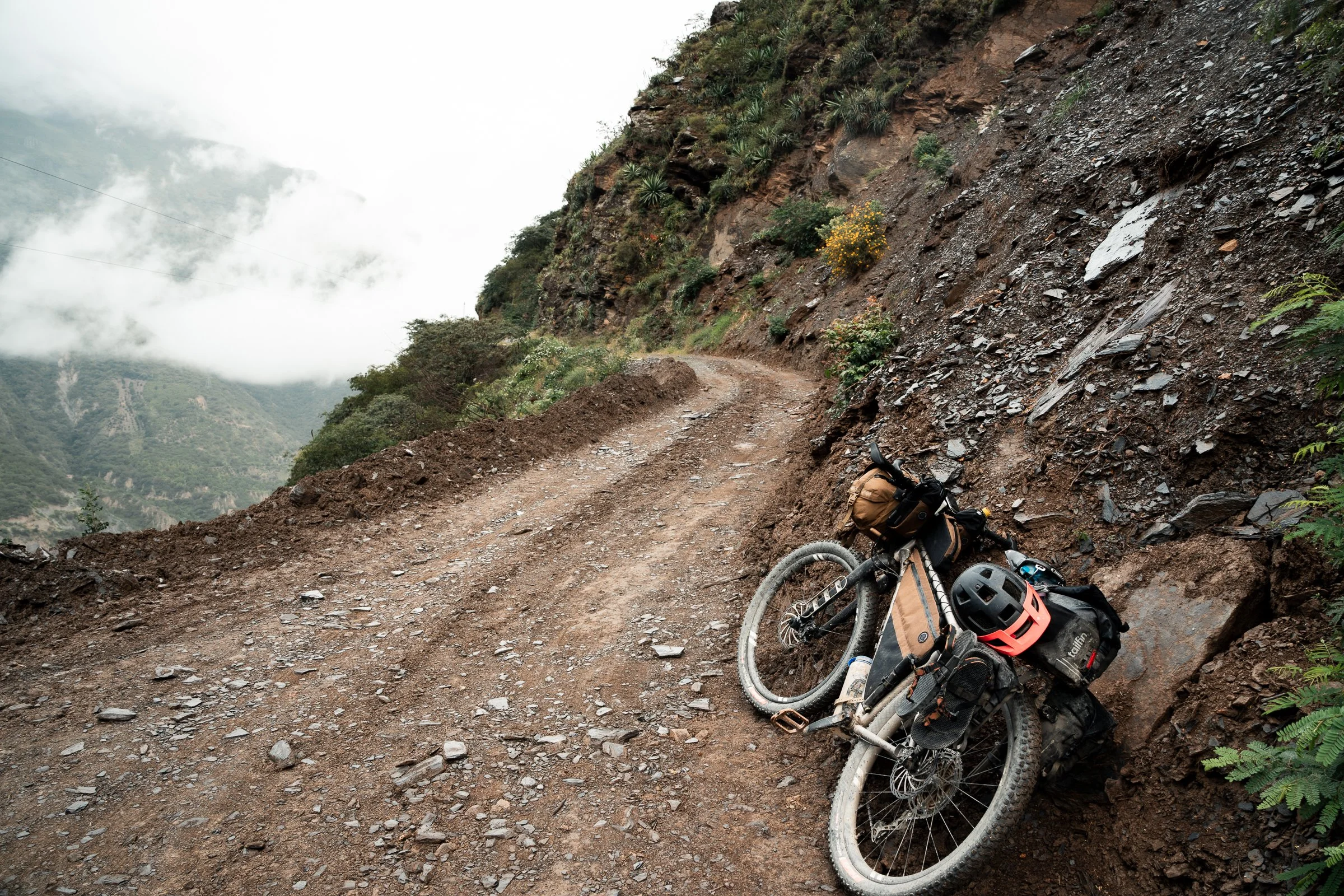
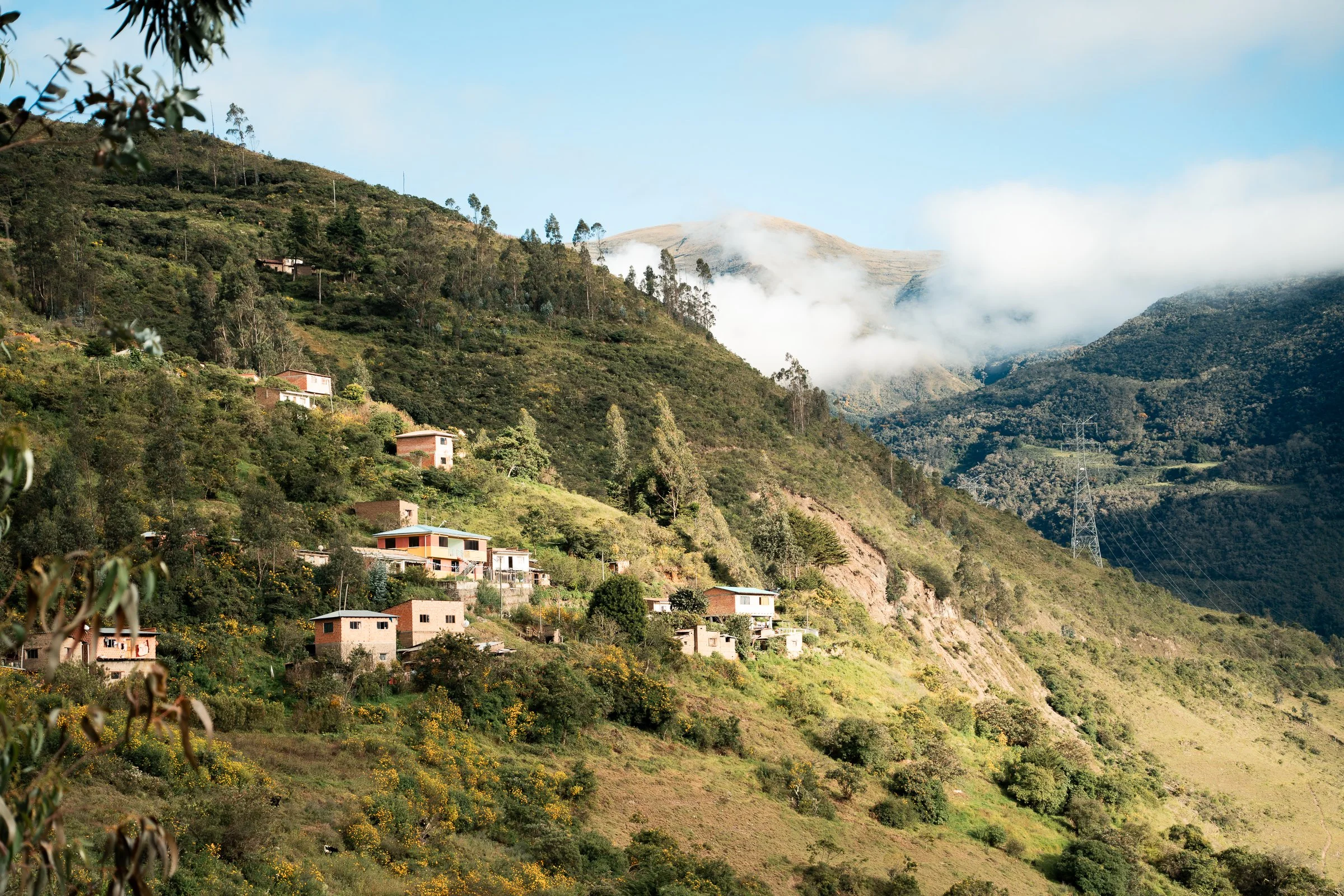
We woke in the morning to a heavy downpour and forecasts of more rain in the next few days. Given we hadn’t seen tarmac since we turned onto the death road, we weren’t sure if we should continue pushing on, given how slippery the roads were when wet. The rain cleared by midday and the sun came out, and we decided to push on. The roads dried quickly, and it was only the rare deep mud patch we encountered as we passed Chicaloma (‘Small hill’), before making it to Irupana just at sunset. This was a very nice looking town, with a great plaza, and one we would have been happy to spend a day off in. Morning brought more rain, which we passed by drinking copious cups of hot chocolate, purportedly with locally grown cocoa. We had seen small brown pucks sold in shops, and decided they were hot chocolate mixes.
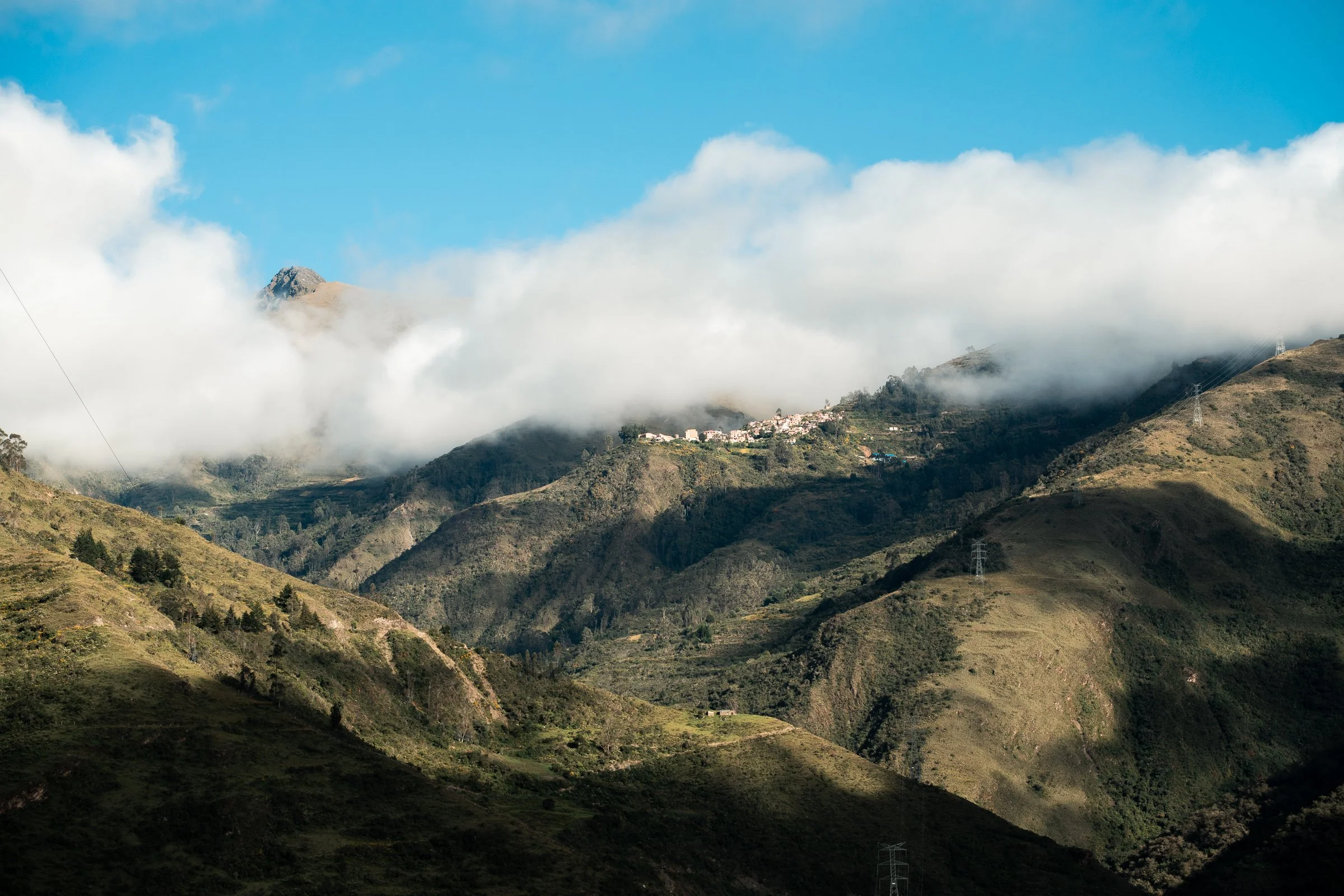
Irupana, Chicoloma, and Chulumani (from near to far).
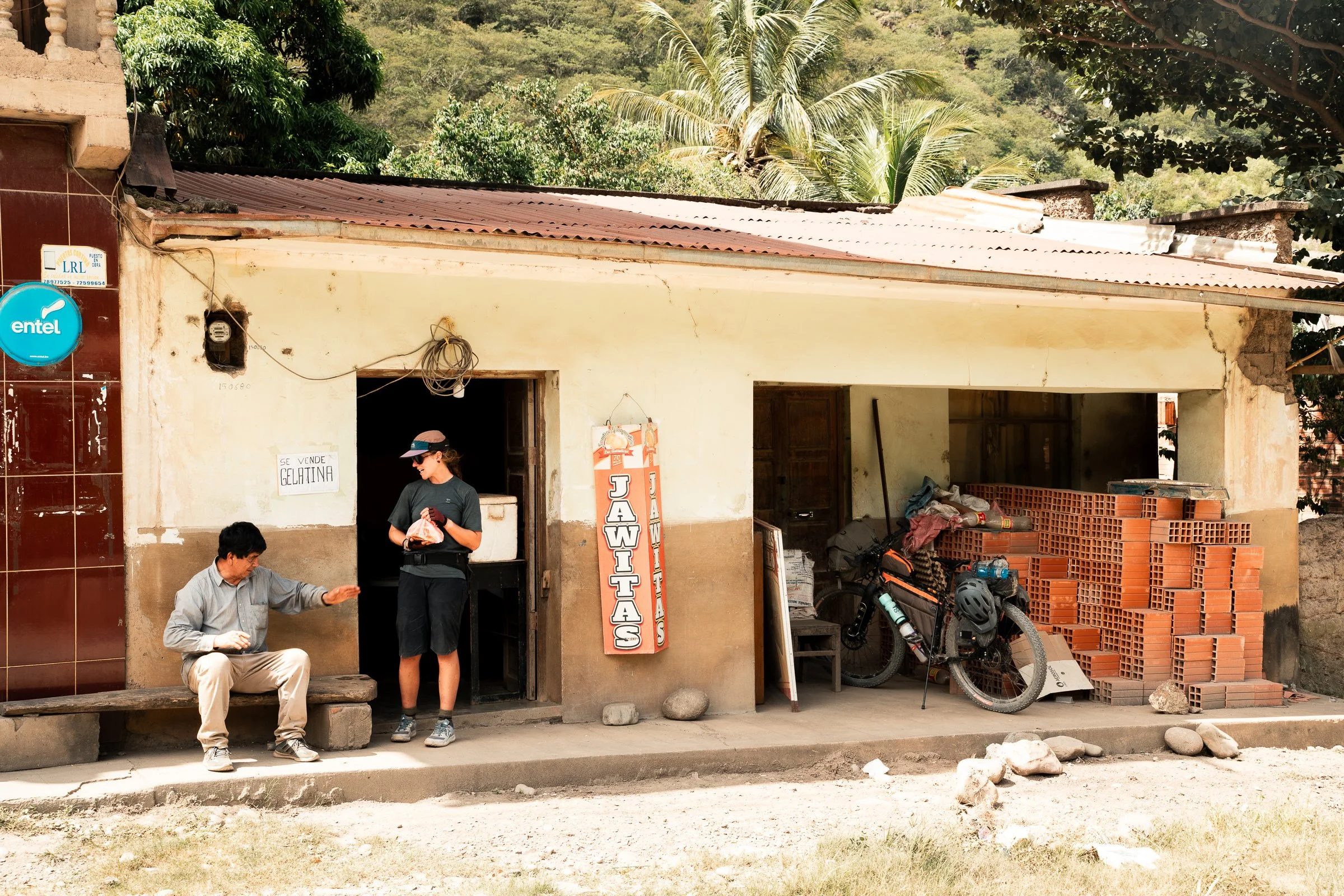
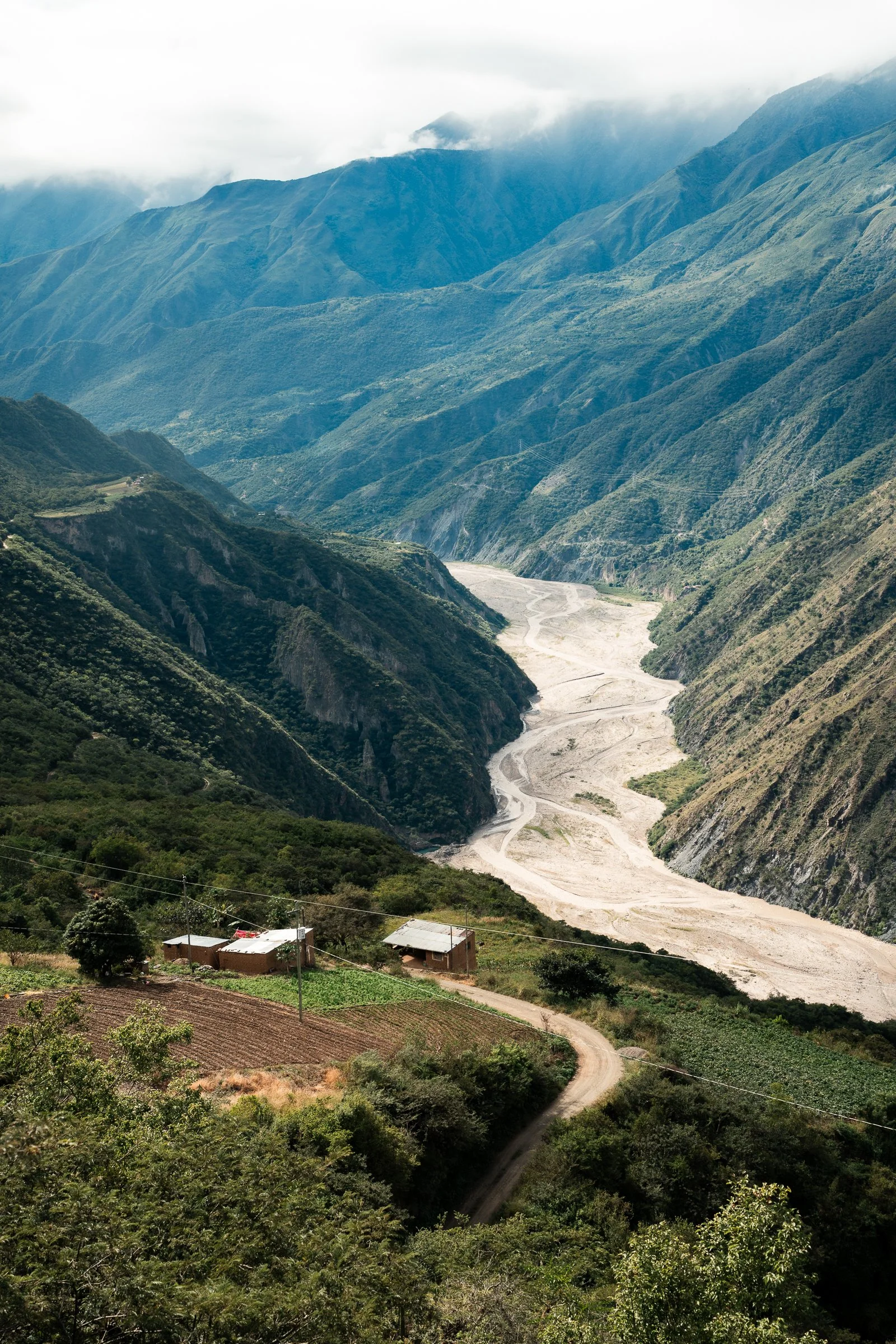
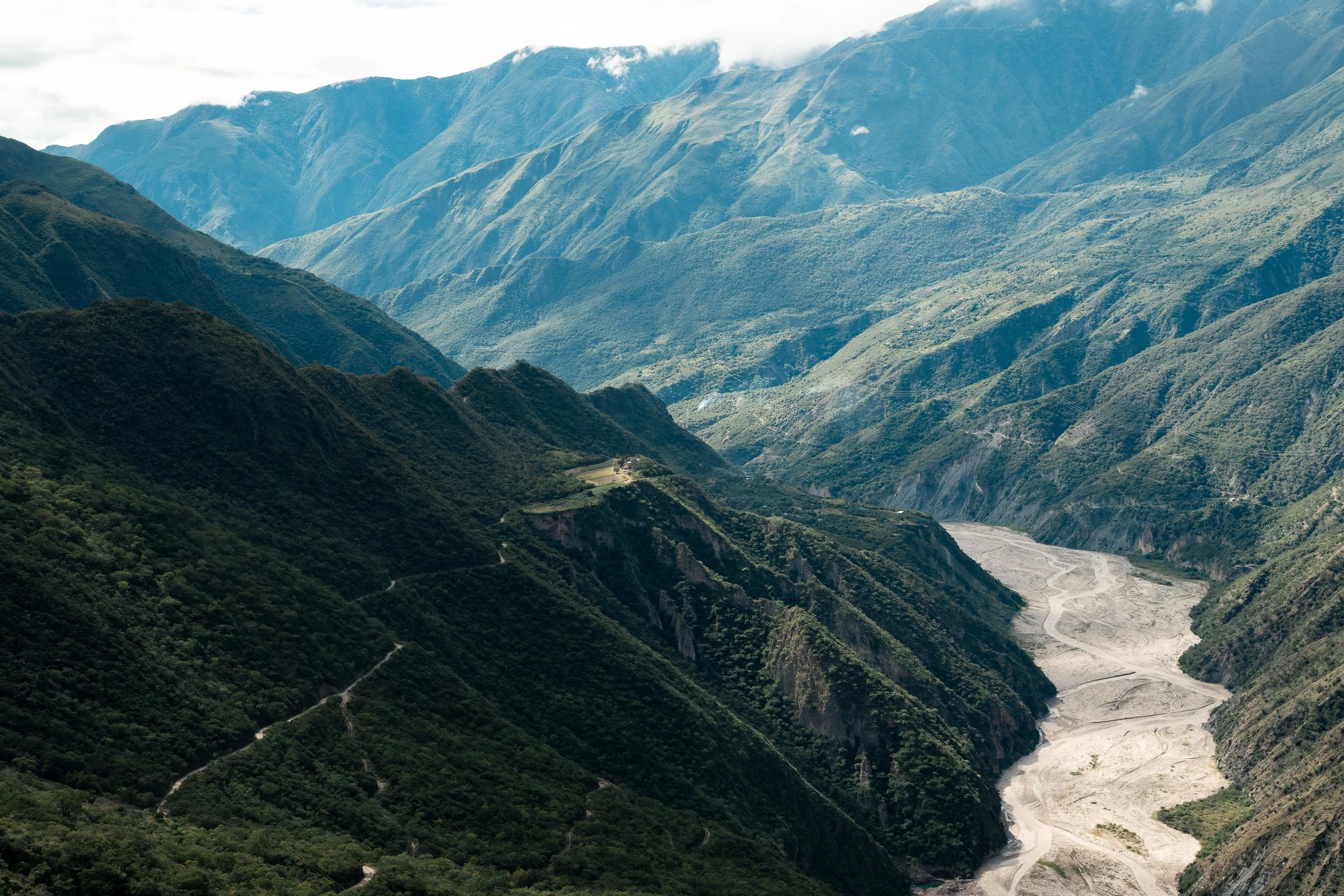
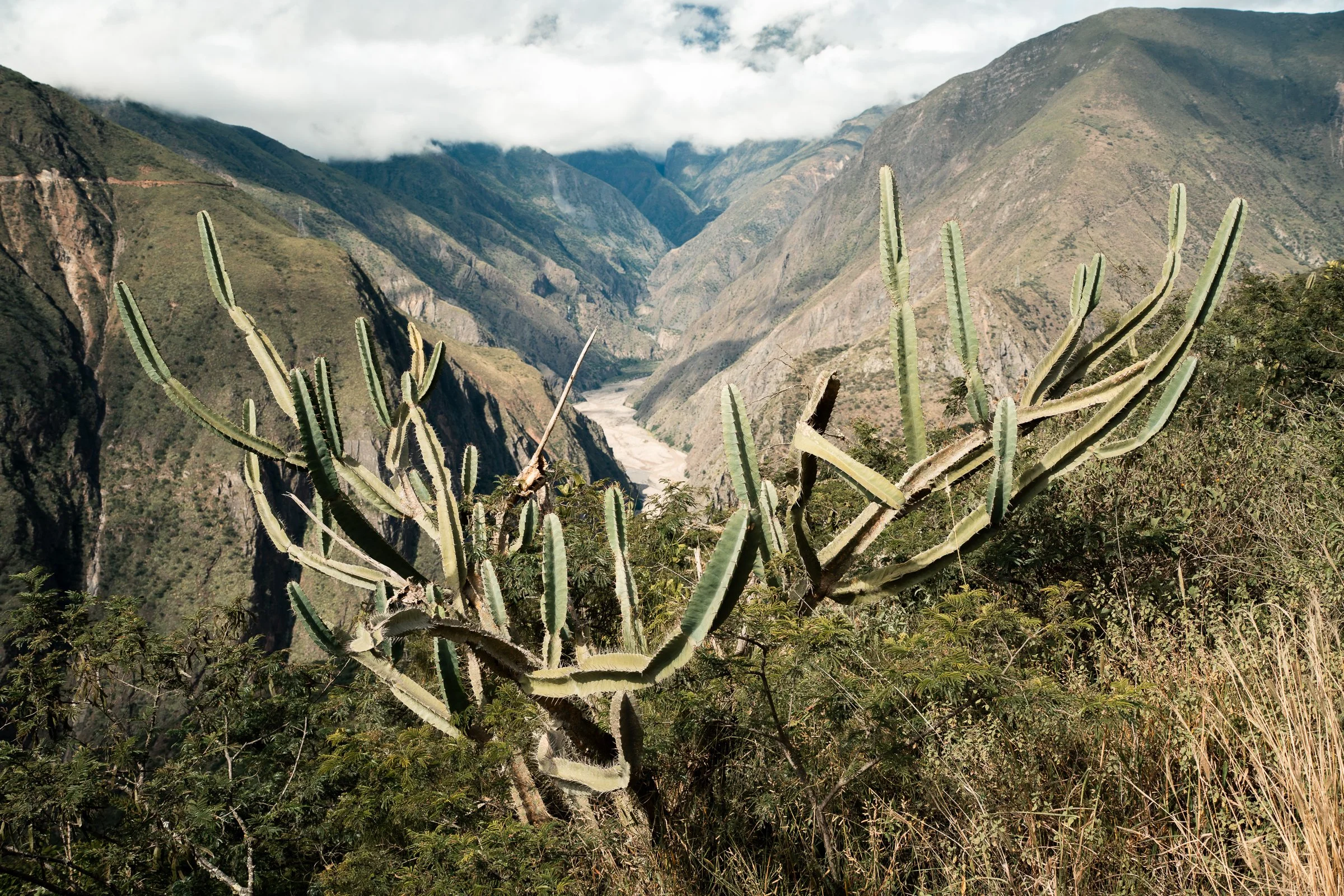
By now we were starting the final climb to La Paz, which would be over 6000m of climbing up a single road, undulating up towards the 4530m Abra Pacuani pass. Of course, it was another small climb out of Irupana before a long descent down to 1100m and La Plazuela, where we found an exceptionally friendly lady selling Jawitas, and a man who wanted to show us his pool and was disappointed when we didn’t have time. From here we turned up river on the Rio La Paz, undulating around a bluff at the corner, and noticing that cacti were abundant in this valley, and hoped it meant little chance of rain.
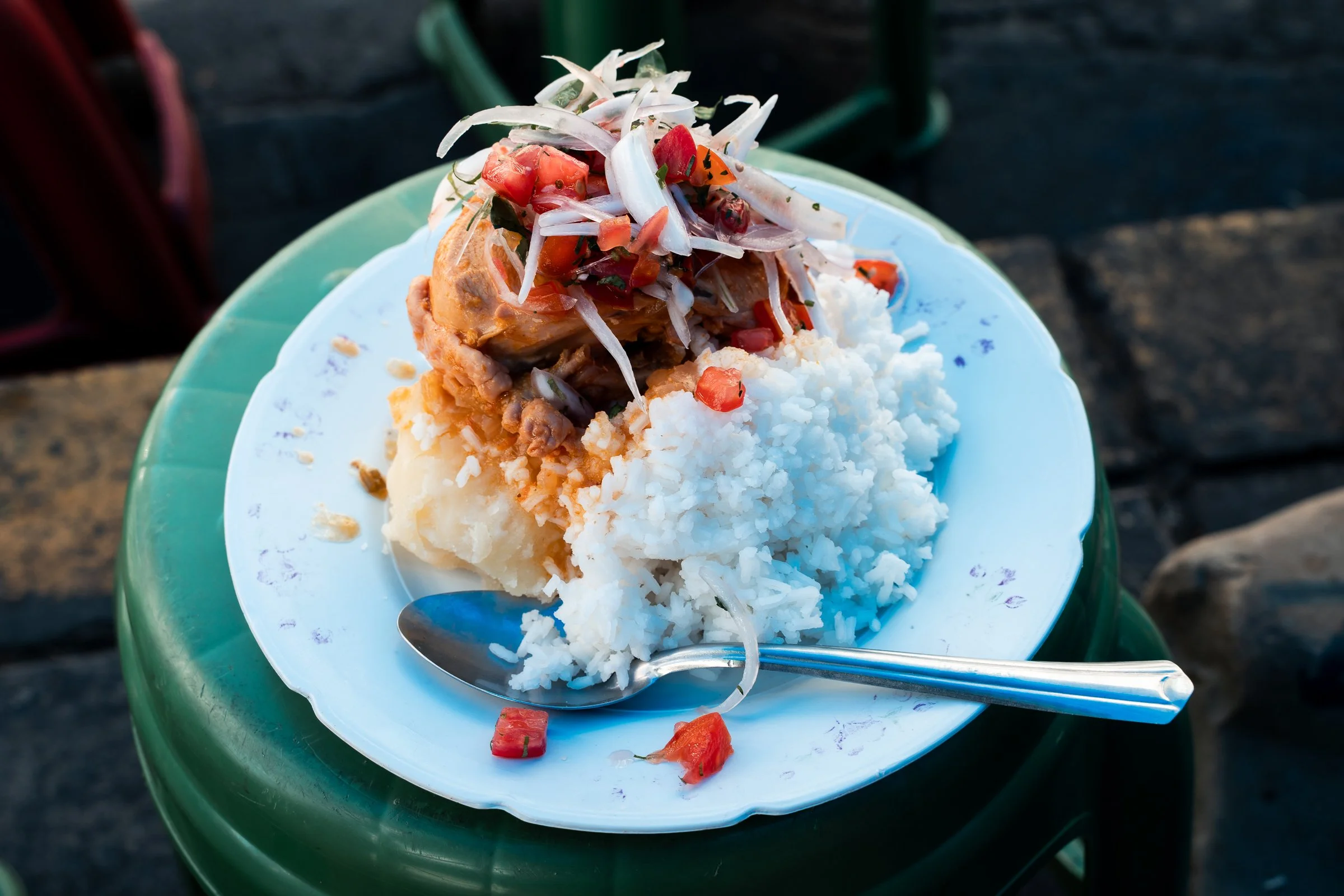
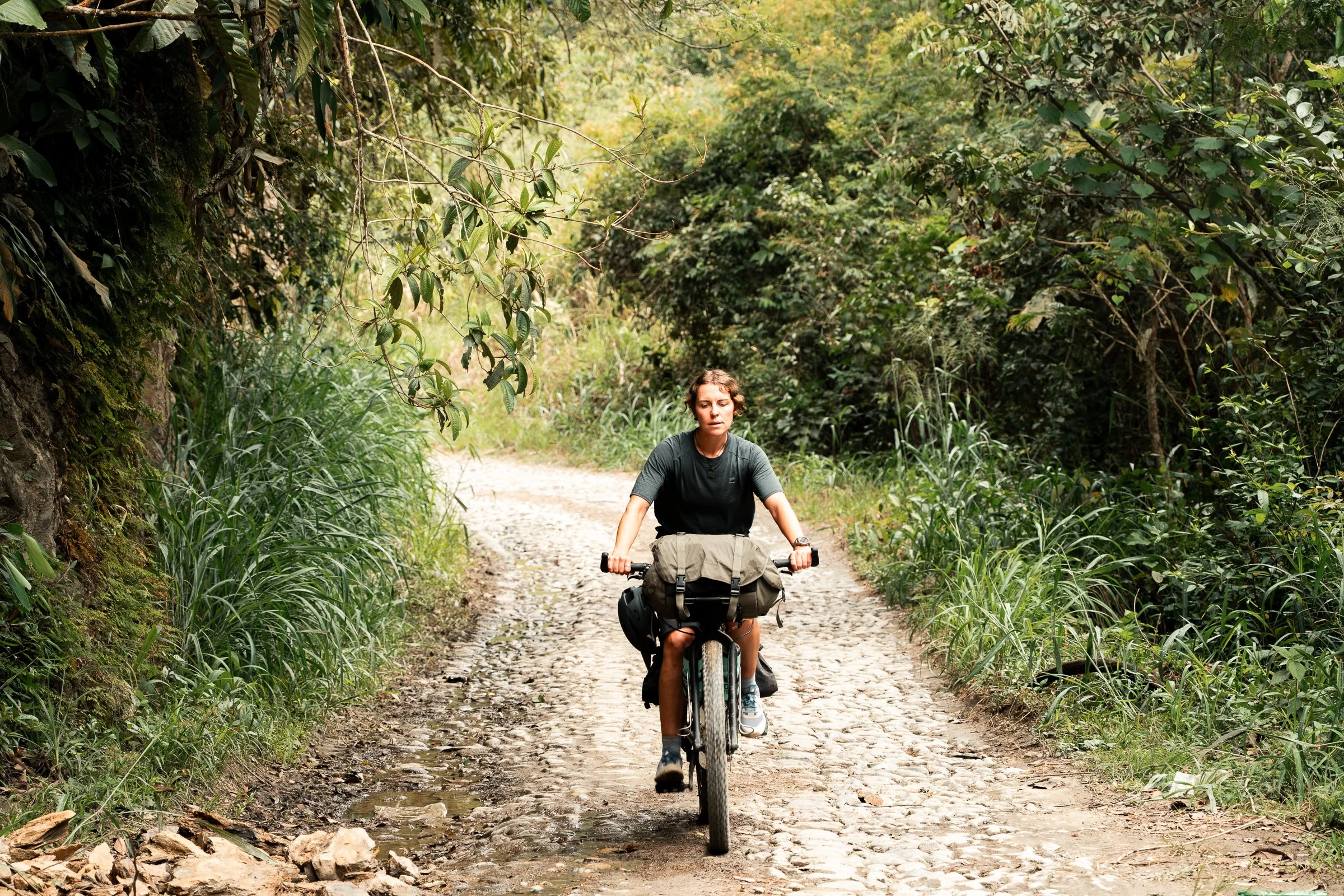
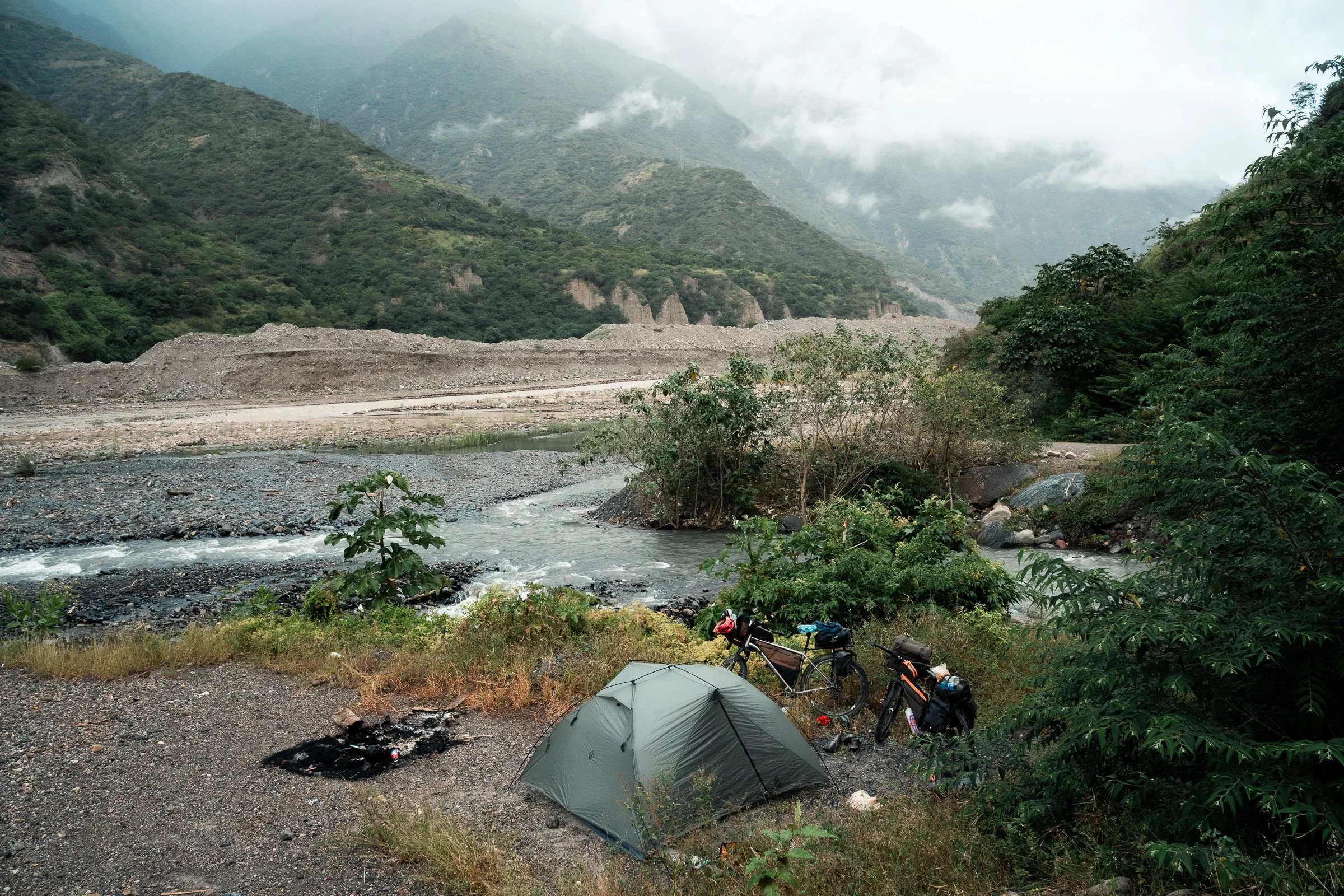
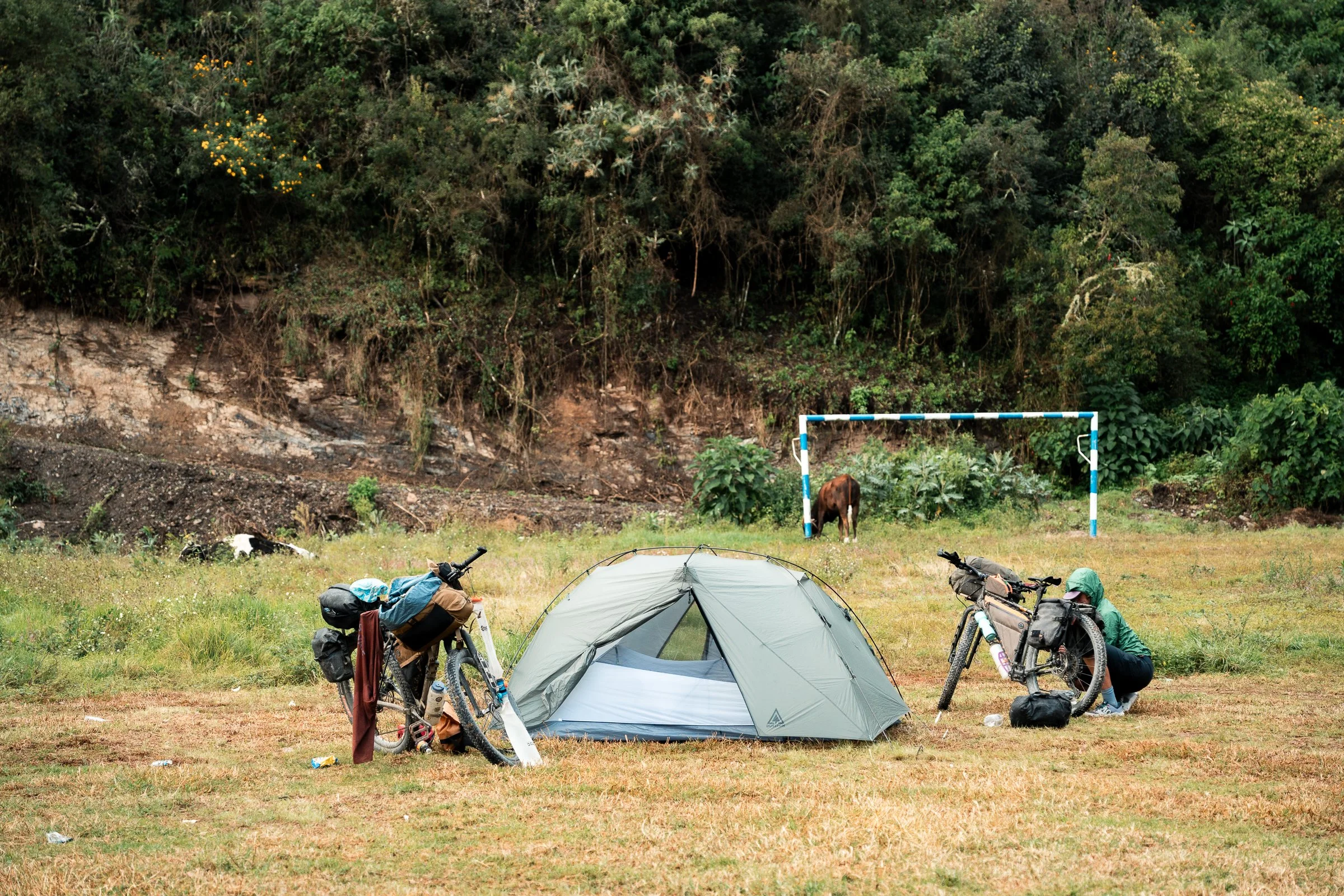
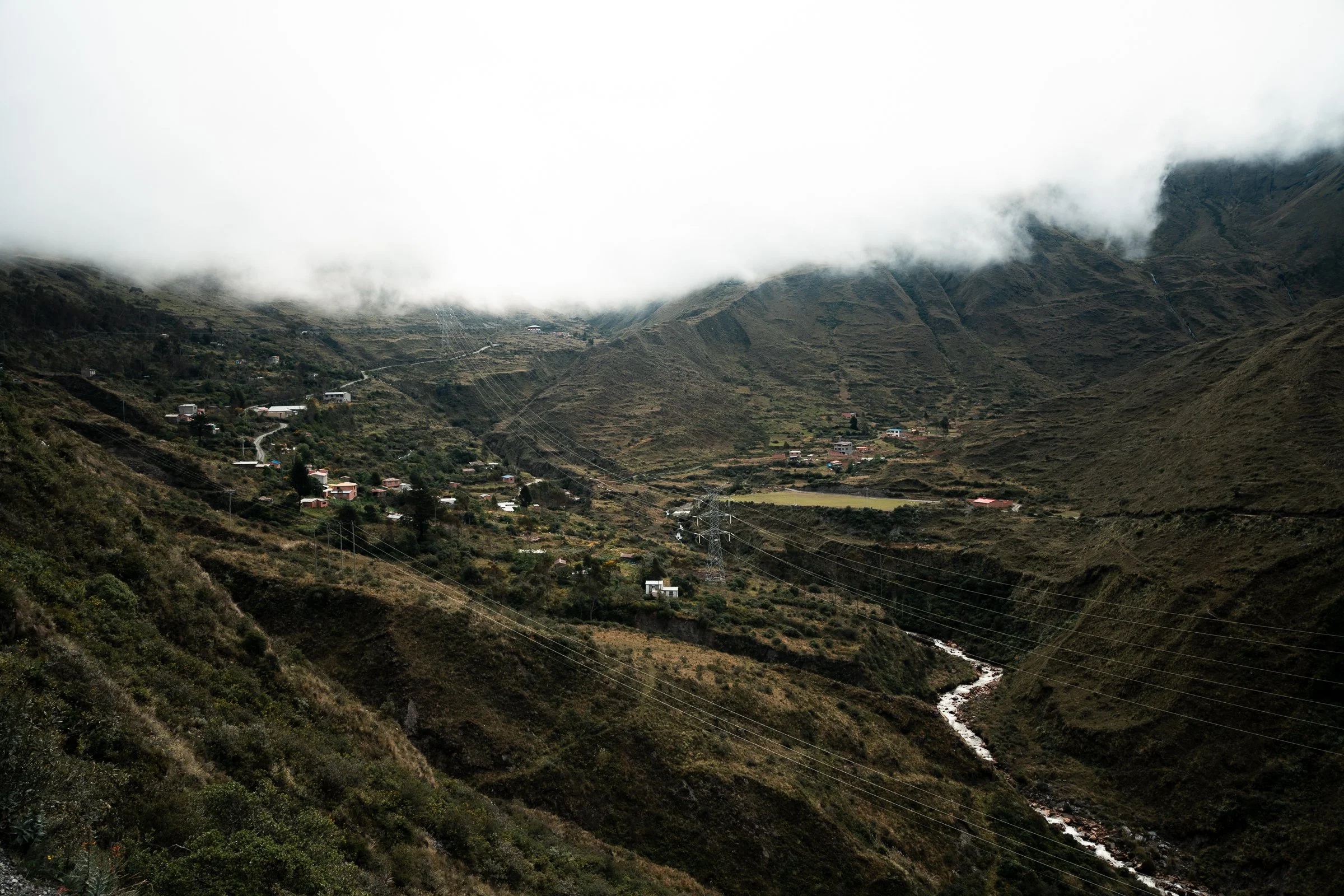
Naturally, we had to then descend down to a hamlet with a small tienda and a handful of houses. The tienda was run by a very elderly, very hunch-backed lady, and was completely pitch black. All transactions occurred through a tiny hole in the window that you could barely see through. We pitched our tent by the side of the river, having given up on not being bitten by insects. The next two days consisted of two steps forward and one step back, as we would climb steeply in the hills, only to descend down to cross another river again, before regaining the lost altitude. Towards the end of the first day, we started dreaming of fried chicken, and laughing about how nice it would be to find some, as we passed village after village without so much as a tienda. Less than 2km from our target for the night (an abandoned football field), we passed a small village which wasn’t even on our map. Lo and behold, there was a lady selling food; the one item on the menu? Fried chicken. We demolished two portions of chicken, rice, and soup each, as a large local man with a machete laughed at us.
We continued to climb, and by now we were getting over 3000m in elevation and the altitude was becoming noticeable. Passing through Chuñavi, we saw two boys riding one of the few bicycles we had seen in Bolivia. Their handlebar turning freely in the stem, I attempted to tighten it for them, but abandoned the task after fearing I would snap the rusty bolt clean off.
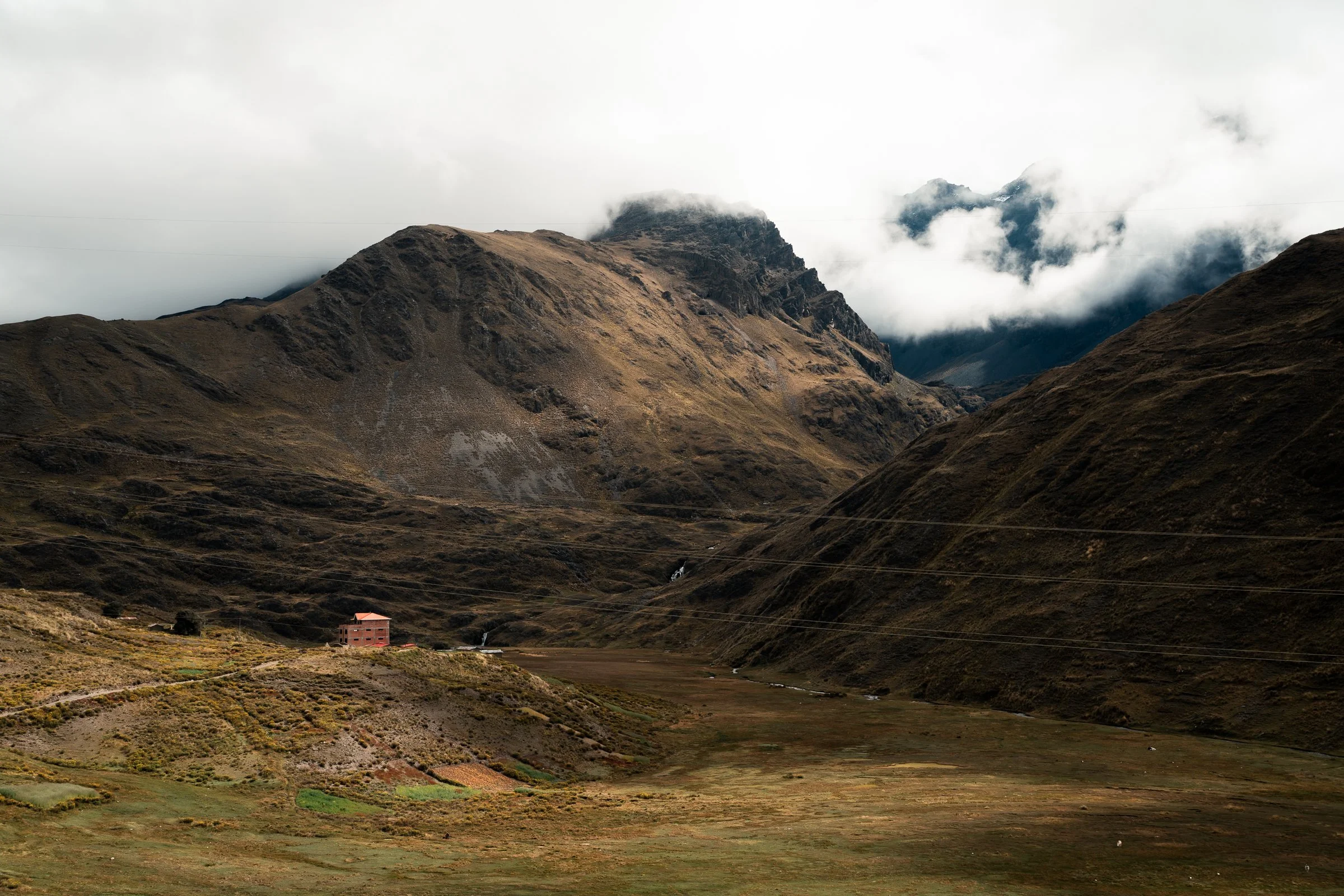
We were now in a different watershed, and the scenery changed again, with much less vegetation and shrubbery. Fortunately the gradient of the road also flattened slightly, making the riding slightly easier than the lowest-gear grinding we had been doing for the past week. Rolling into Tres Rios, a mining town at 3900m, we looked up to get our first glimpse of the large snow capped peaks of the Andes since we had left La Paz. We stayed in the only alojamiento in town, a very basic type of accomodation - cold water showers, no insulation, and windows that didn’t close. We had great views from our 4th floor room, but the steps up to it were a challenge we didn’t appreciate at this elevation. Stopping for a fried chicken digestivo after dinner, the fog rolled in, making an eerie scene with the lack of street lighting. Suddenly out of the fog came a large tightly packed crowd, what seemed like it must be the whole village. They were walking solemnly from the road leading out of town, but there was nothing out there. Some carried guitars. They passed us slowly, before congregating around a bonfire in the middle of the street, and dispersing as quickly as they came.
Rolling breathlessly into Tres Rios.
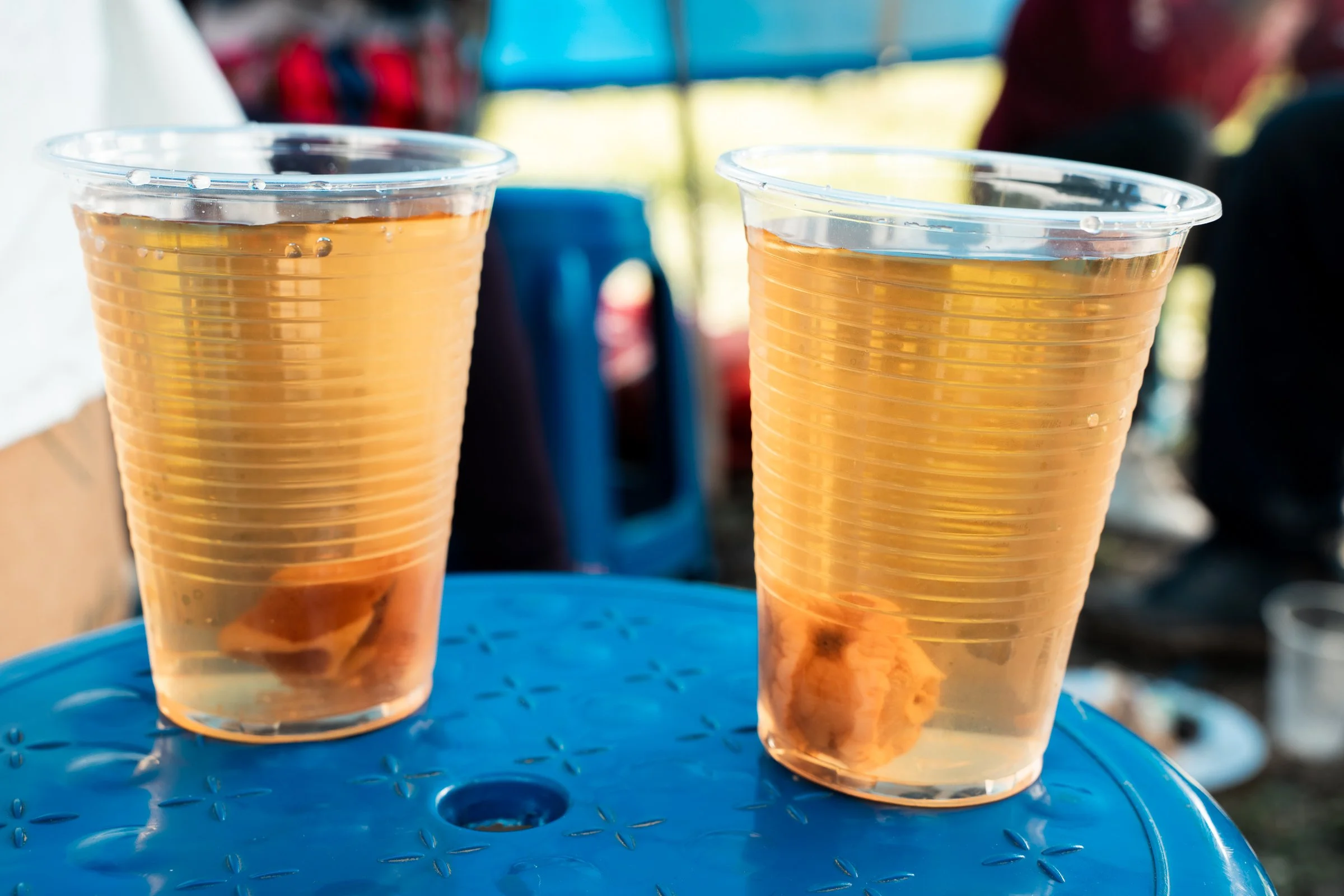
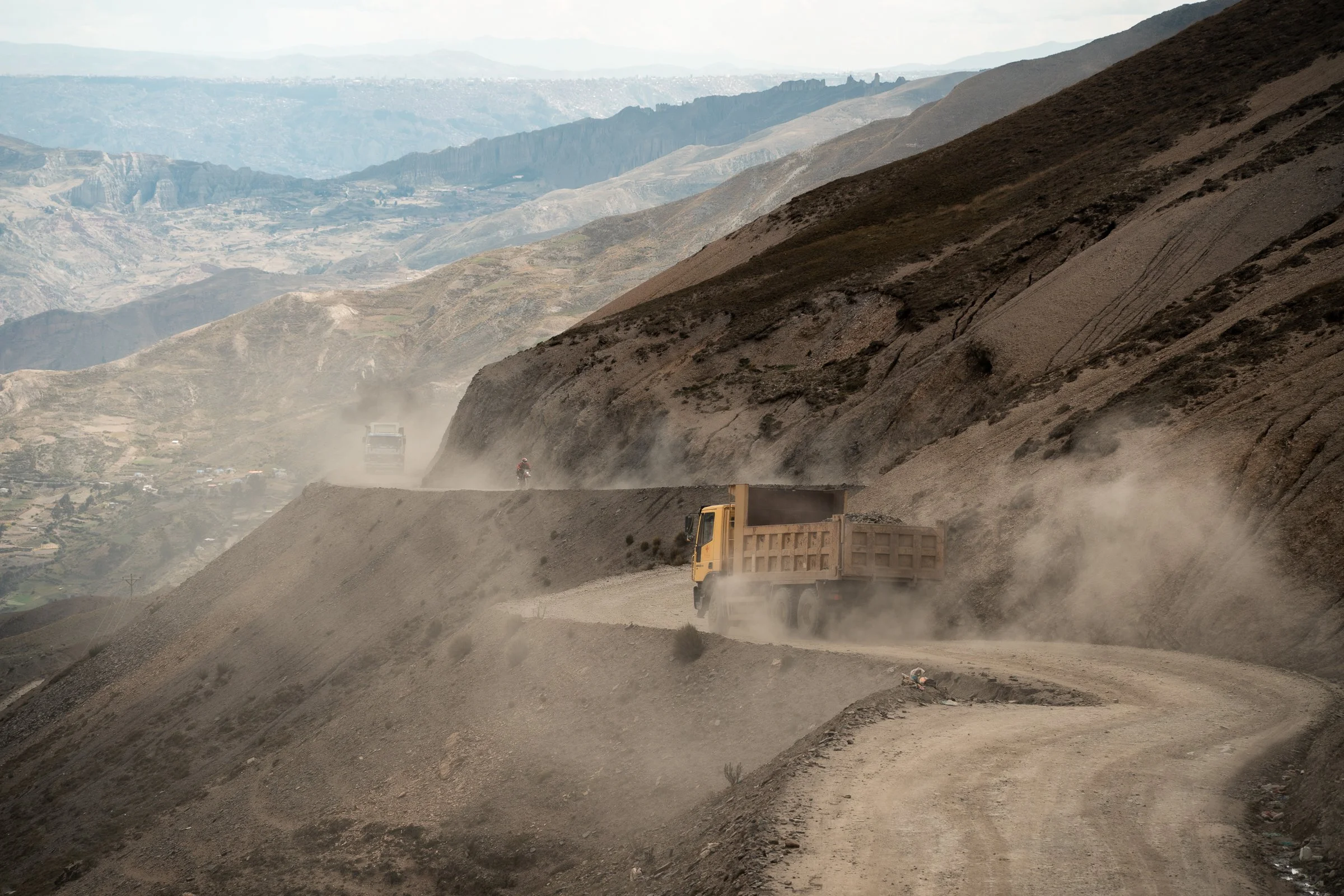
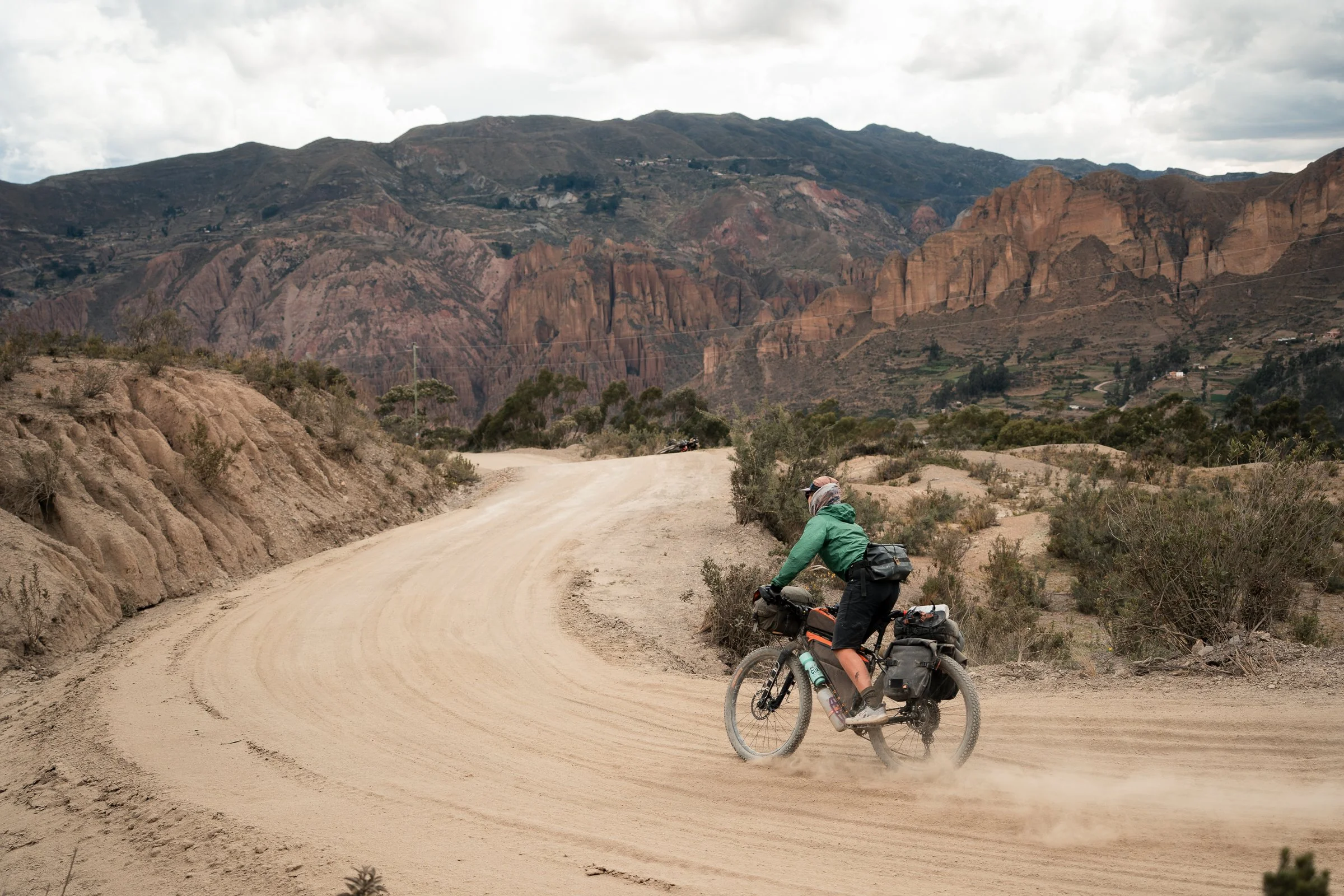
Abra Pacuani was slow to arrive, as we struggled with the altitude, only managing a few hundred metres at a time before needing another breather. At the top were two cars, knocking back beers (it was 12pm). We recognised them as they had cheered us with a beer as they drove past on the way up. Whilst we brewed a coffee in the cold wind they took off, leaving behind 8 beer cans; it would be a shame if there weren’t close to a thousand beer cans and bottles littering the summit of the pass, making broken glass a real hazard. Finding a break in the traffic to avoid the dust, we set off down hill towards La Paz. It wasn’t long before Lauren was given a can of beer by a car driving past - I was a little jealous as I had only been given a few mandarins in a similar situation the day prior. We had read about a detour through Palca canyon rather than continuing on the dusty highway, so turned off at Puquise to drop into Palca. This road was much nicer, though still very dusty.
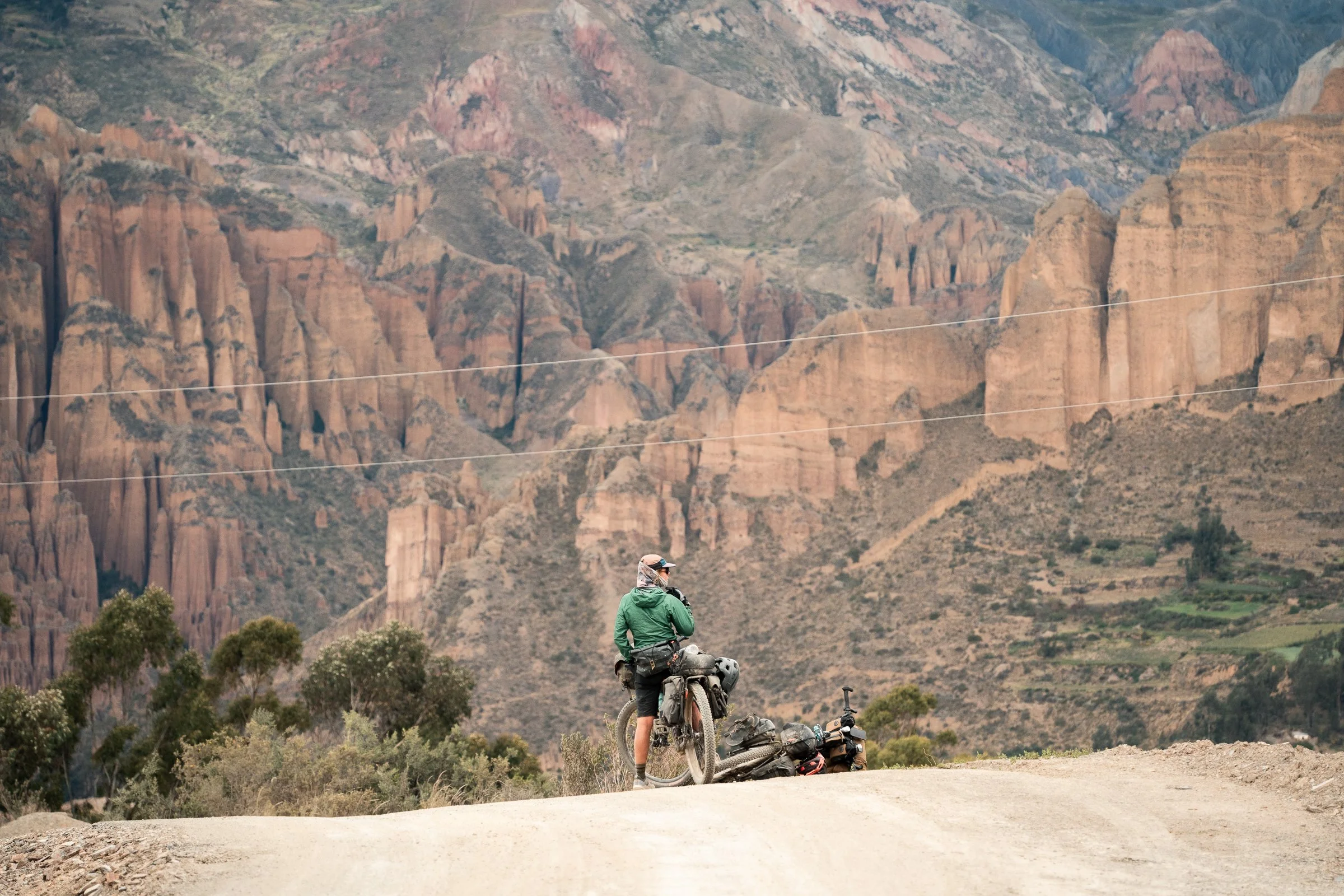
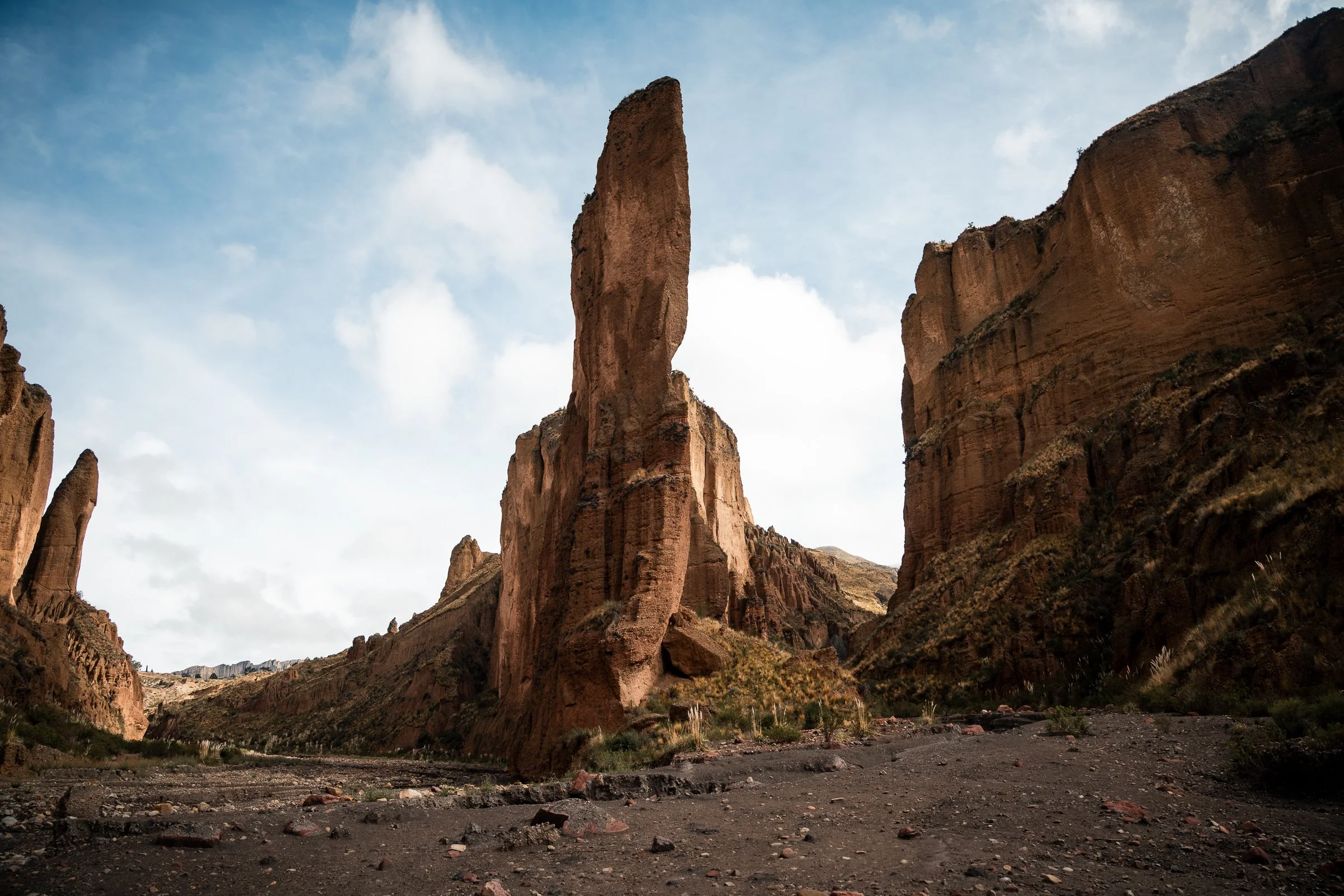
After a snack in Palca we headed to the canyon, but got caught in rain just before the entrance. We passed the hour under the awning of a tourist building, padlocked shut. The rain had turned the road to horrendously sticky mud, but the sky’s cleared just as we found a nice campsite a few hundred metres into the canyon, giving us an awesome view of Illumani, the large mountain that dominates La Paz.
Morning brought more clear skies, and we slowly pushed our bikes up the river bed, scraping mud off frequently. Finally getting to the road out of the canyon, we had barely got going before we found it had been taken out by a large landslide. ‘Send up the drone!’ Lauren ordered, to help find a way around. Finding a small foot trail, we pushed our bikes up, and got onto one of our favourite roads of the trip climbing to the town of San Geronimo de Uni. We passed through small farm fields, with Illimani still imposing behind us. We took an ice cream break in the small plaza there, before joining back onto the highway (which was now paved) and rolling down the 20km to La Paz and our hostel.