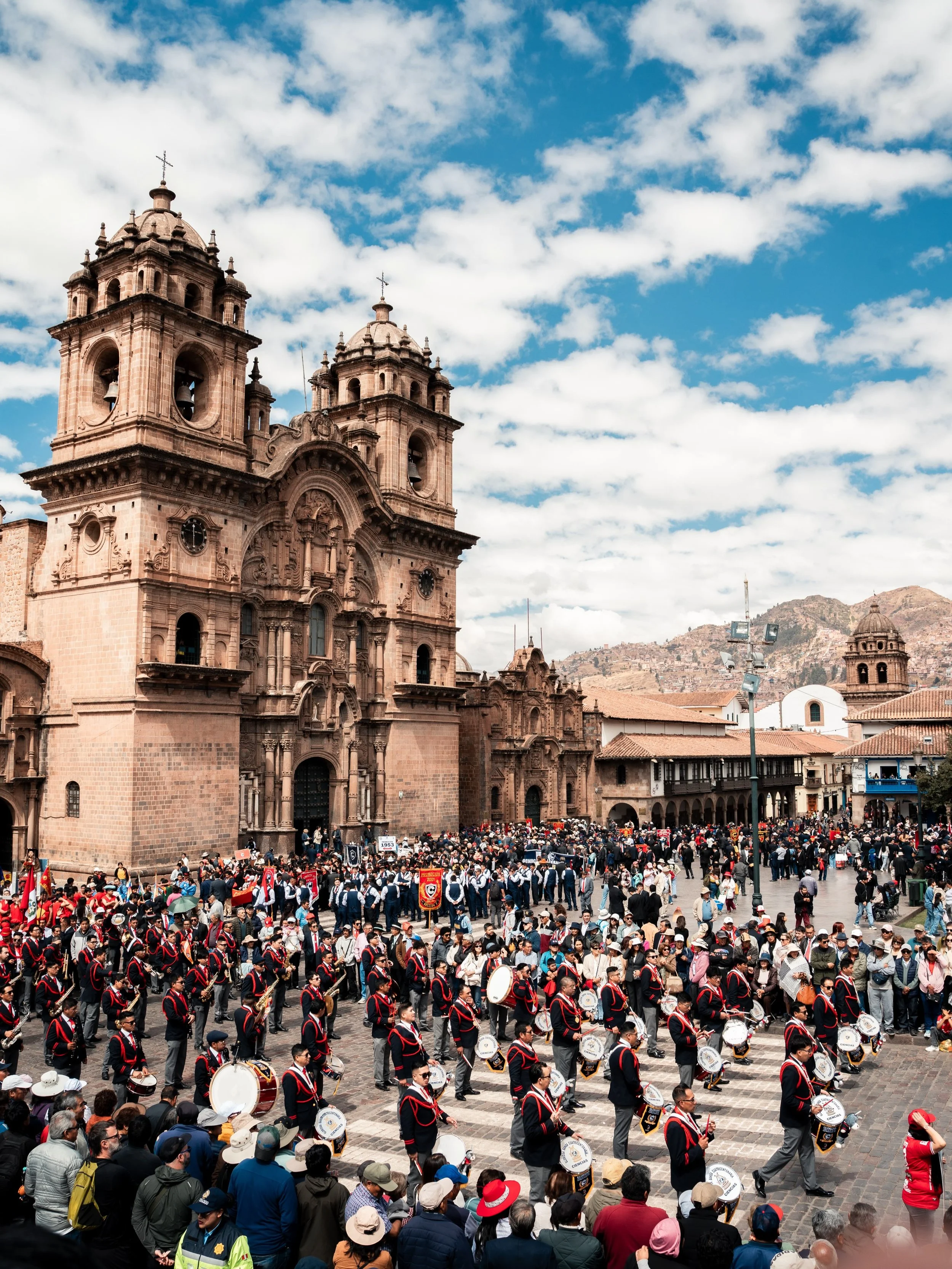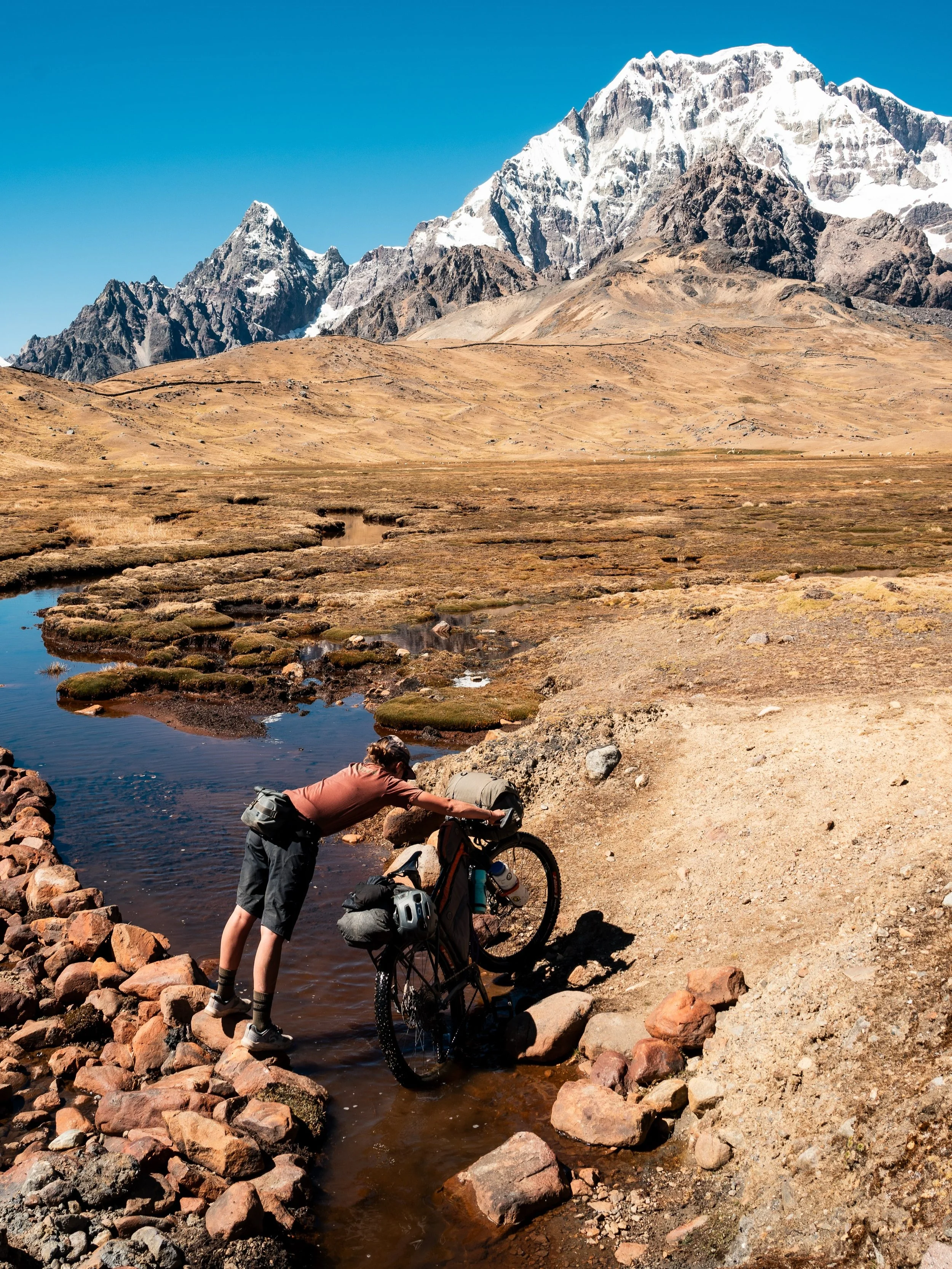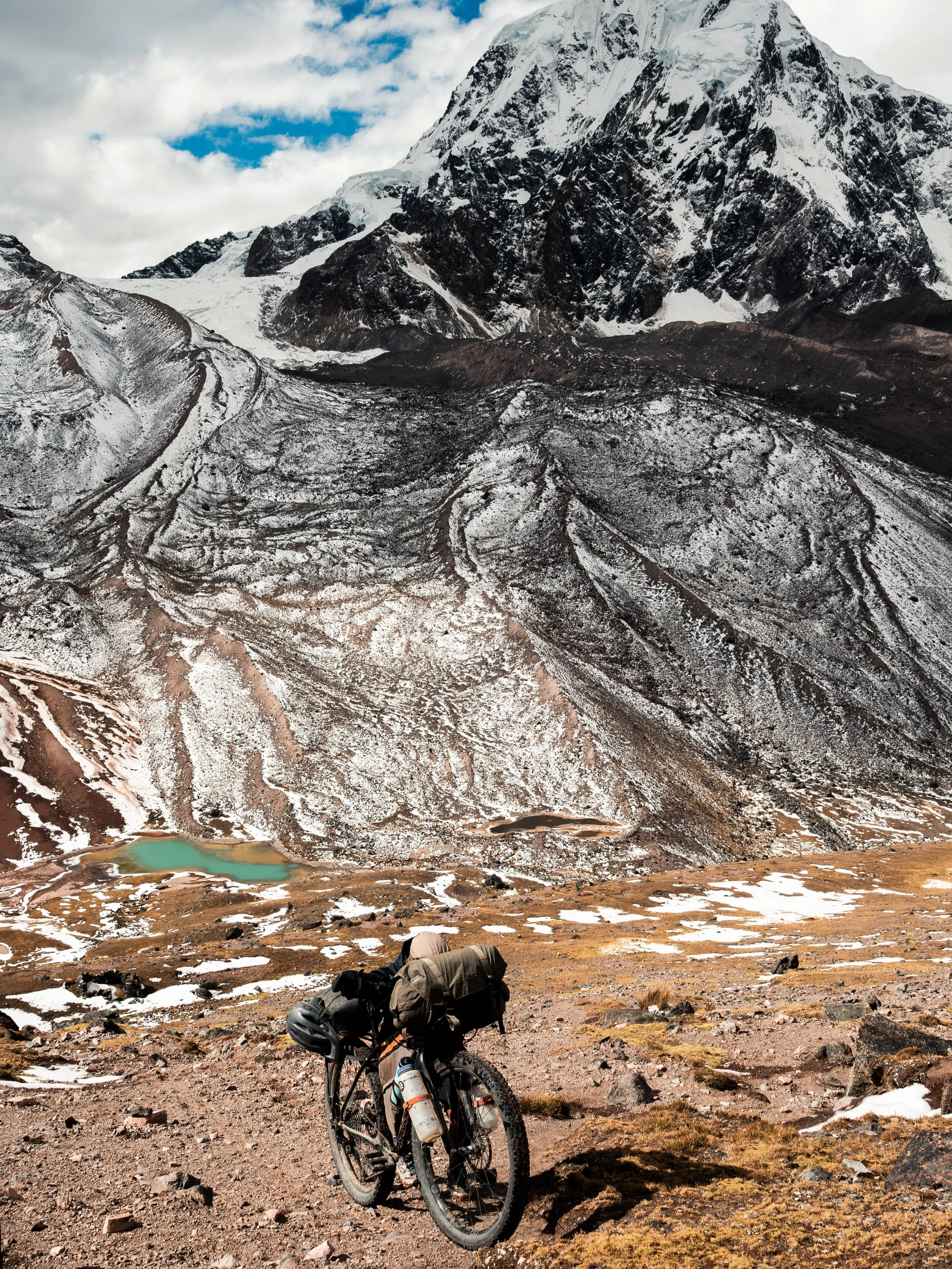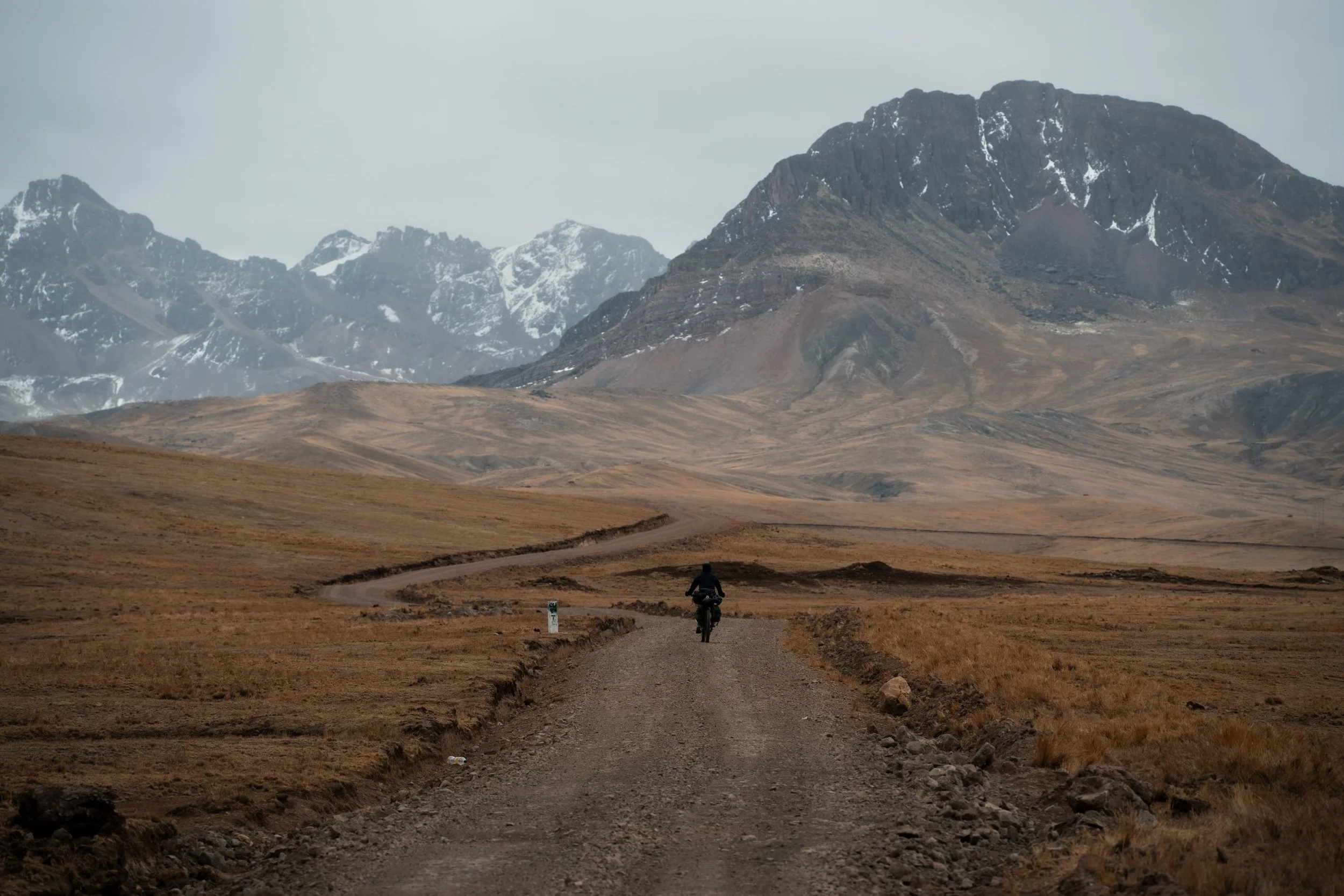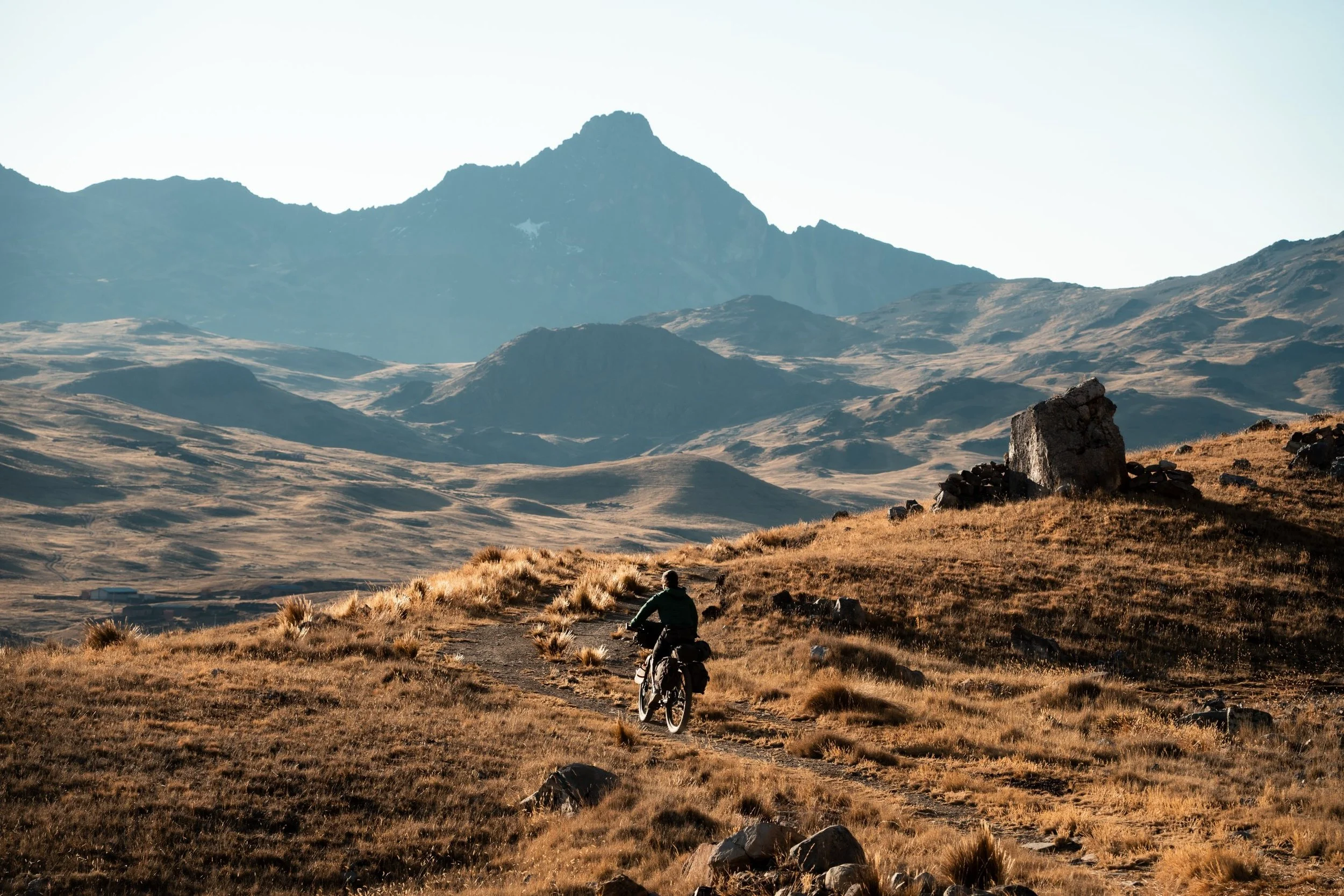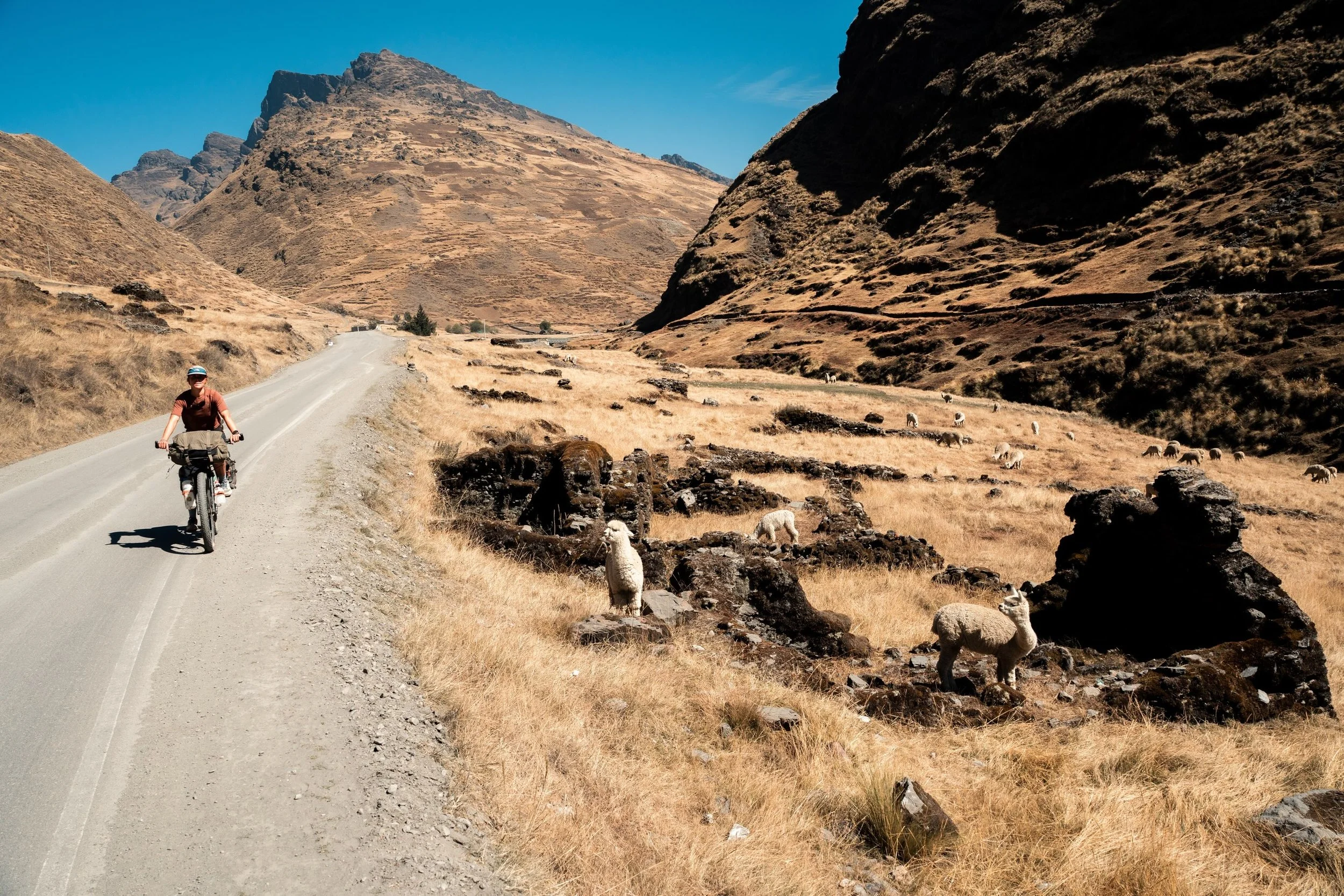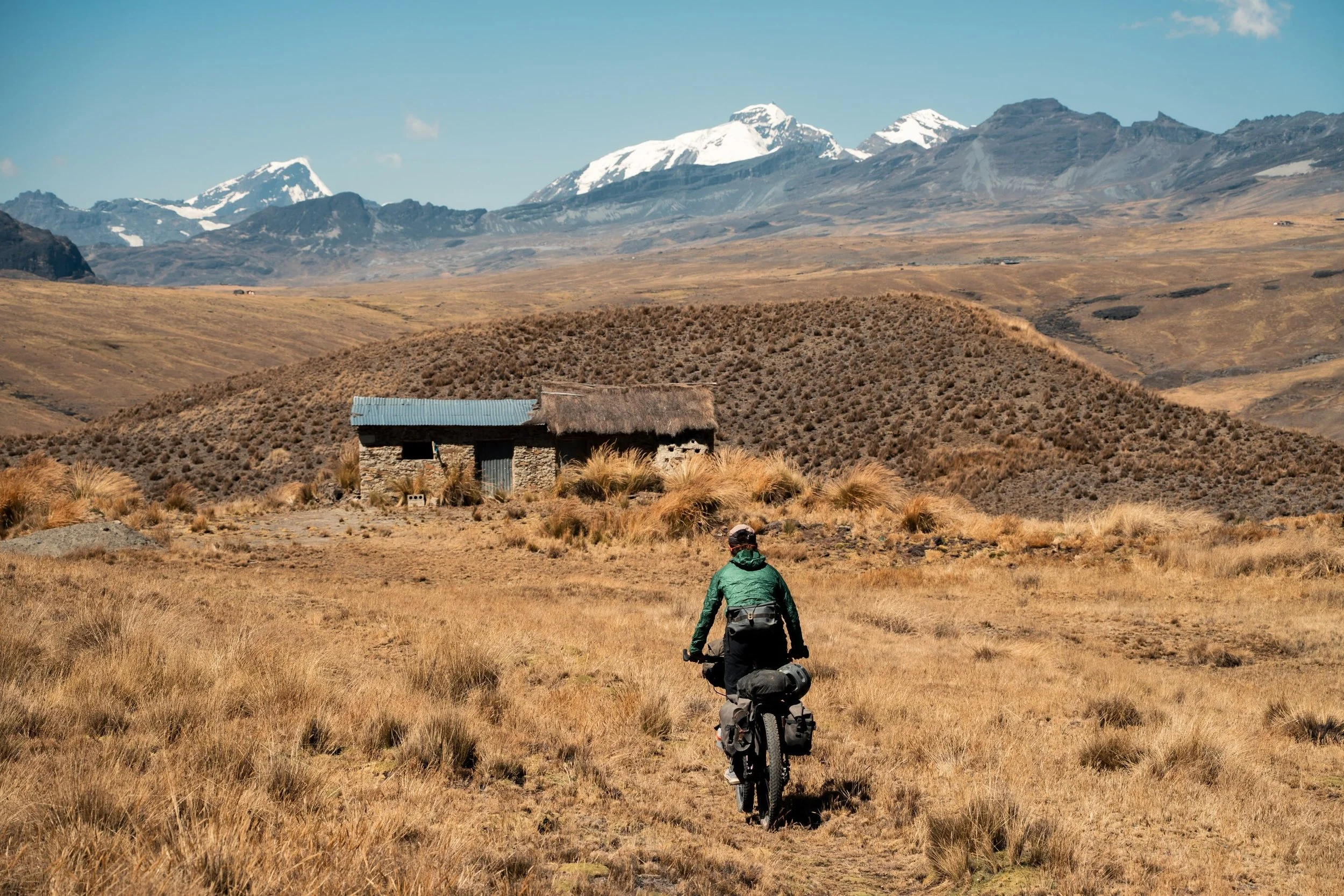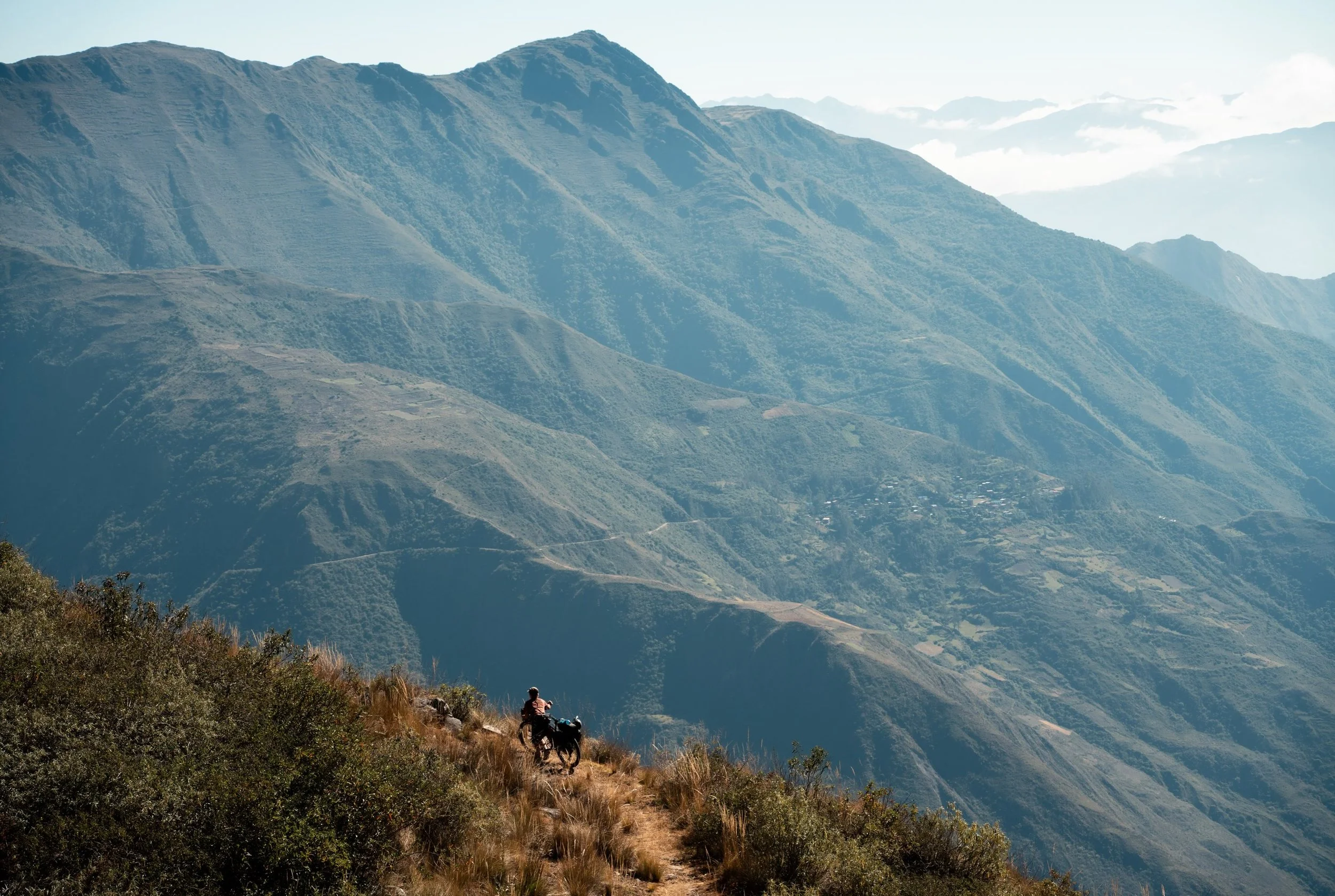
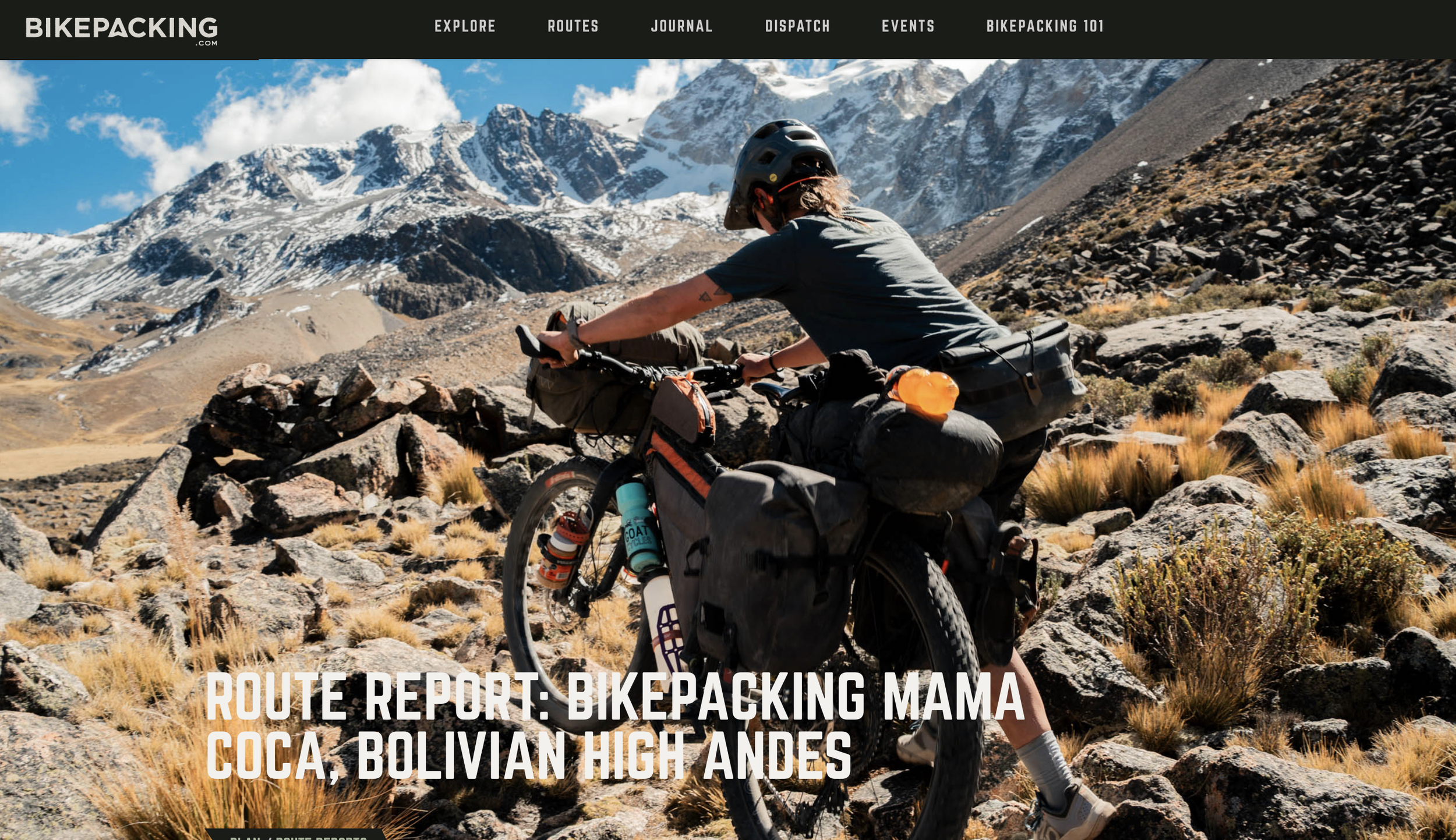
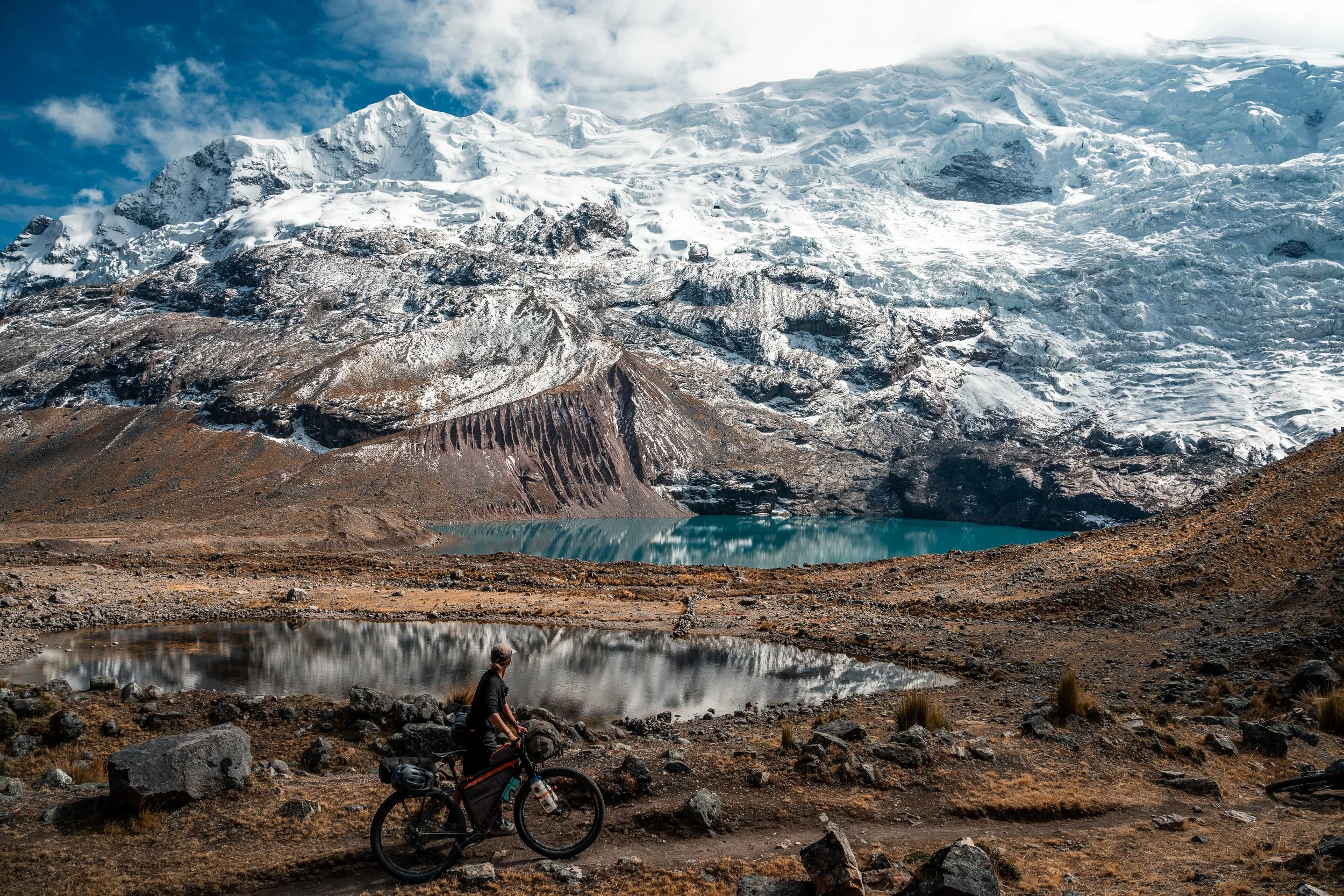
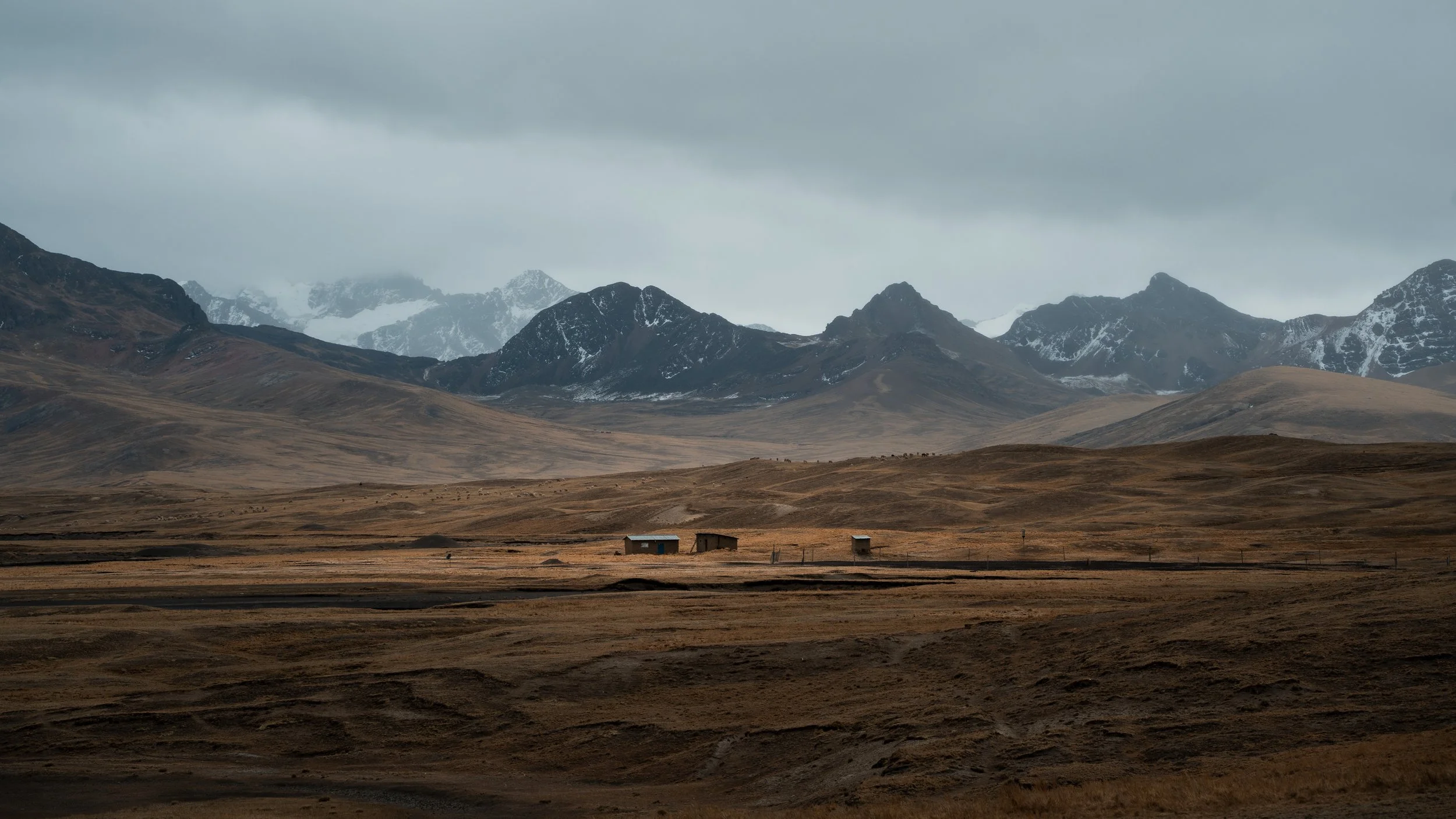
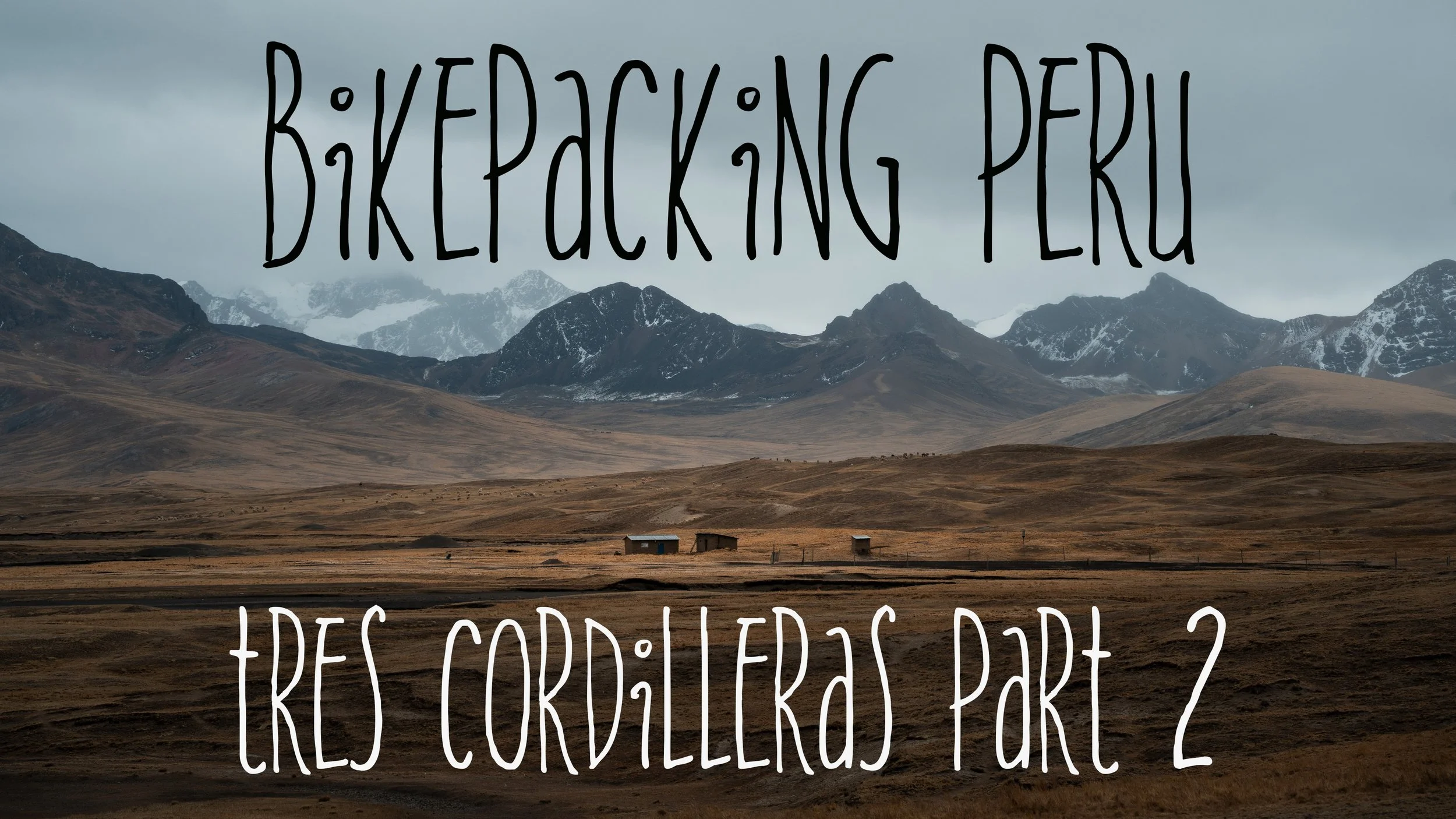
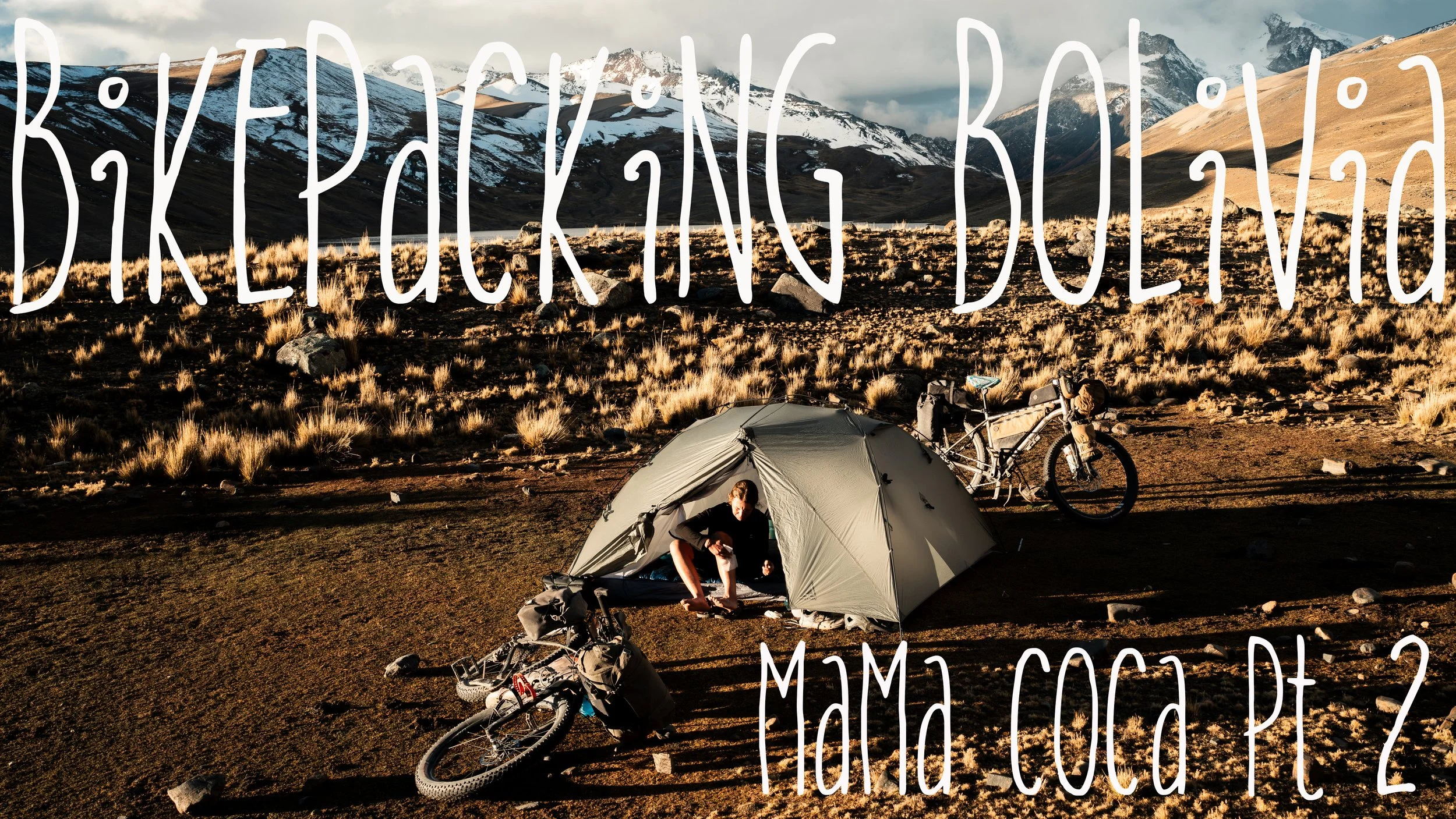
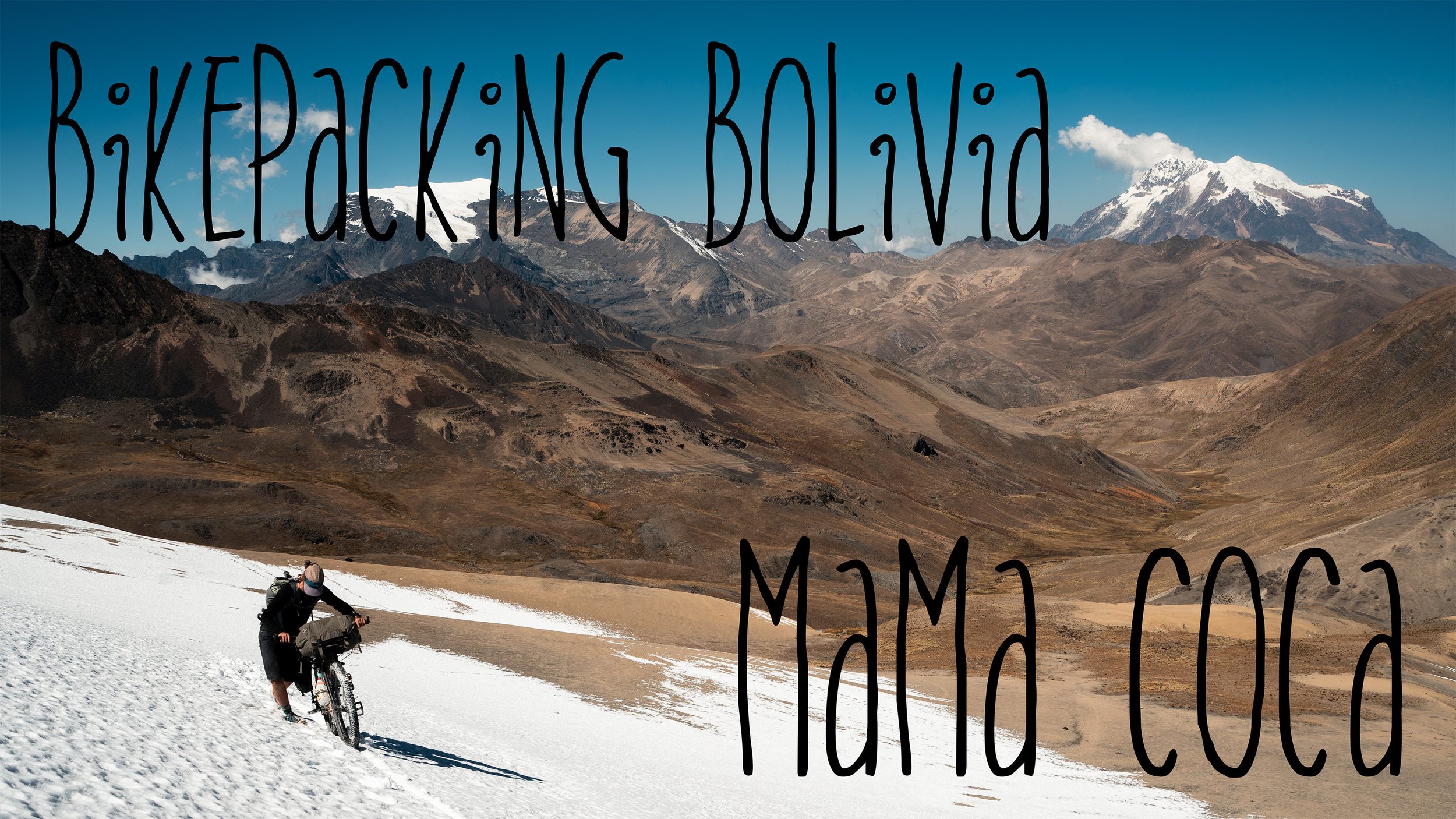
220km of desert, corrugations, and sub-freezing temperatures in the Bolivian altiplano. The riding was some of the worst of our lives, but the scenery nearly made up for it.
The next section of our journey was going to take us over the infamous Uyuni salt flats. The biggest, flattest place in the world, it is over 10,000km2 but varies by less than 1m in elevation overall. It is so flat, it is used to calibrate the altitude of satellites. This was a section about discomfort and perseverance, especially for two people who avoid cycling flat roads whenever possible.
The Ruta de Las Vicuñas in northern Chile would take us through the Lauca and Vulcan Isluga national parks, as well as the Vicuñas national reserve and Salar de Surire. Sand, salt flats, vicuñas, flamingos, hot pools, and abandoned villages.
After a few days letting our legs recover in La Paz, our next goal was to get to Sajama (Bolivia’s tallest mountain at 6542m) and the border with Chile, to begin the Ruta de Las Vicuñas. Having no information on this route, we expected mostly flat, uninteresting terrain with a few small villages; little did we expect to find Bolivias oldest church, constantly changing landscapes, and a complete dearth of food.
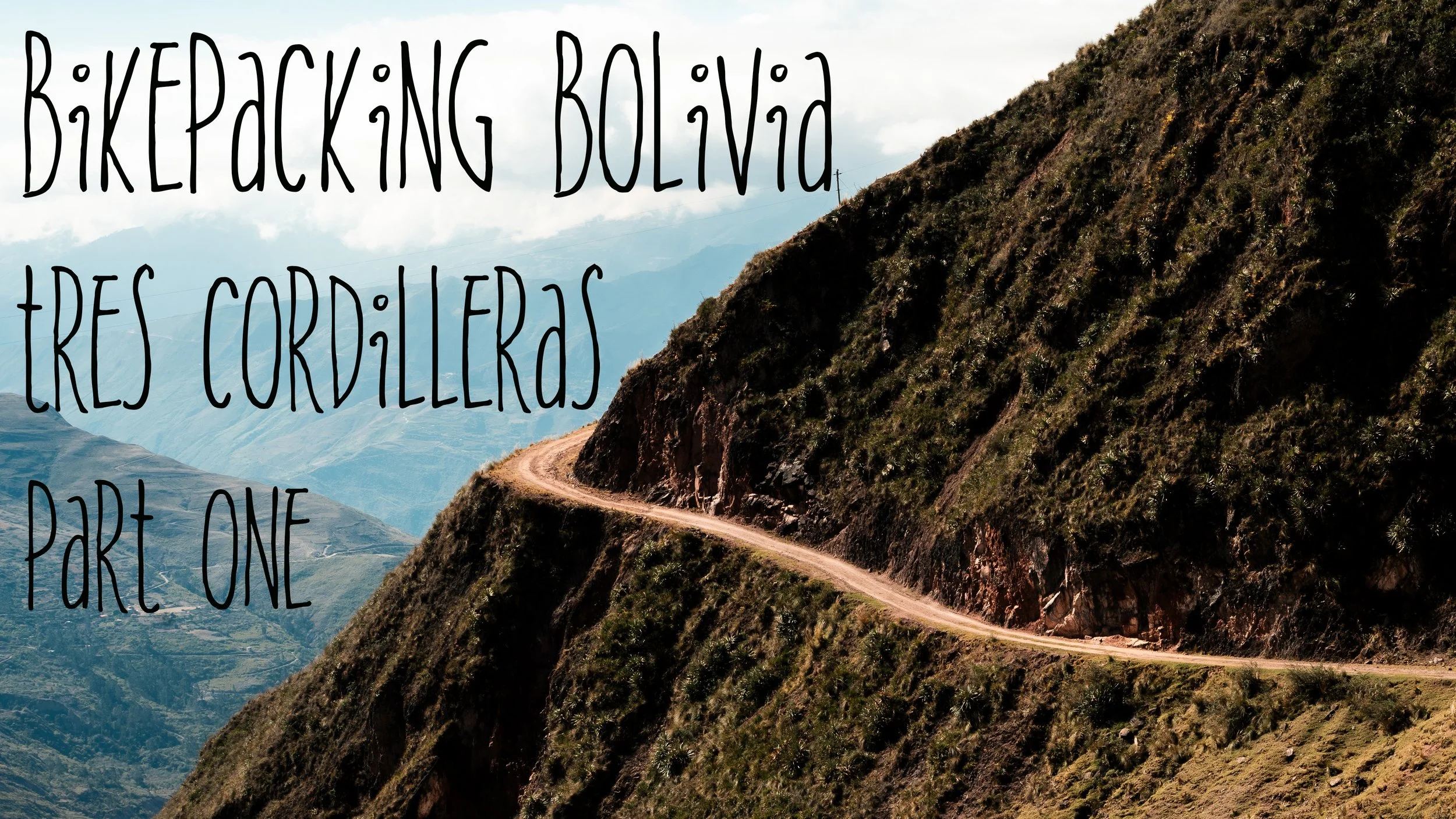
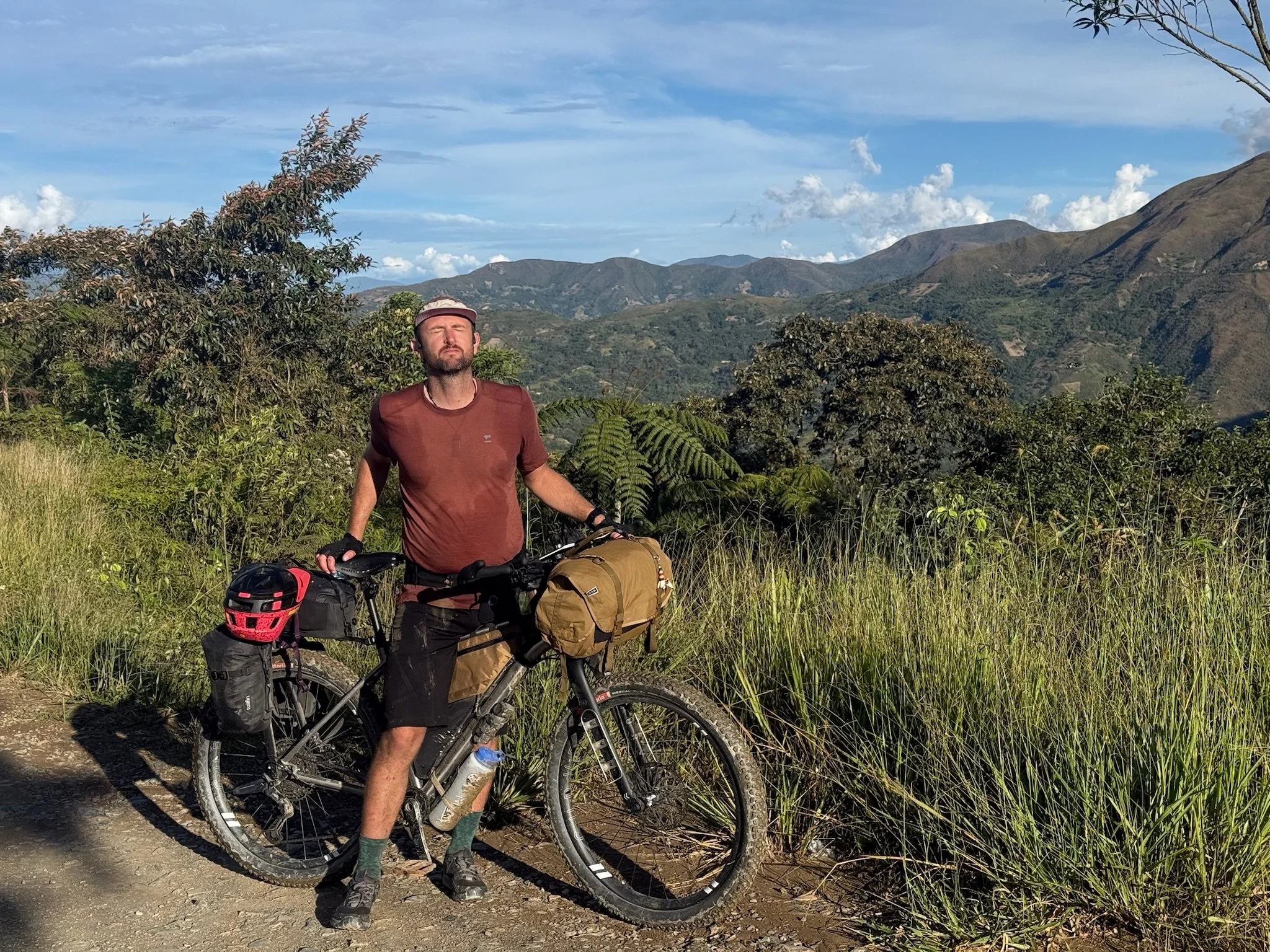
Gasping with altitude upon arriving in La Paz, we used a short loop into the Yungas region of Bolivia to get our lungs and legs into shape. This took us from the Andes and La Cumbre pass down the notorious Death Road to the Yungas region, the tropical region sandwiched between the eastern slopes of the Andes and the Amazon basin. Small villages were separated by short, sharp climbs; humidity and heat were stifling.
Vlog about Salars de Uyuni and Coipasa.. They’re flat, but there’s also plenty of sand.
Showcasing Michael Jordan’s photography, and documenting bikepacking travels with Lauren Raywood.