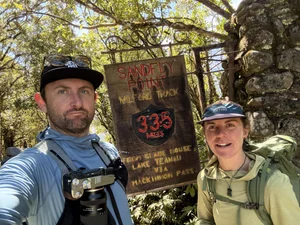
Ausangate, Peru
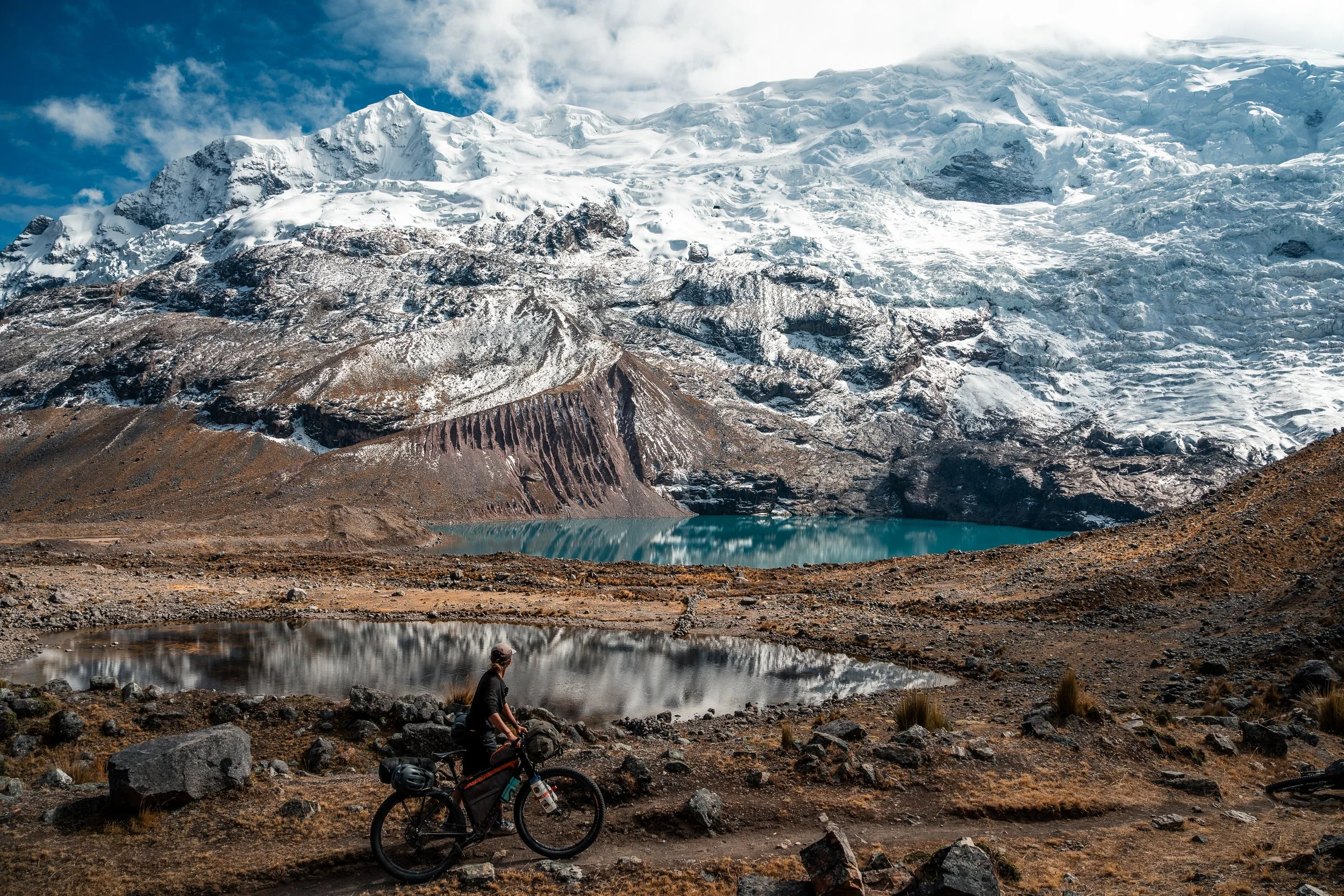
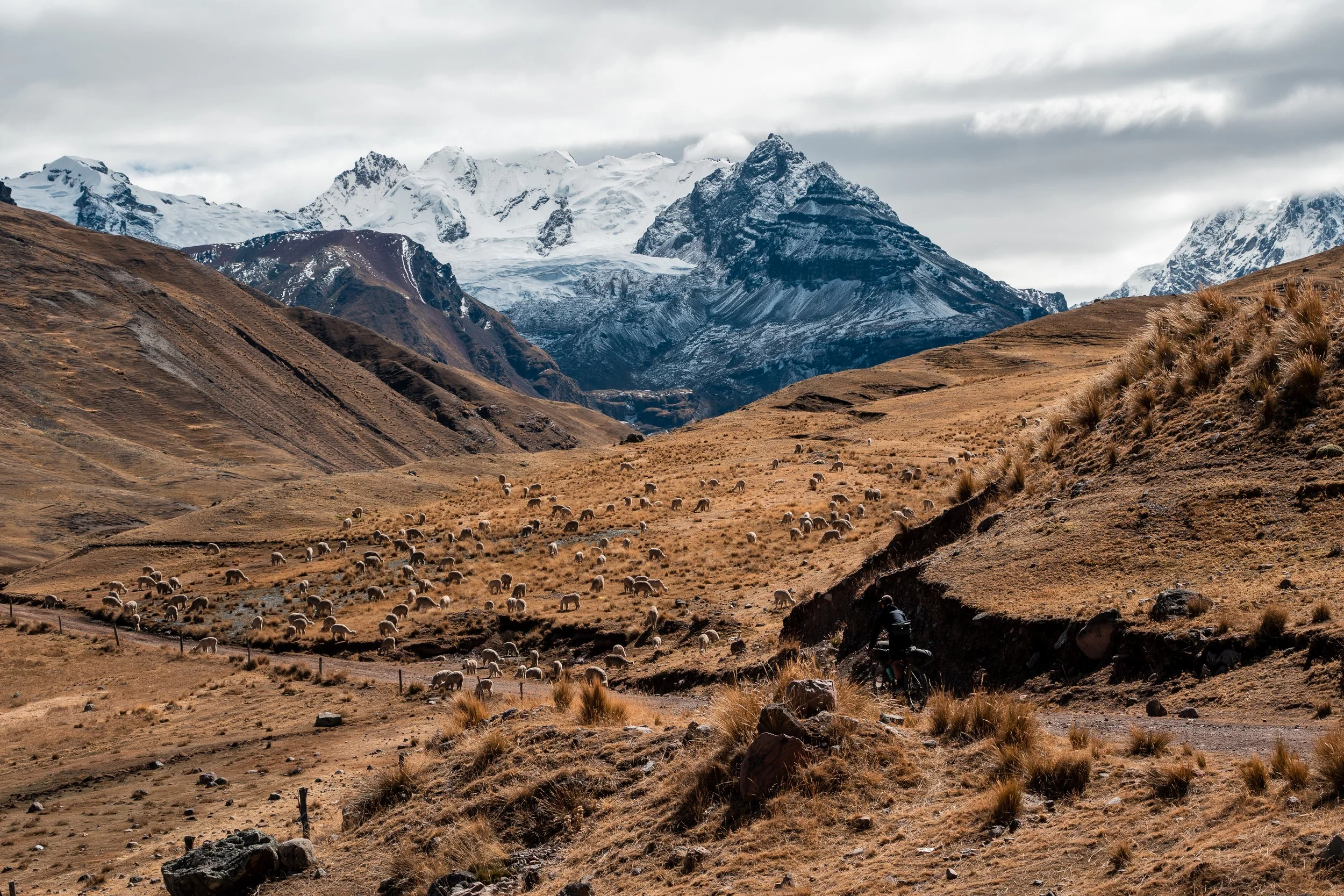
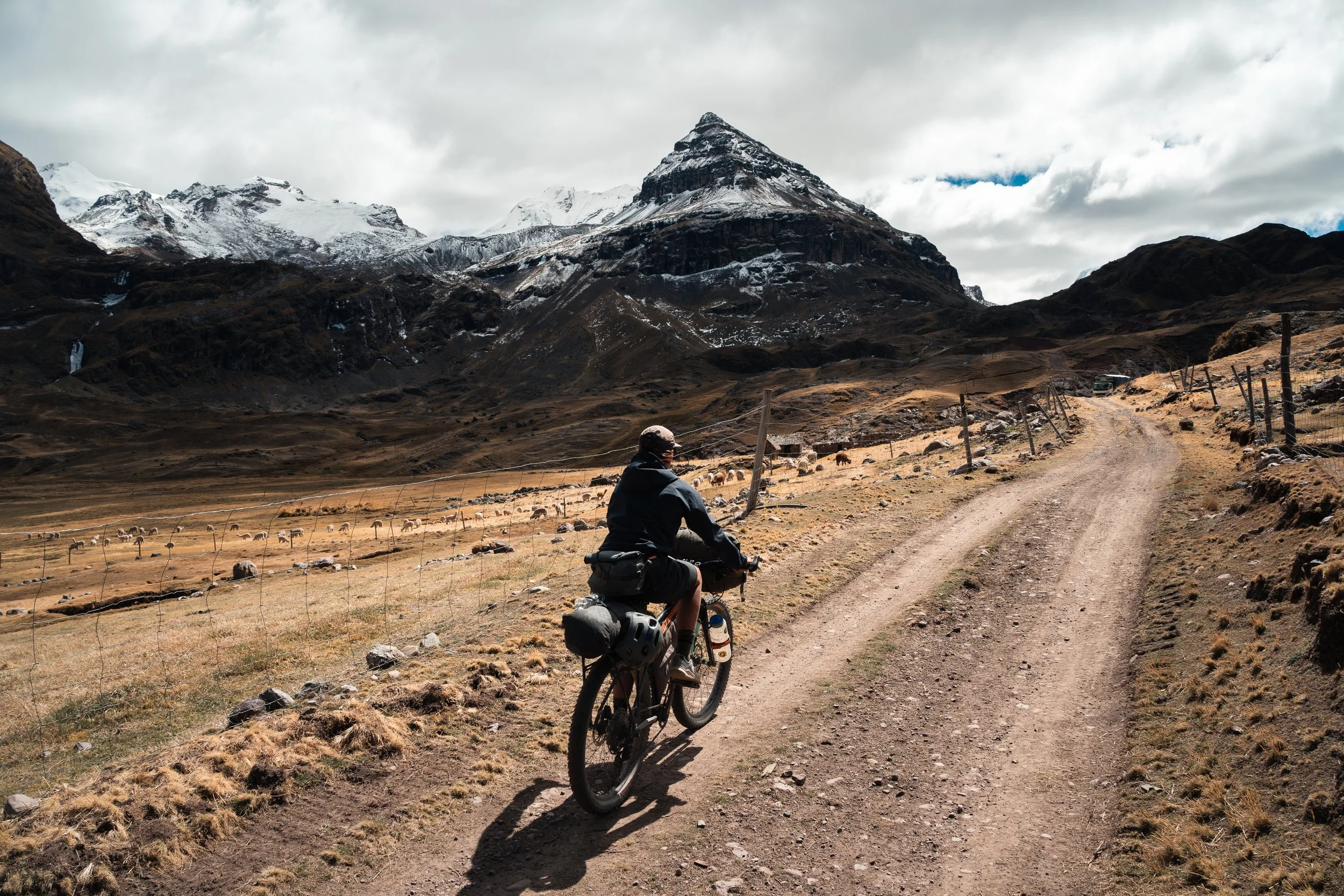
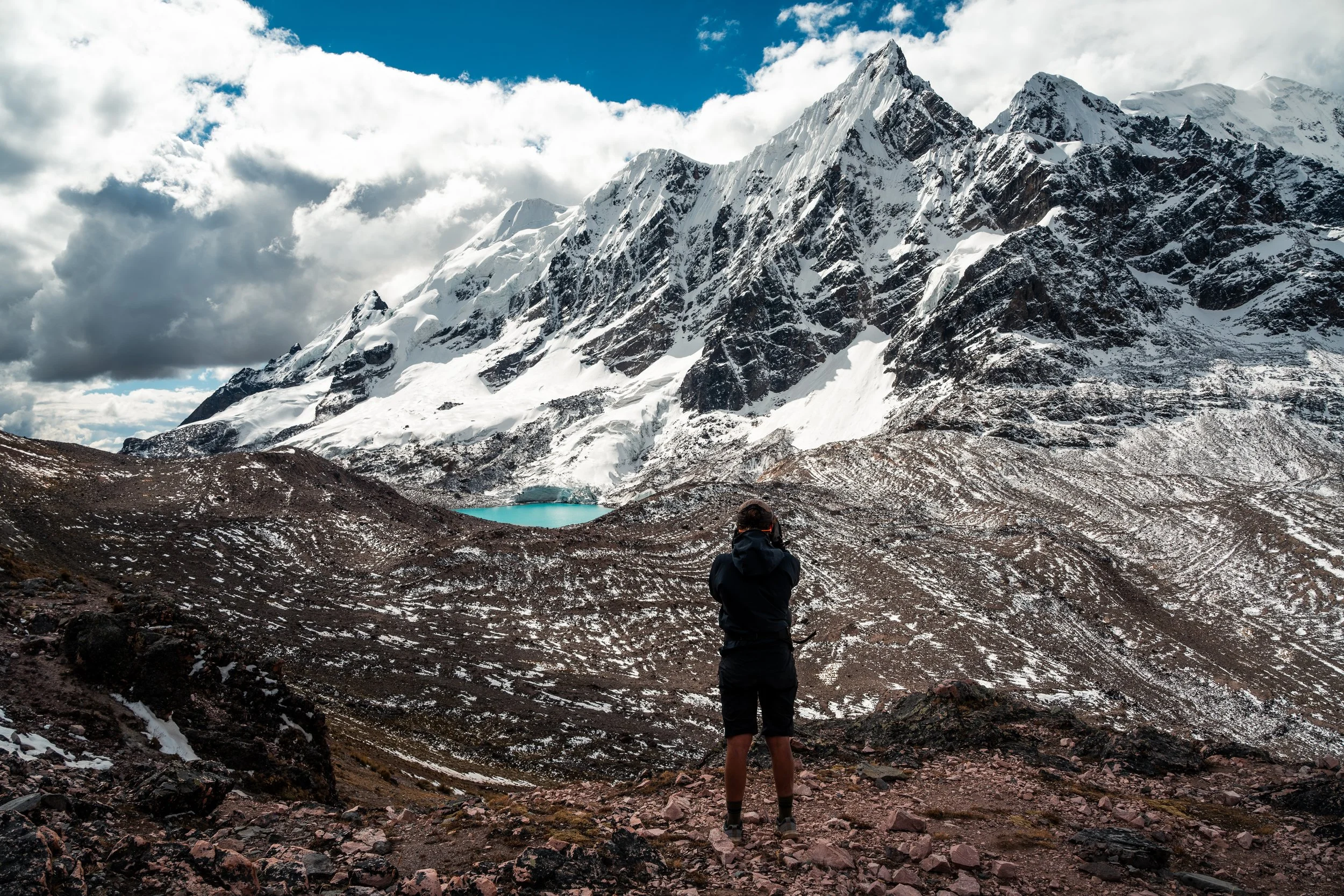
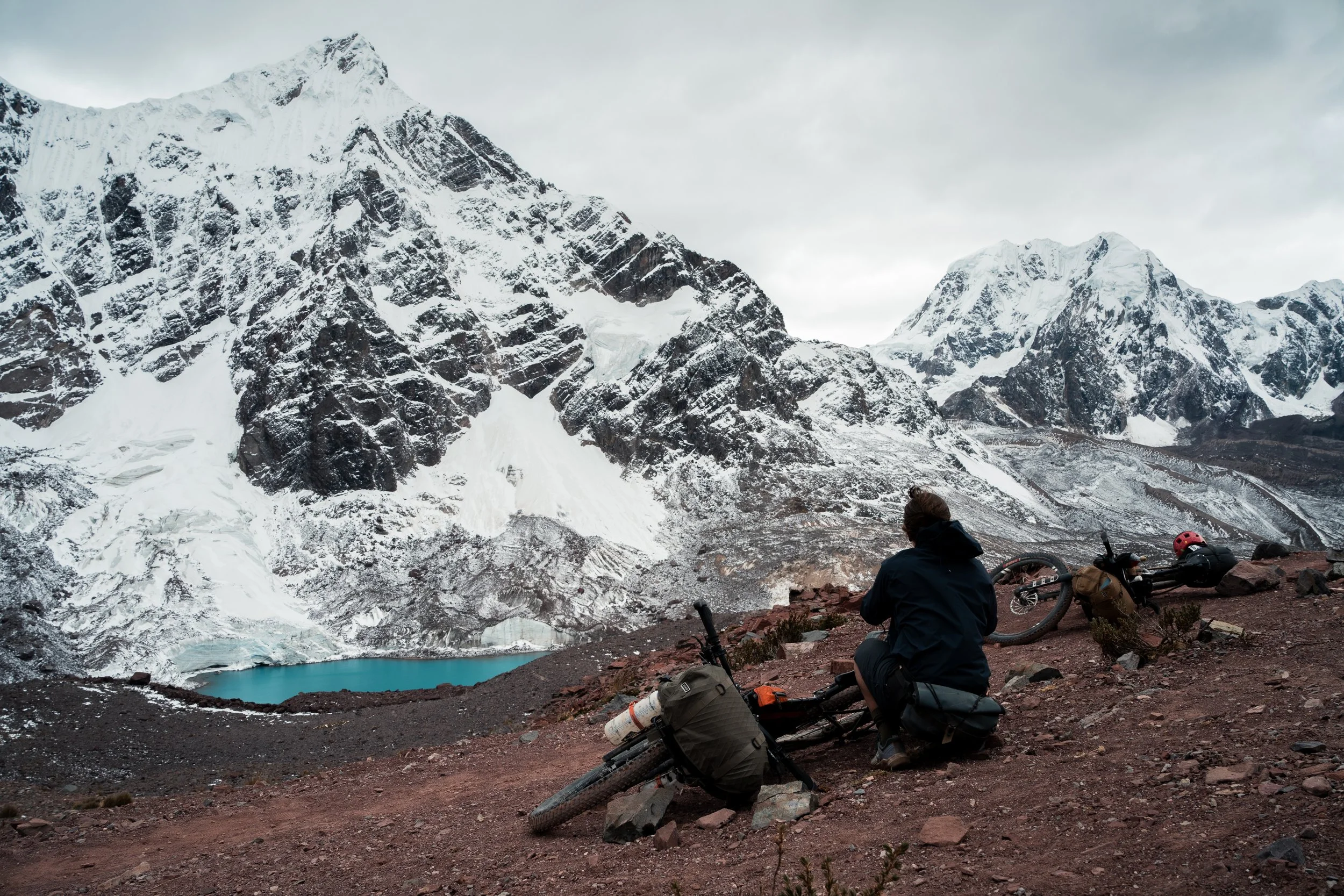
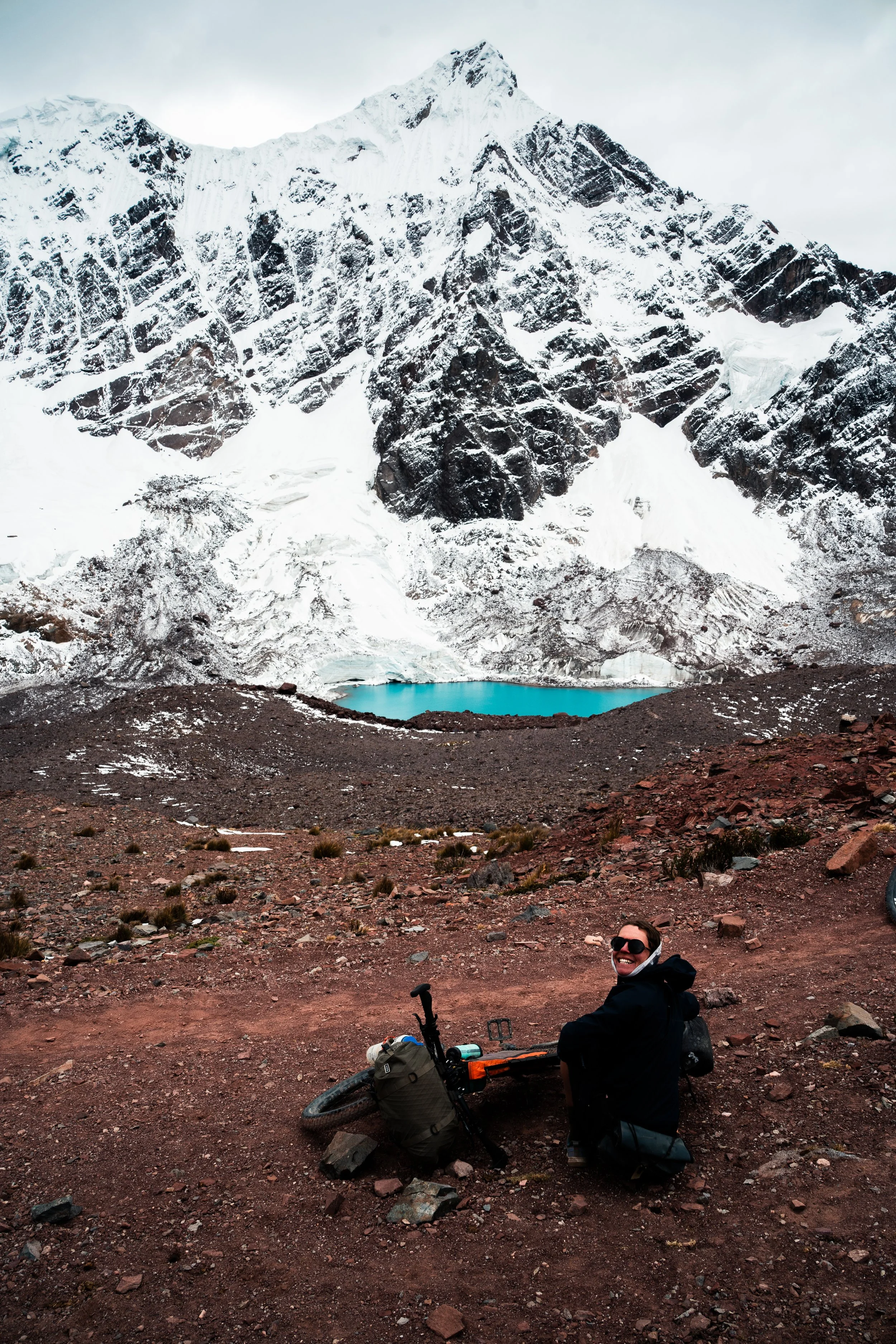
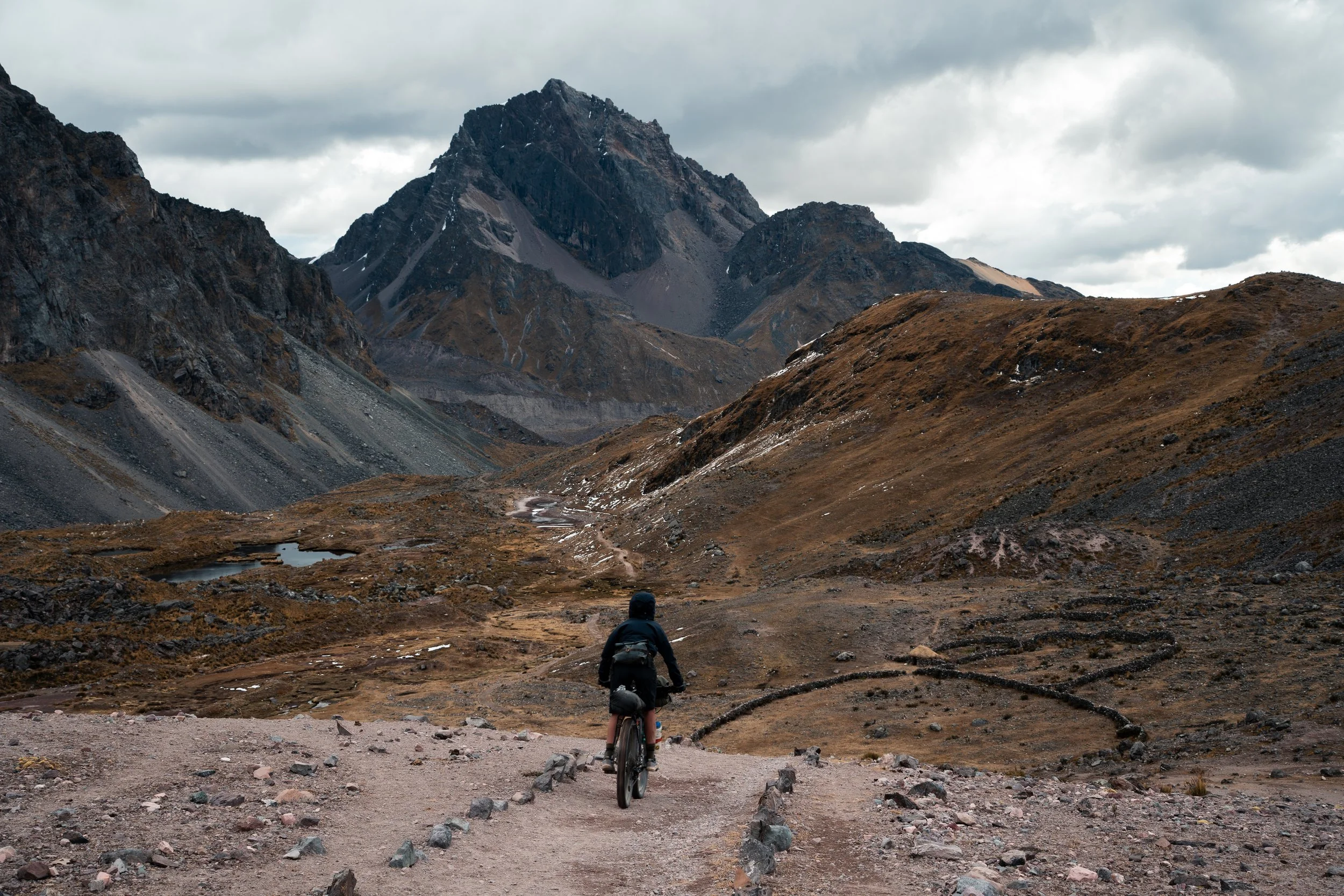
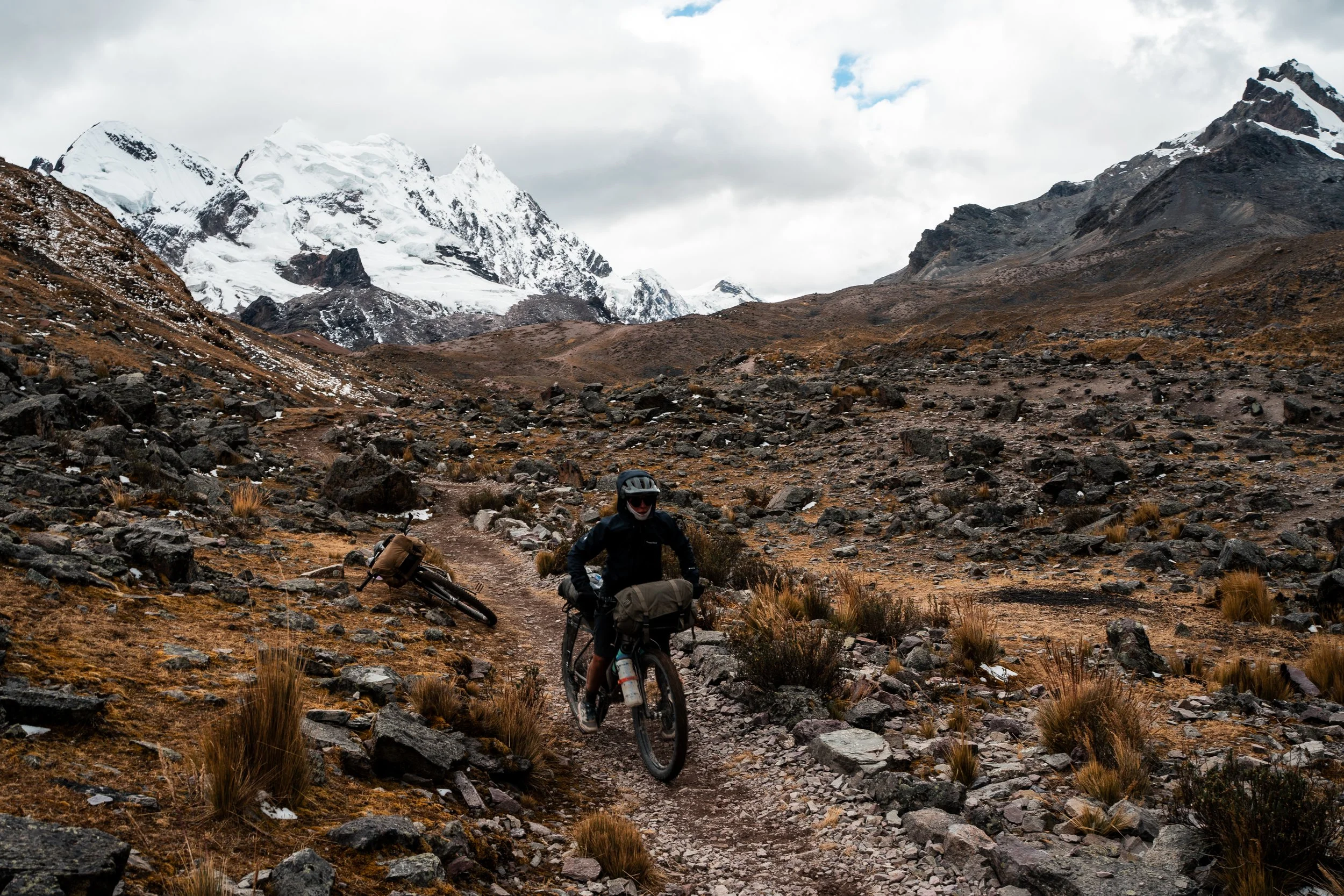
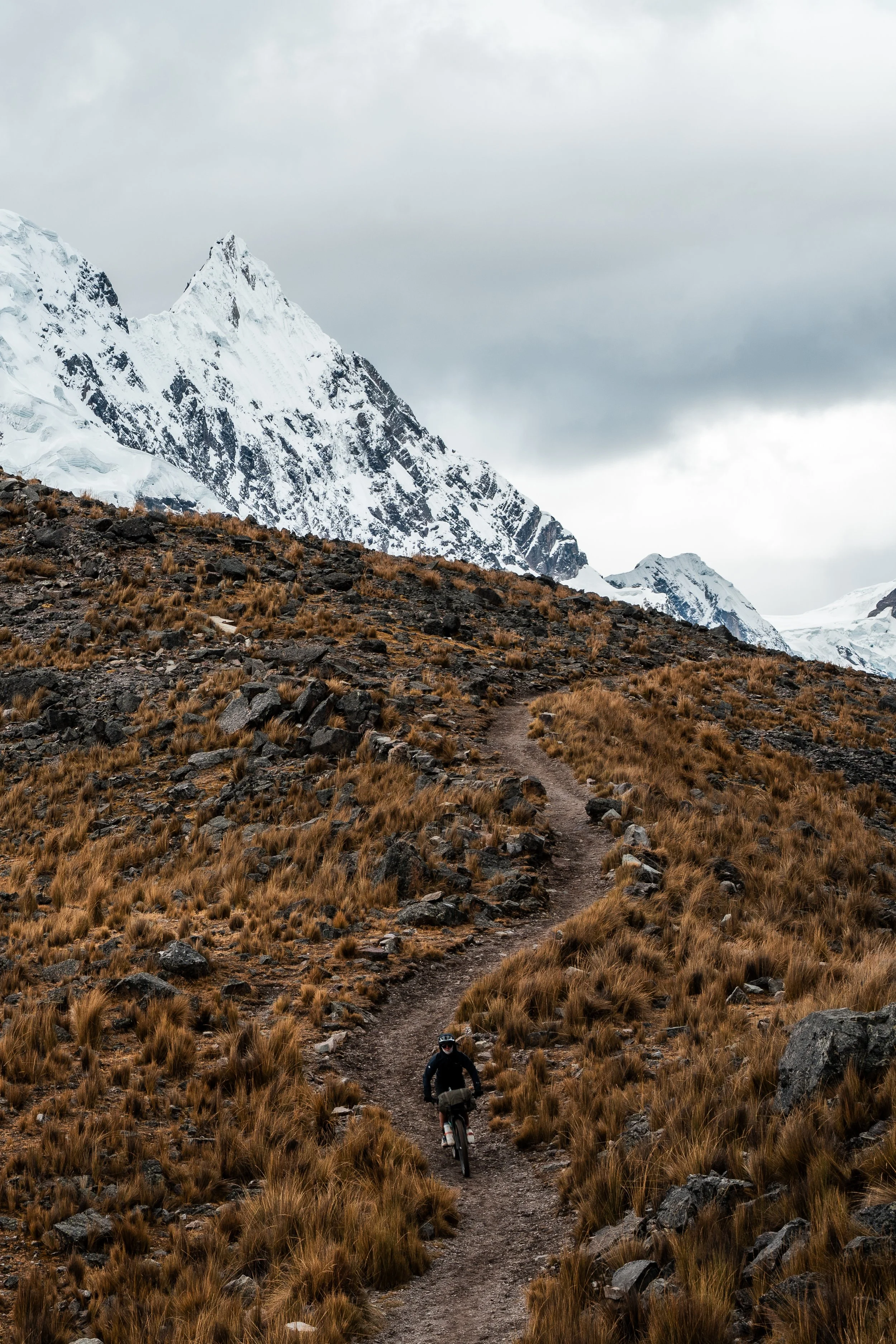
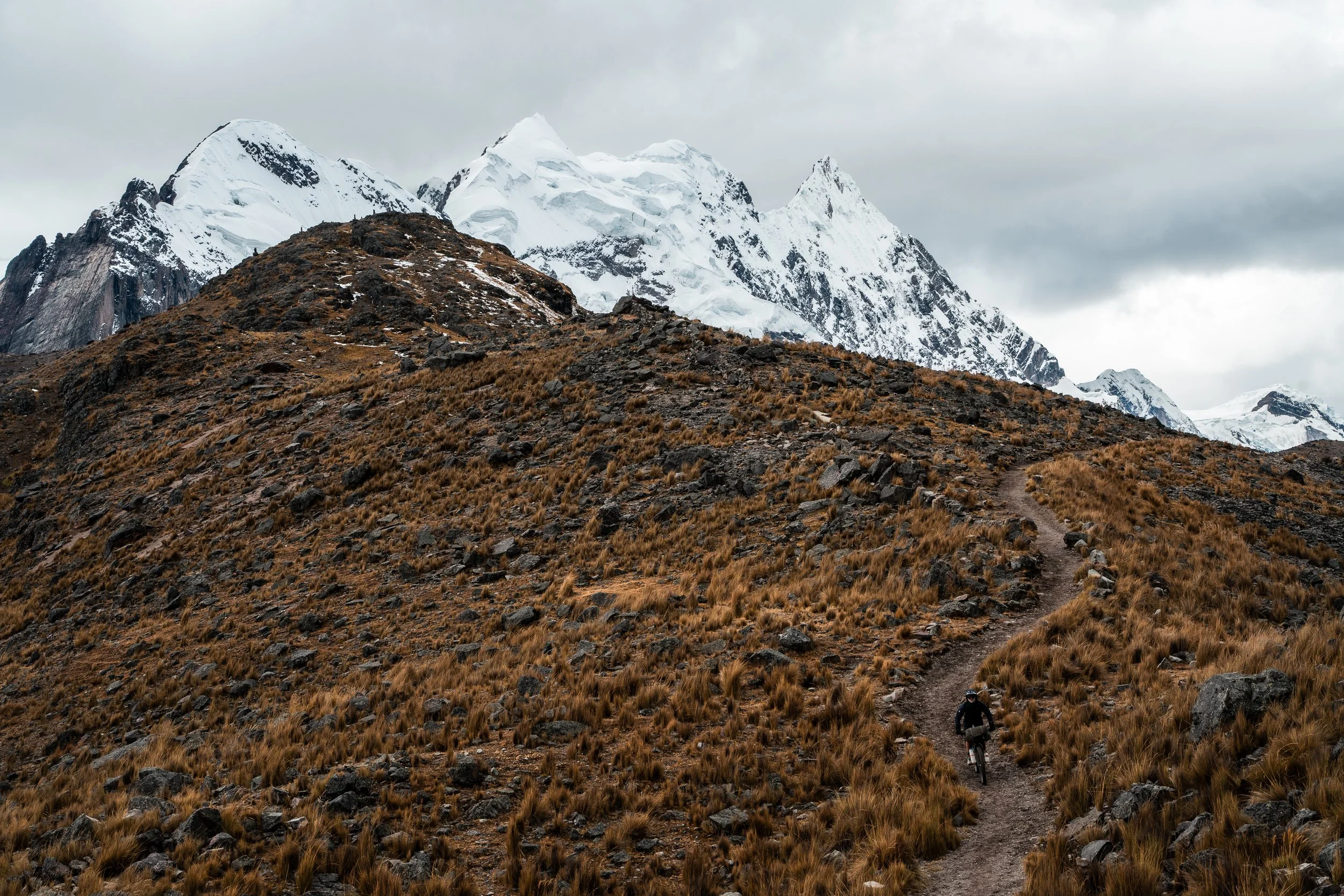
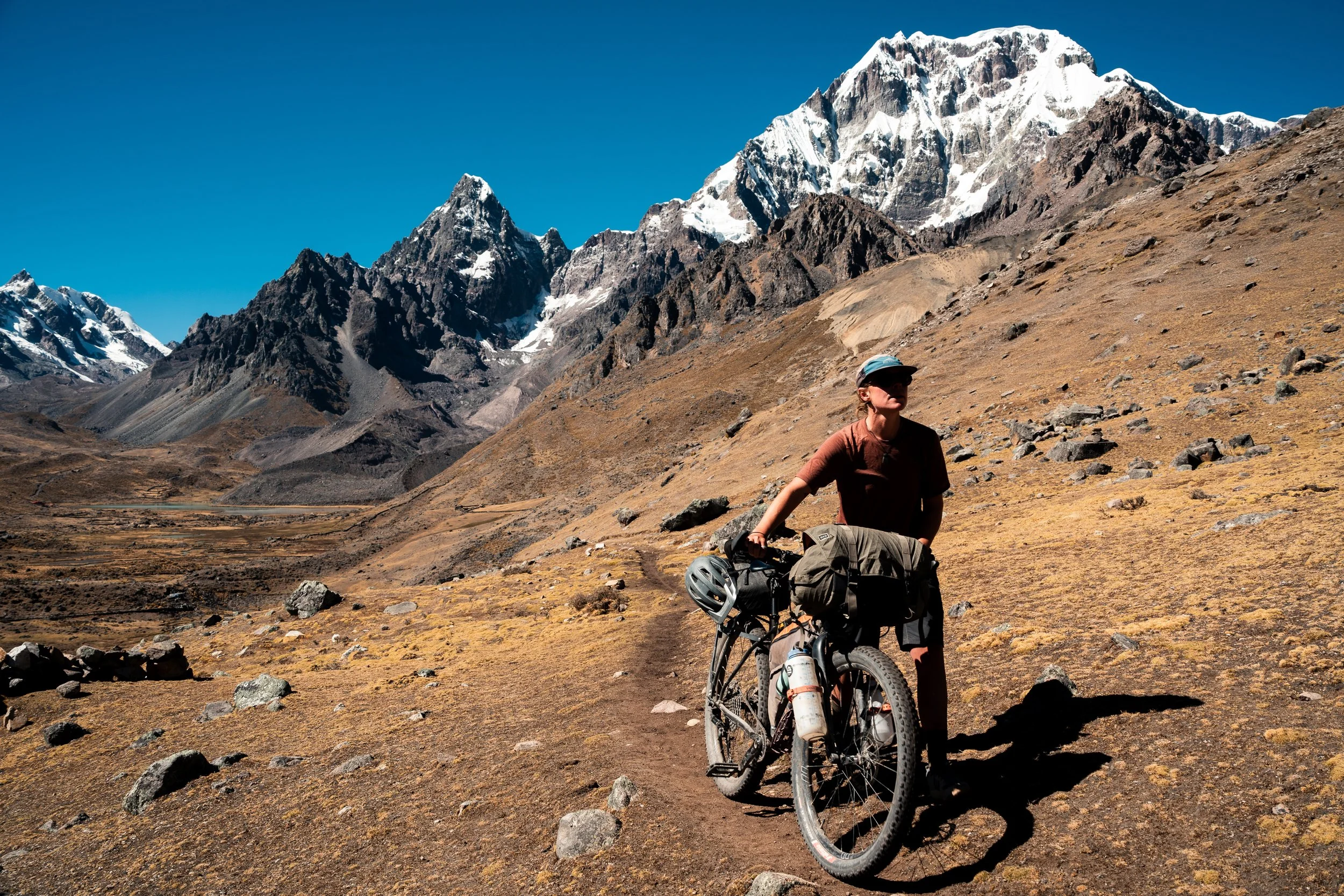
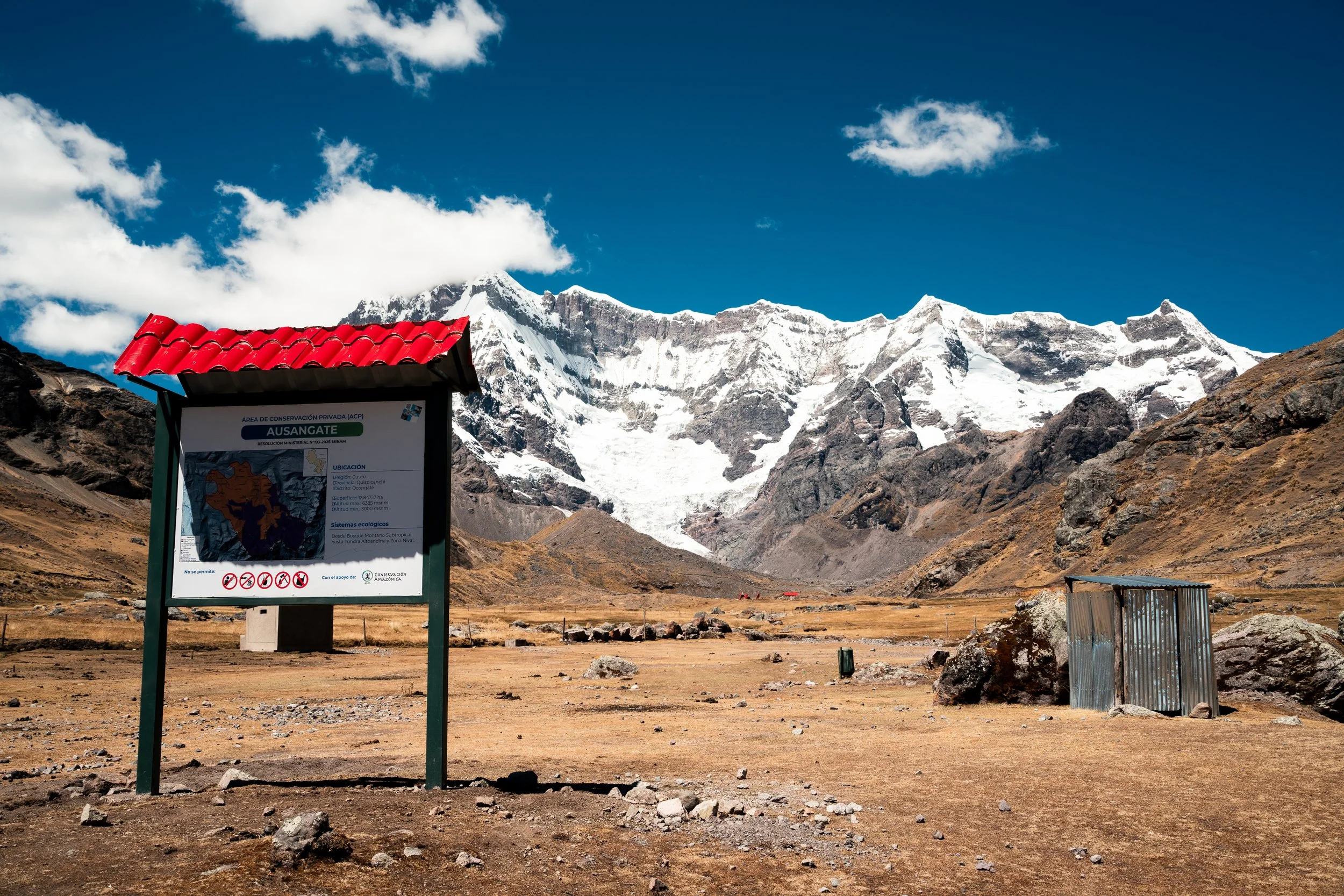
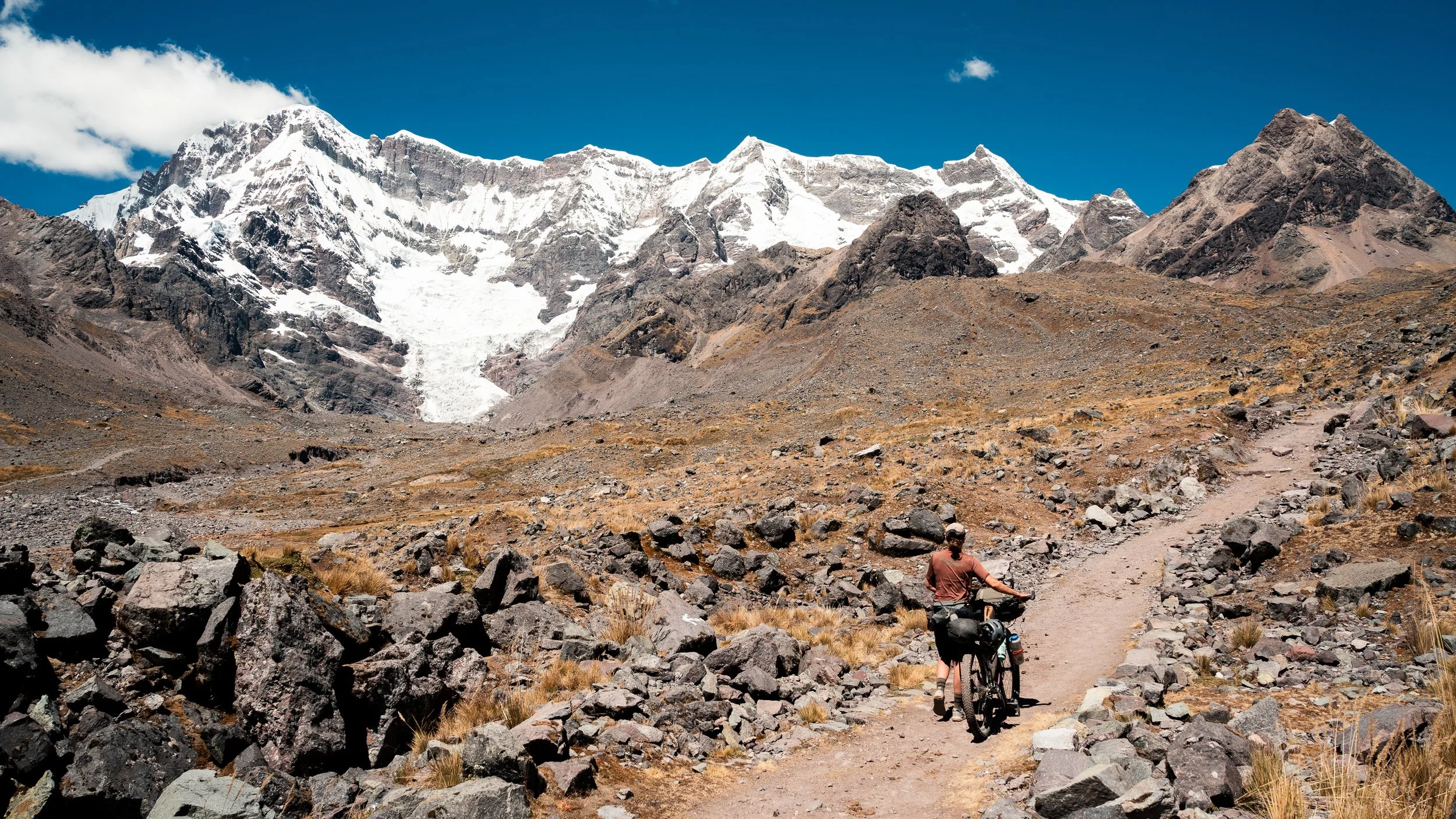
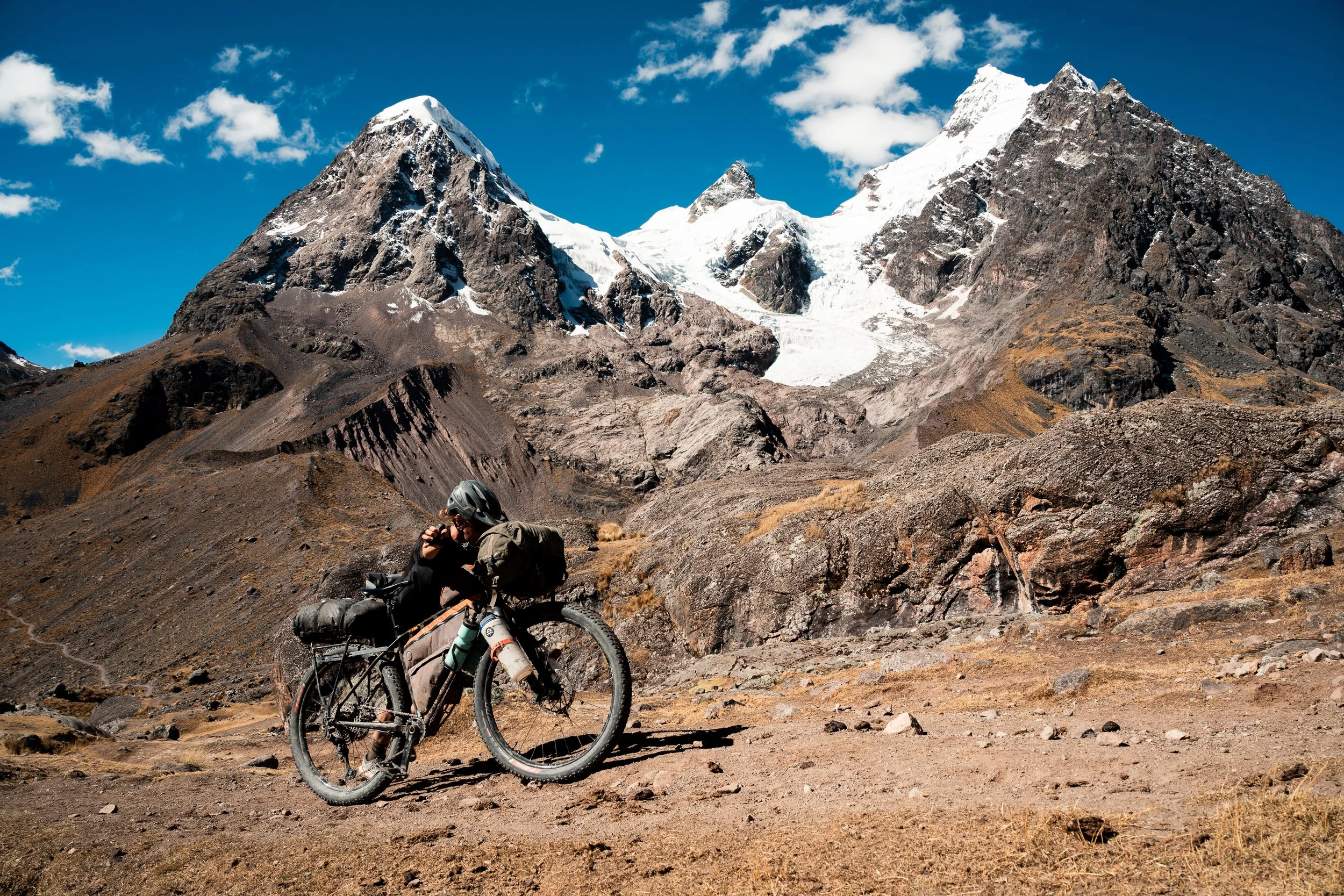
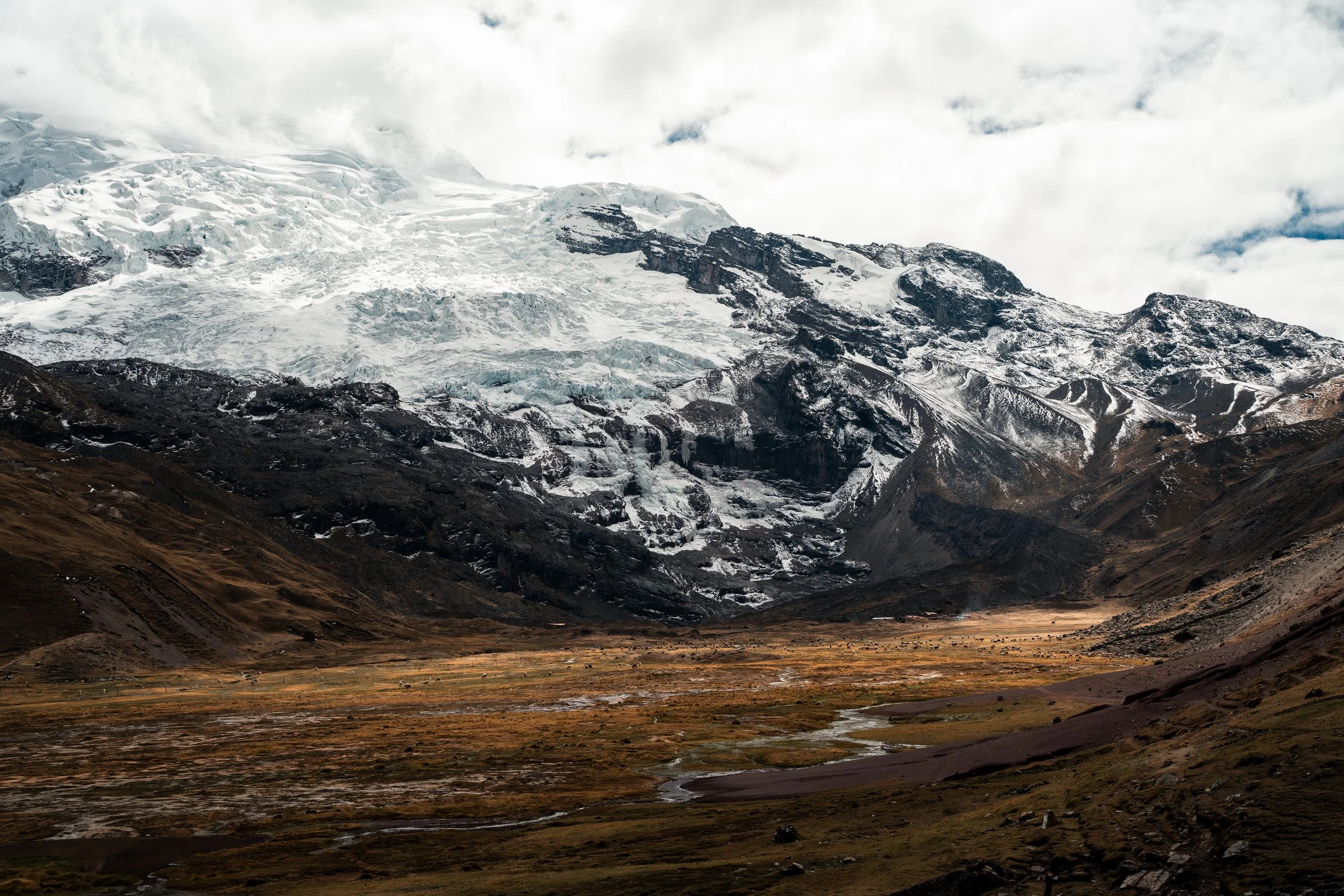
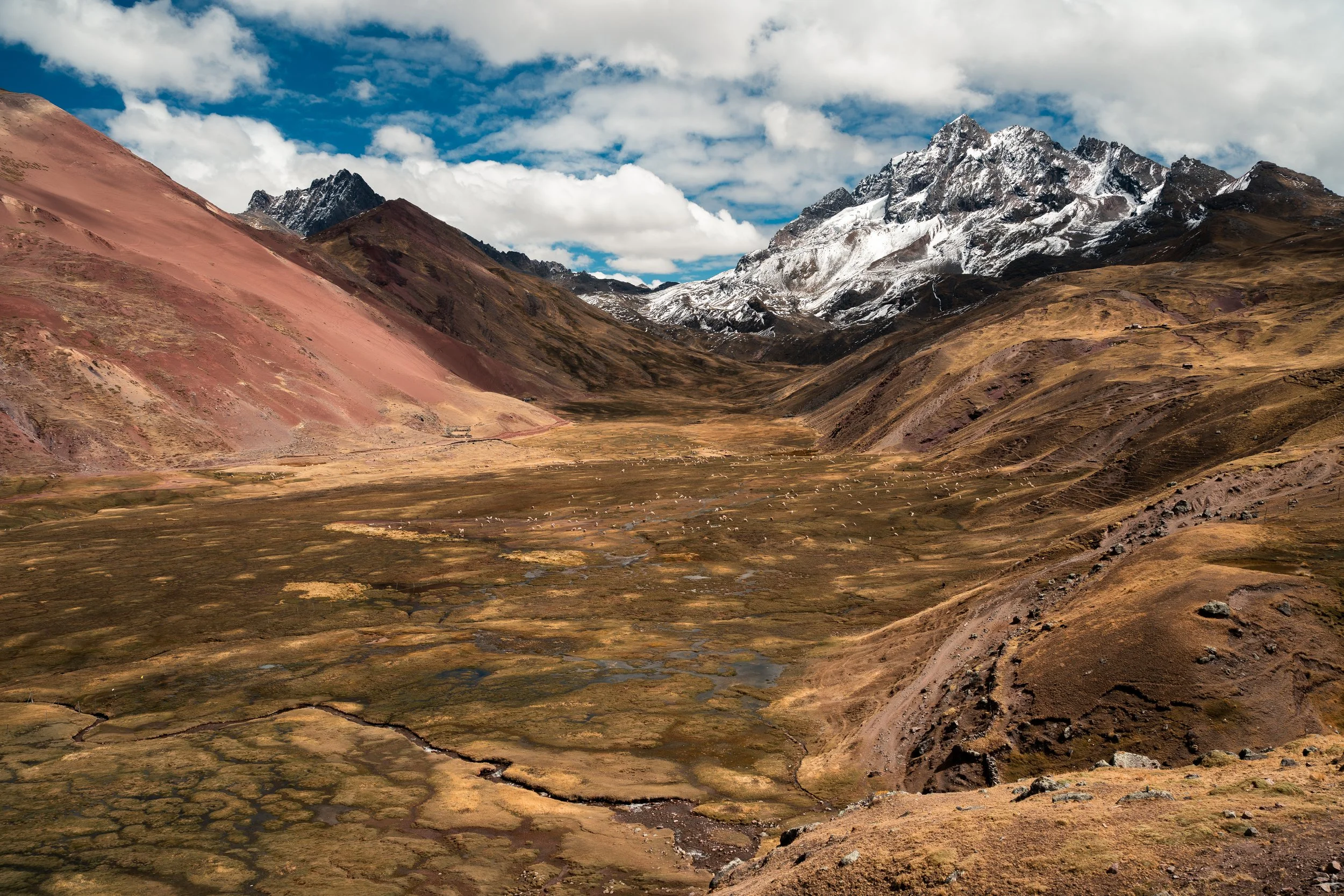
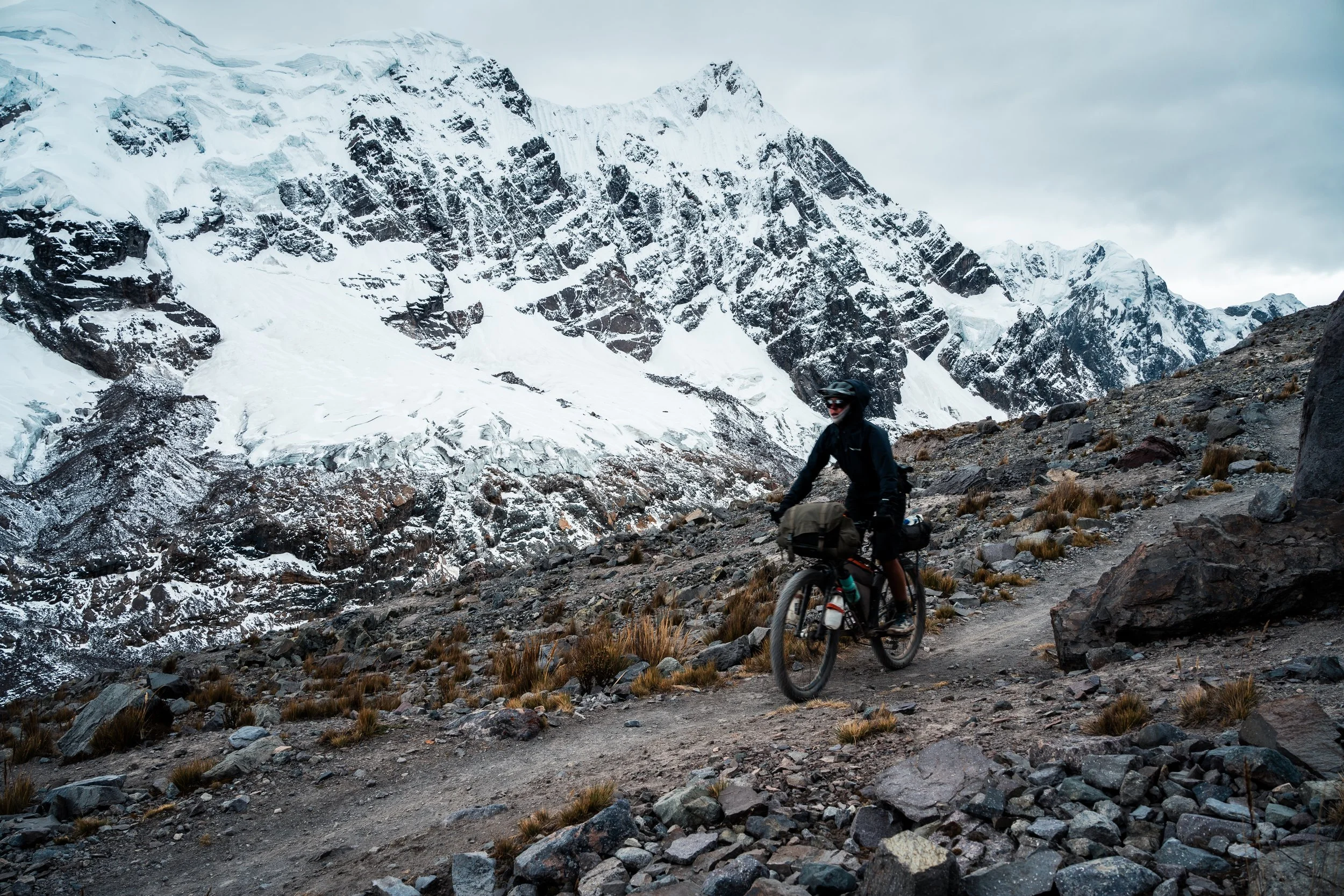
Ausangate is a 6384m mountain in the southern Peruvian Andes, and its flanks are home to some of Perus best hiking trails. Fortunately, they also make excellent biking trails, and our two nights here were the highlight of our trip so far. This post will be relatively short, as the cycling was good, and the photos tell the real story.
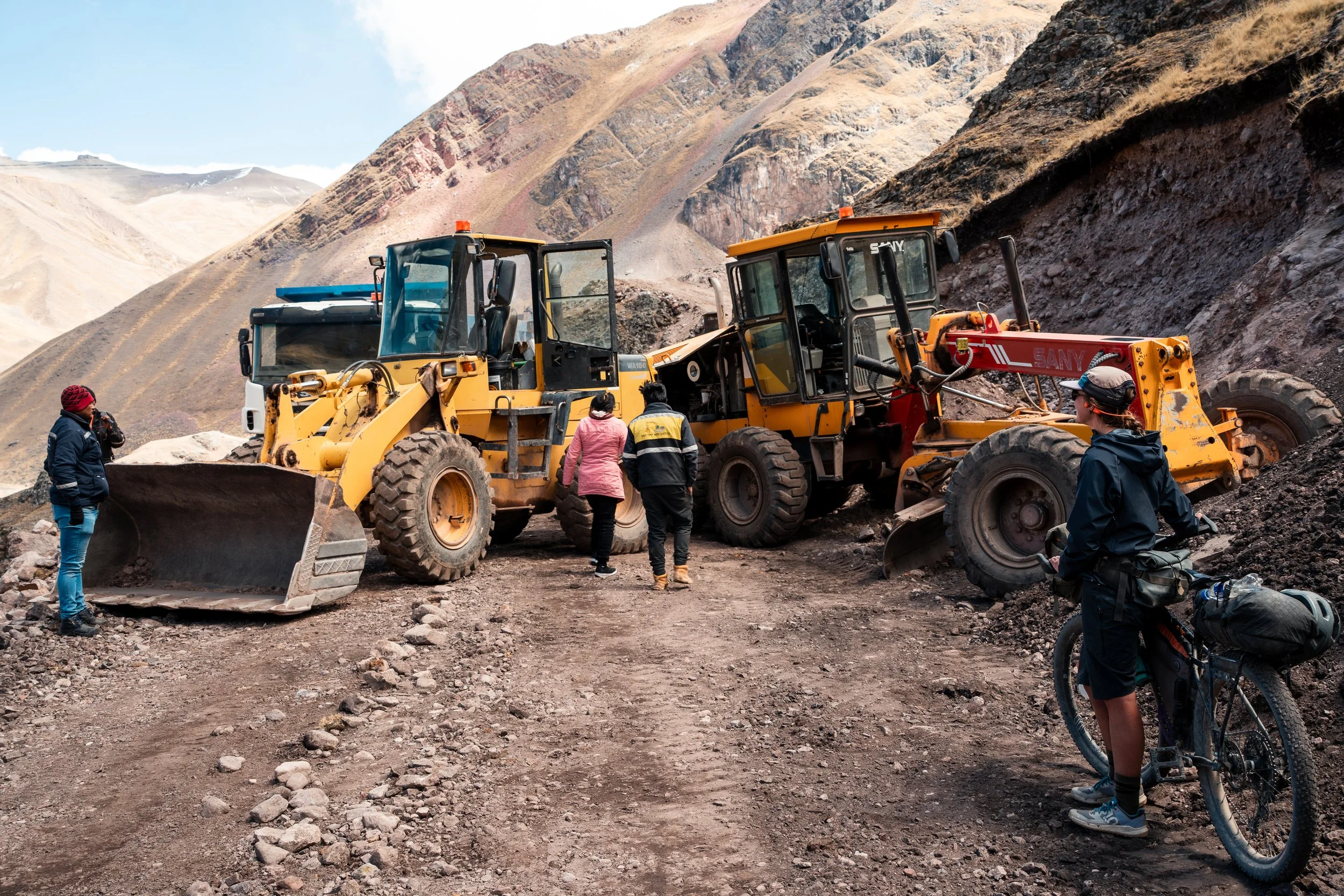
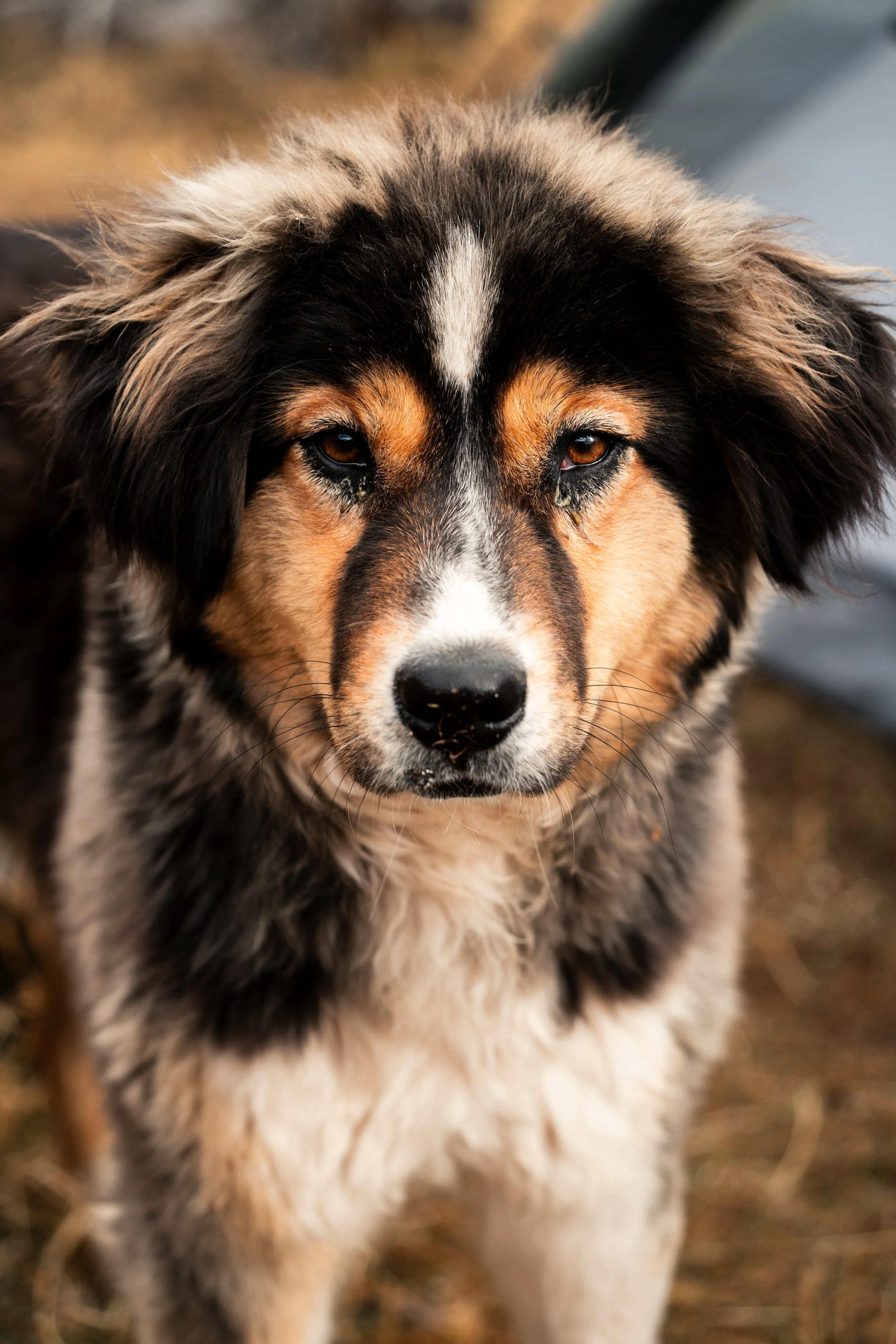
We left our panniers and a load of gear at our hostel in Chilca to make the bikes easier to push over the passes, and headed north. Doing the circuit anticlockwise is recommended, and we could easily see why. A dirt road, still partially under construction, took us most of the way up the first valley. Here we encountered the only aggressive dog so far in Peru, who came sprinting out of his farm, teeth bared, straight for us. His owner, clearly the boss, calmly said two words quietly and he continued straight on past us down into the field on the other side of the road, tail between his legs. She wandered out and said hi, and the dog did not want to come back anywhere near us.
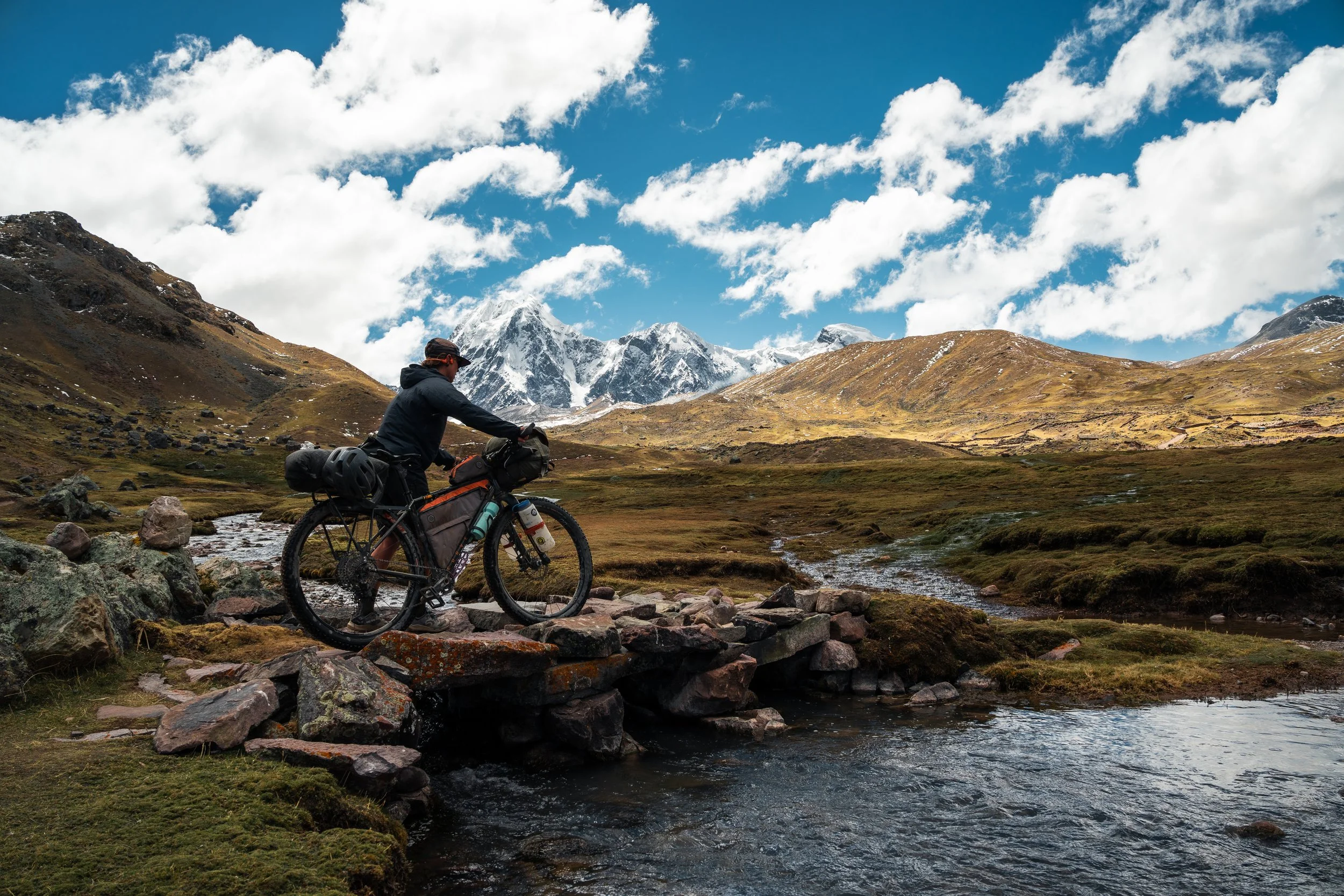
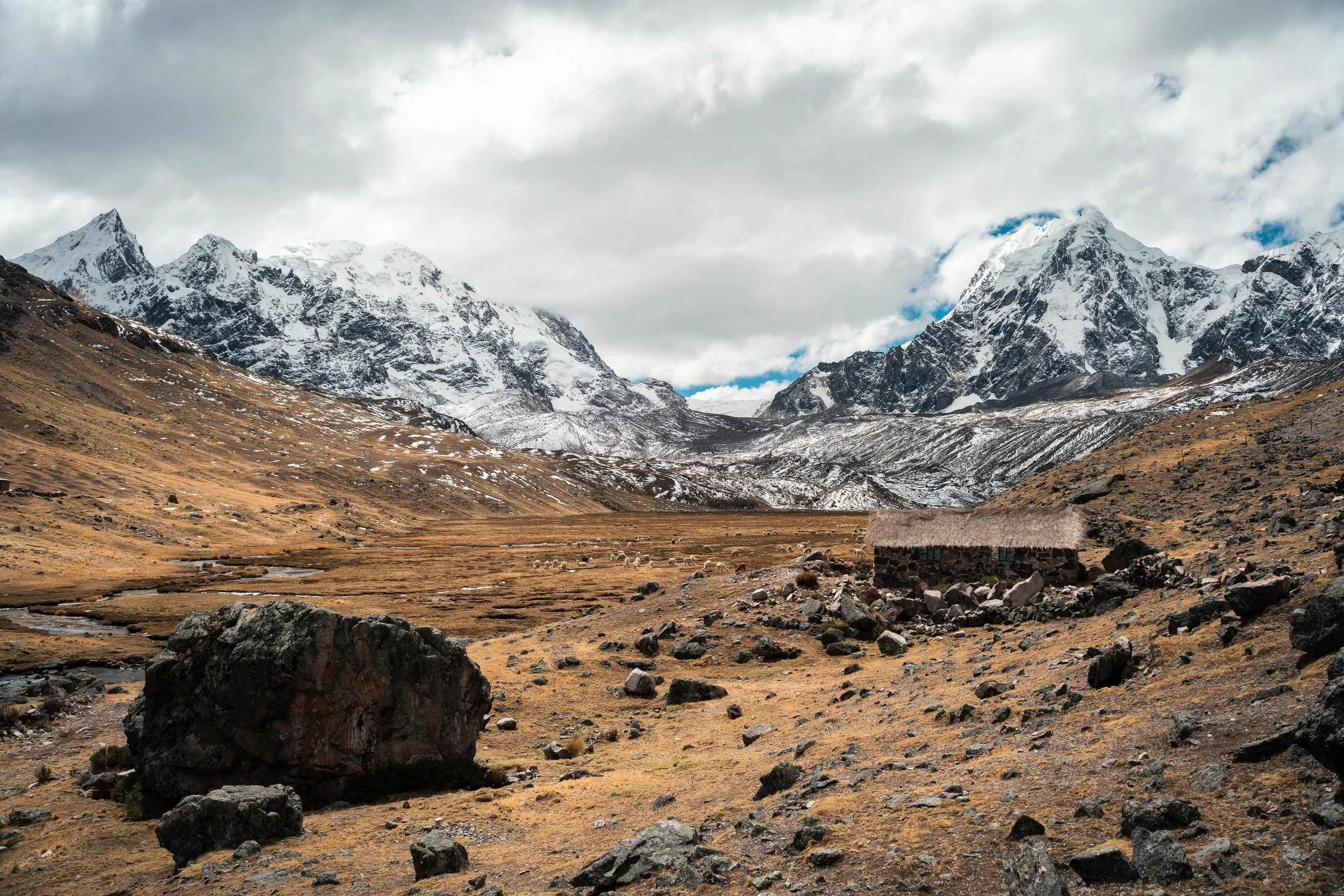
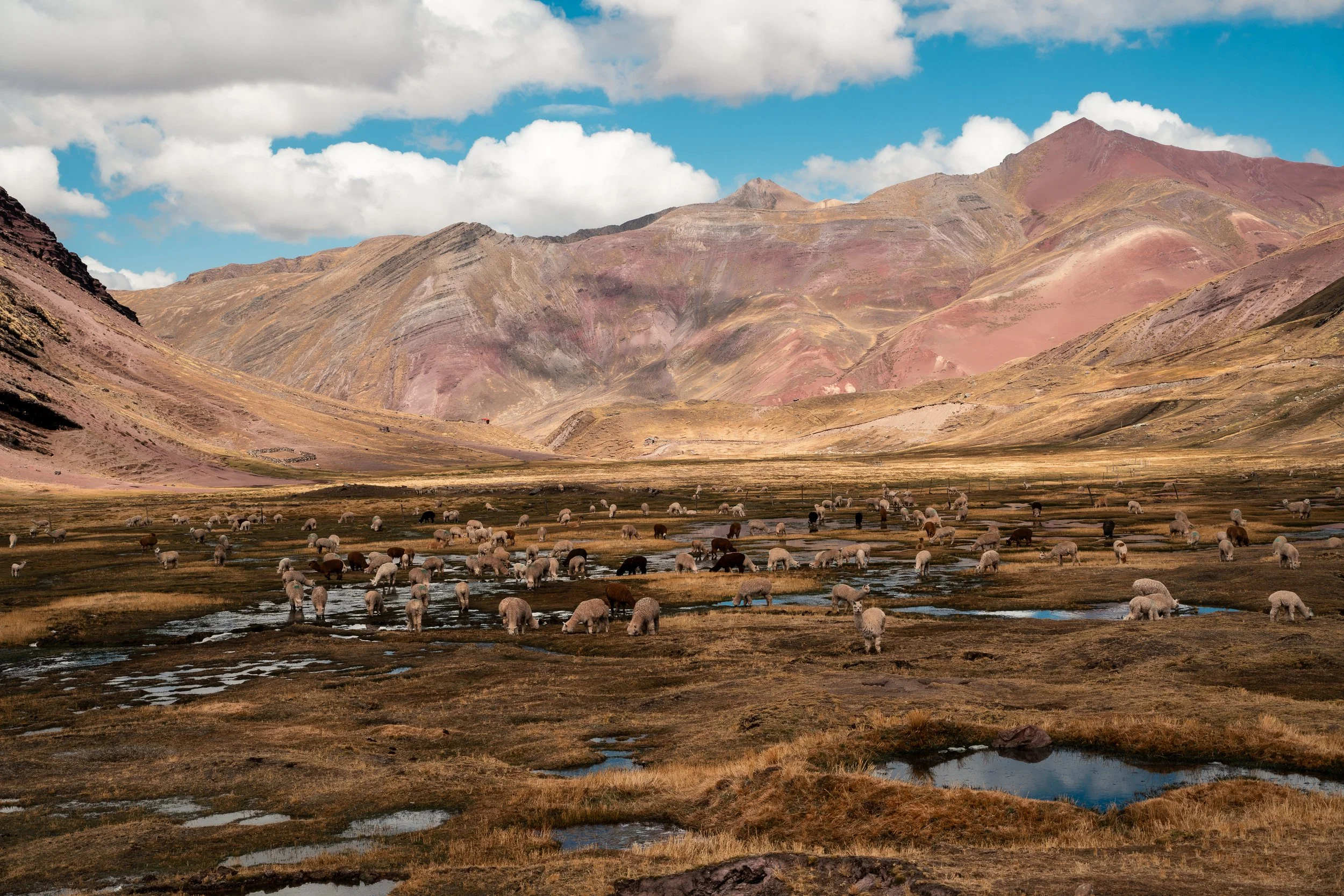
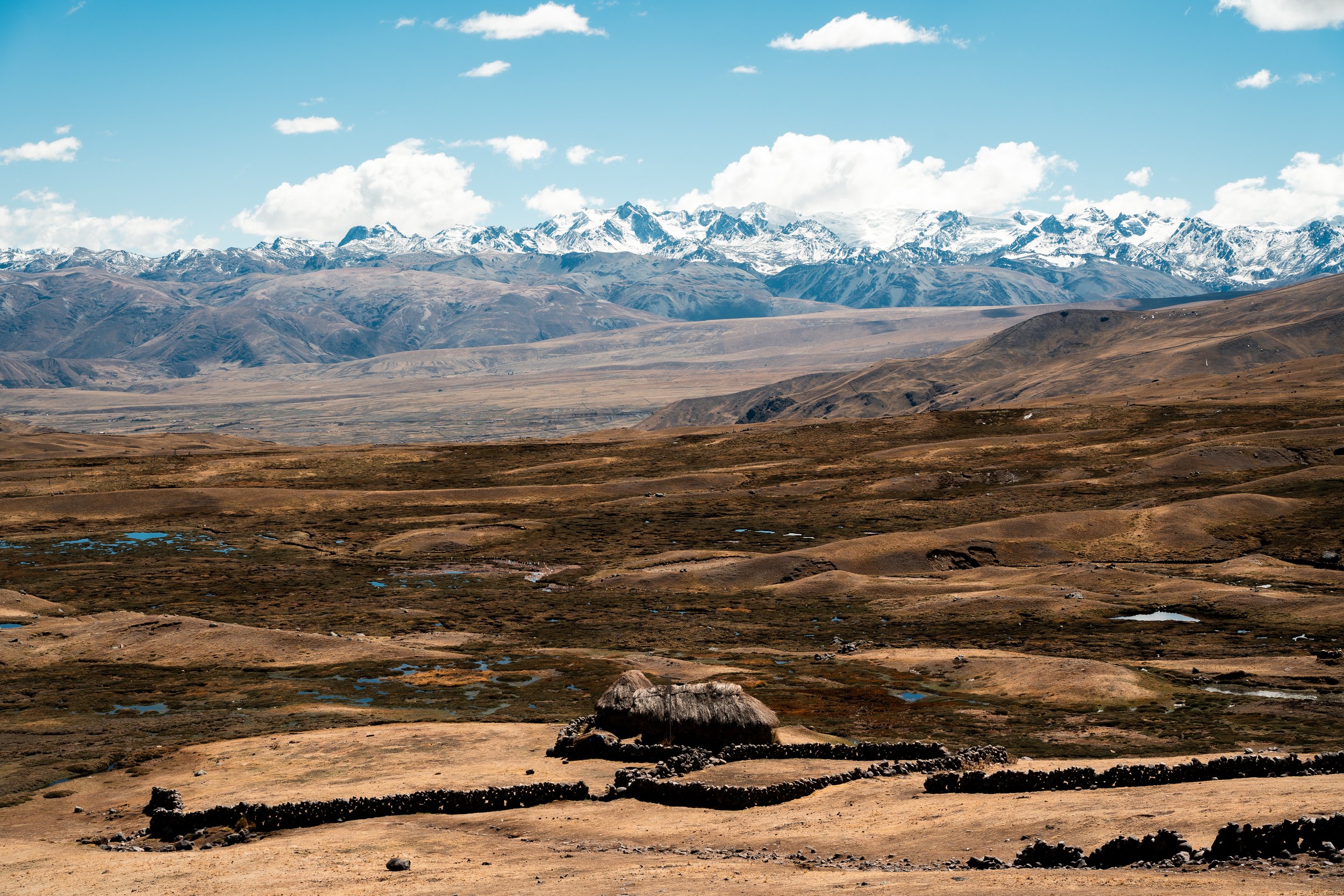
At the end of the road was a stone house, a field of llamas, and an elderly lady. Initially she ignored us, but finally came over to point out the track we should be on, and to say ‘no, you cannot cross the stream just here or use the little bridge. Go back down the road and around’ which we obliged.
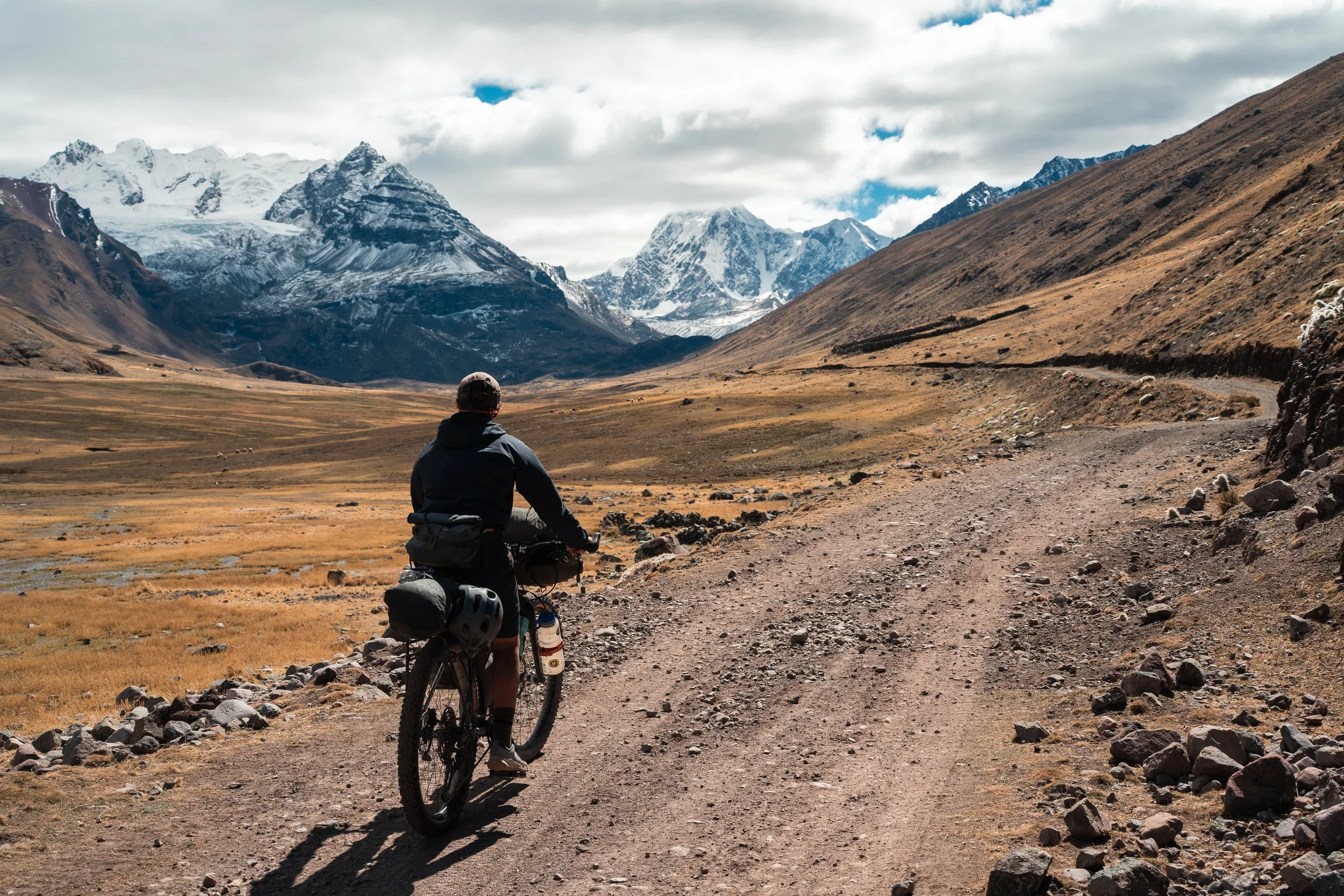
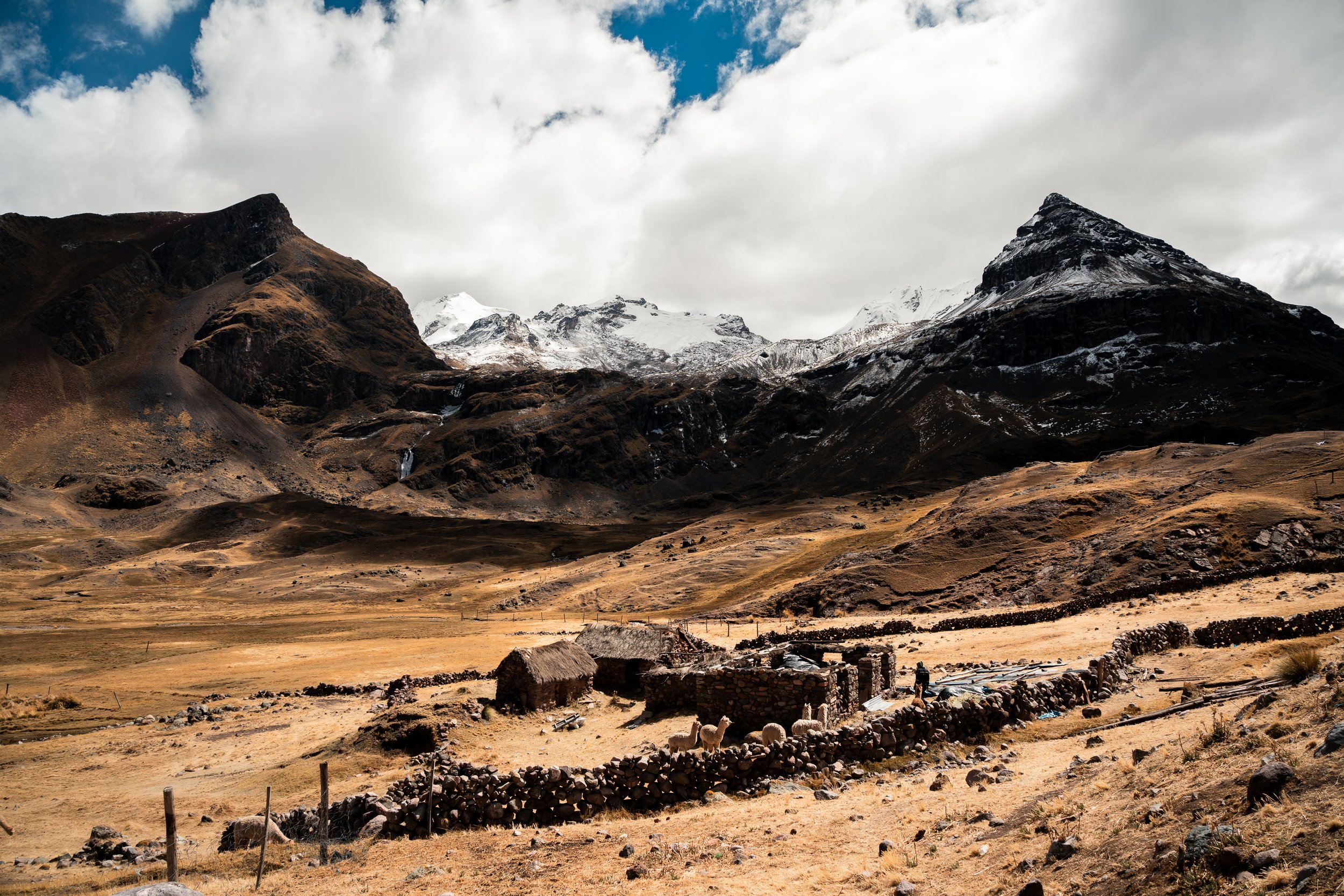
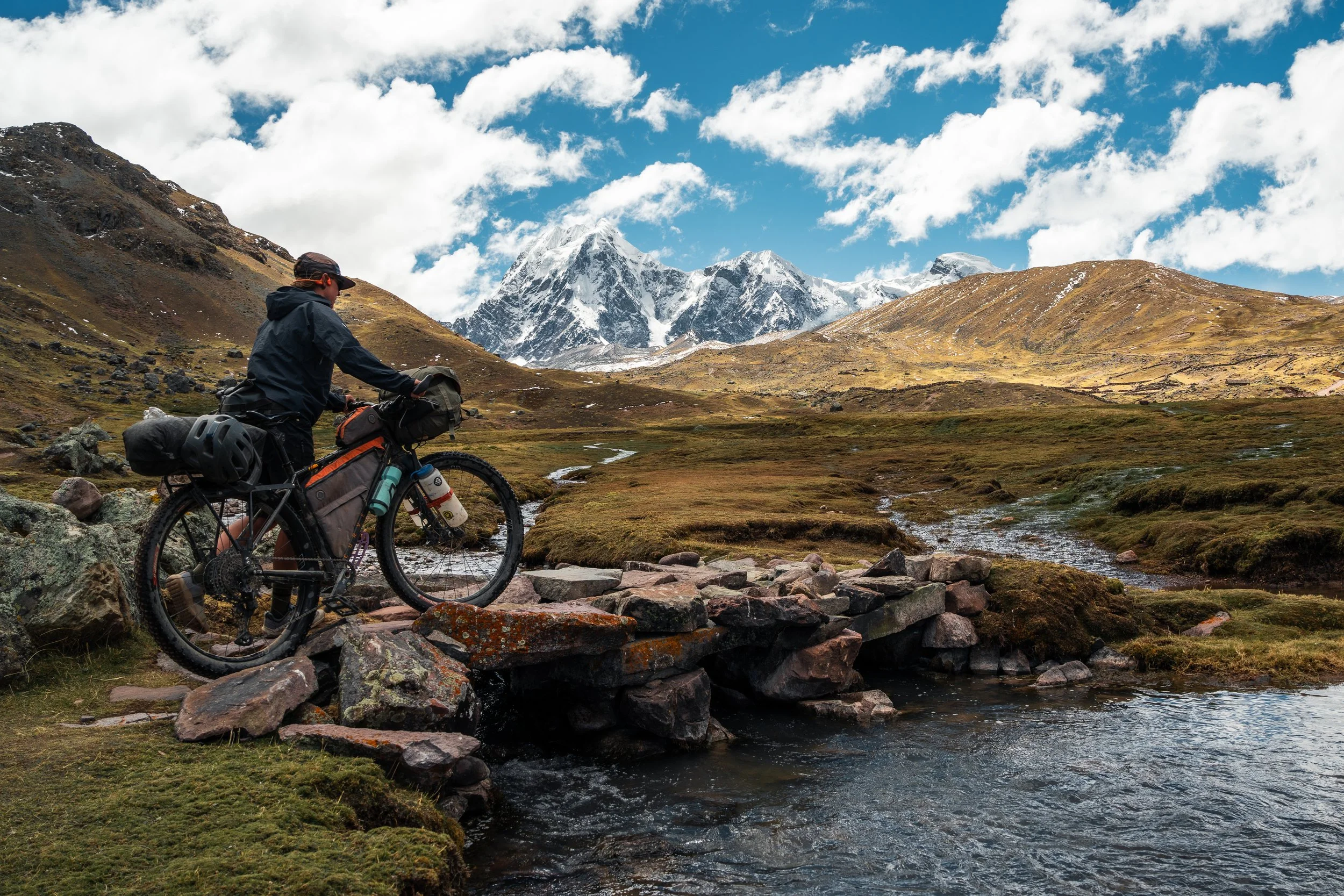
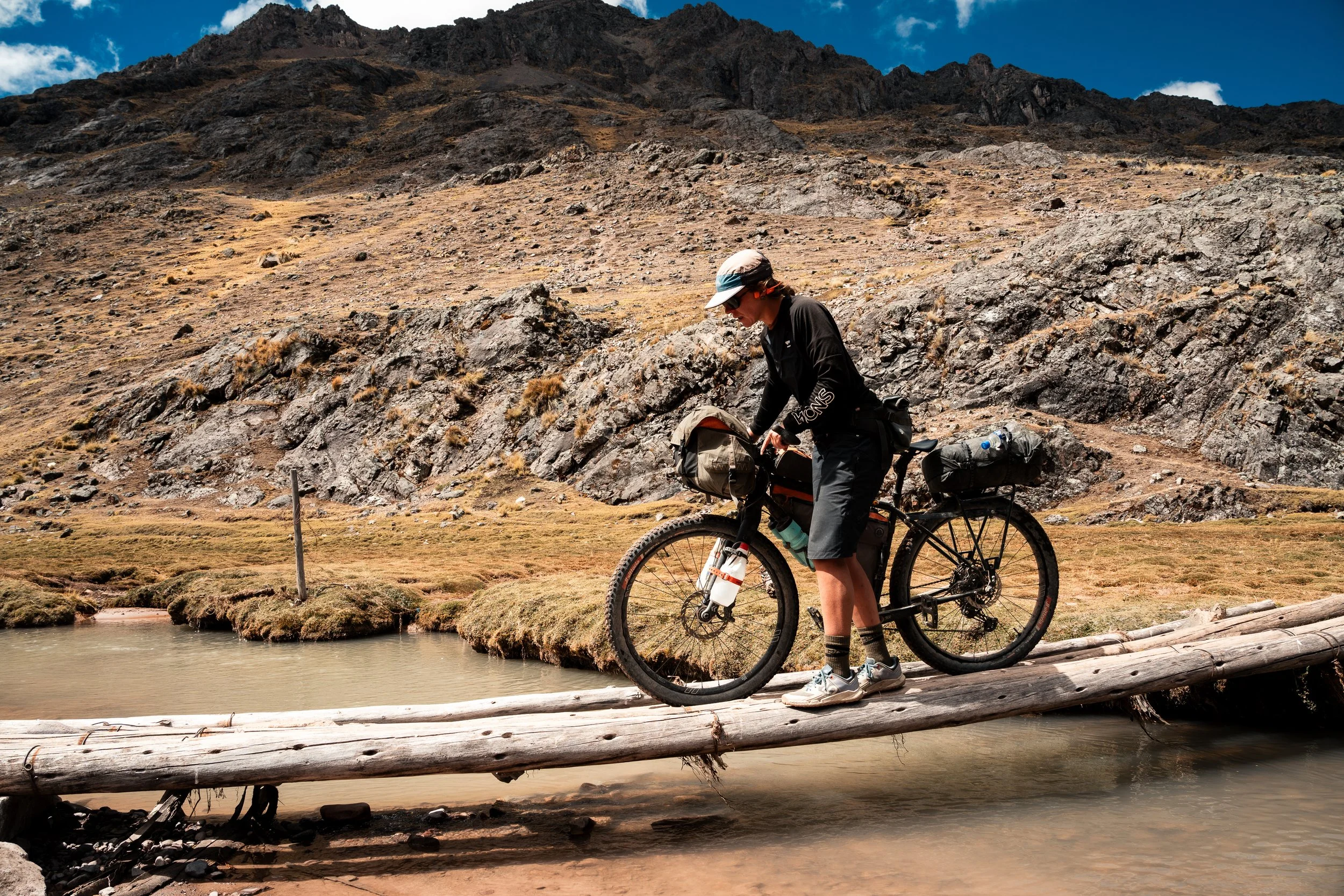
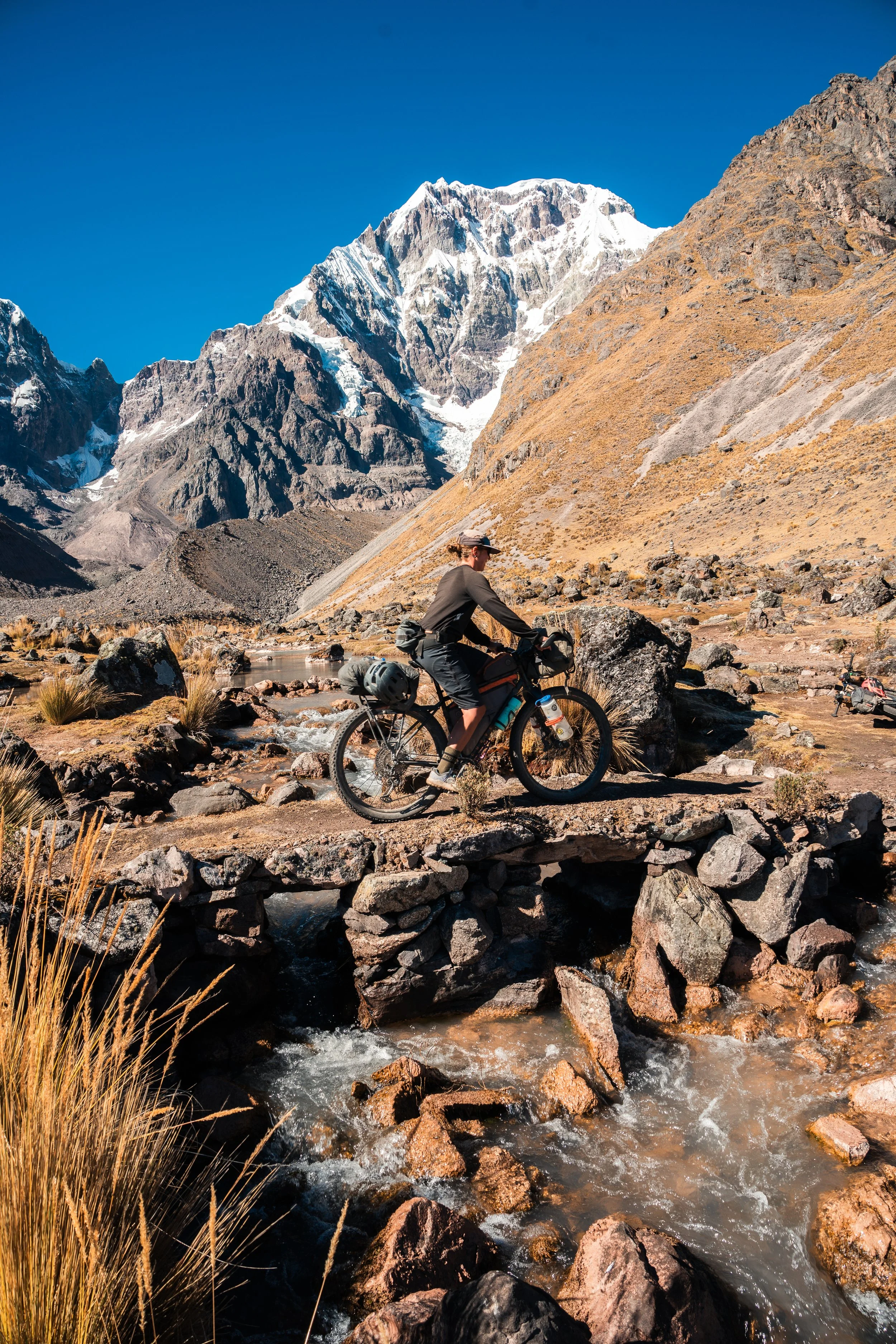
Not the bridge the lady didn’t want us crossing.
Our path was along the hill to the left.
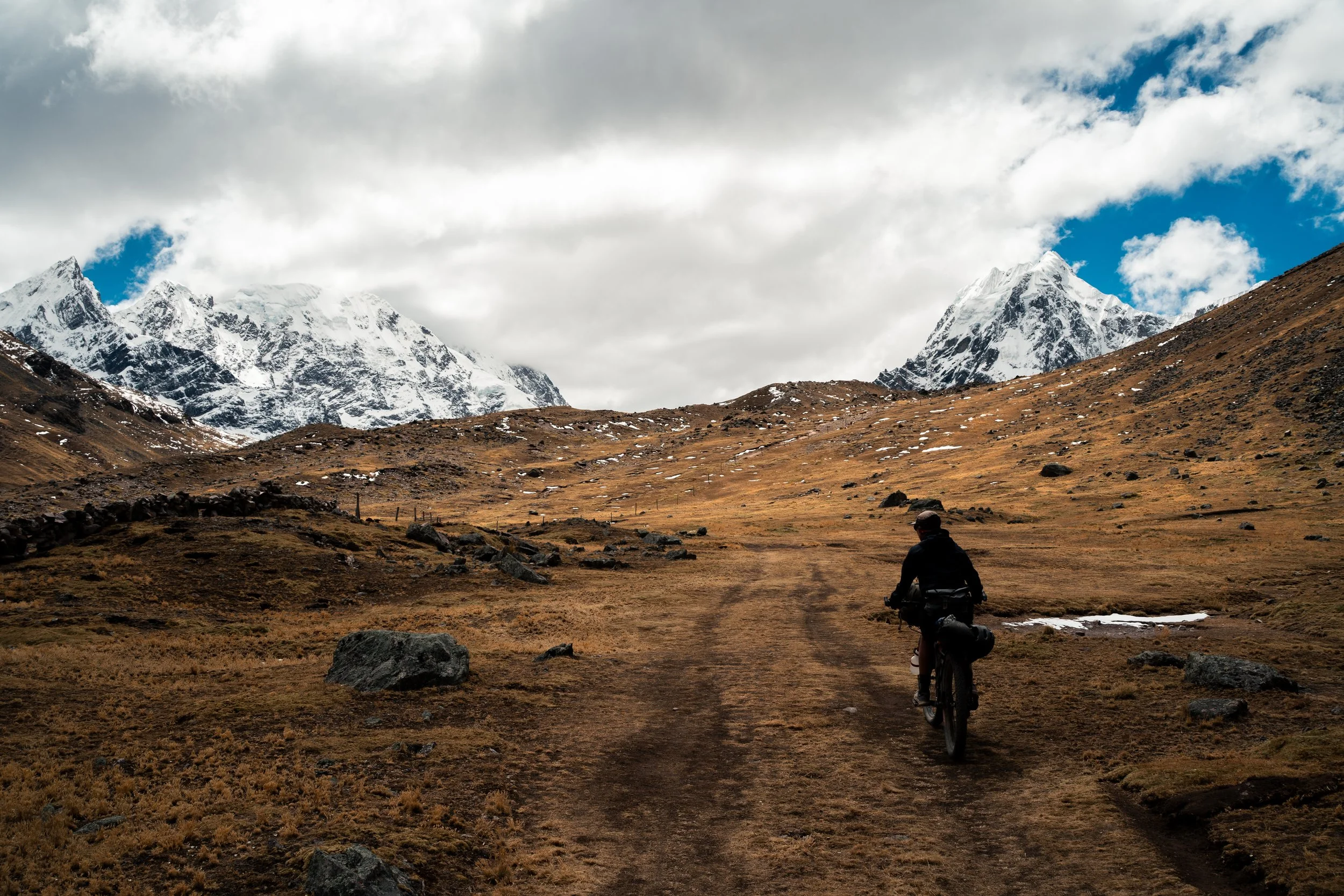
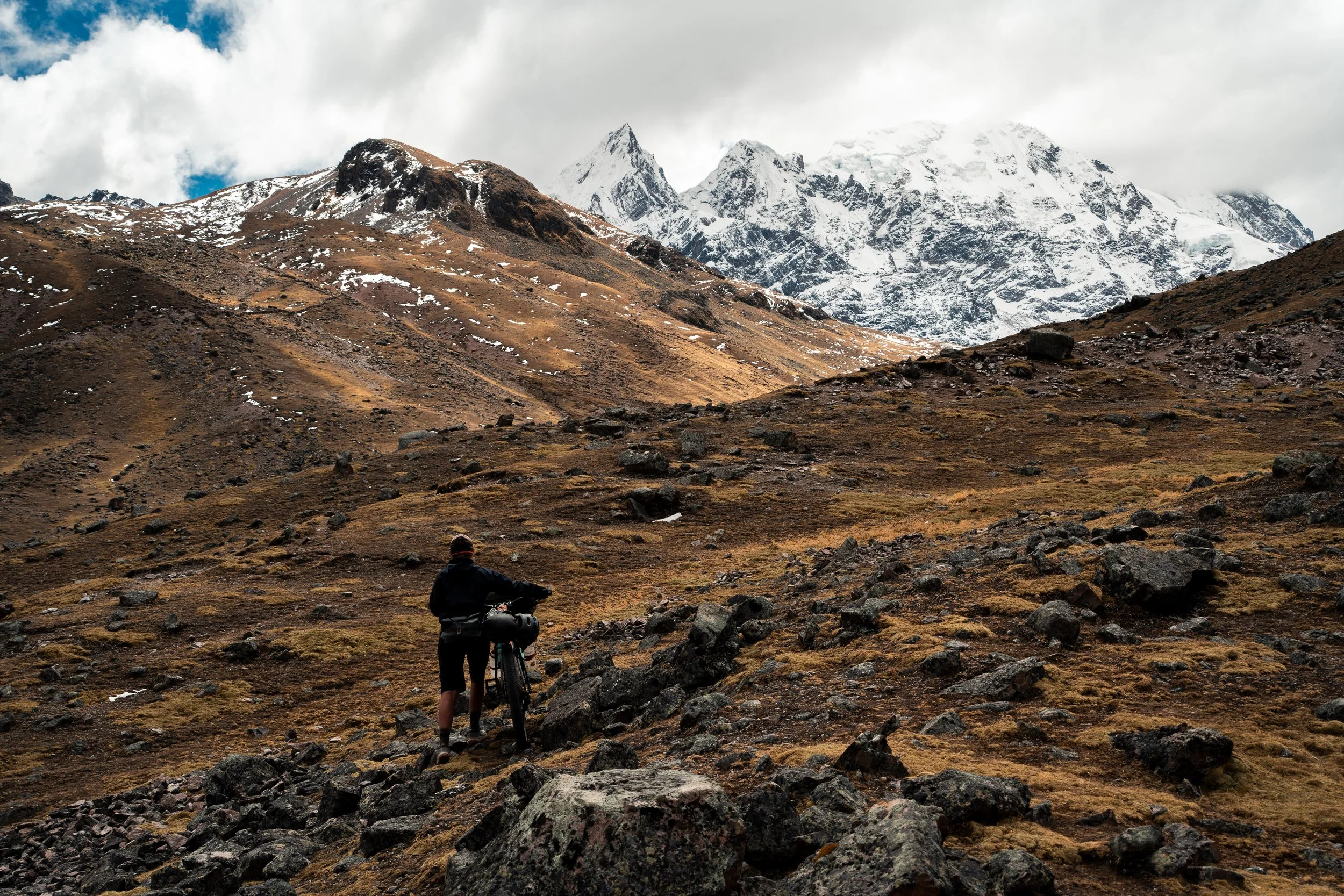
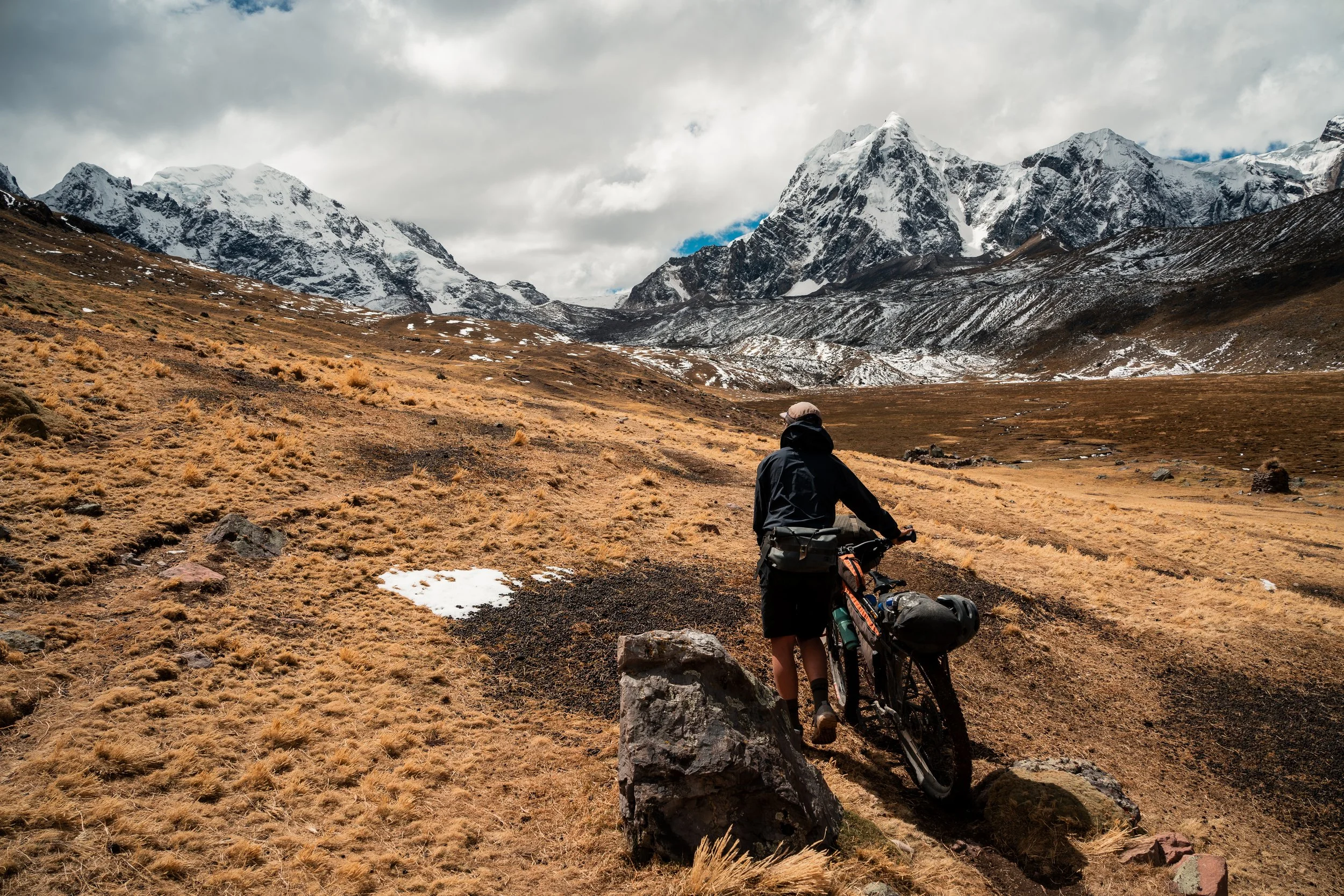
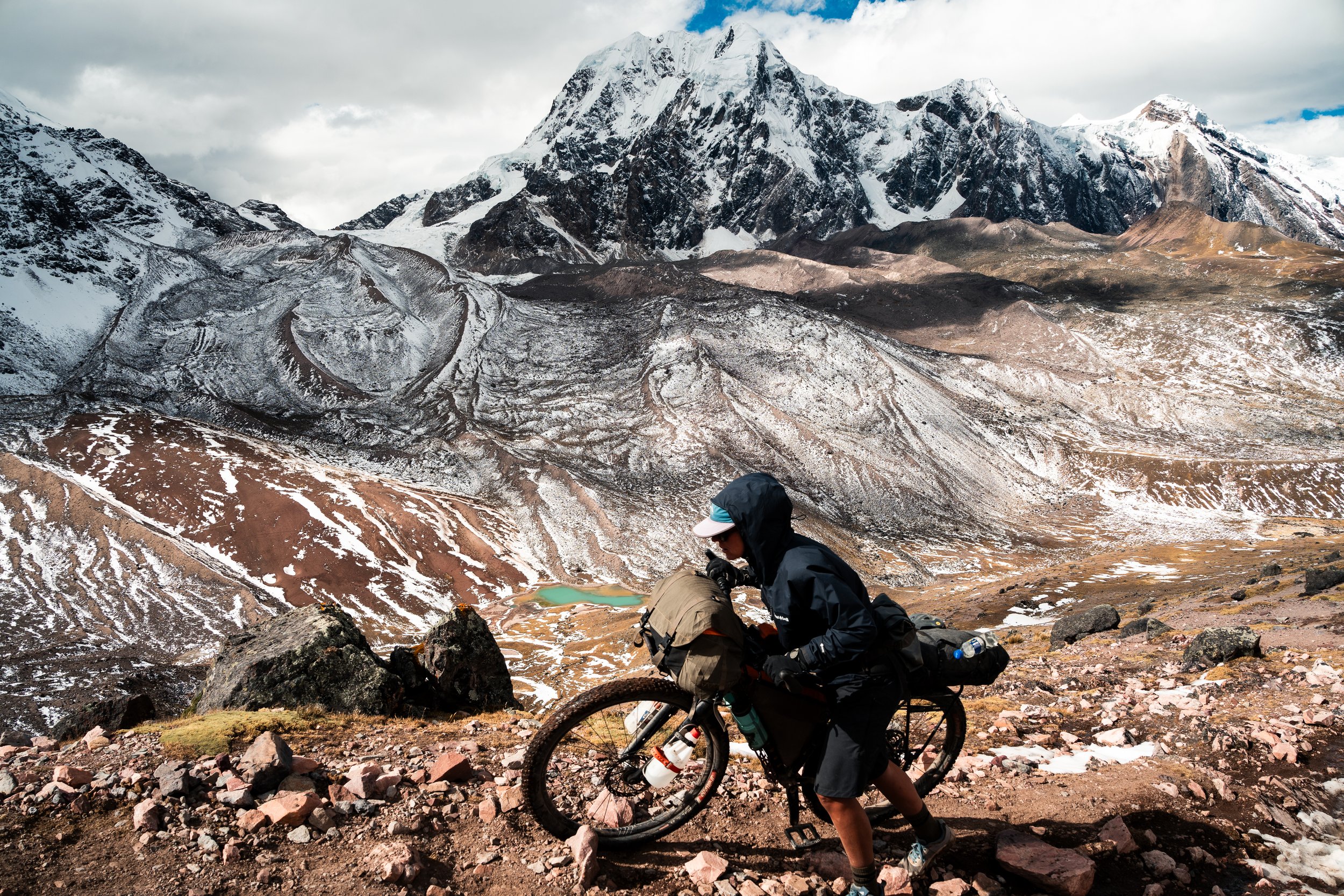
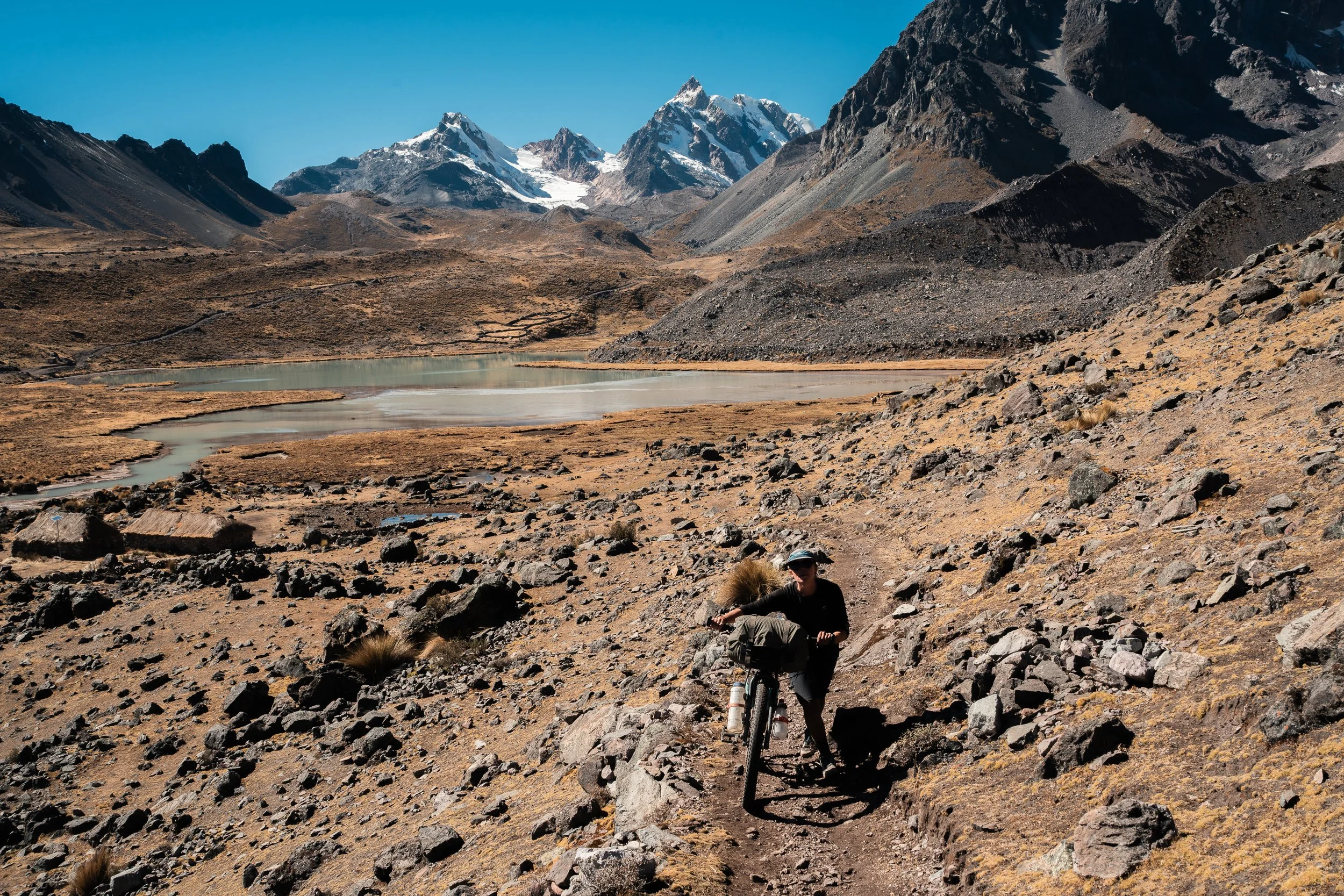
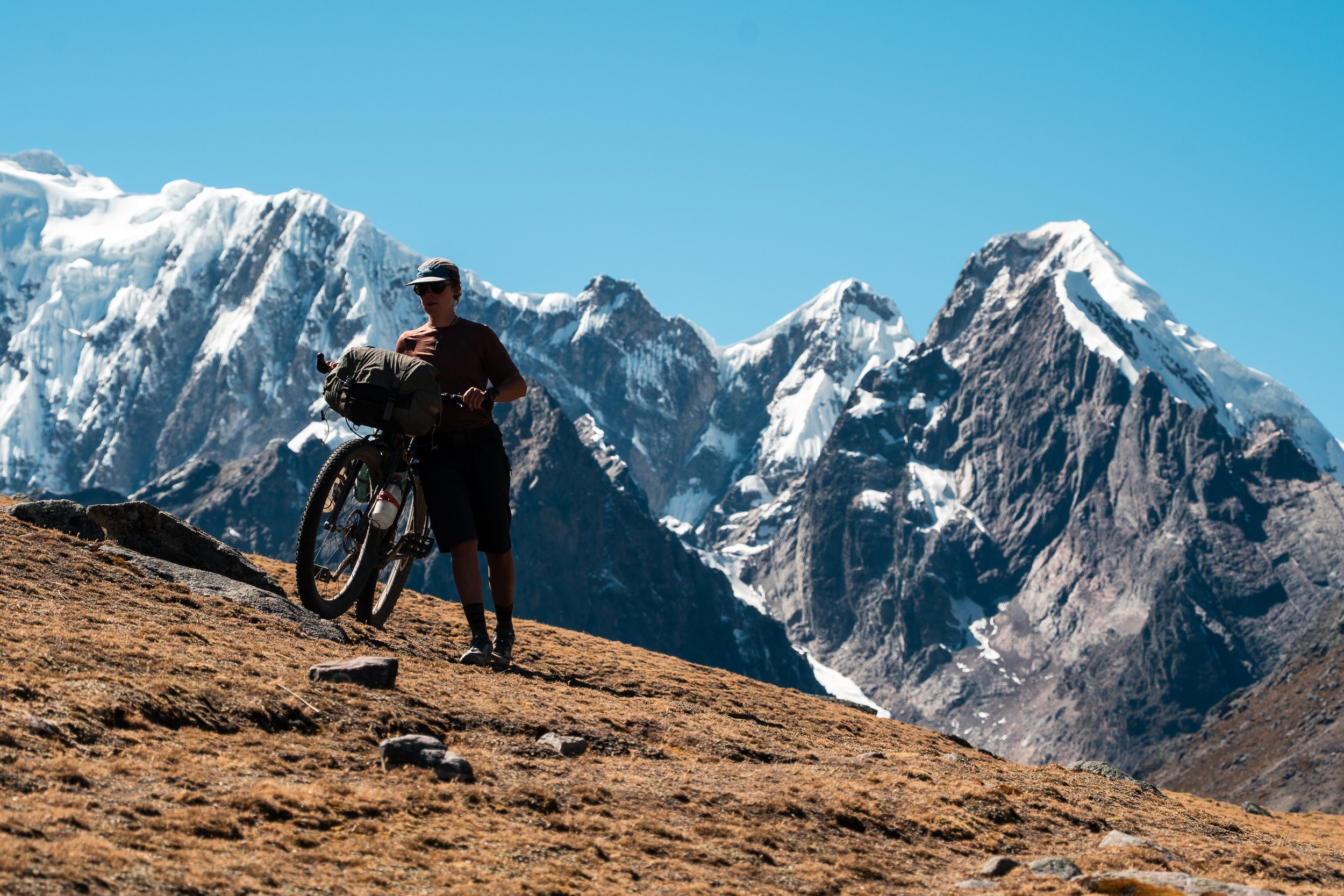
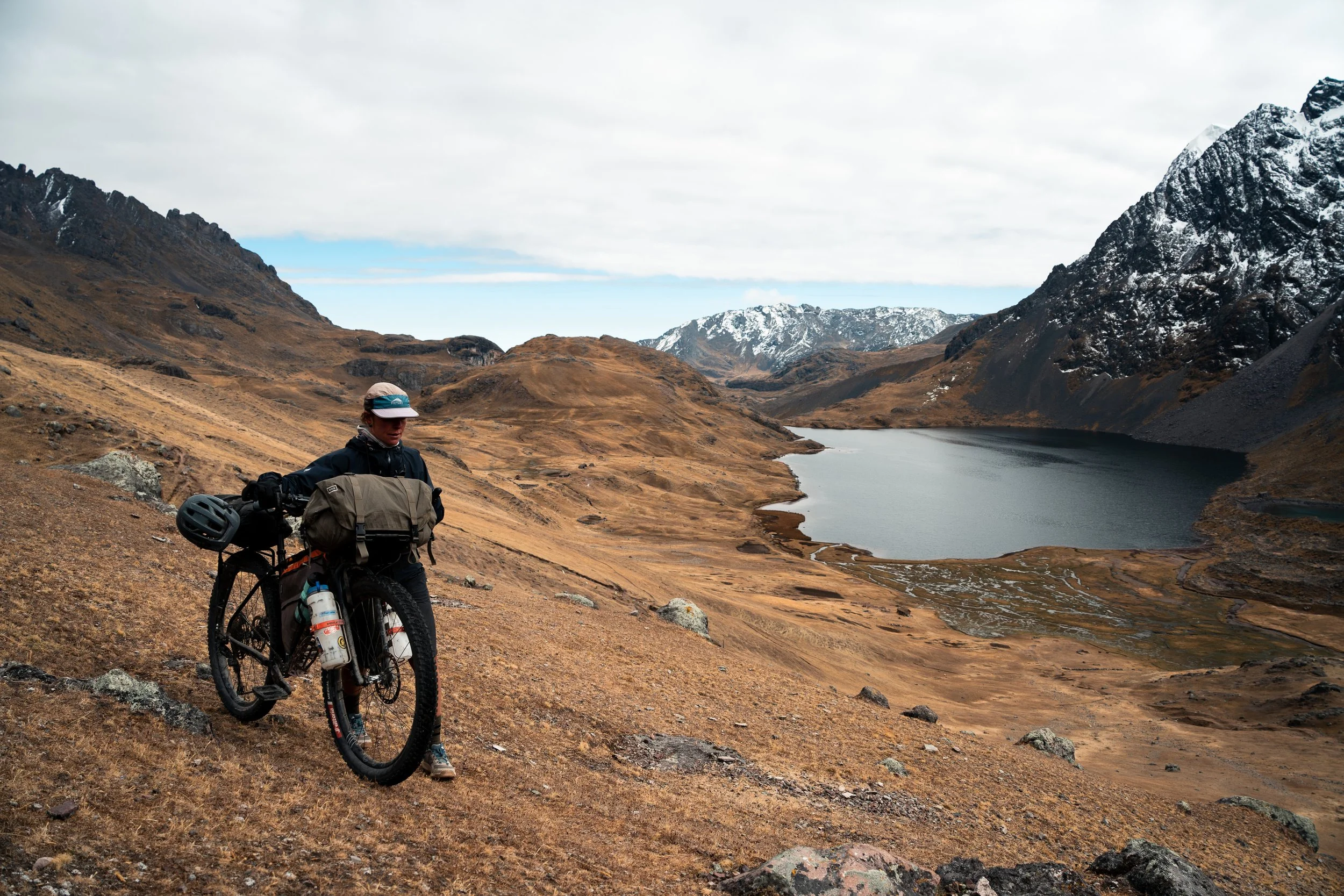
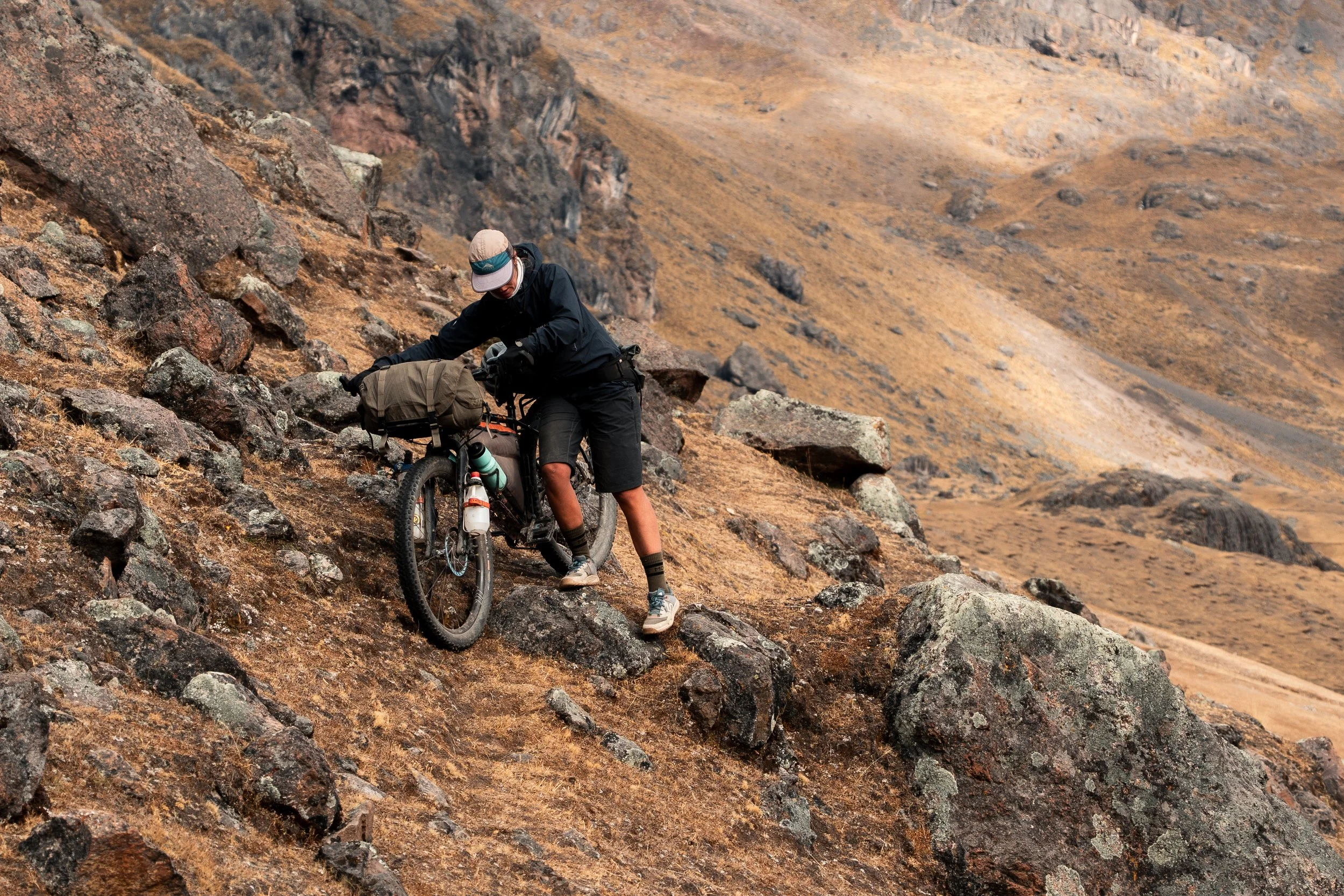
From here it was mostly a push over the first pass, which was over 5000m high. Compared to previous hike a bikes this was easy, with a clear path to follow for the most part, minimal snow, and no absurd gradients. Just as we reached the top, some cloud came in and sleet began falling.
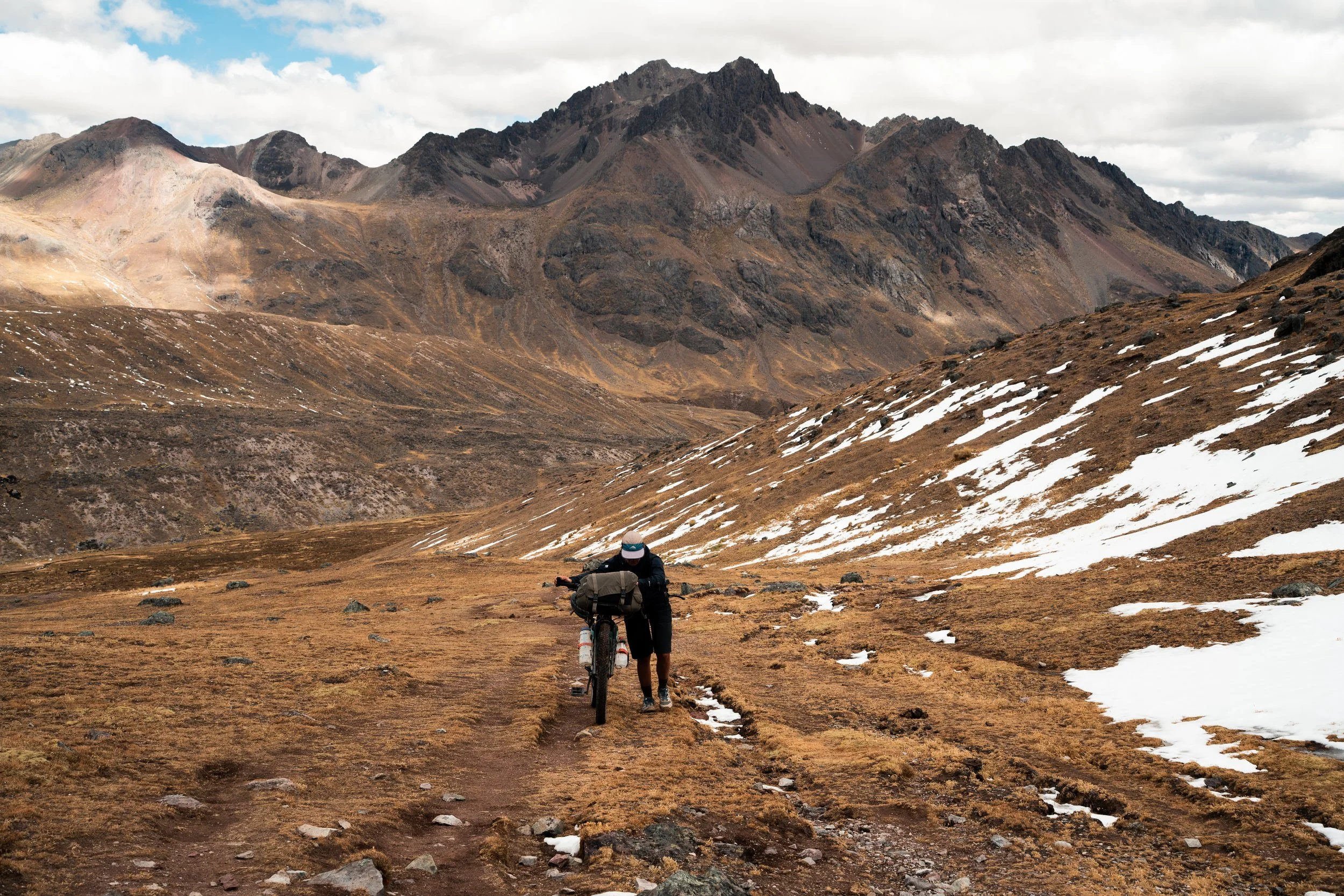
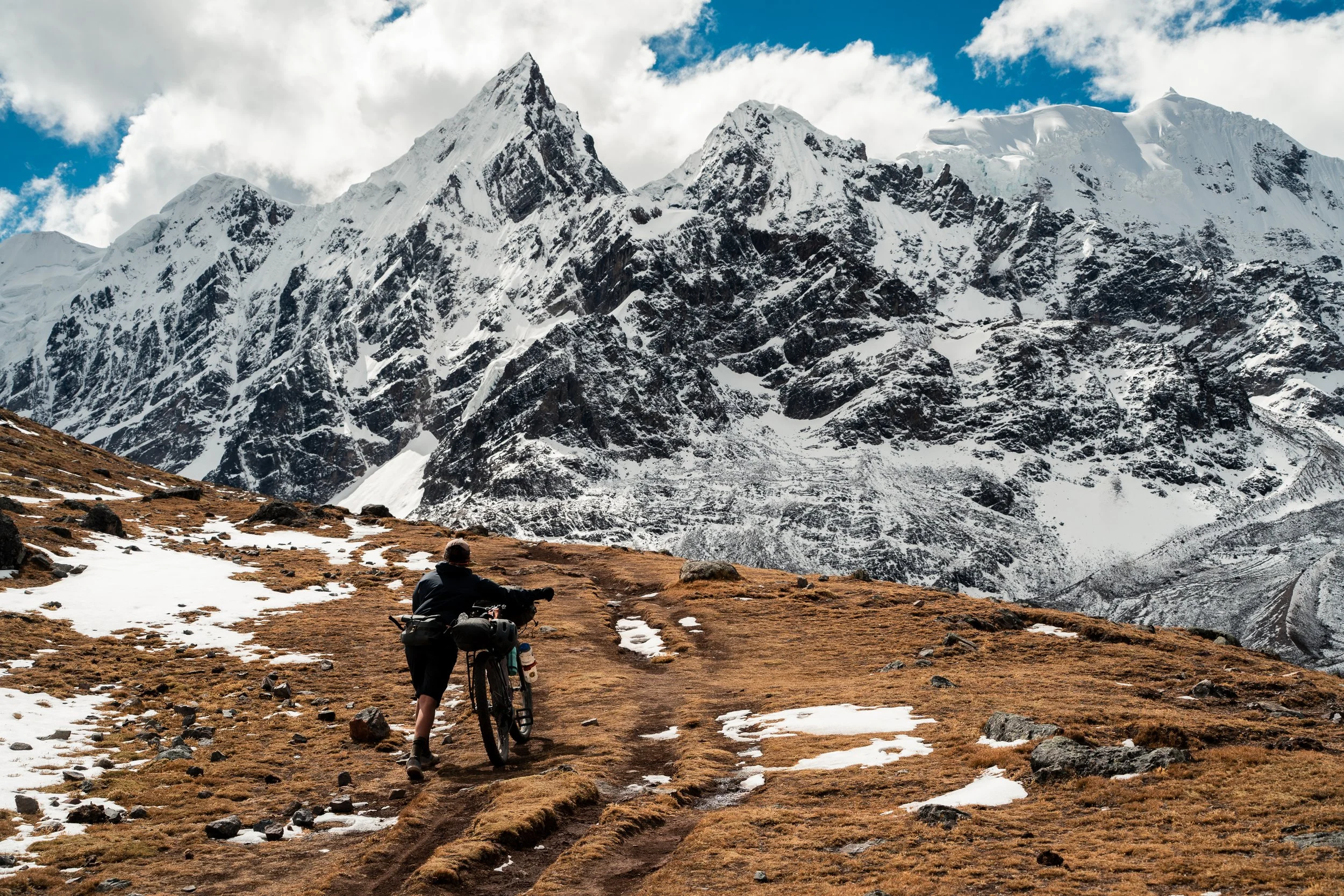
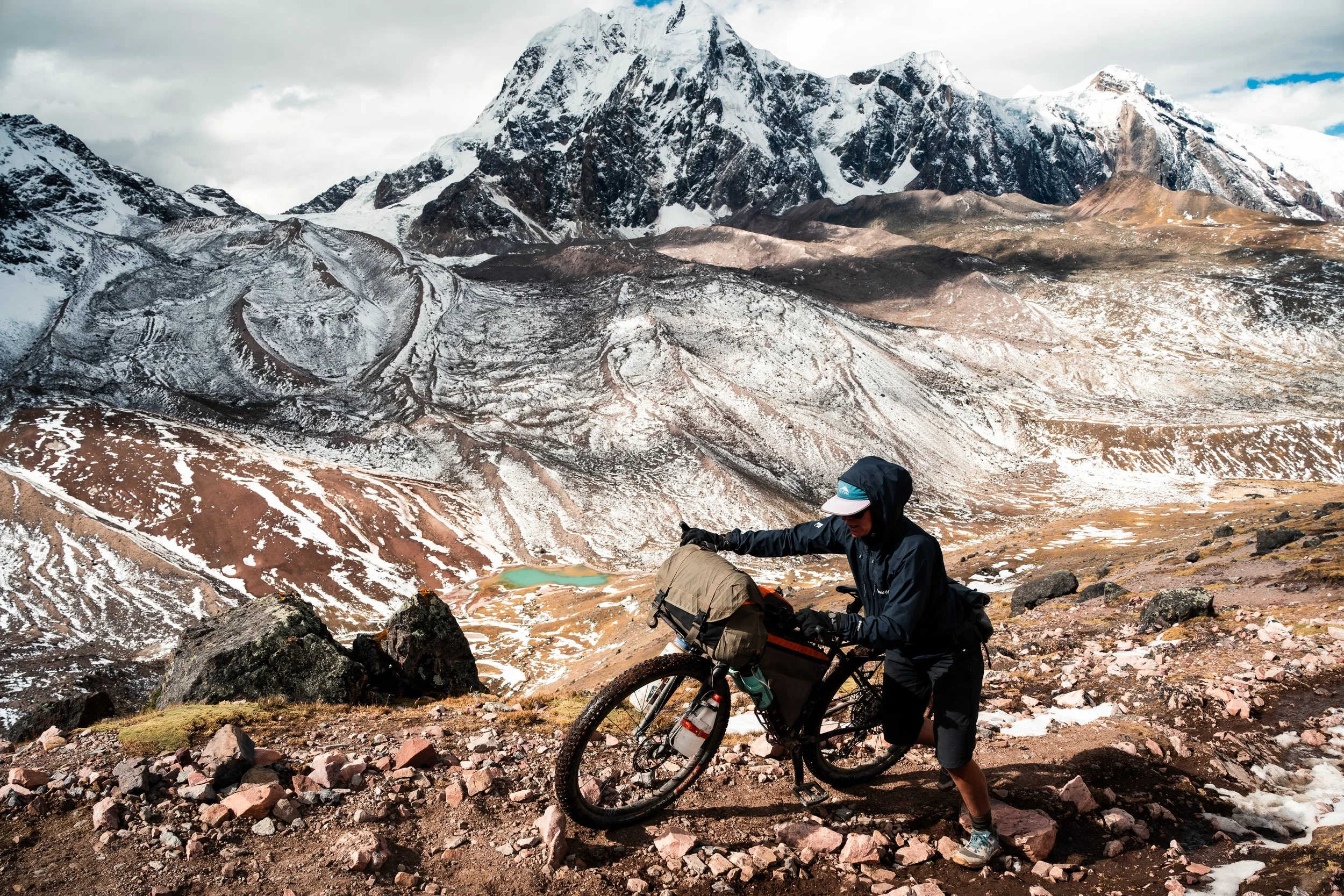
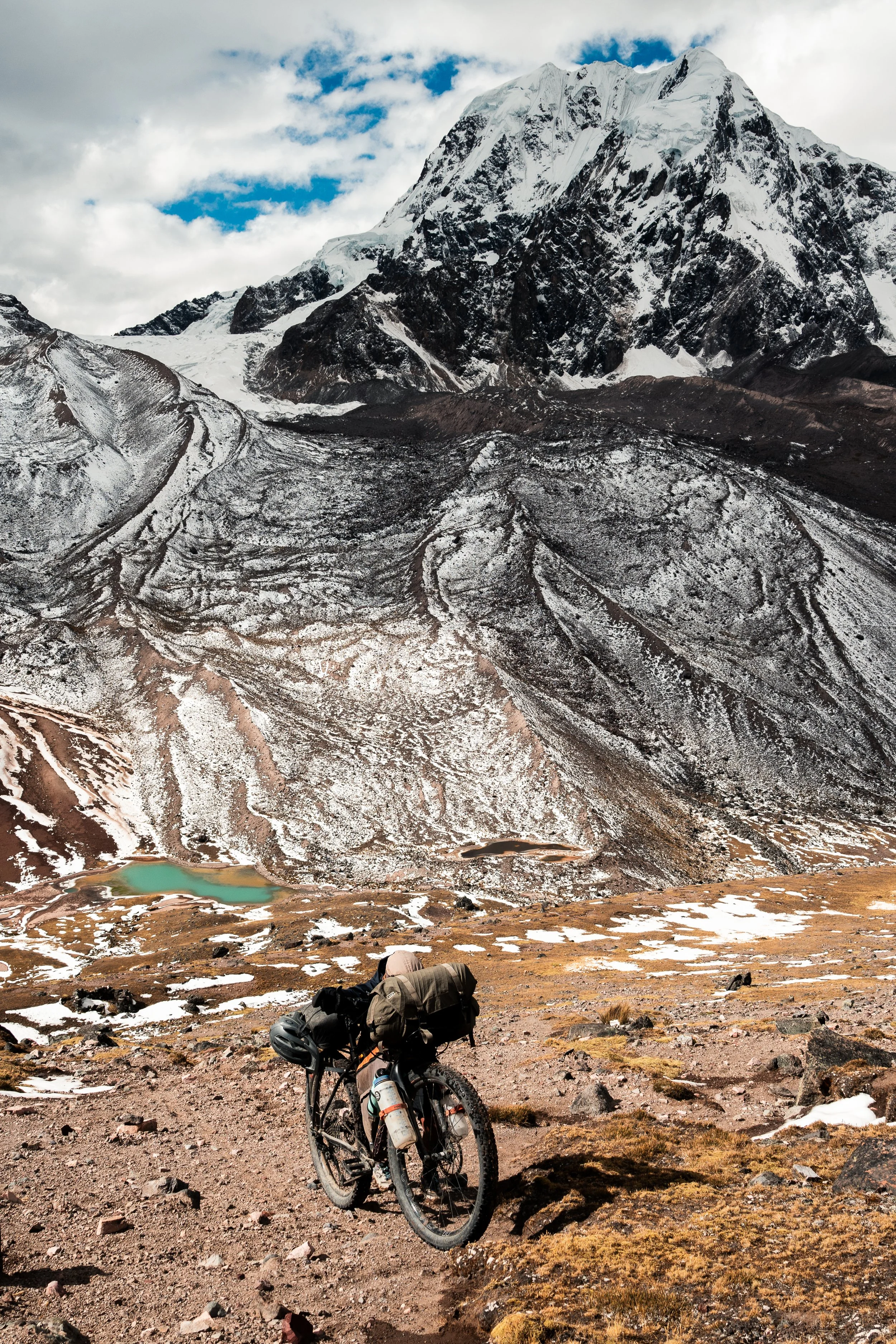
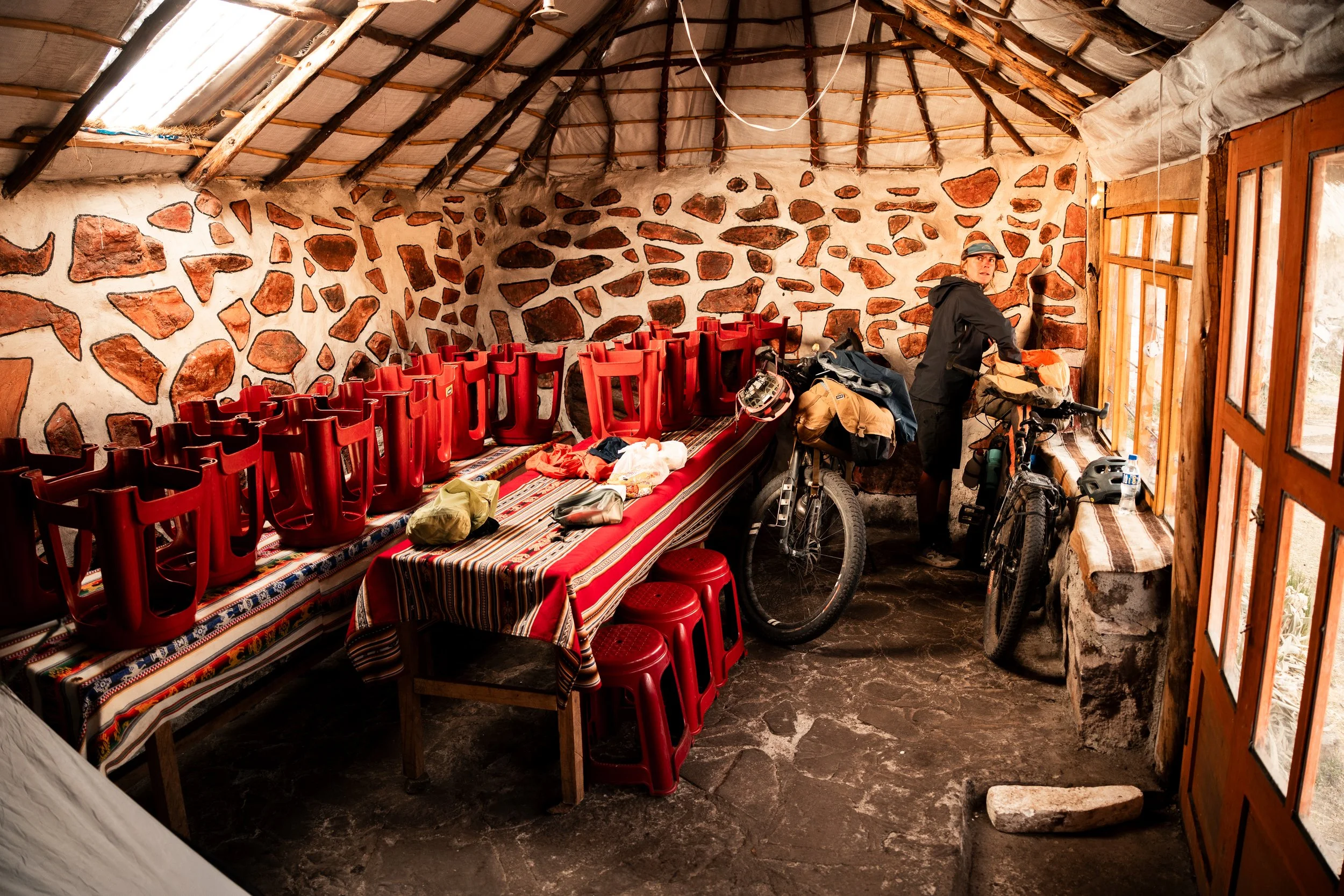
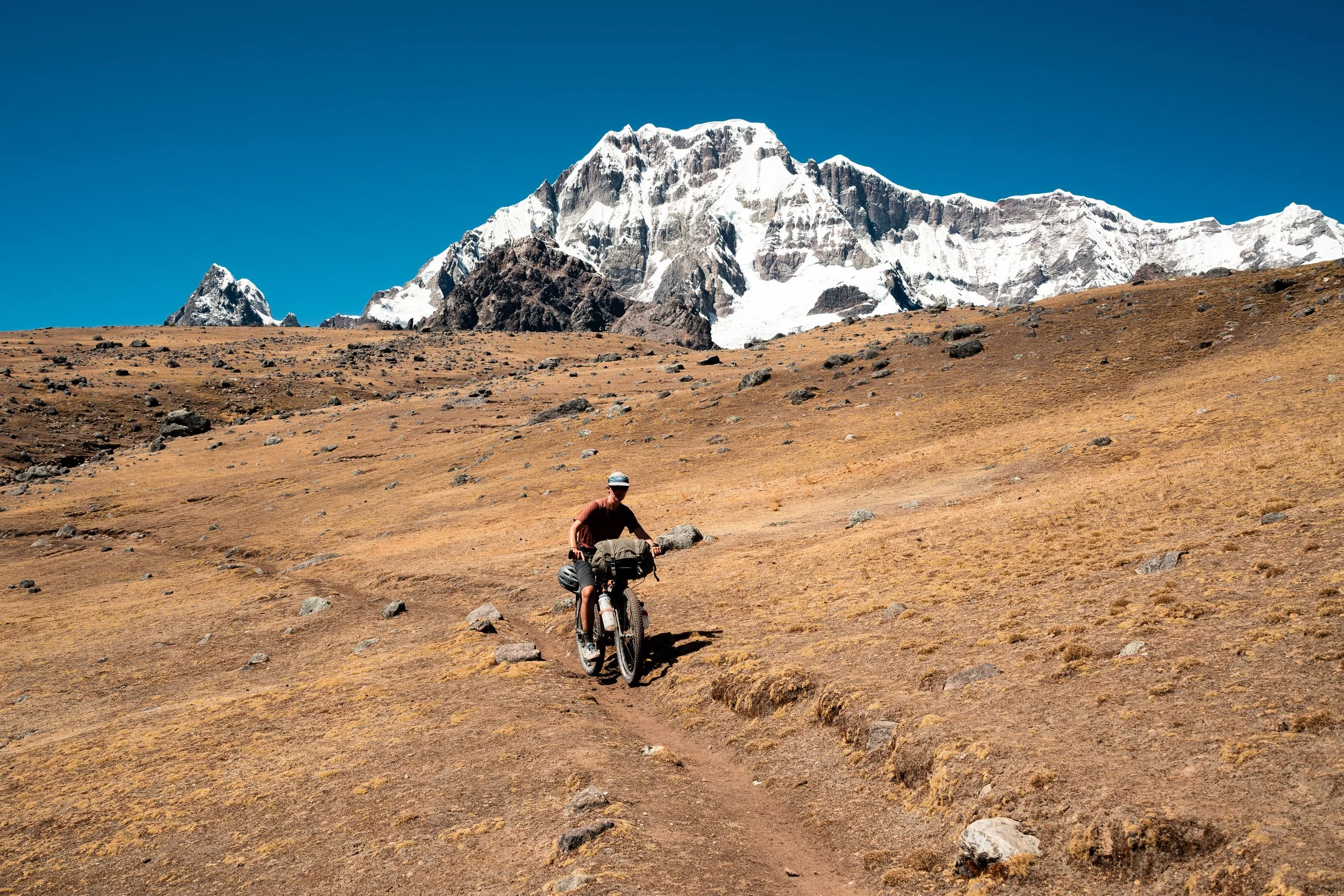
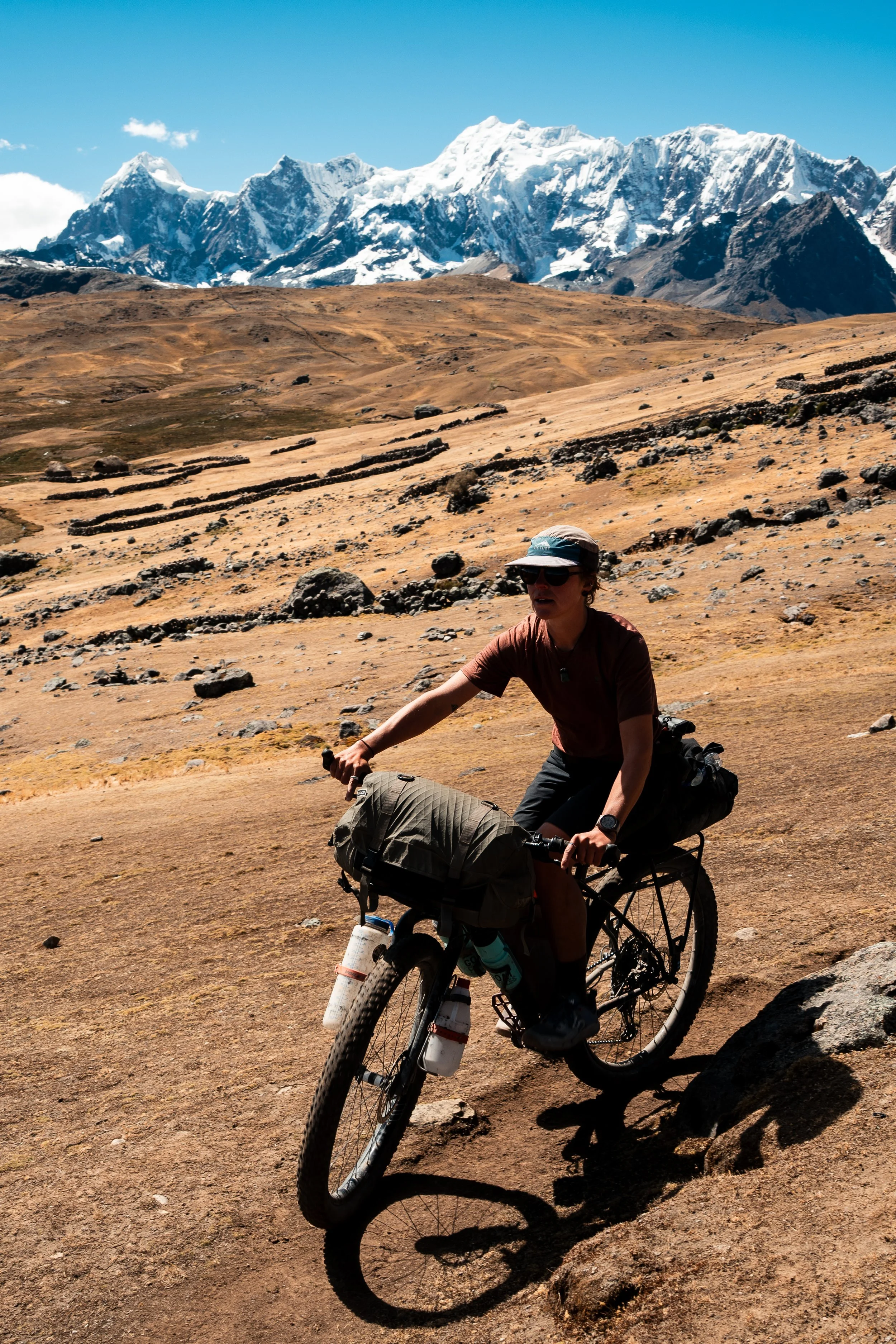
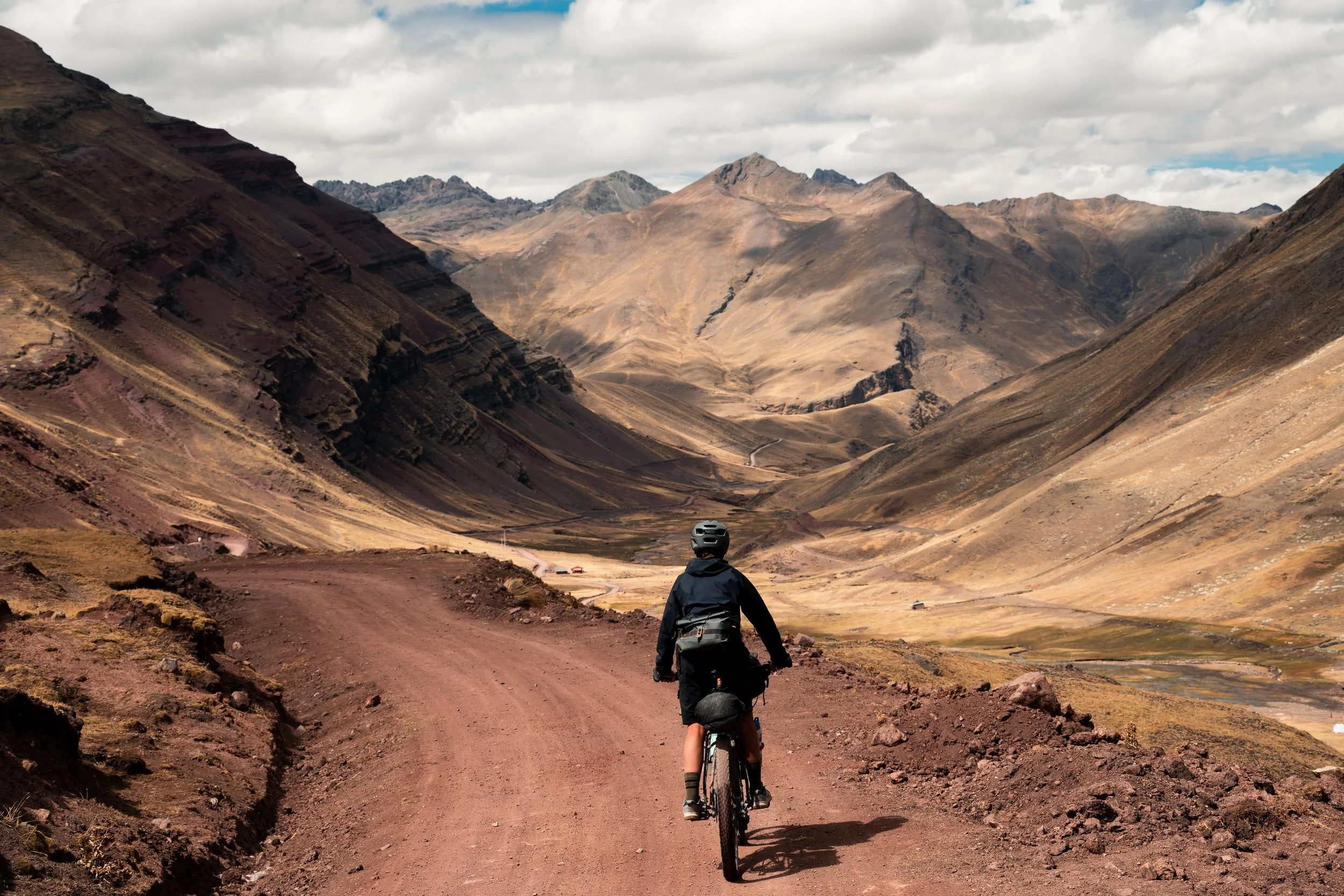
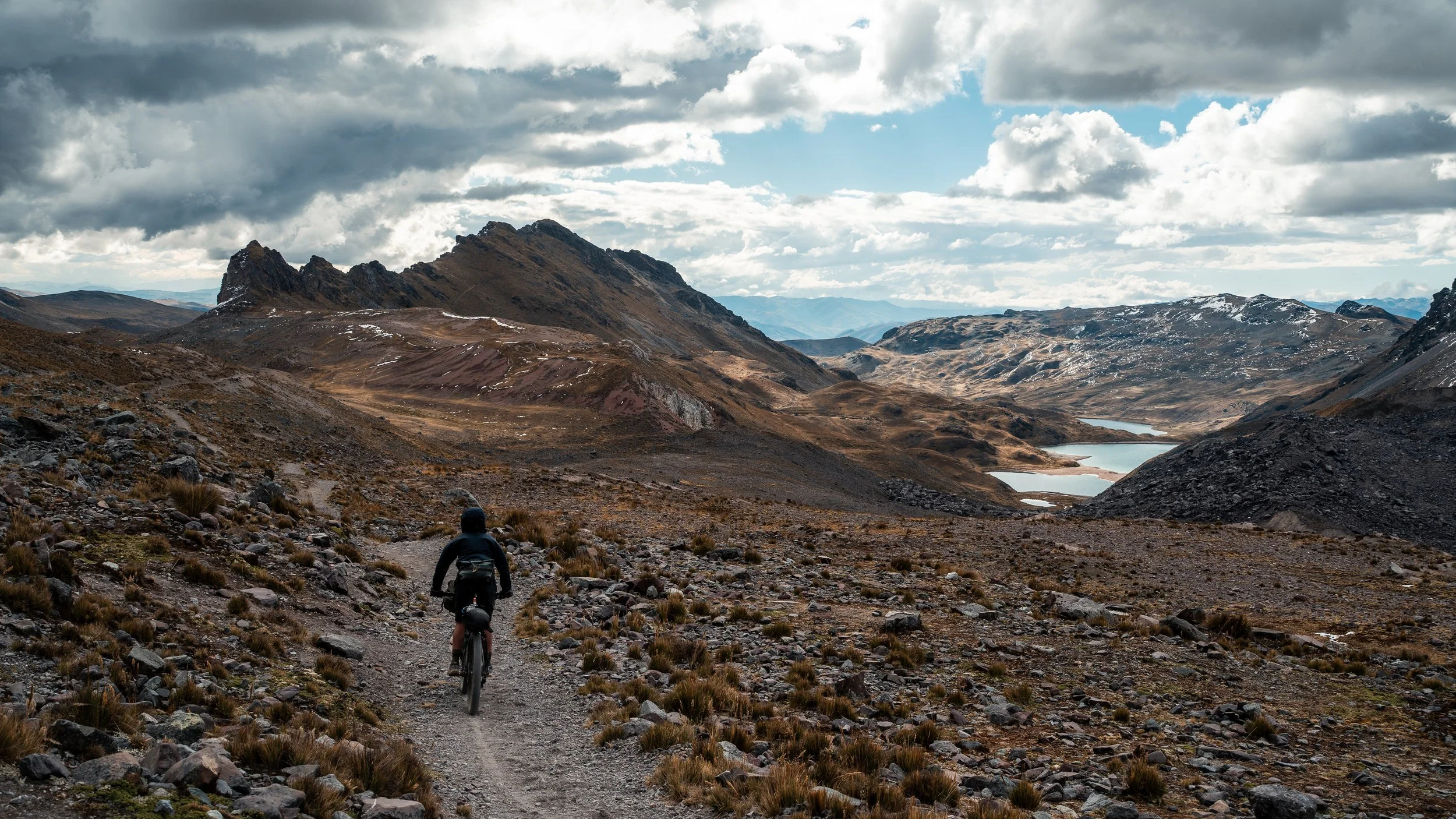
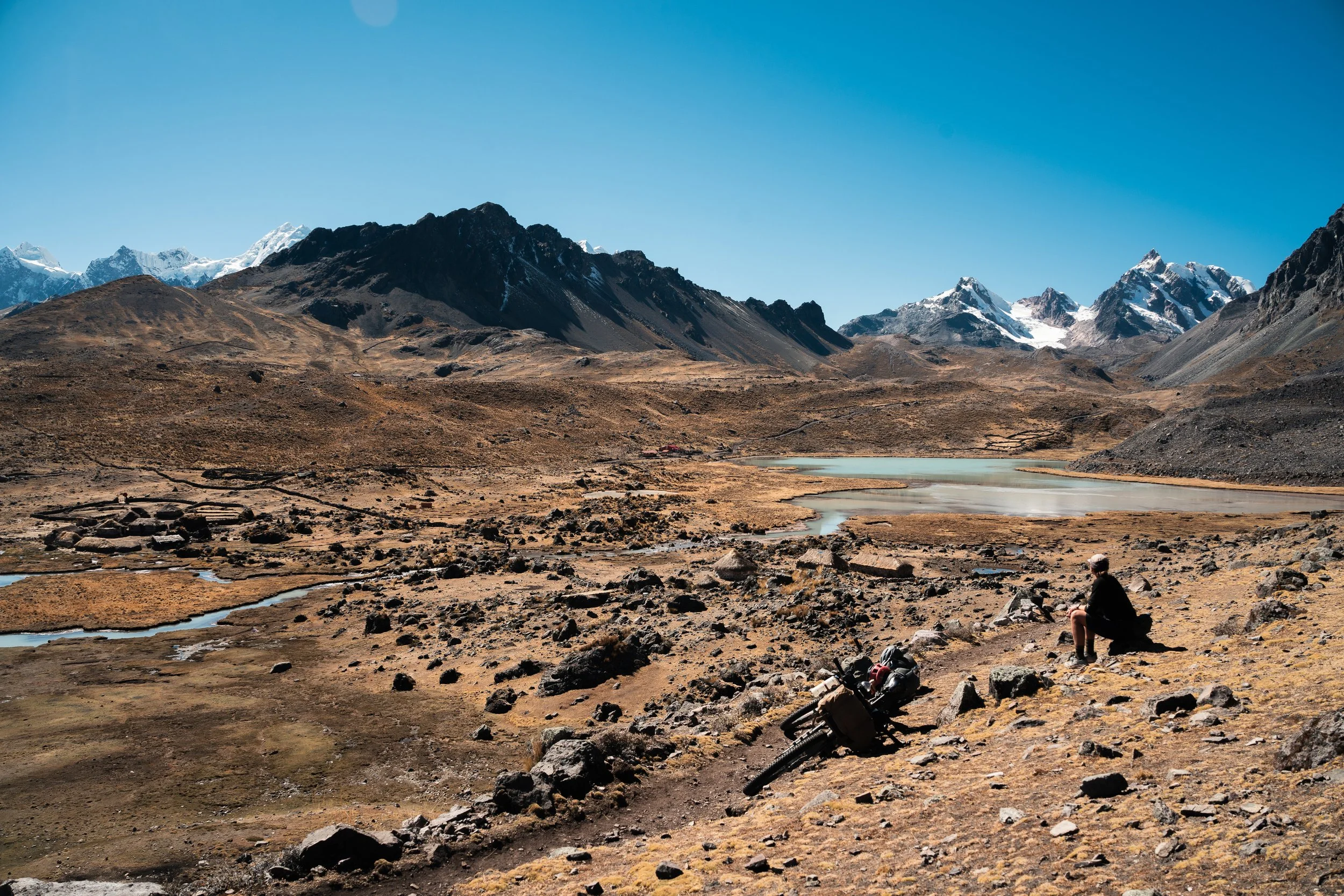
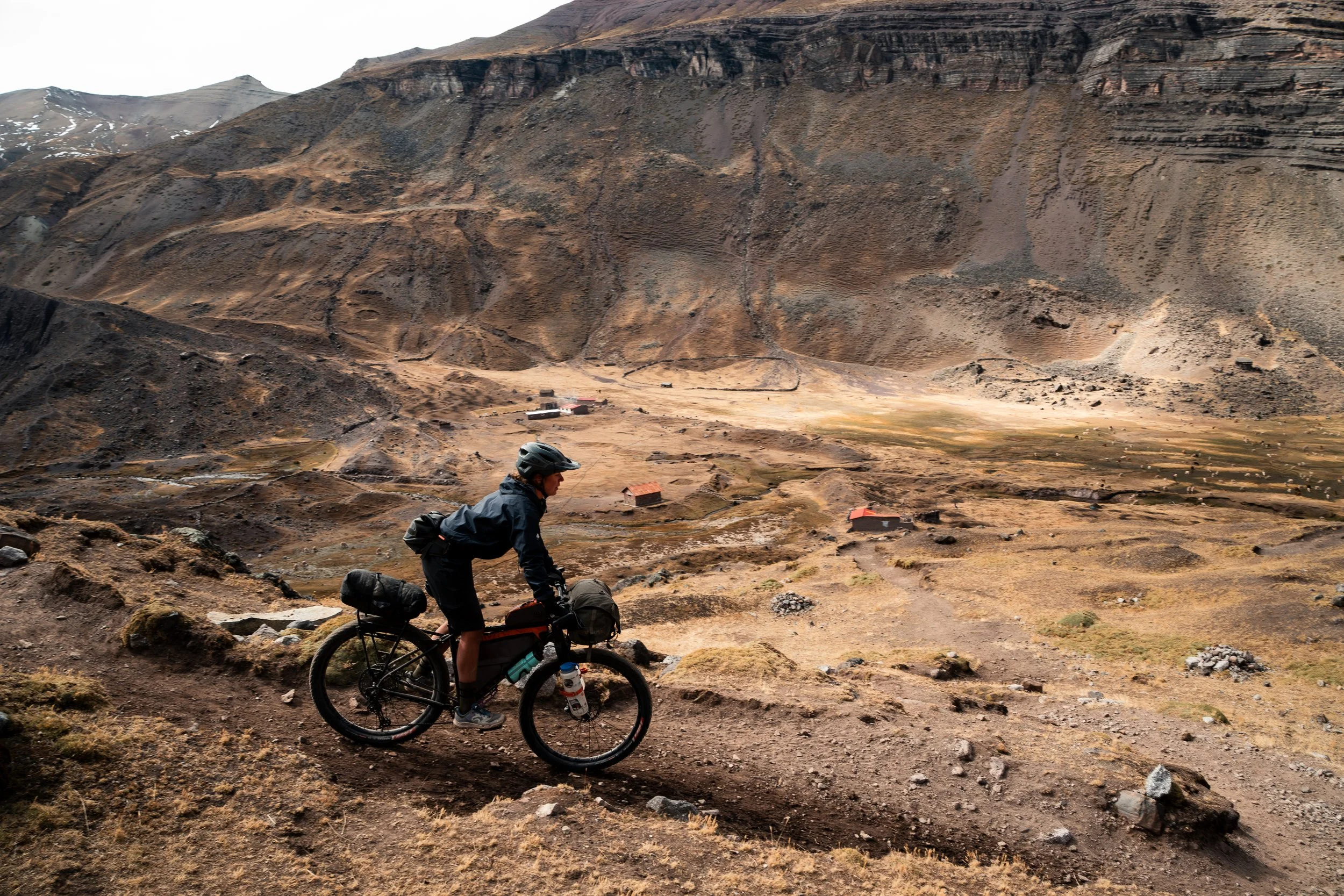
Jackets on, we descended the other side, and it made all the climbing worthwhile. It was essentially singletrack that felt built for the bikes, and was 99.9% rideable. We wound down and around a few gullies and ridges, before looking for a campsite amongst the few small lakes in the valley. Given we had the time, we opted for the furthest one. Near here, the path became essentially a road, lined on both sides with stone walls. There were a few farms around, but it was hard to tell if they still farmed, or just made money through hiking infrastructure now. We turned onto where the camp I had seen on the map should be, and realised it was more built than a grassy field. Not being bothered to go further, we paid our few dollars, and were able to set up camp inside a building, with a table and chairs to eat at. May as well take the luxury whilst we can. Just before dark, a few girls arrived who had hiked there. Despite a donkey train to carry their bags, it had taken them all day to cover just 8-9km, which must have been quite the relaxing walk.
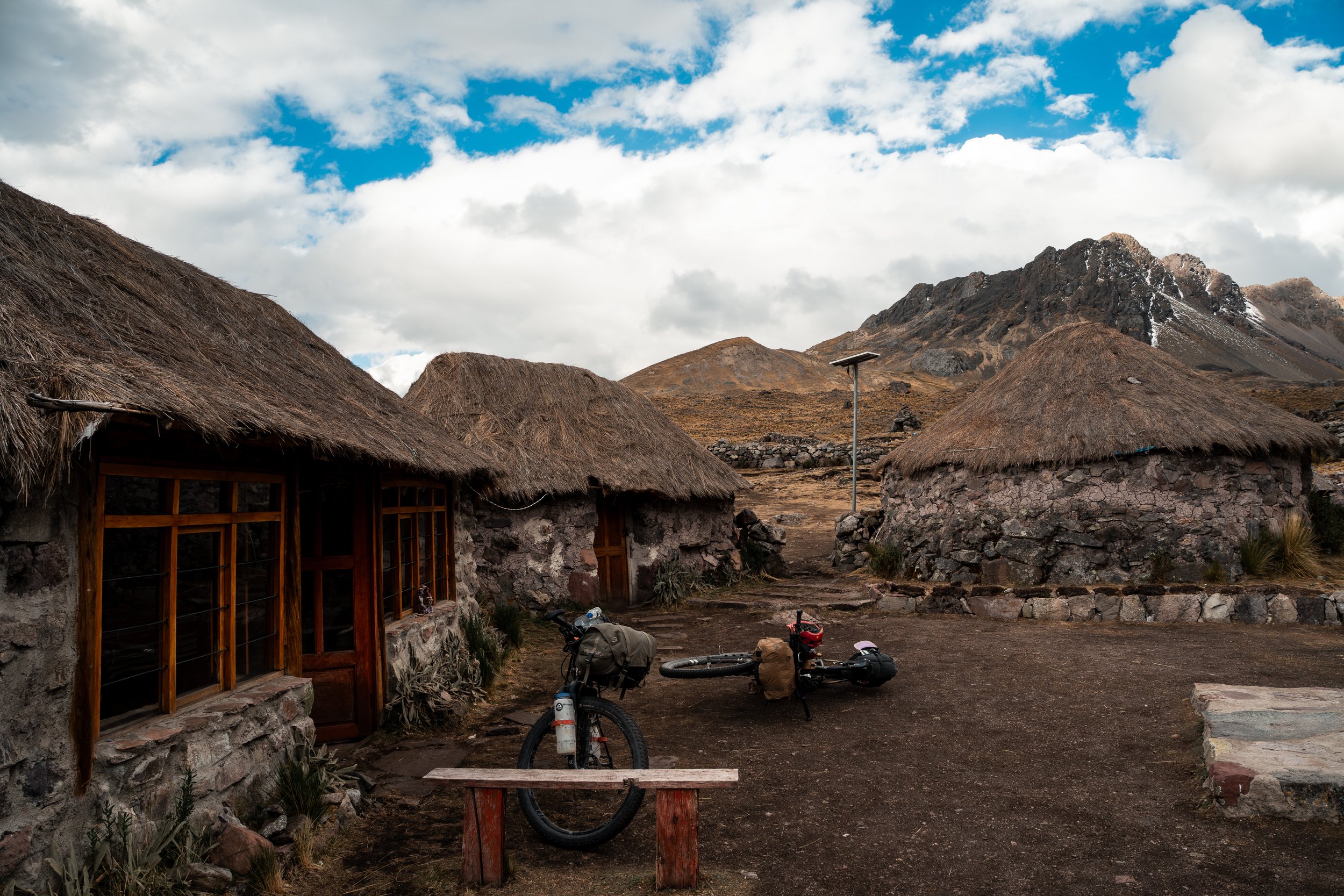
Our ‘campsite’.
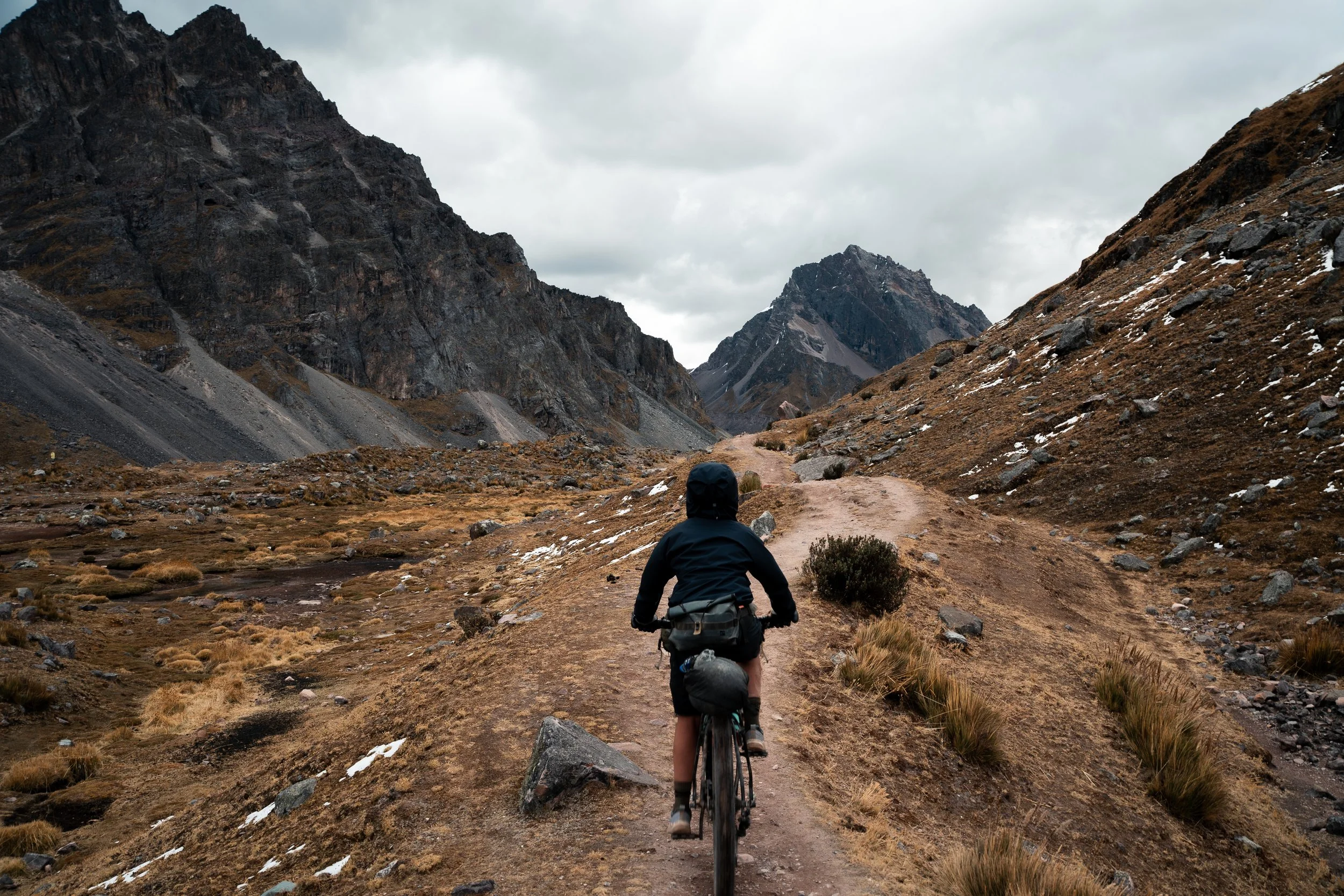
The next morning the scattered cloud had disappeared, and it was beautiful sunshine all around. We started with a gentle rideable climb, before picking our way across a bog. From here a trail wound downhill all the way to the small village of Upis. On entering, we were approached and purchased a ticket for the trail, for $10 each.
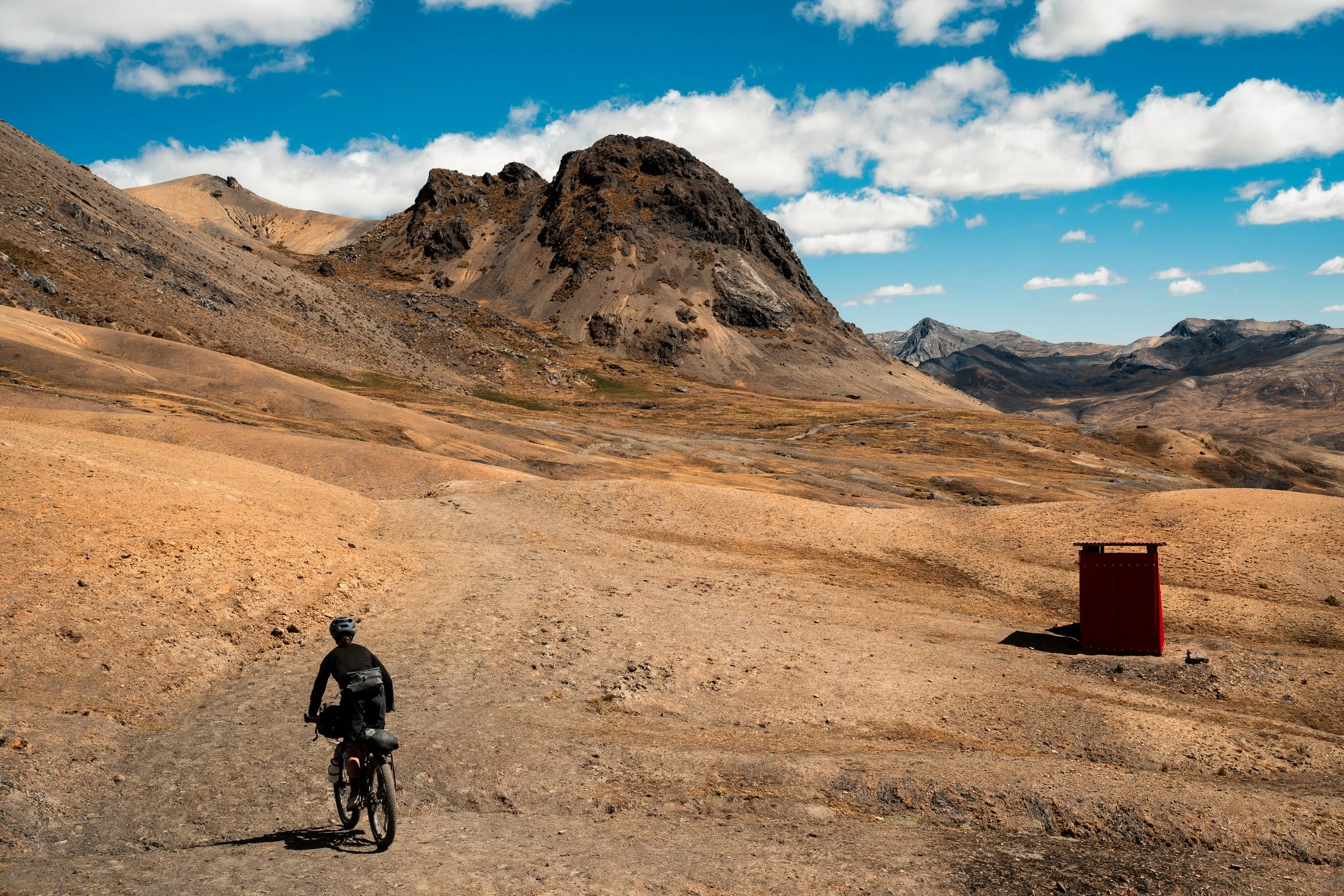
The next pass was only 2km away, and not much climbing. It was a gravel trail, but made a little more difficult by frequent steps we had to lift the bikes up. From the top was another amazing smooth descent, with small rollers we could pump for speed.
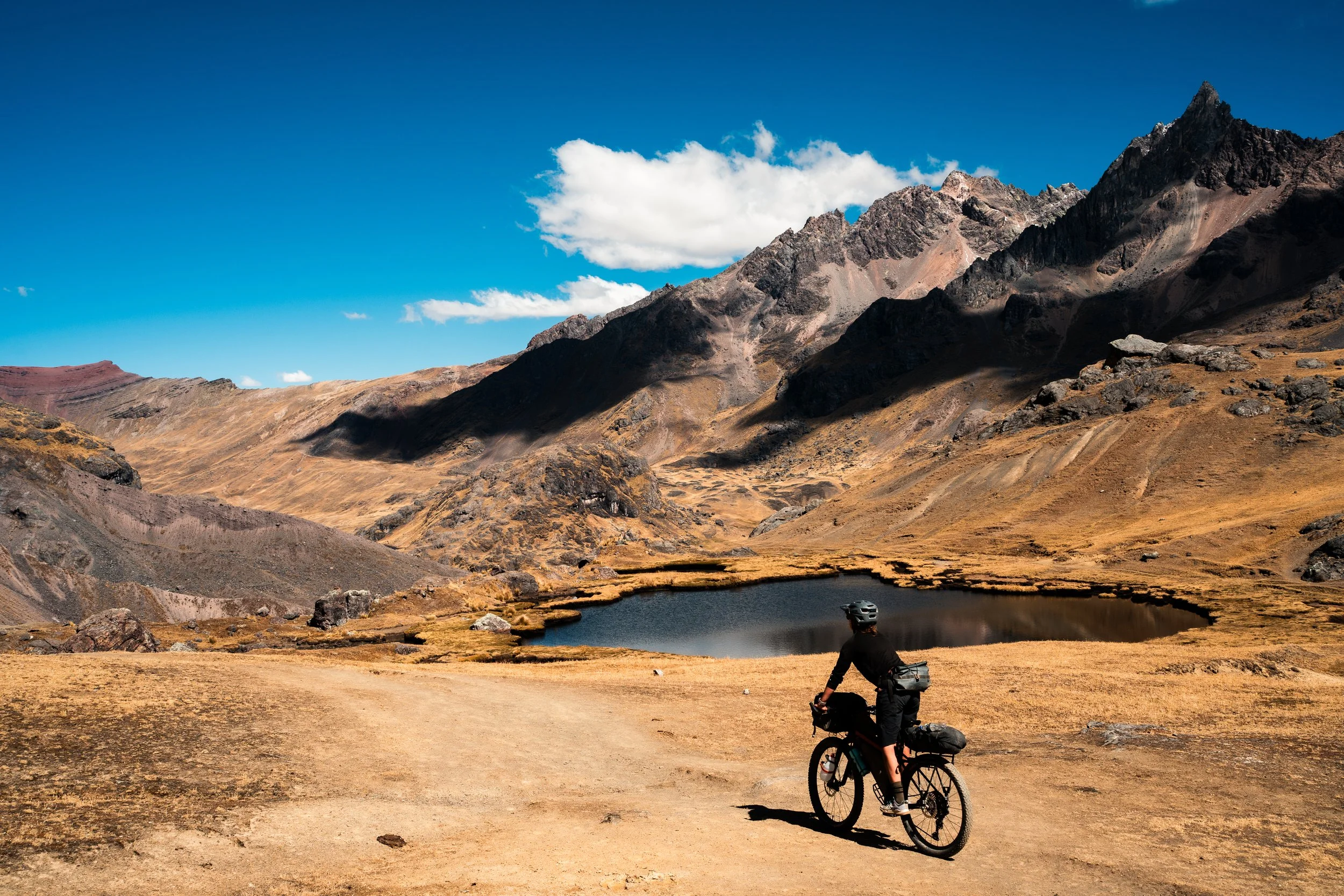
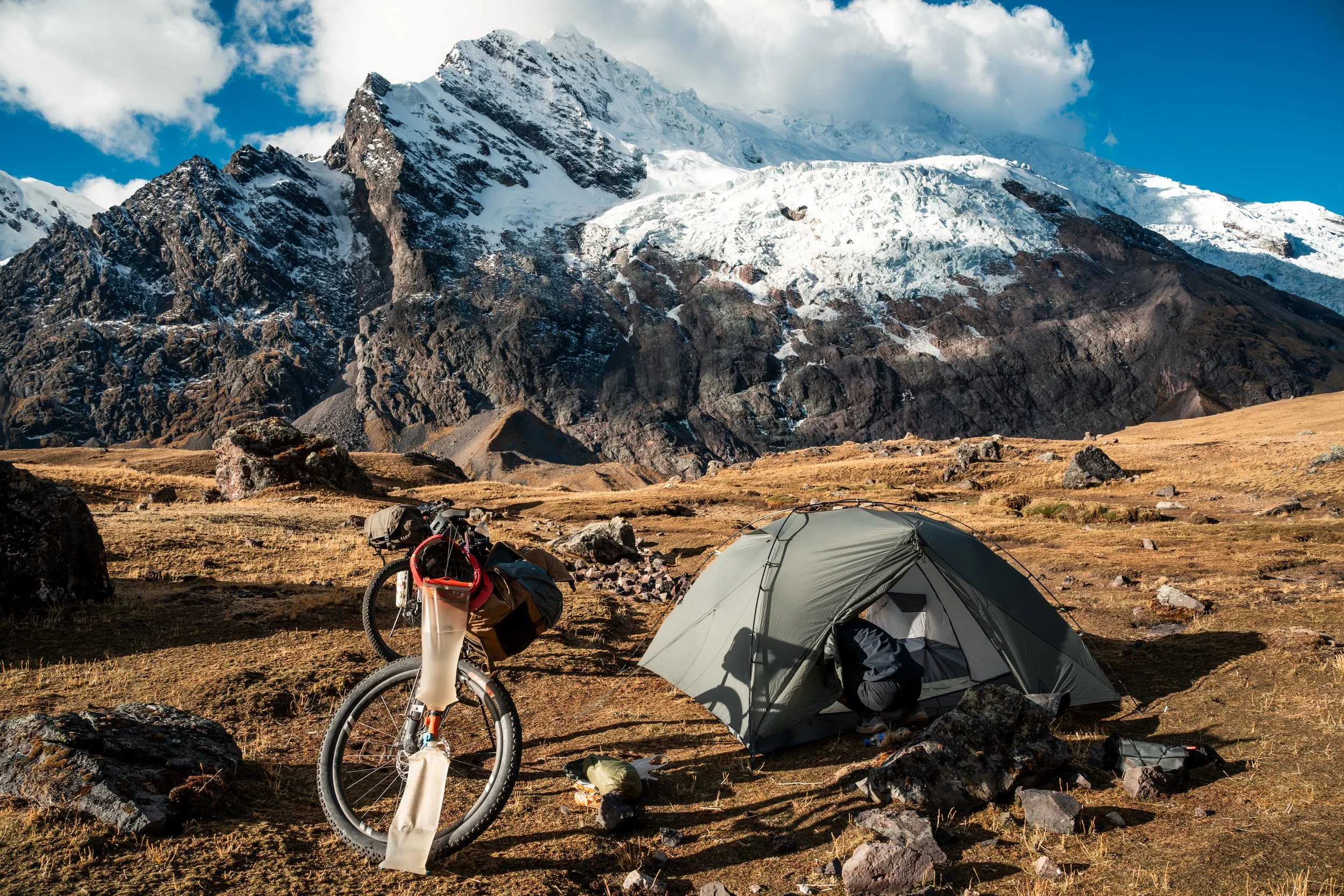
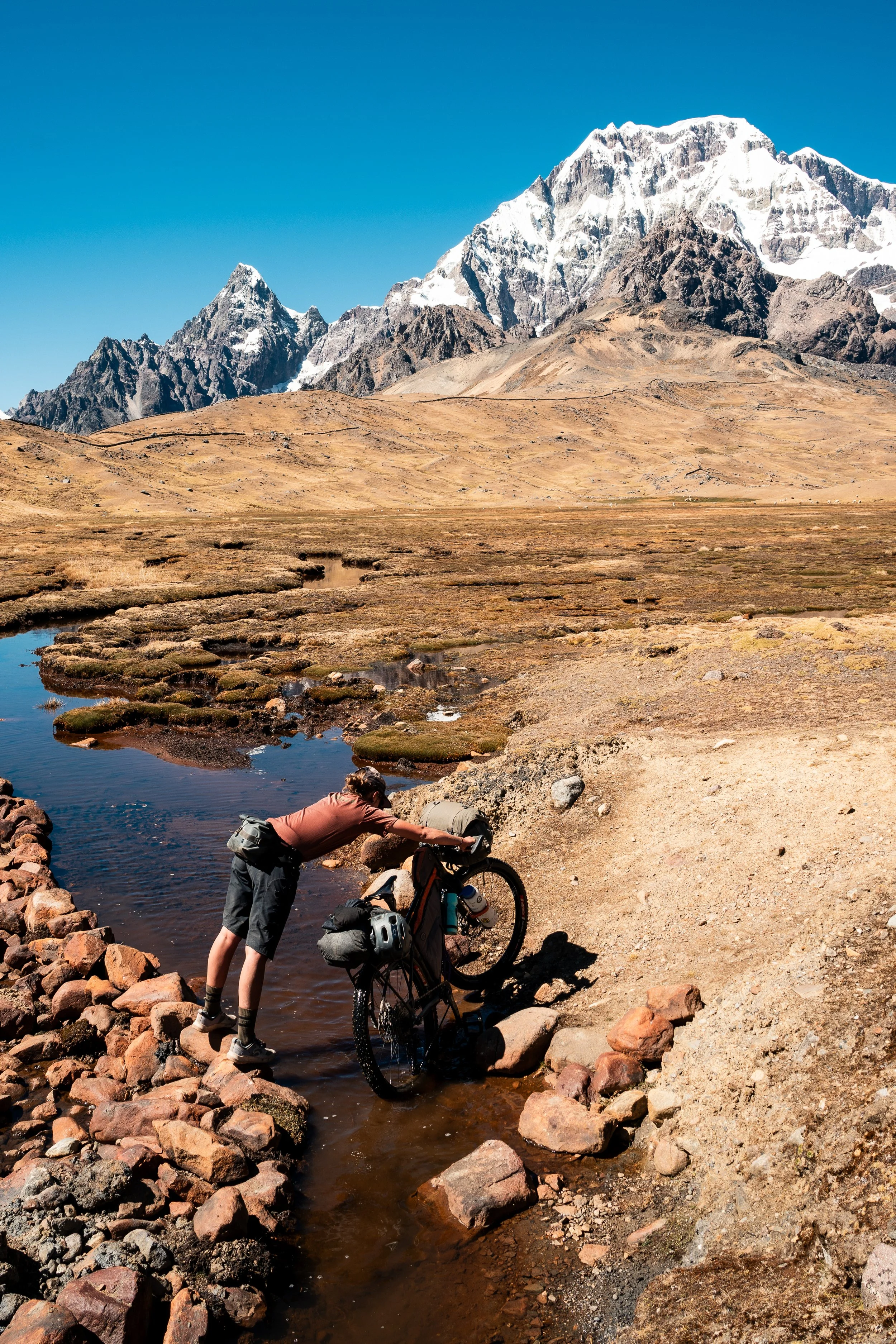
We took a quick look at the laguna campsite at the bottom, and decided to head further up the valley. This was quite a steep section of pushing, but still relatively easy, even if we were cursing it. After a few hundred metres of climbing, we were able to look down on two potential campsites, and make a bad discovery. We had forgotten to fill water at the laguna, and now had to consider dropping 100m of elevation to a bog to get some near the campsite. We checked the map and found what should be a stream nearby, but it was dry. We followed it further up the hillside and some flow returned, along with a lot of plastic waste. More debate ensued, but ultimately we decided we didn’t want to lose the elevation, and would tolerate the dirty water through our filter.
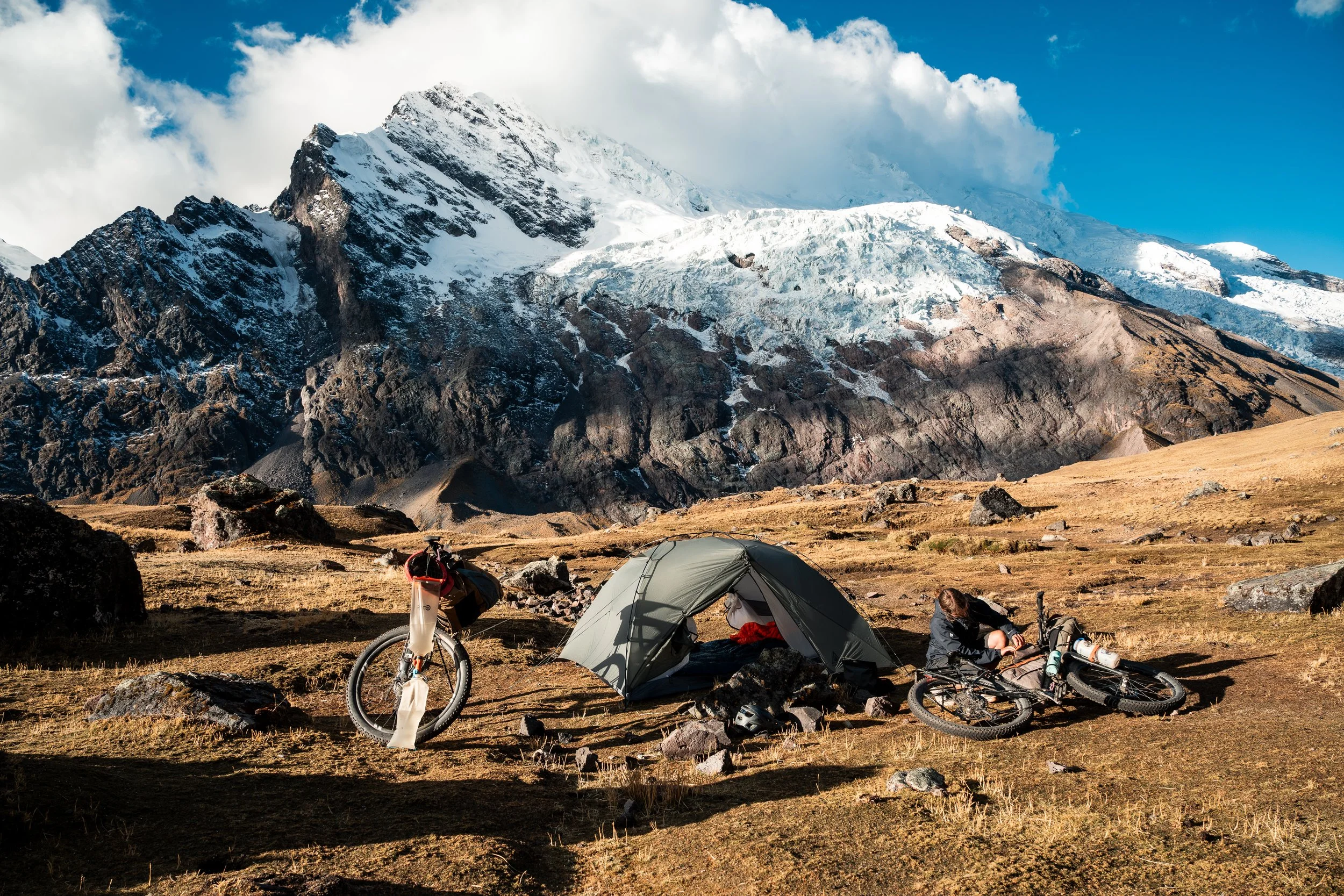
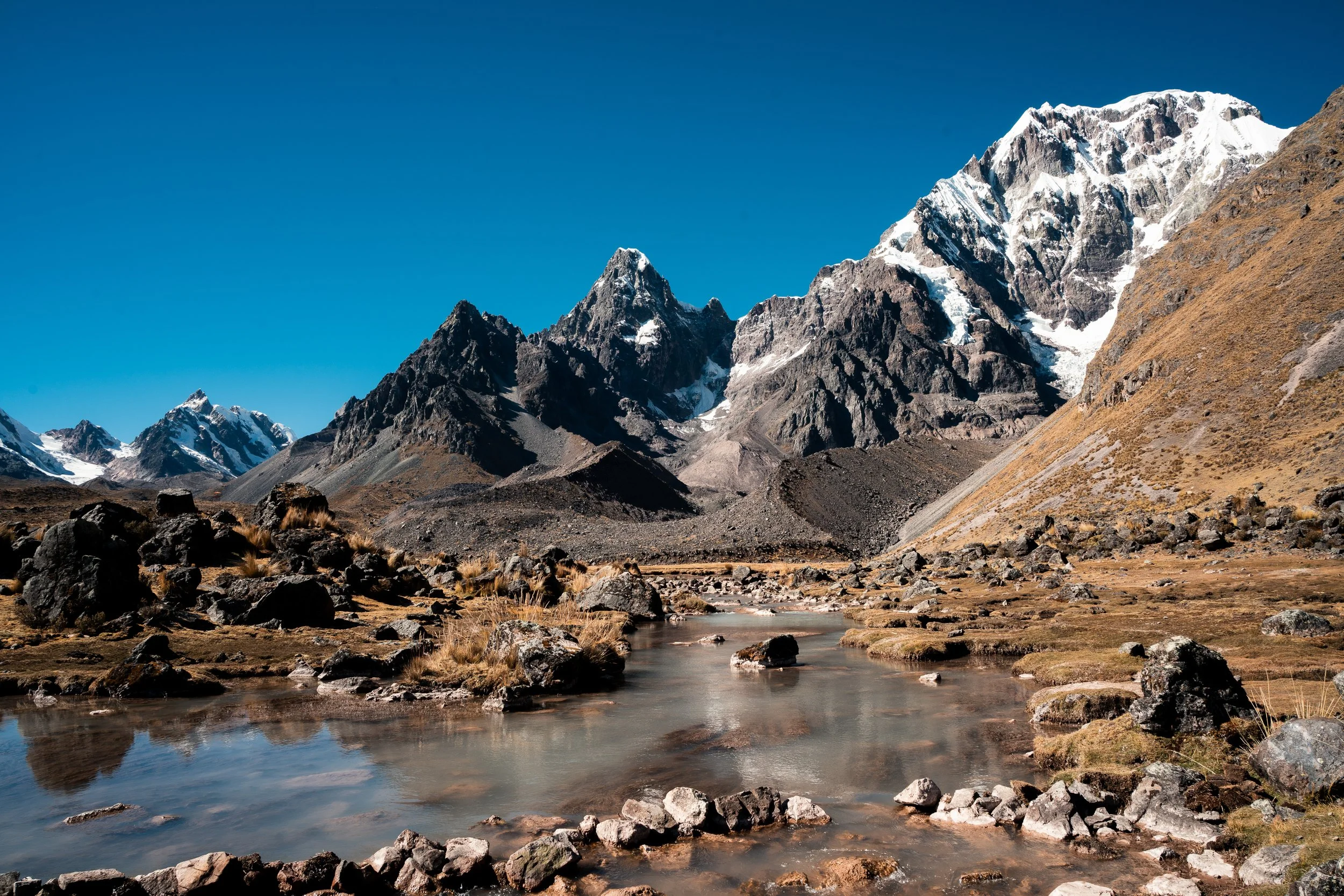
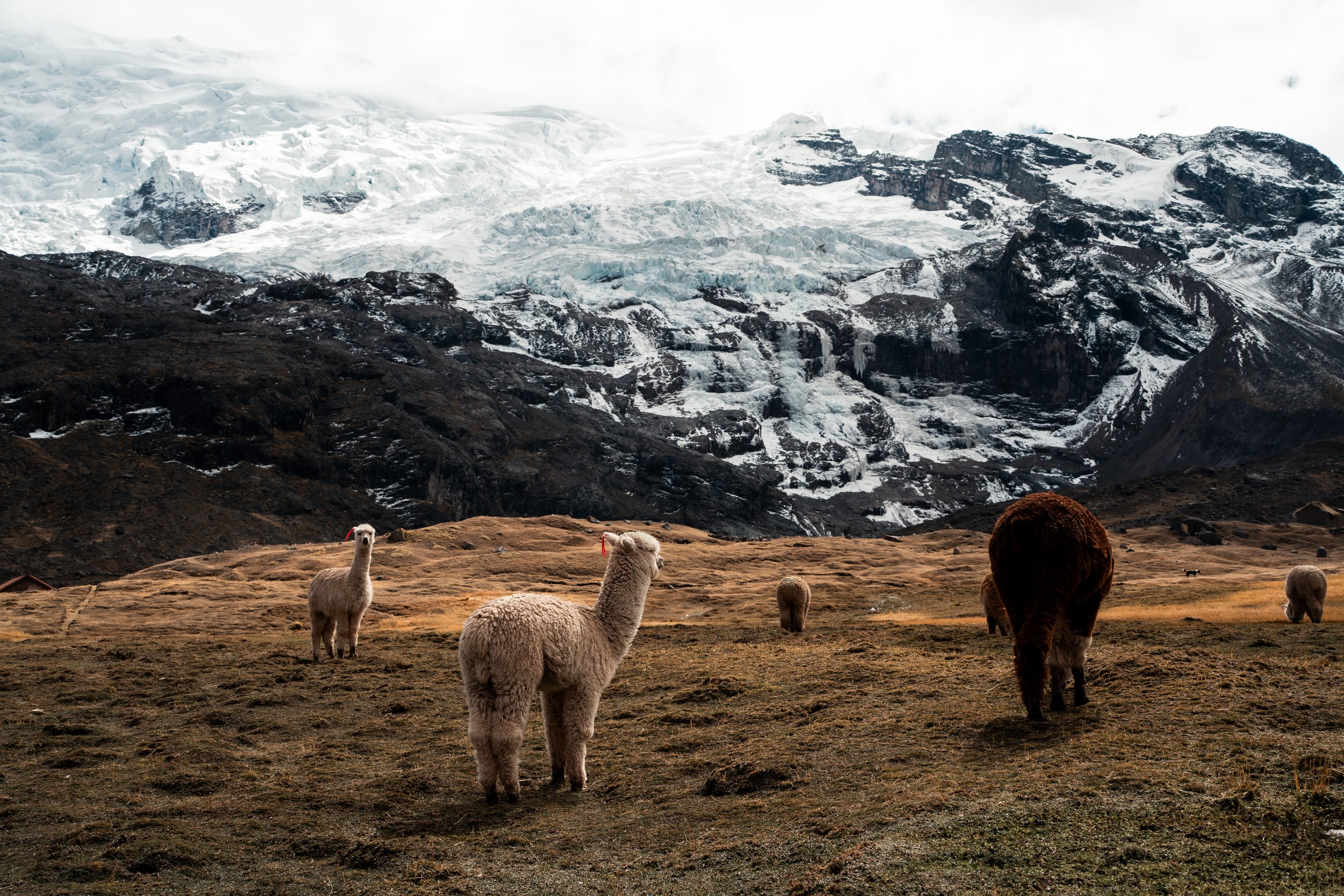
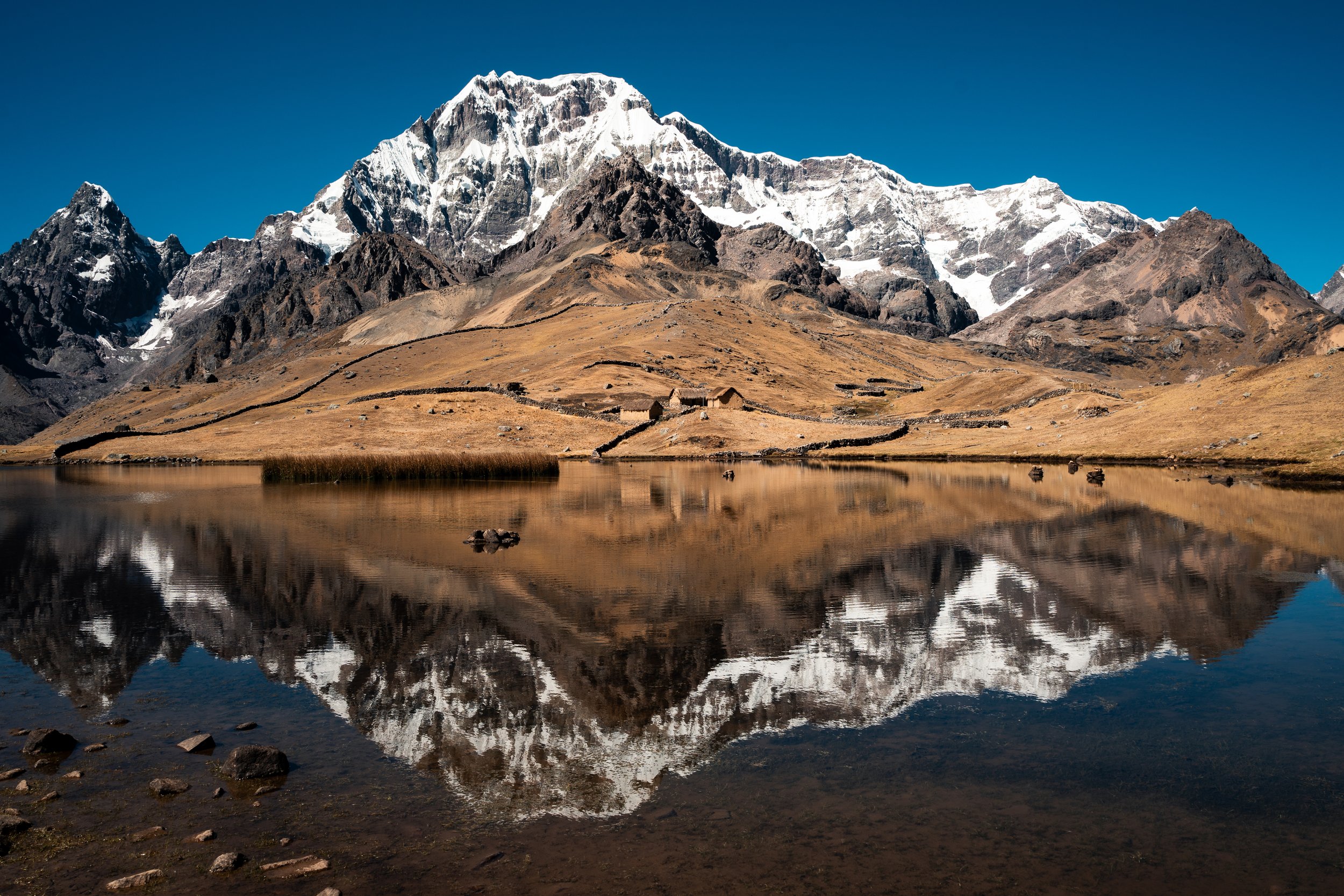
We got the tent up and enjoyed sunset views of Ausangate, before calling it a night. Just after dark, a dog began barking nearby, coming close to the tent before disappearing. This repeated at midnight, with multiple dogs barking, getting to what sounded like 10m of the tent, and then quickly running off down the hill.
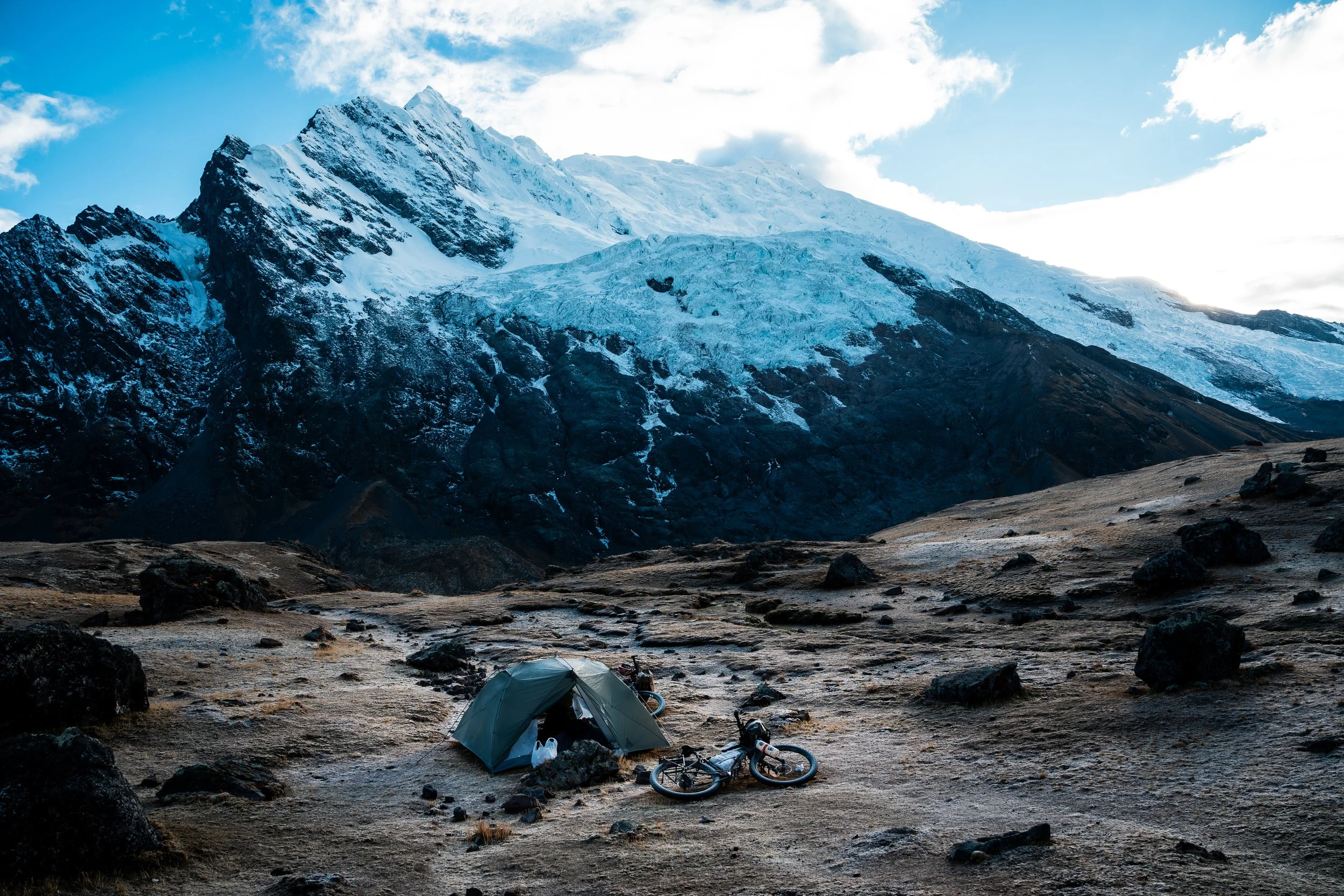
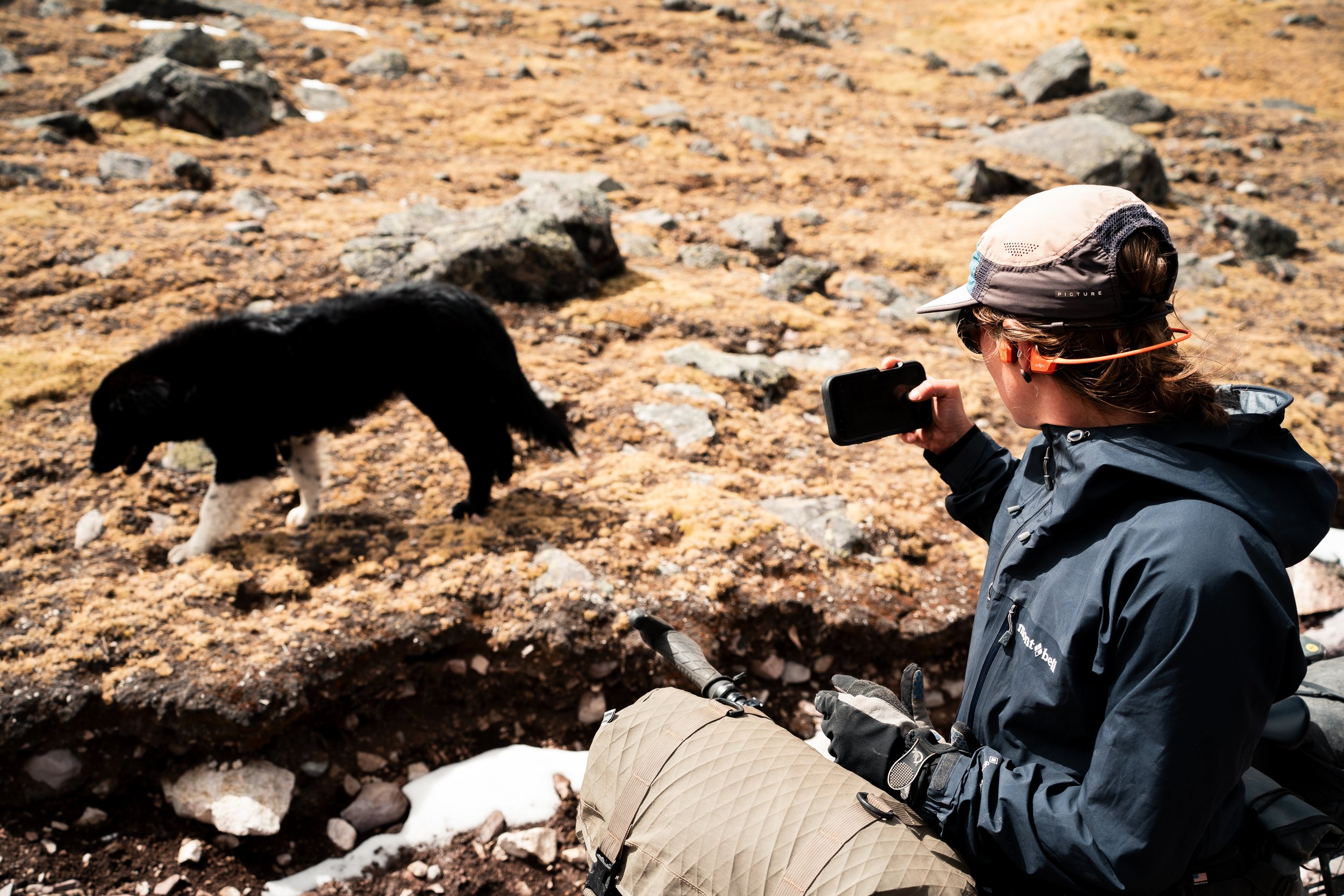
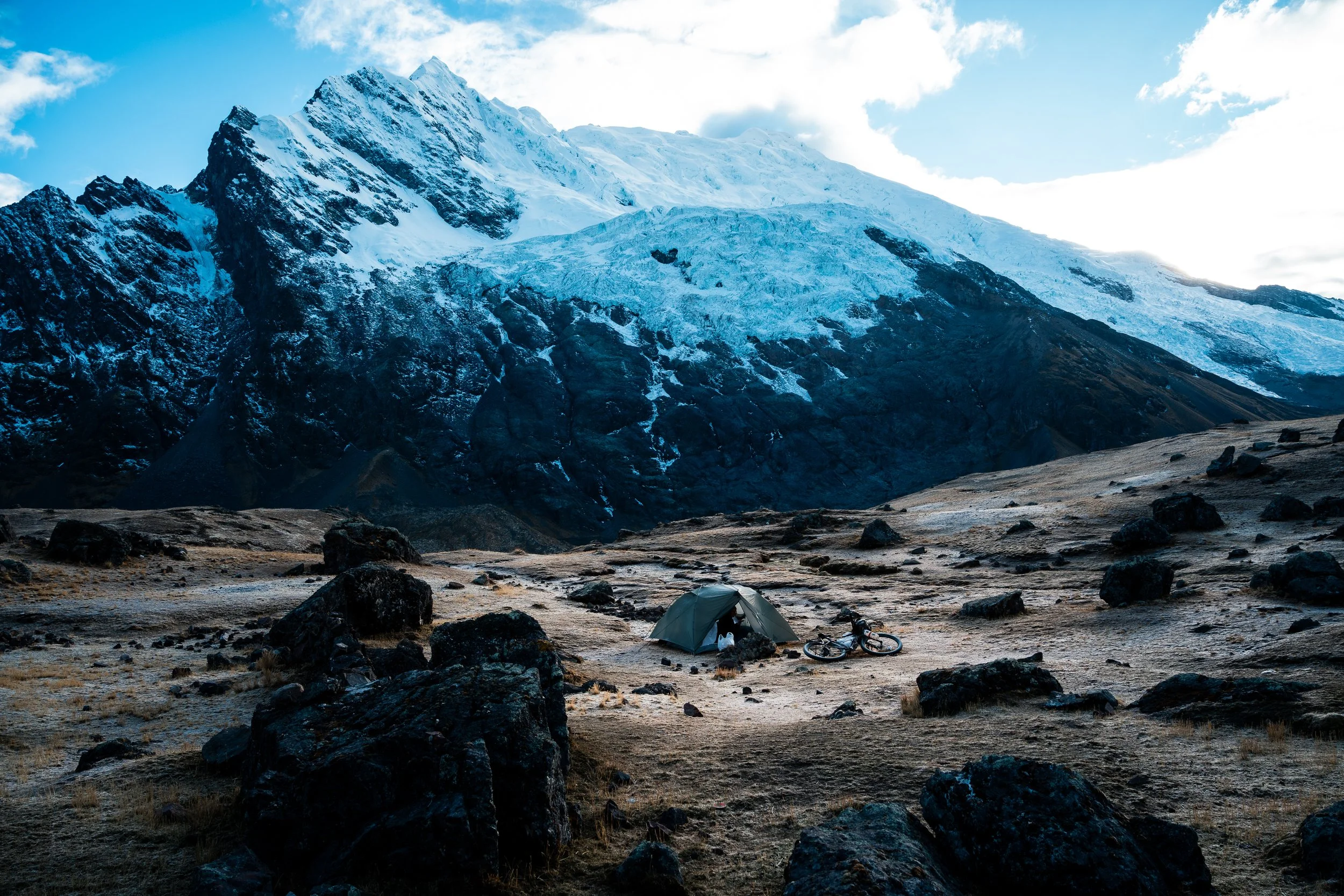
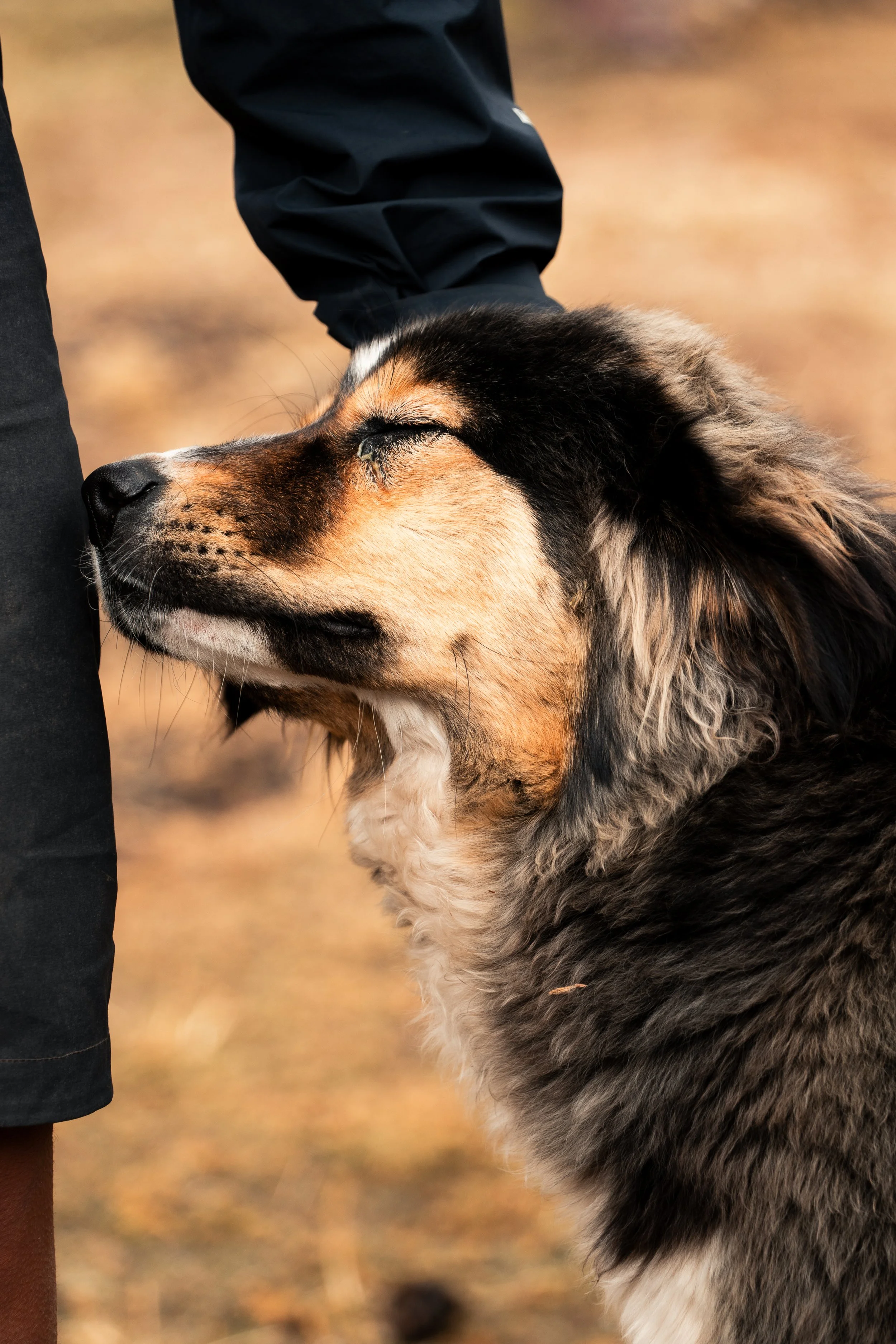
Morning came with a late sun, slowly emerging from behind Ausangate. Once nearly packed up, another dog barked and ran over, immediately sniffing around our camp for any food scraps; finding a few dried noodle pieces Lauren had dropped. After a few scratches and getting the tent down, another dog appeared on the hillside. ‘Our’ dog barked and chased them off, before returning to us and making sure the other dog (who was not aggressive at all) didn’t come close. They followed us partway up the trail before suddenly running down to some farm houses, where we saw the two dogs, so antagonistic at our camp, running and playing with each other. From here it was only a short push over the last pass.
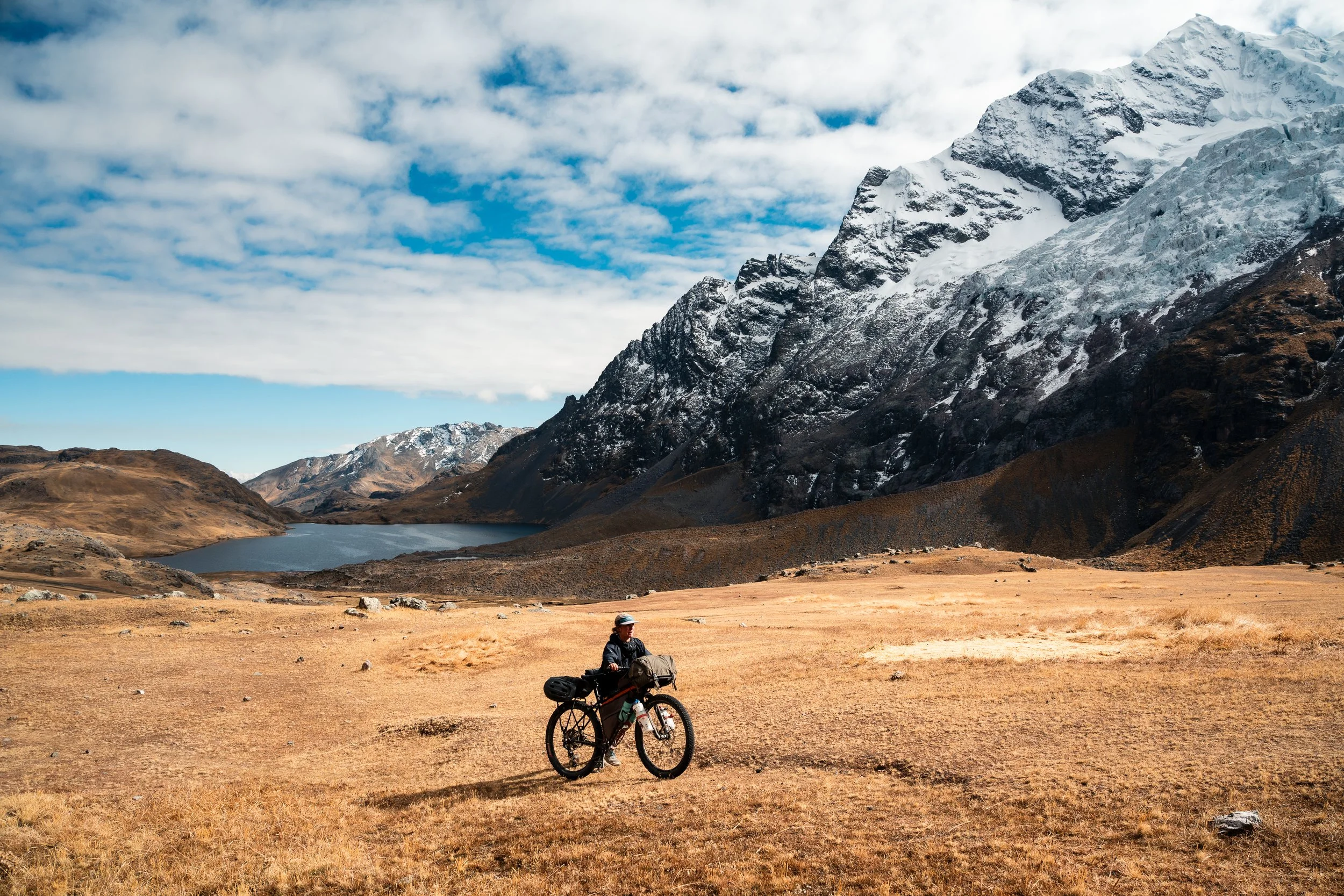
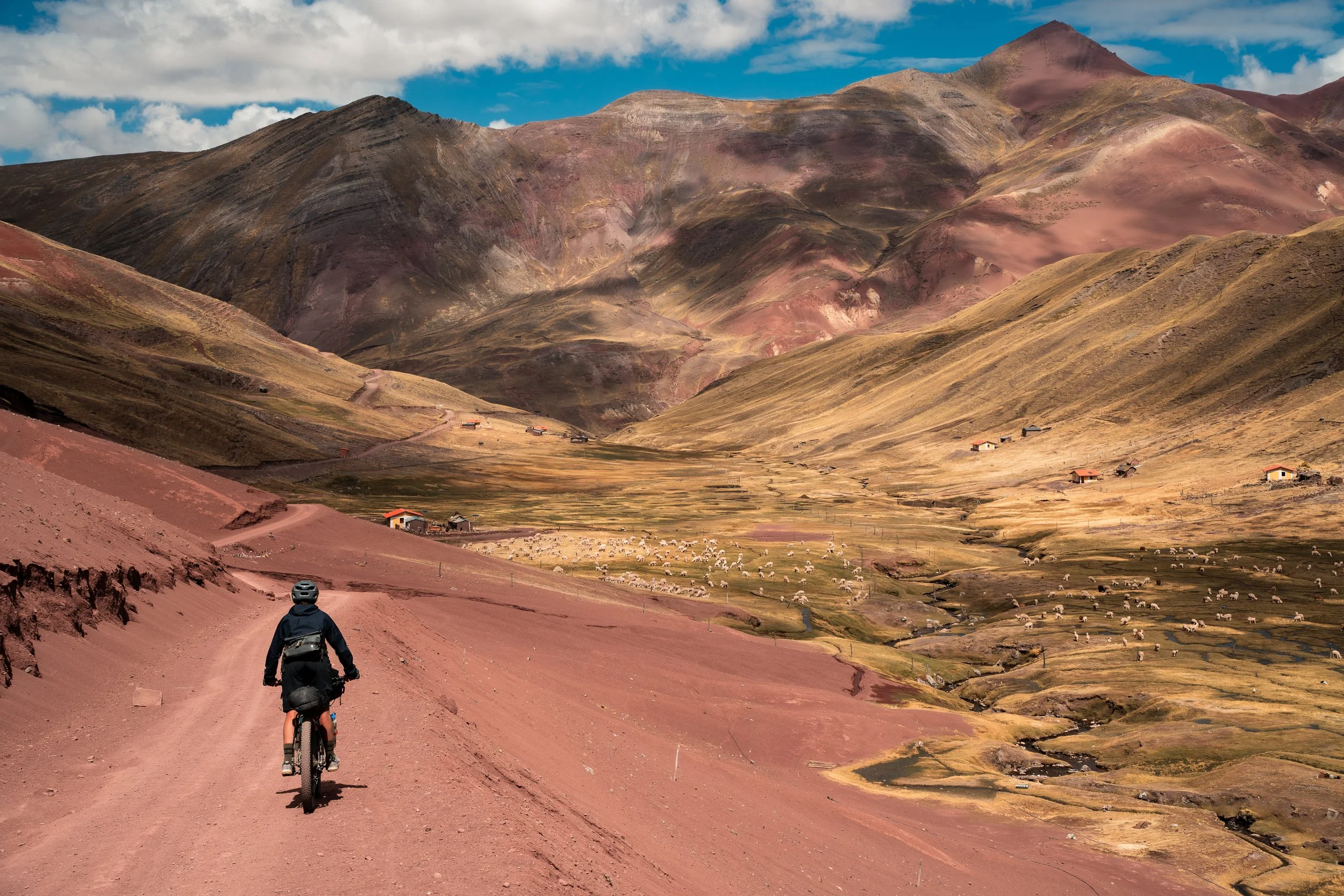
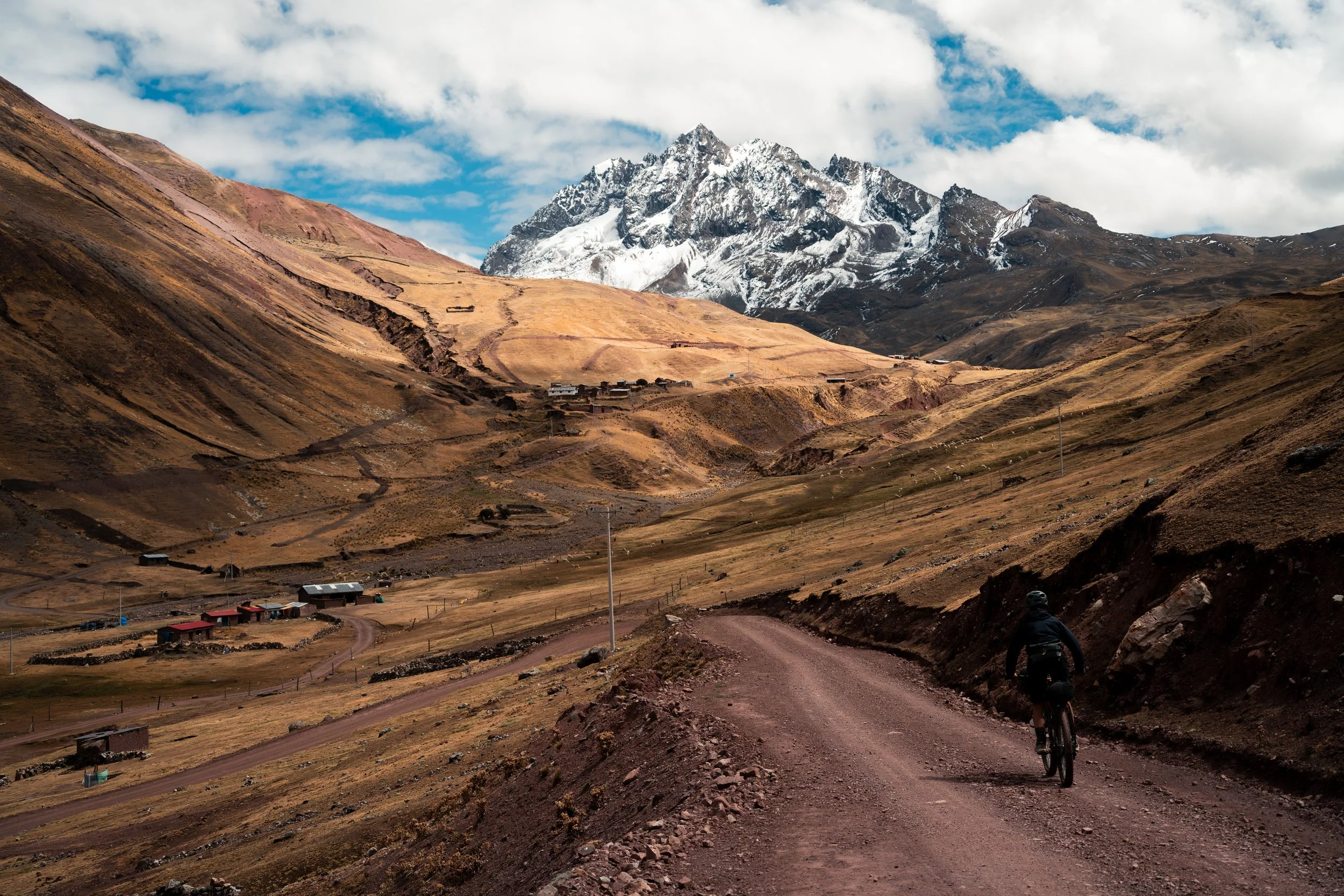
Even the road out was nice.
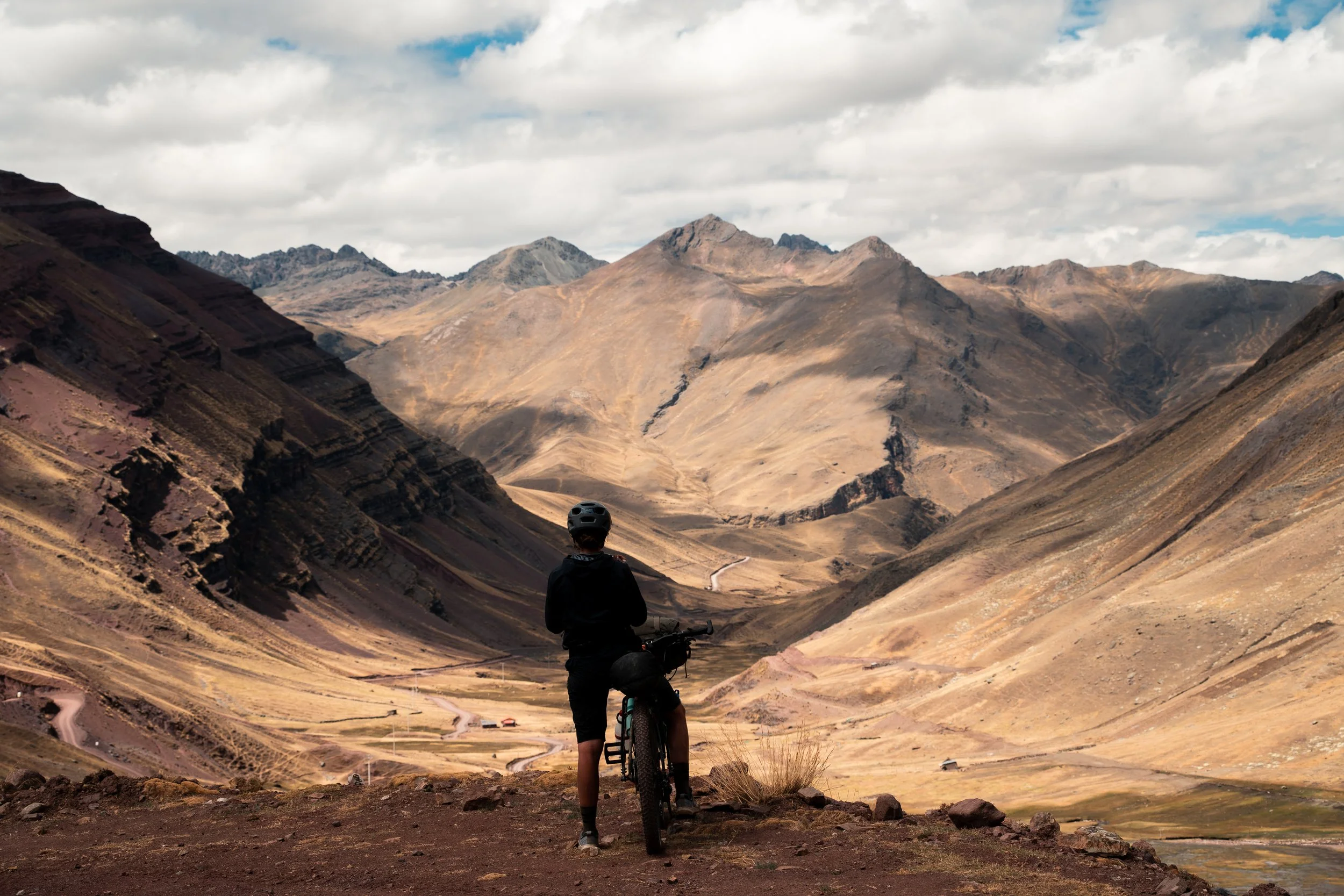
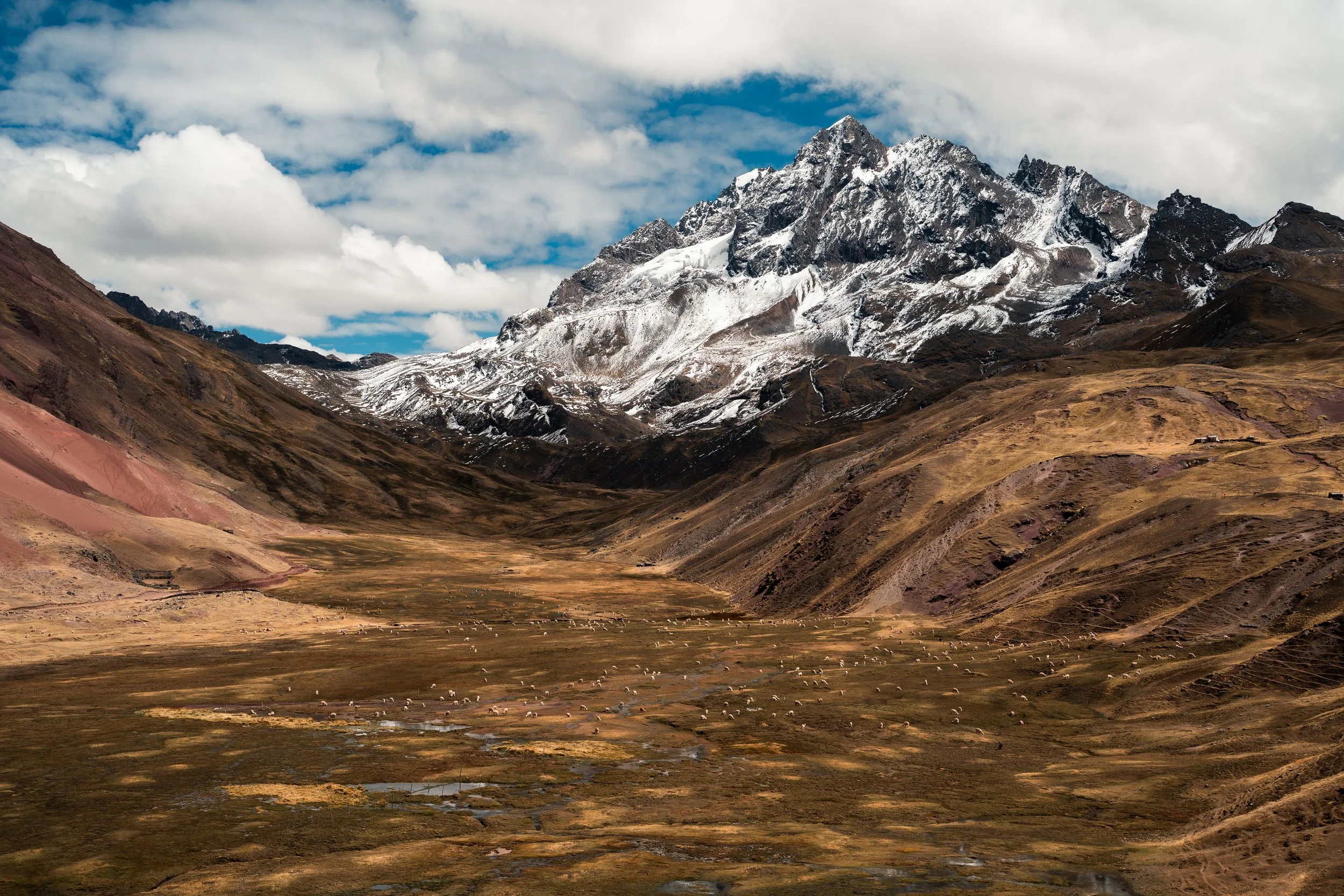
The village of Chilca.
A loose and steep but rideable descent brought us to Laguna Ausangate. Here we paid another small fee, and were twice pointed to a road we could have followed that would have skipped this. A few minutes of trail riding and we joined onto a gravel road, which took us all the way back to Chilca. We gathered our bags and were on the road south by 1100. At this point we had been on the road 30 days since leaving Sorata, delayed by illness, landslides, and snow. For the past 3 months we had been talking about the food we would eat in Cusco when we finally arrived. It was almost all downhill on a well-surfaced dirt road, and we made excellent time. Passing us were at least a hundred, maybe closer to two hundred tour buses, all coming back from Rainbow mountain, reinforcing that we made the right choice in not visiting. Most occupants appeared to be sleeping and missing the Incan terraces and beautiful valley; we found out why when our hostel became a hive of activity at 4:30am each morning as people left for these tours.
Pitumarca was the town at the end of the valley. The plaza was a buzz on the early Friday afternoon, and we had some of our best food in Peru there, as women drank massive glasses of beer. We obtained ourselves a taxi, and after traffic delays, made it to Cusco after about 3 hours, getting dropped in a busy plaza. So far on the trip the cities we had visited were countable on one hand - La Paz, which was nearly devoid of tourists after the protests; Uyuni, with its dirt streets more of a glorified village, and San Pedro de Atacama, just a small town with a lot of tourists. Lauren had about 100 food places saved that we wanted to try whilst here, and we weren’t going to leave until our appetites were satisfied.