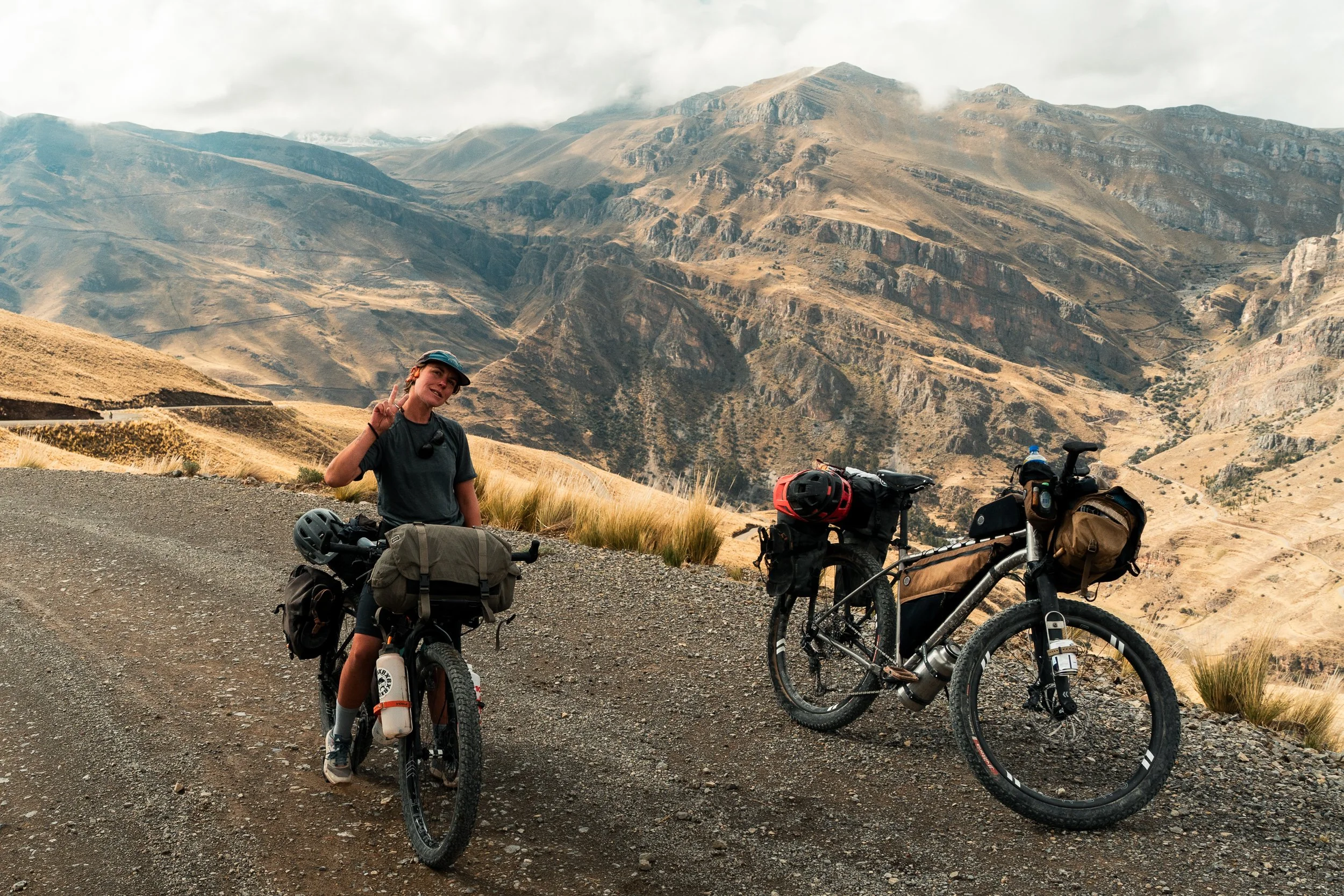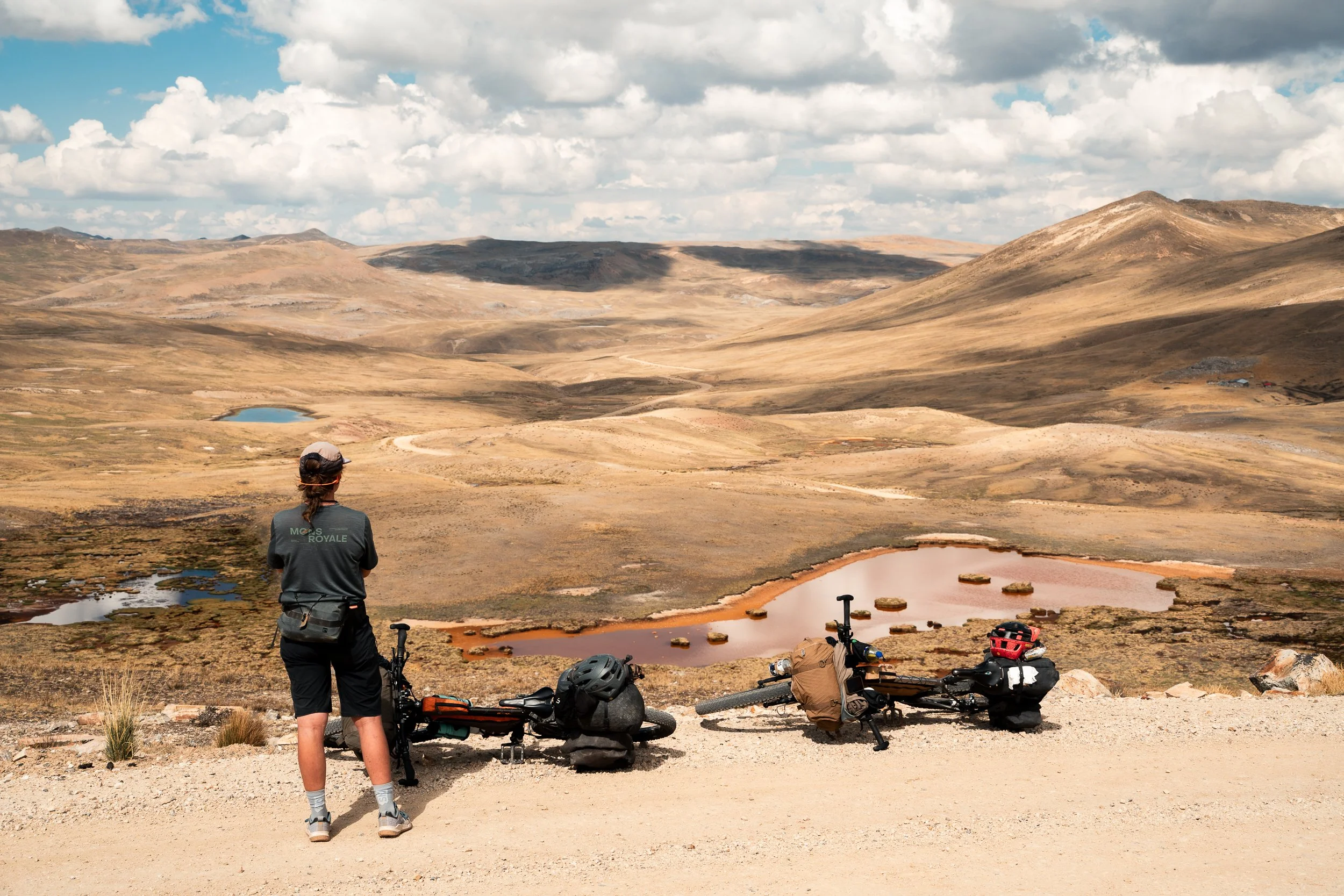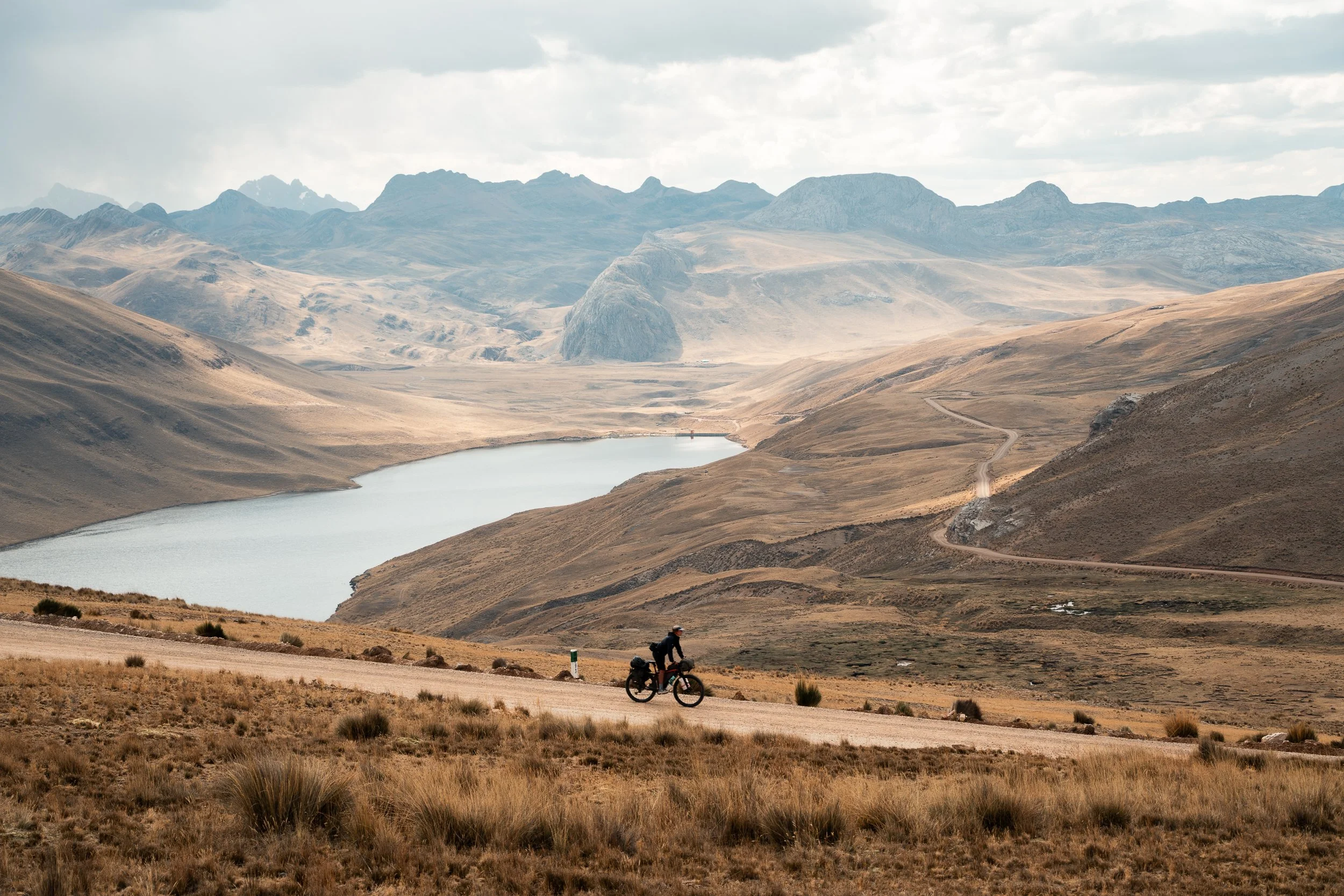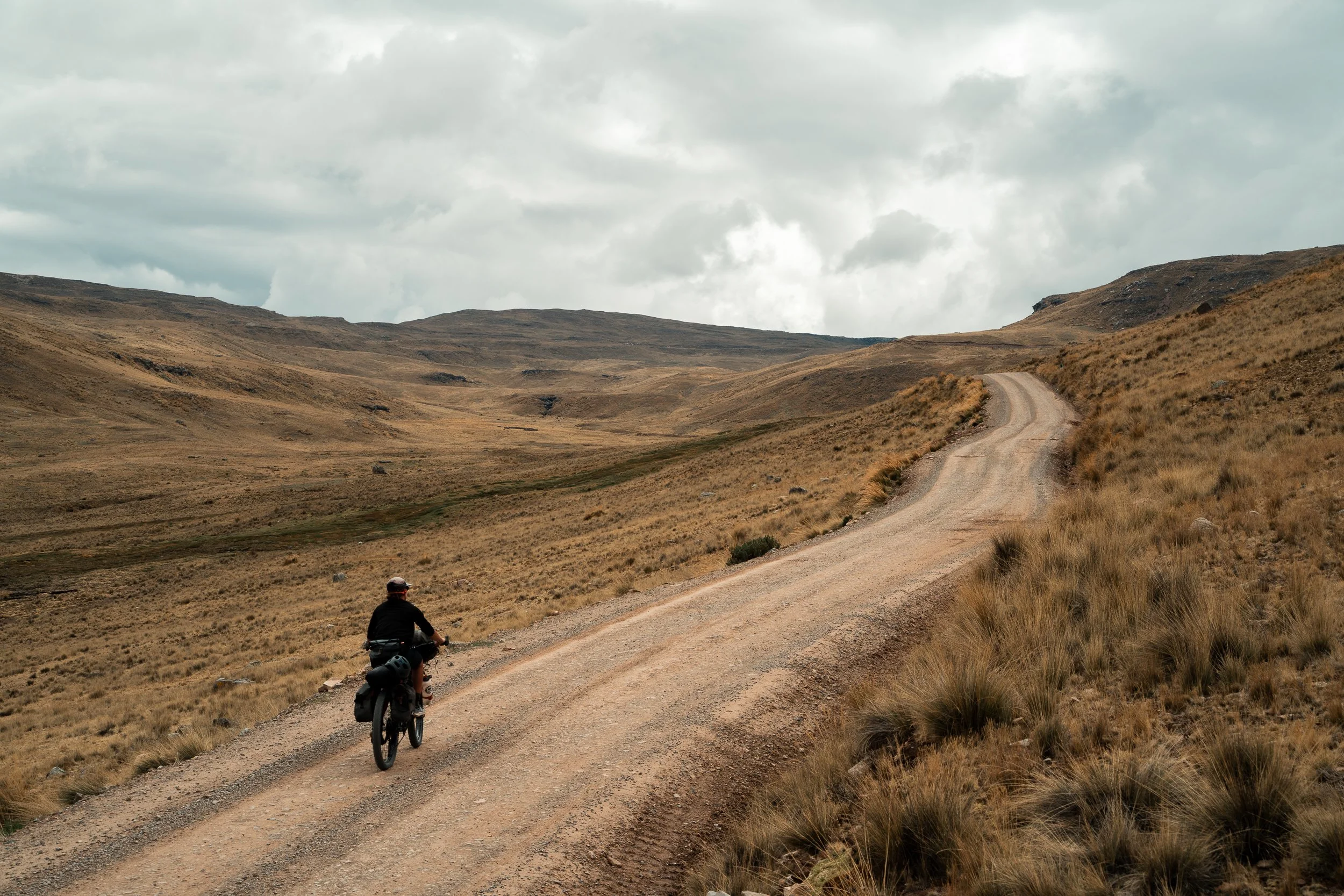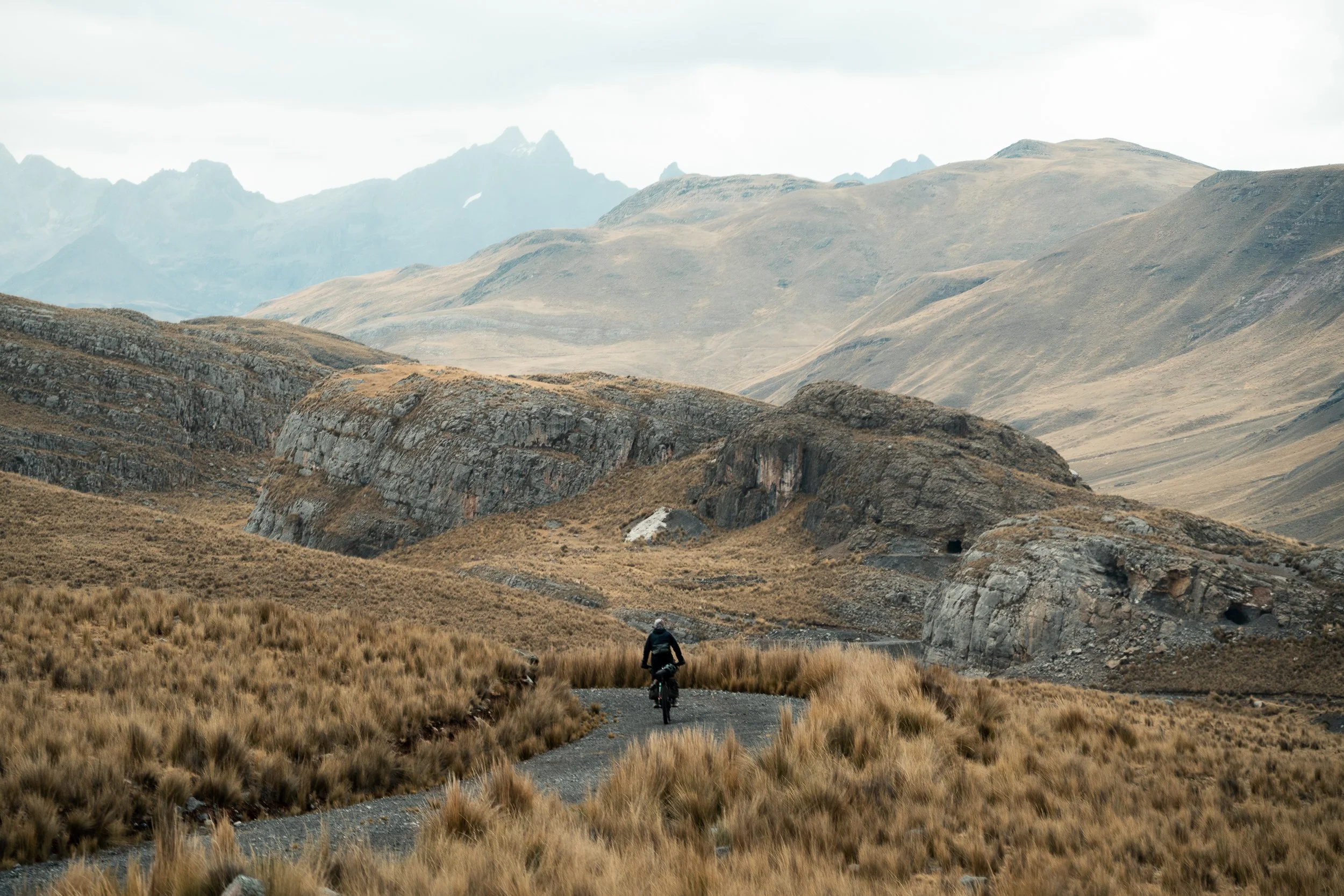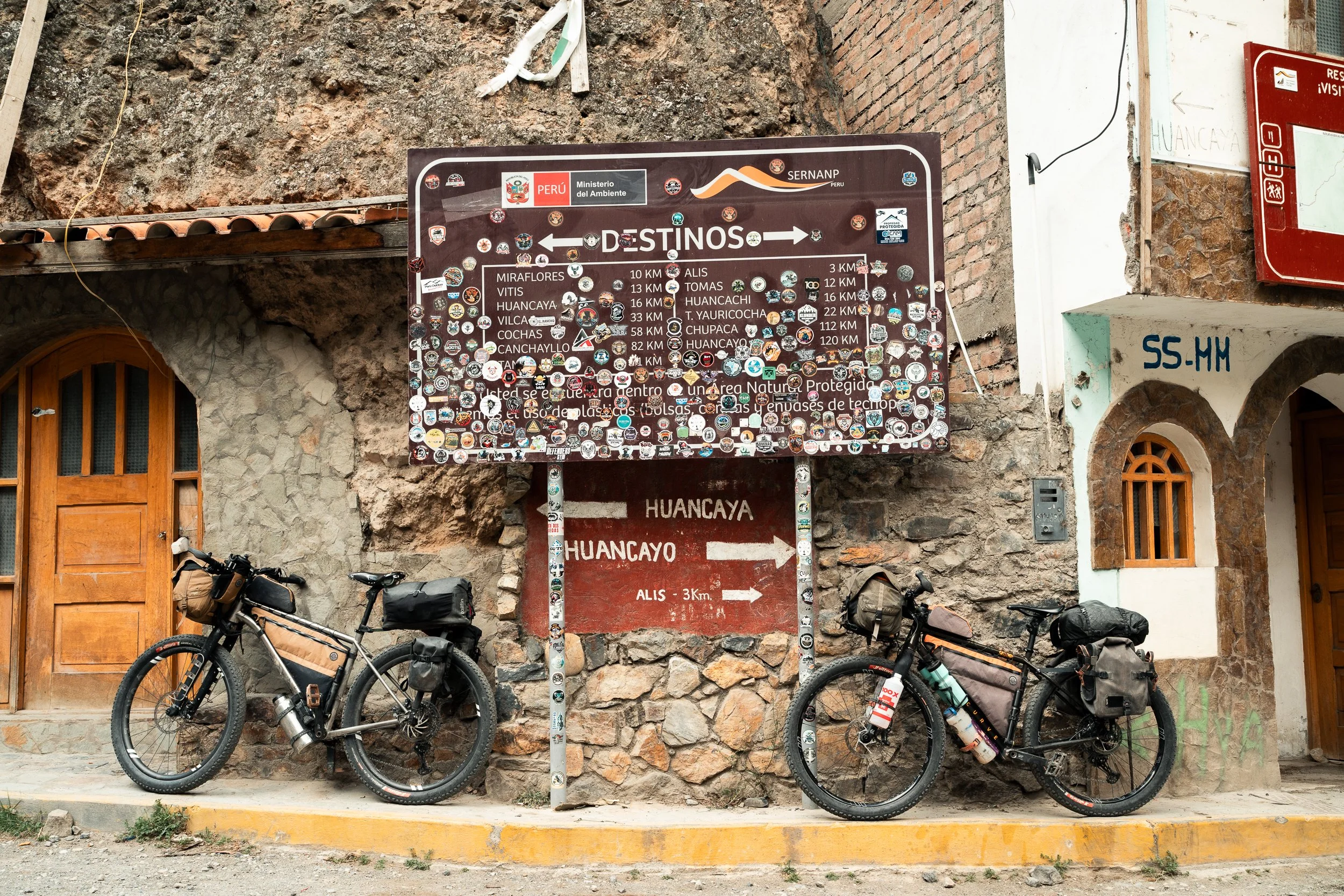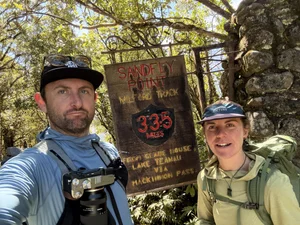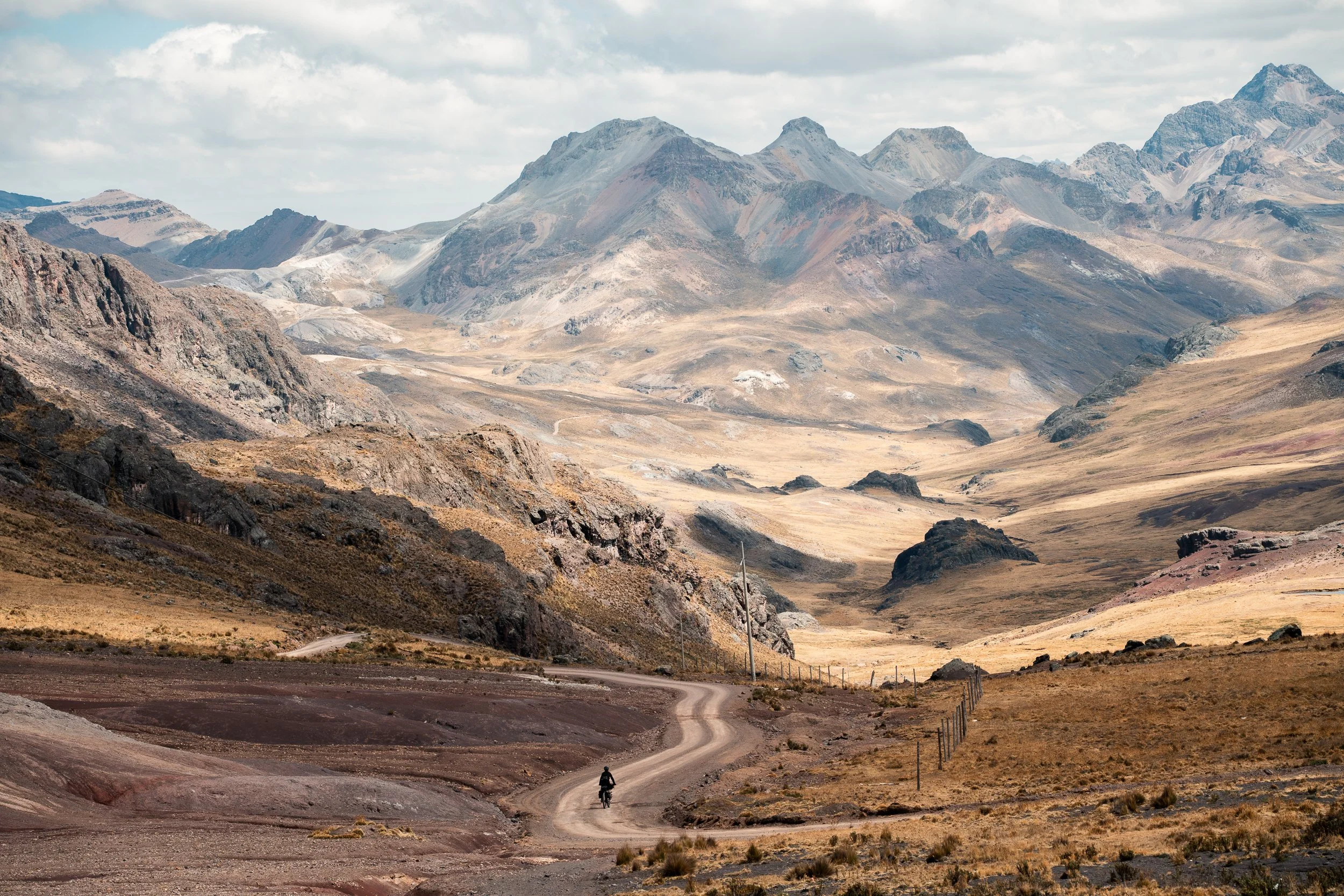
It took 22 hours of buses to get from Cusco to Huancavillica, where we would join the Peru Great Divide for its northern 900km section. 16 hours to Ayacucho, an overnight stay, then a 6 hour collectivo ride to Huancavillica, with the bikes strapped to the roof. It was nice to be back in smaller towns after the hustle of Cusco. We were starting the PGD, one of the most popular routes to ride in South America, especially in Peru. We were just going to be riding the northern (apparently nicer) half. We were performing a seemingly rare feat by cycling north, with cyclists we met reporting only one other person they had seen the entire way doing this. We went from seeing only 6 cyclists over the previous 4.5 months, to seeing some every day. Truth be told, our motivation was low for this section. Ausangate had been an absolute highlight, and we were both ready to return to our normal lives off the bike after that, being very content with what we had done and accomplished already.
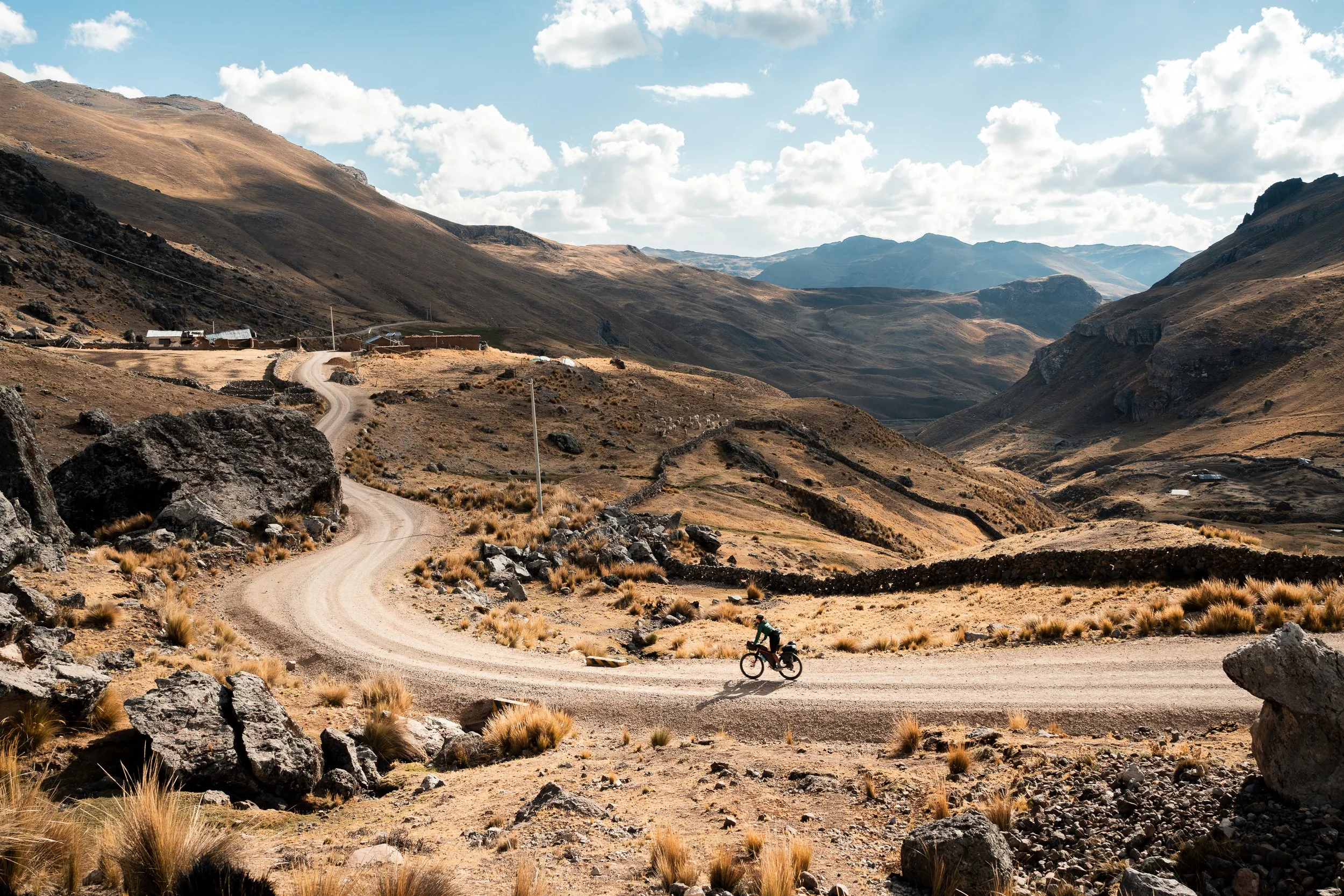
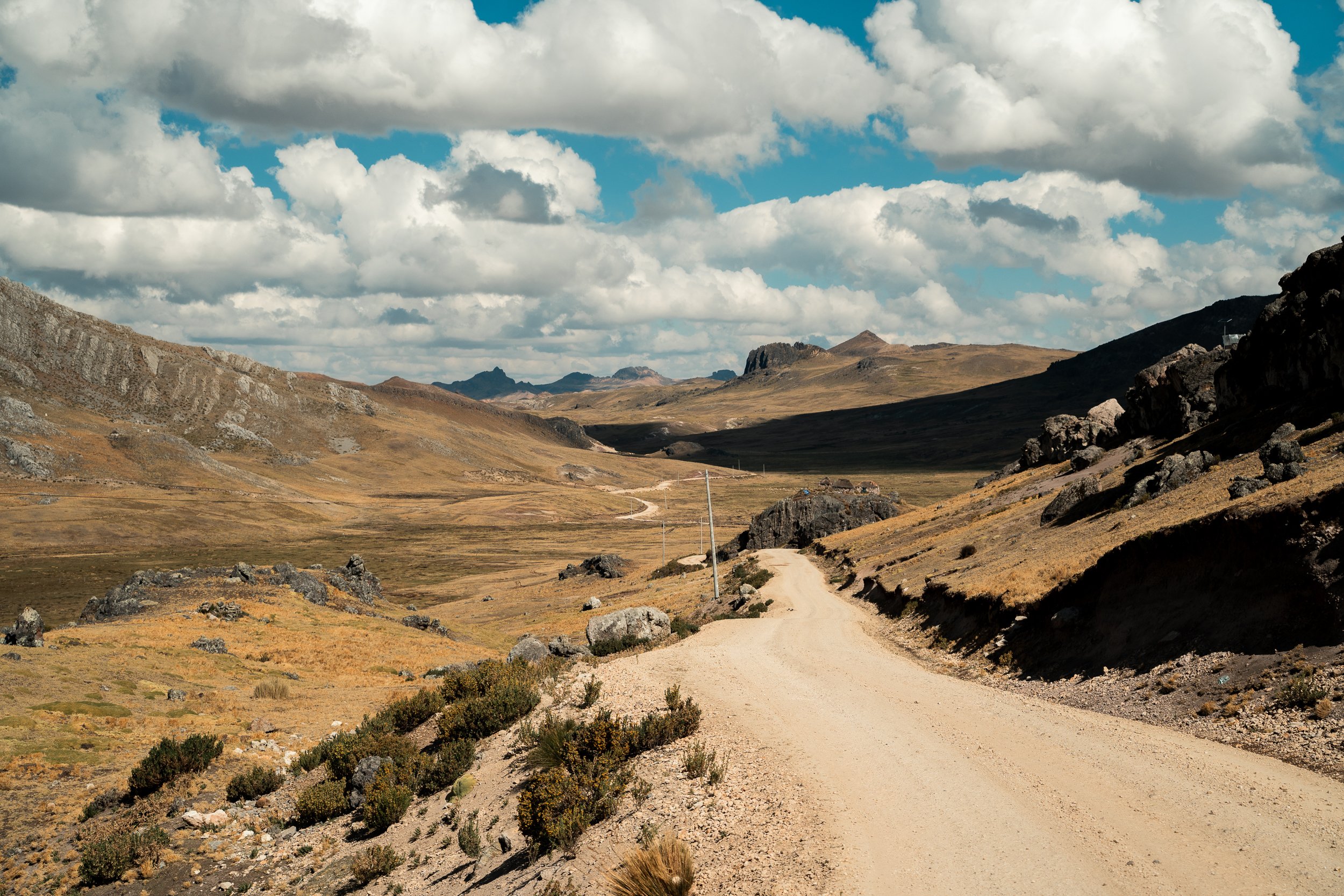
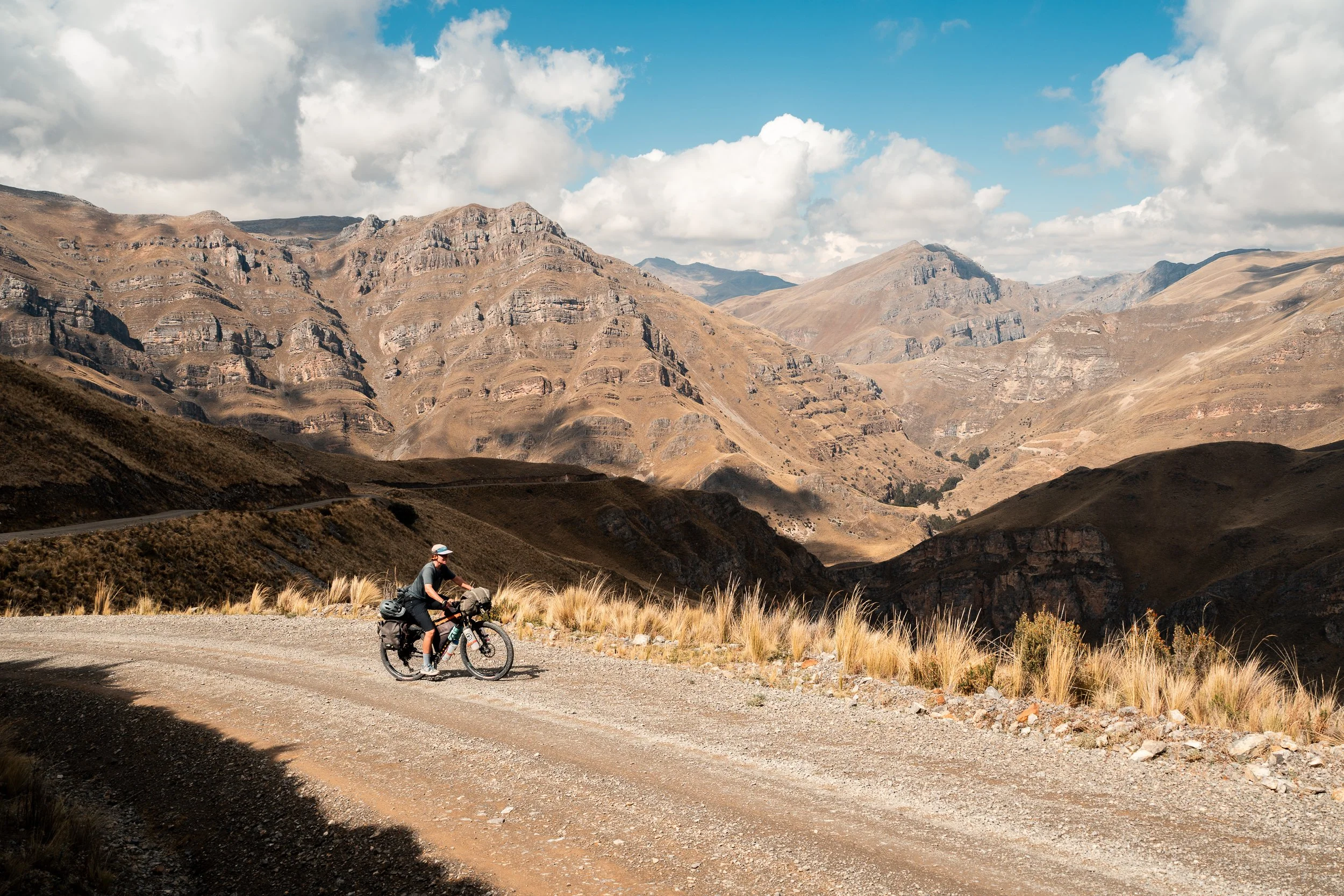
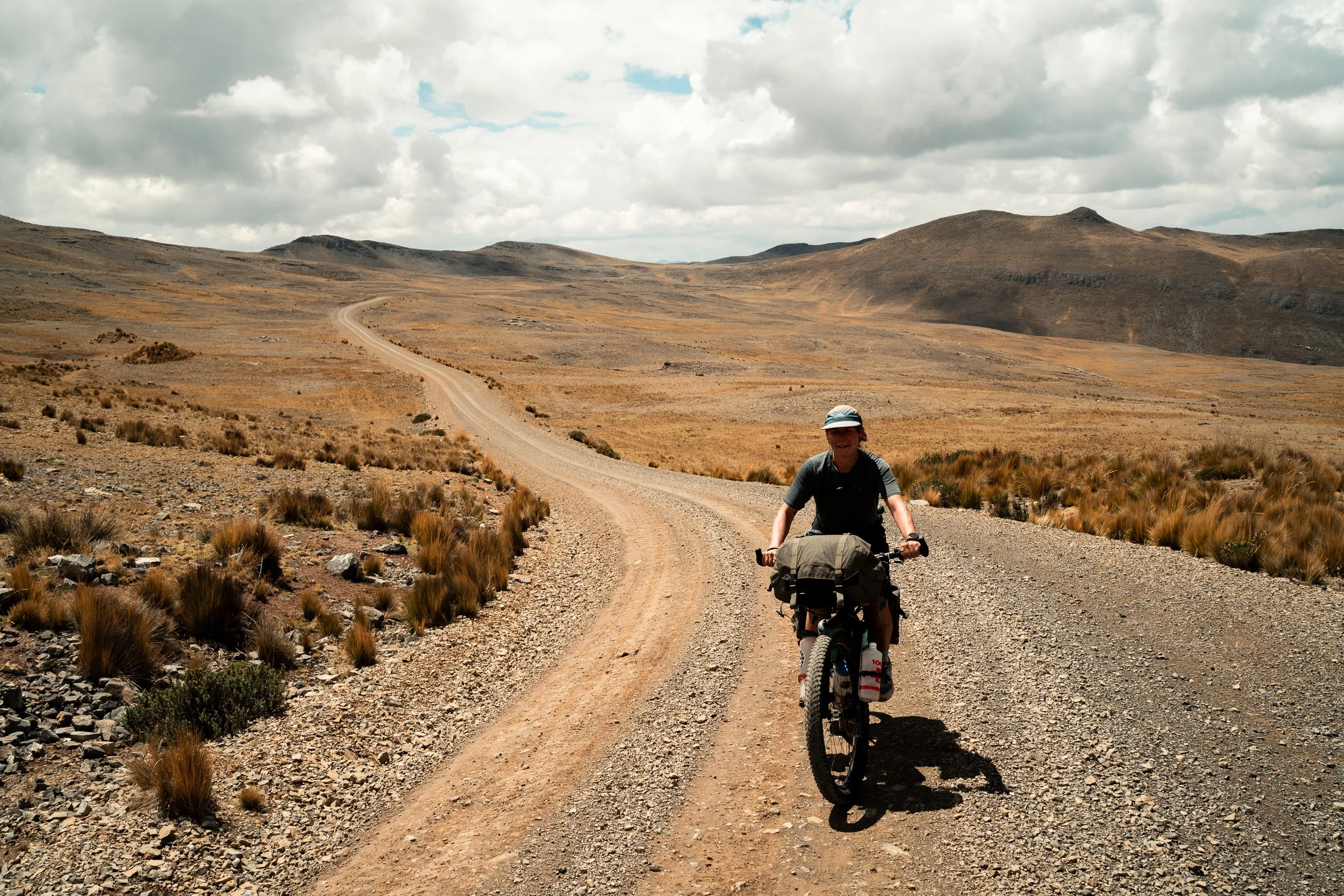
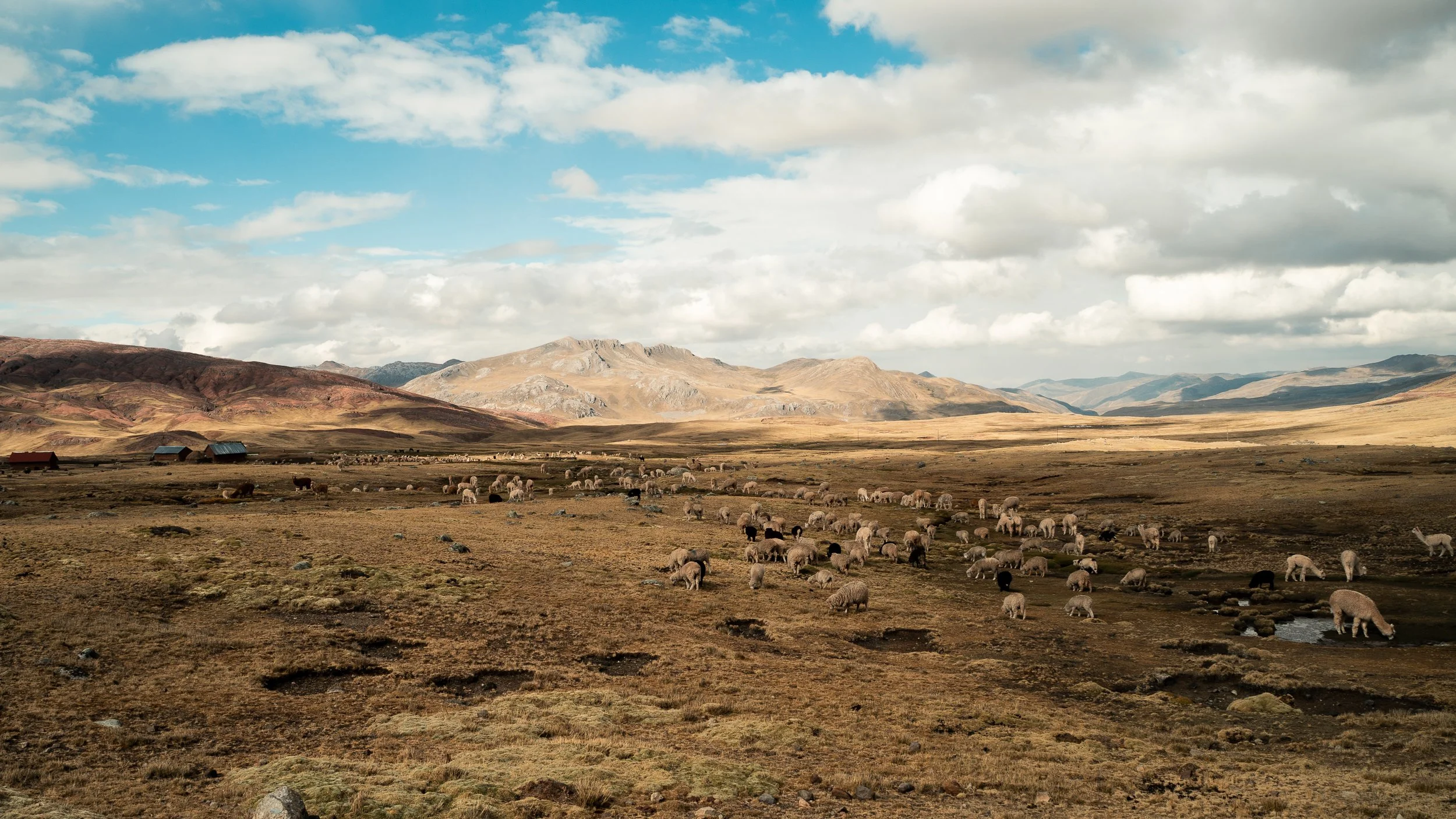
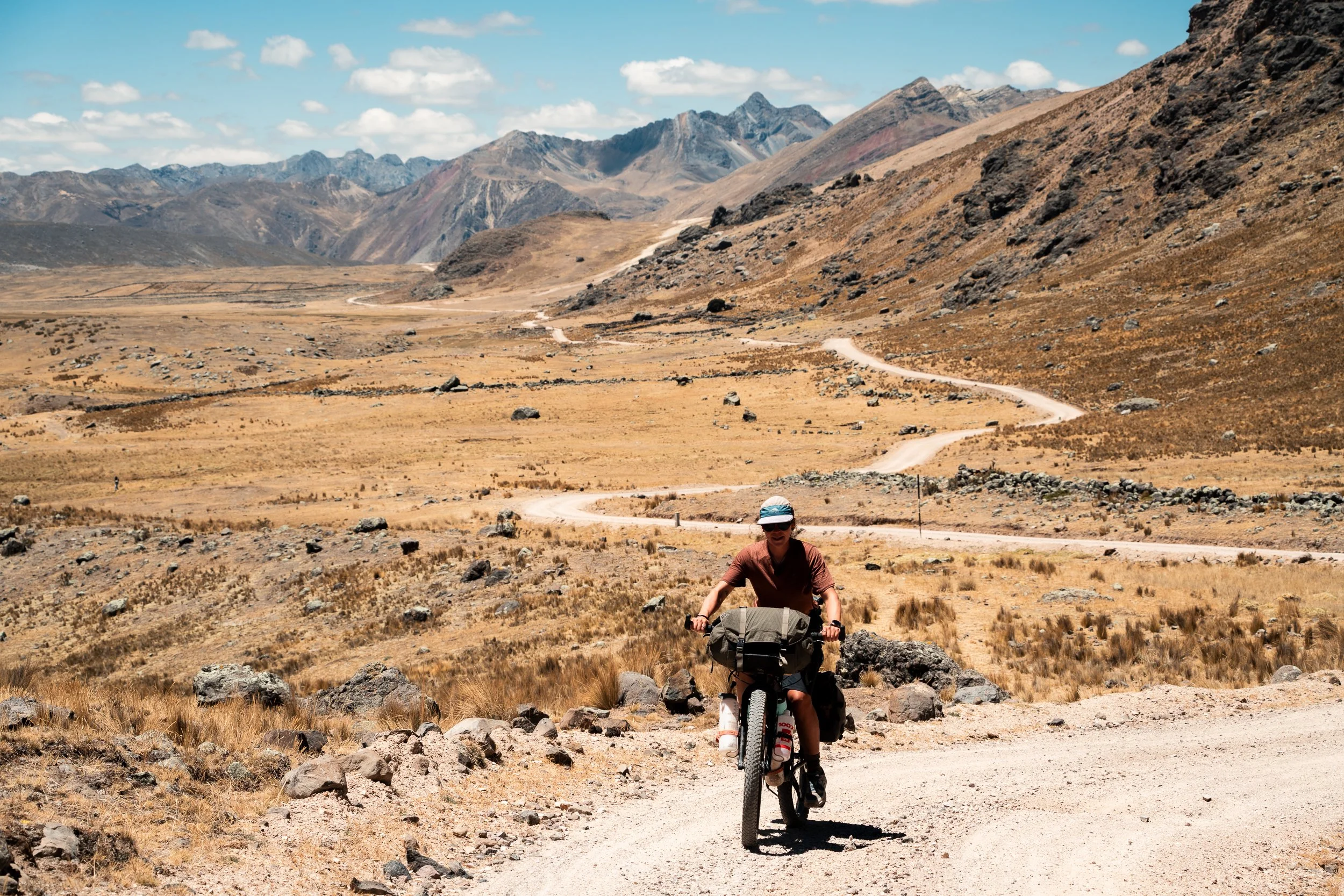
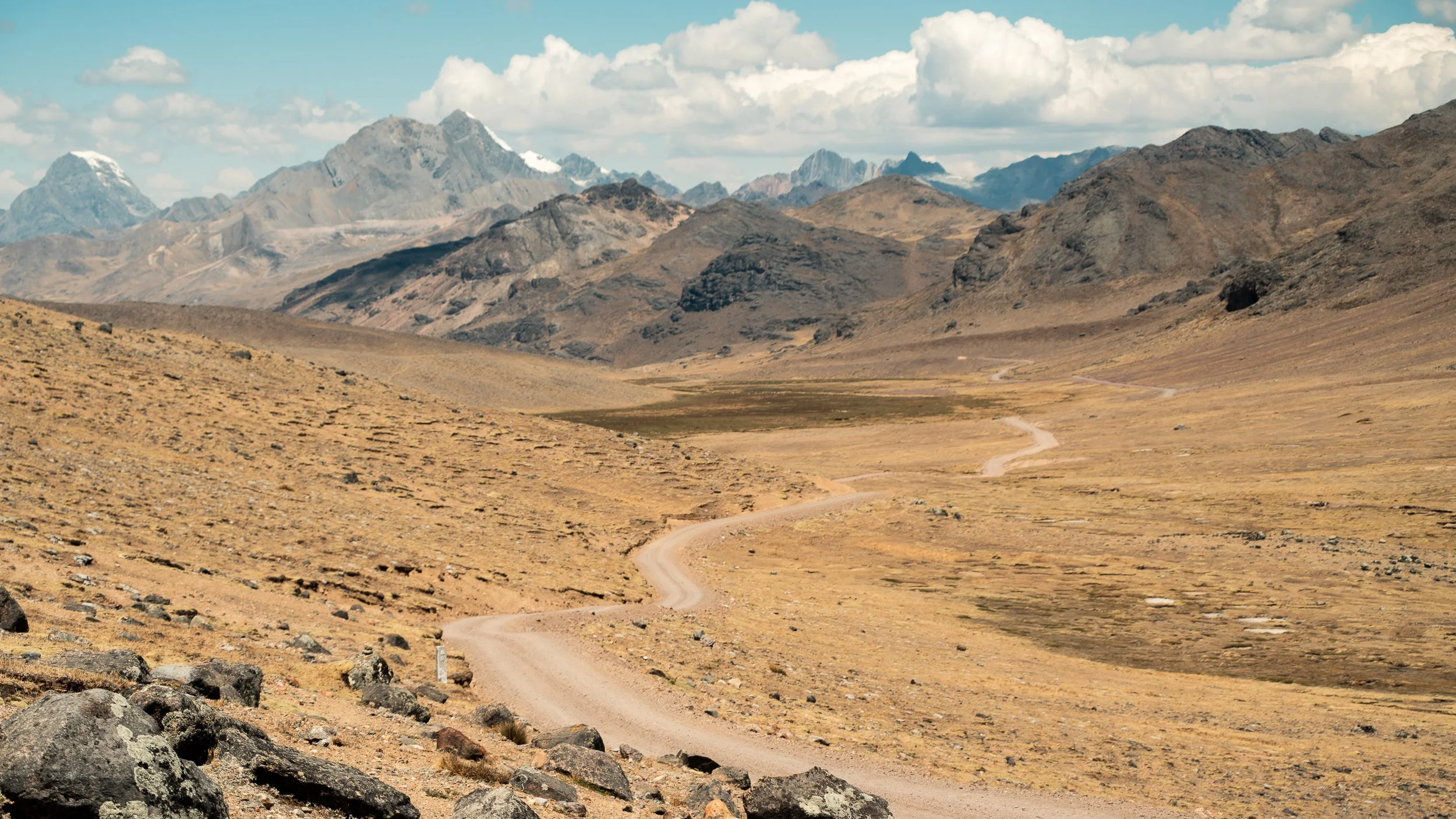
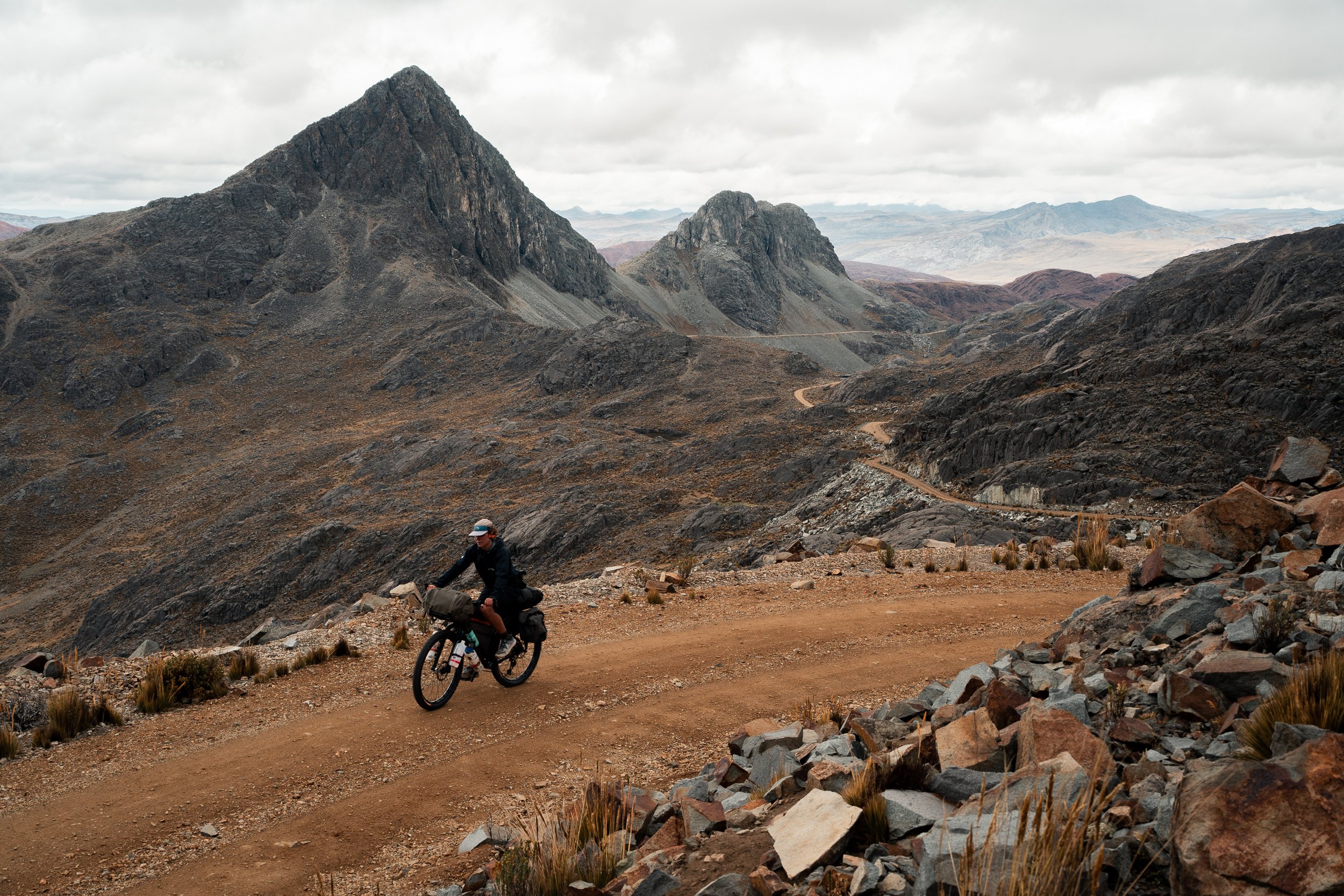
The PGD is essentially just a series of ups and downs. Our first task was to climb to just under 5000m, before dropping back down to 3800m, before repeating this for the next 900km. Gone were the snow-capped peaks, now the hills were tussock clad and gentle. The gradients more like 5% rather than 10%, well-formed gravel roads rather than dirt or rocks. Our first night we spent in a garage in the small town of Villa Union after getting in late.
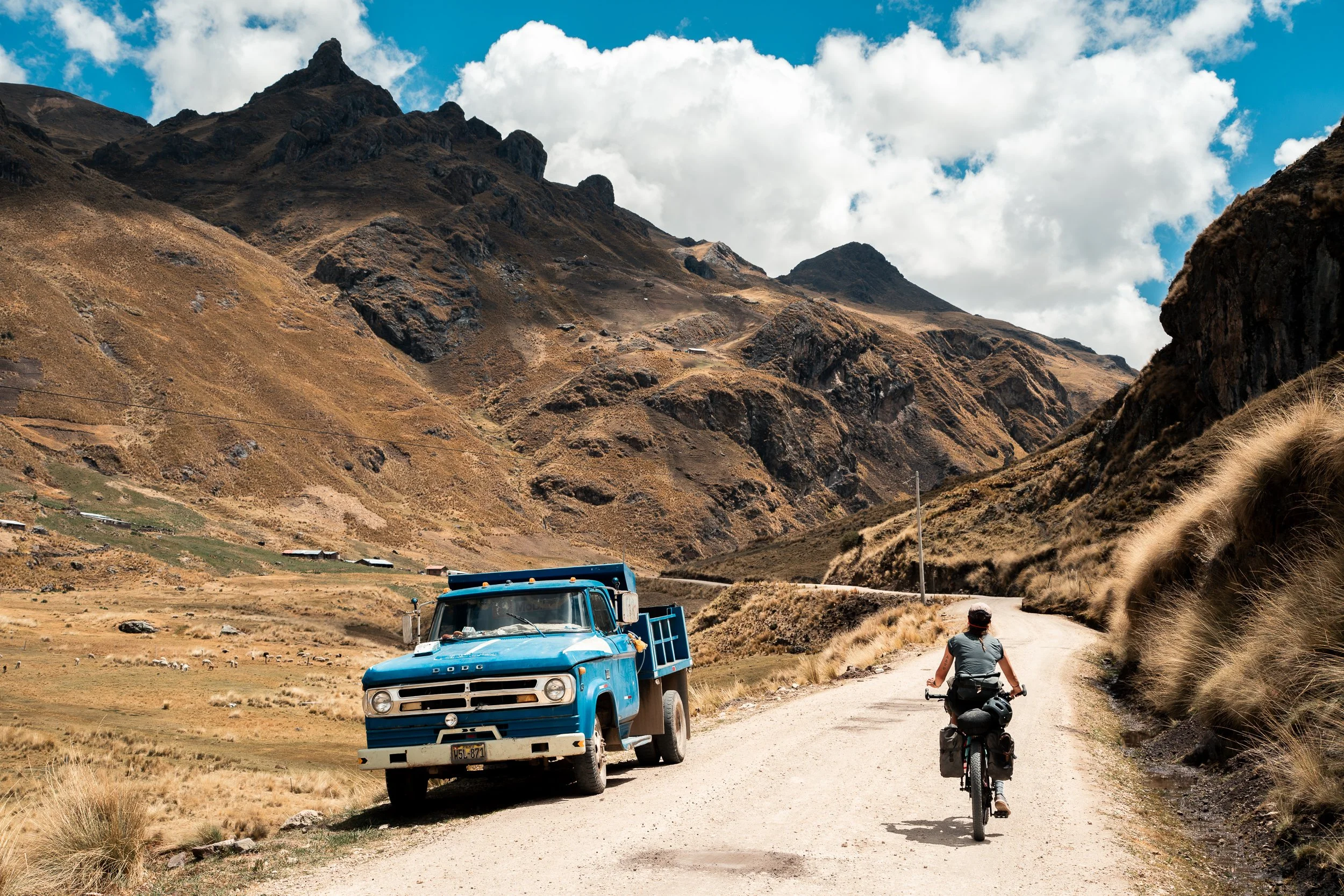
The morning brought more climbing before we descended into Santa Rosa, a single tienda open which happened to serve lunch also. There we met a man whose daughter was hoping to study medicine in New Zealand. Clouds rolled in as we ate, and the locals said rain was going to come. We pushed on up the next climb, trying to get as much in as we could. The sky darkened and winds picked up, as we saw a blanket of rain further down the valley. We found one of the few flat spots on the hillside and set up the tent. A few minutes of rain occurred, then completely dissipated, the weather having moved right around us.
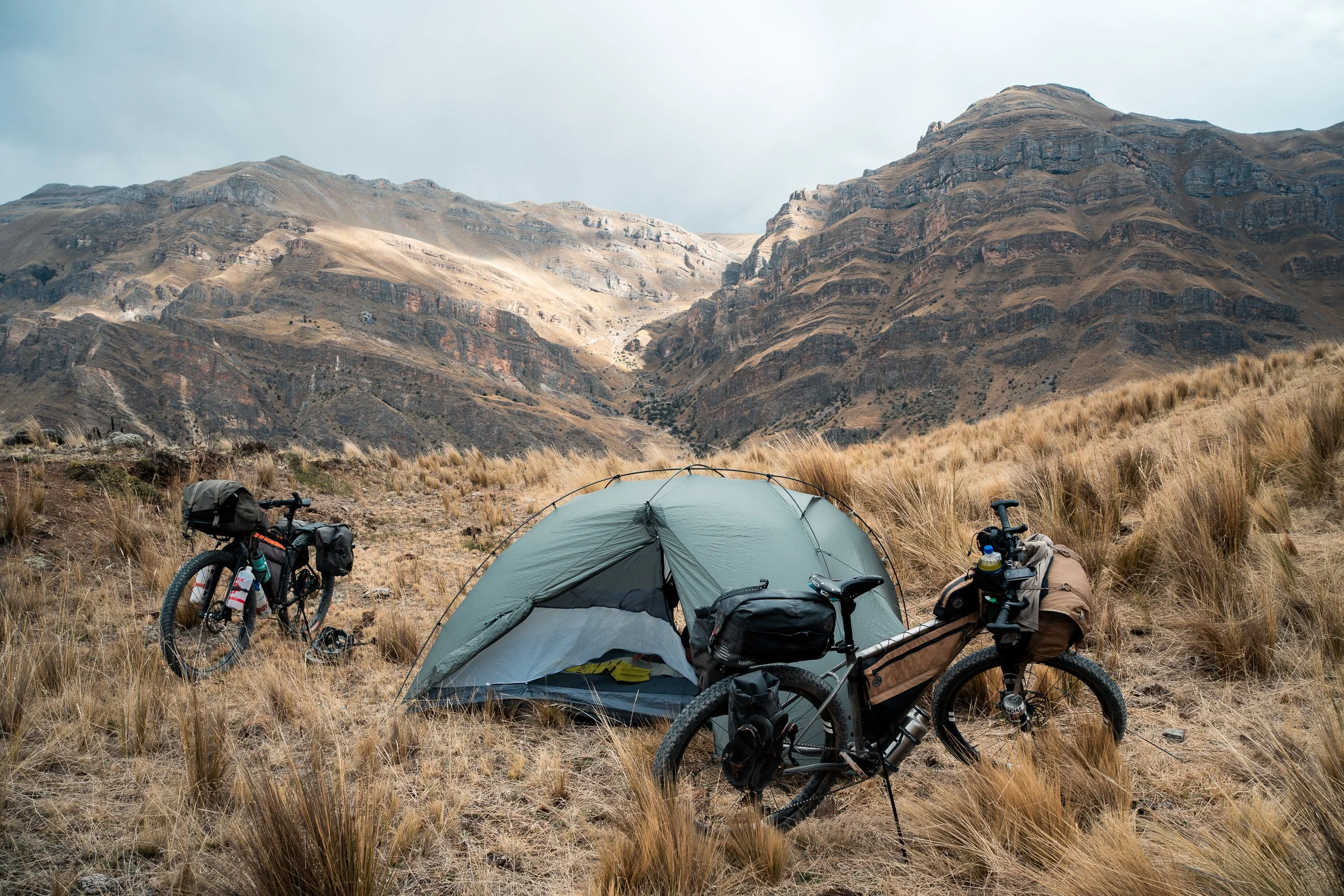
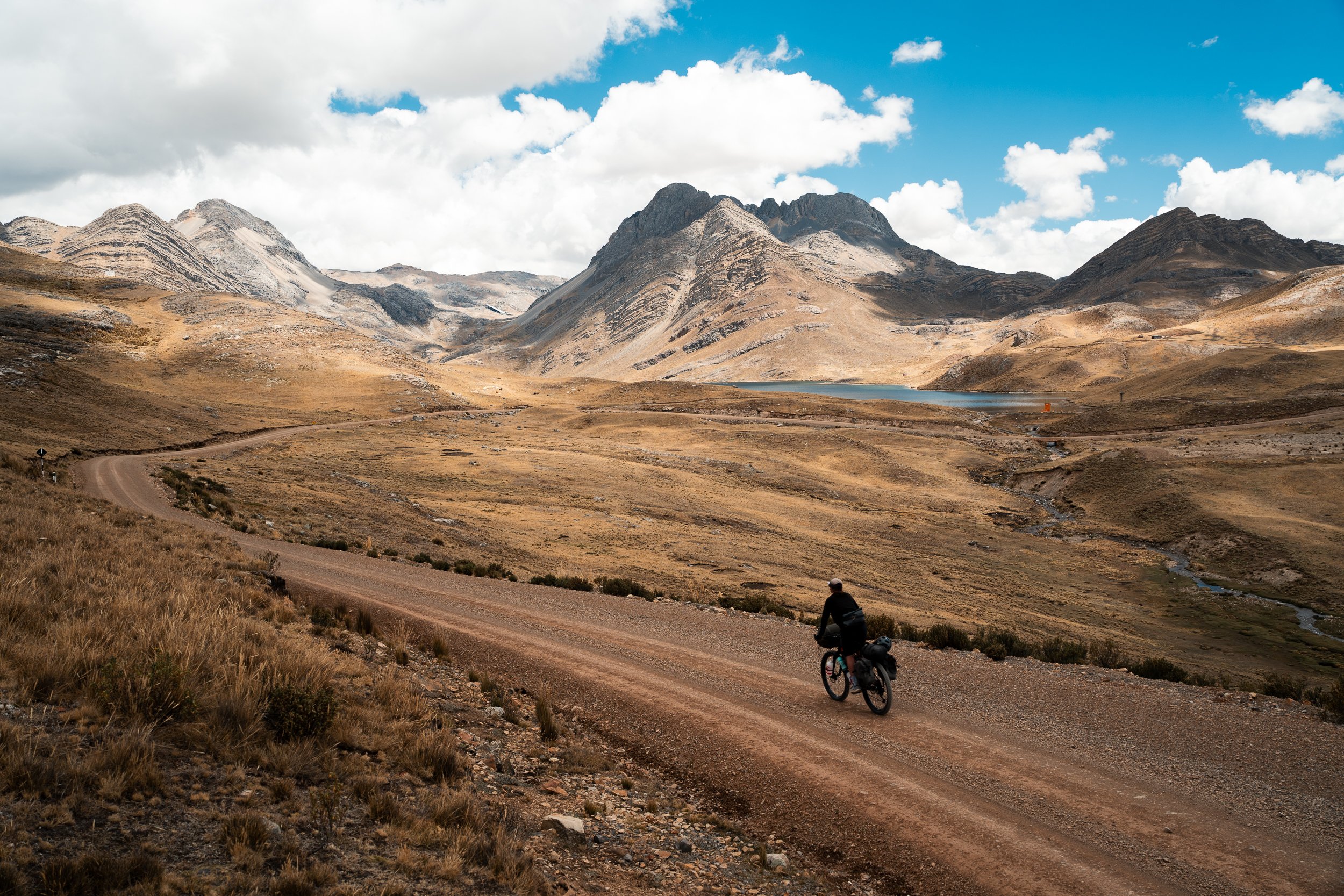
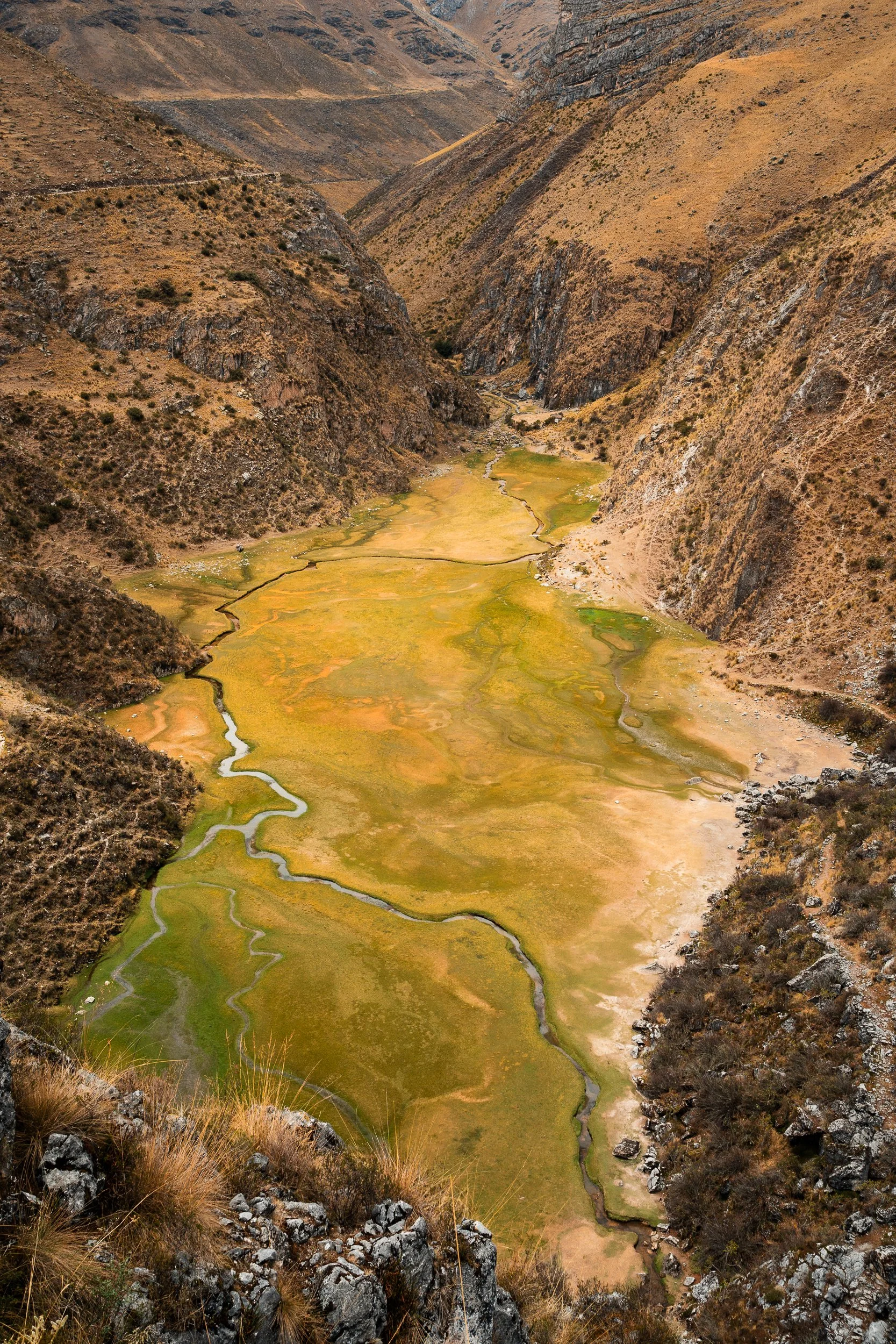
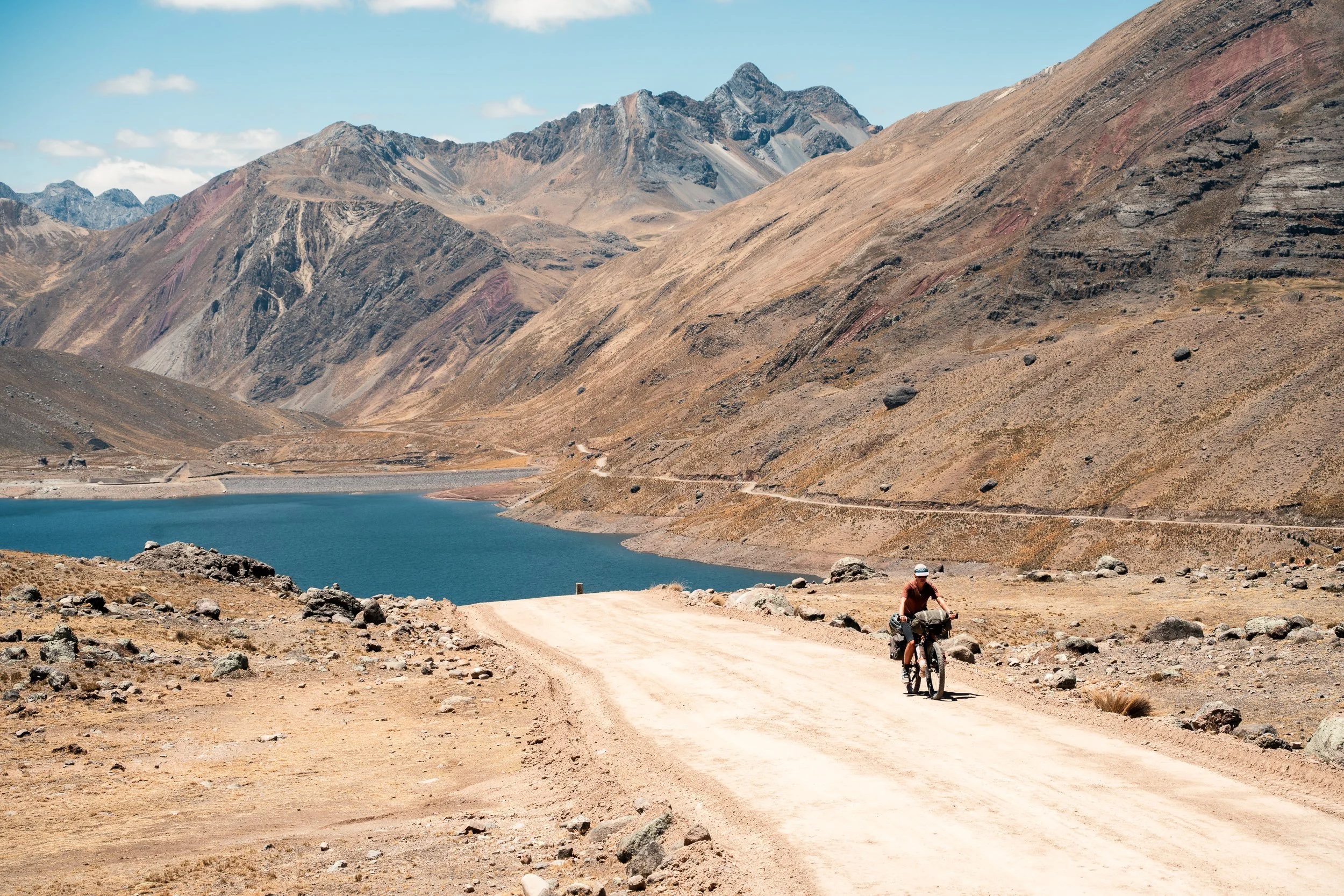
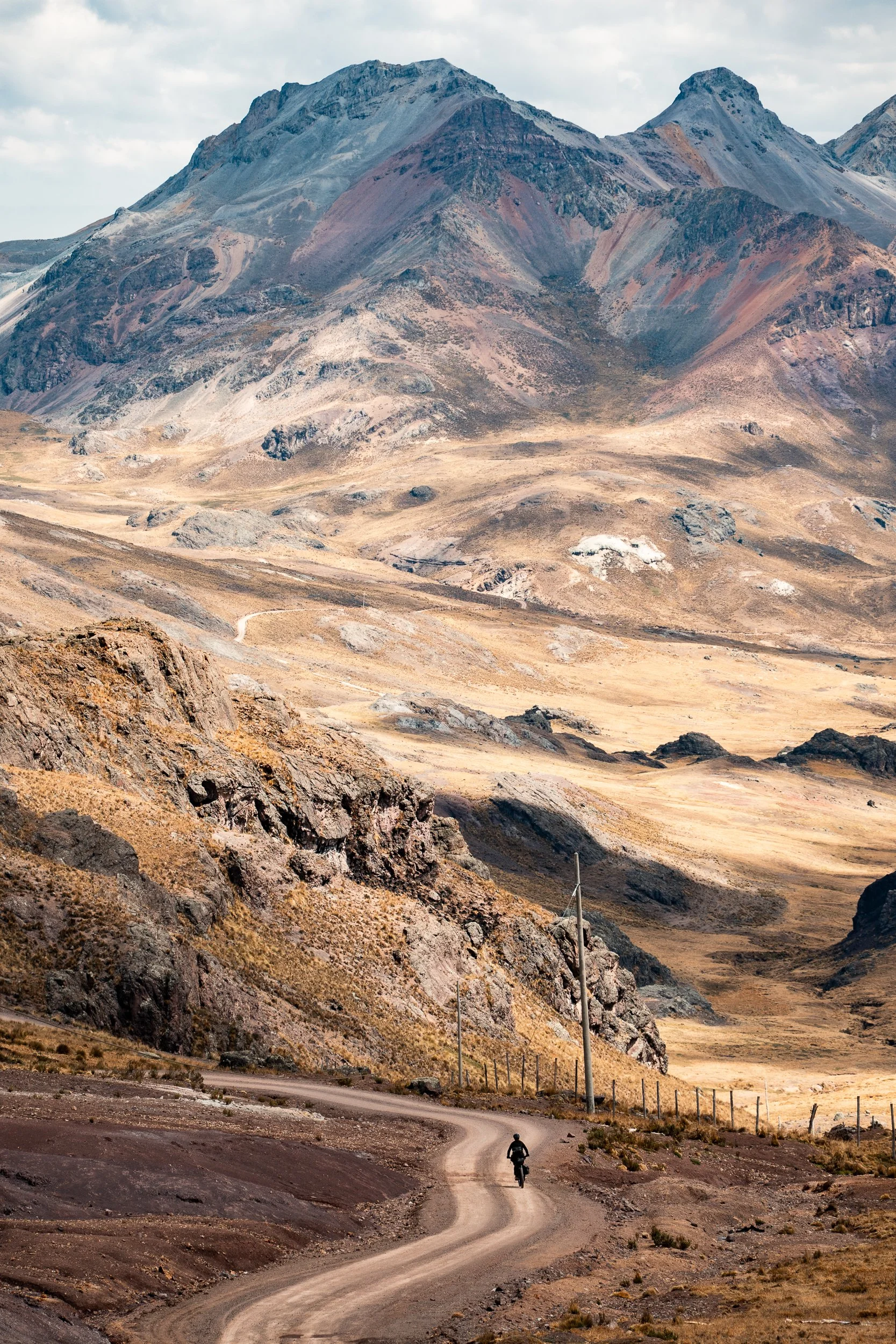
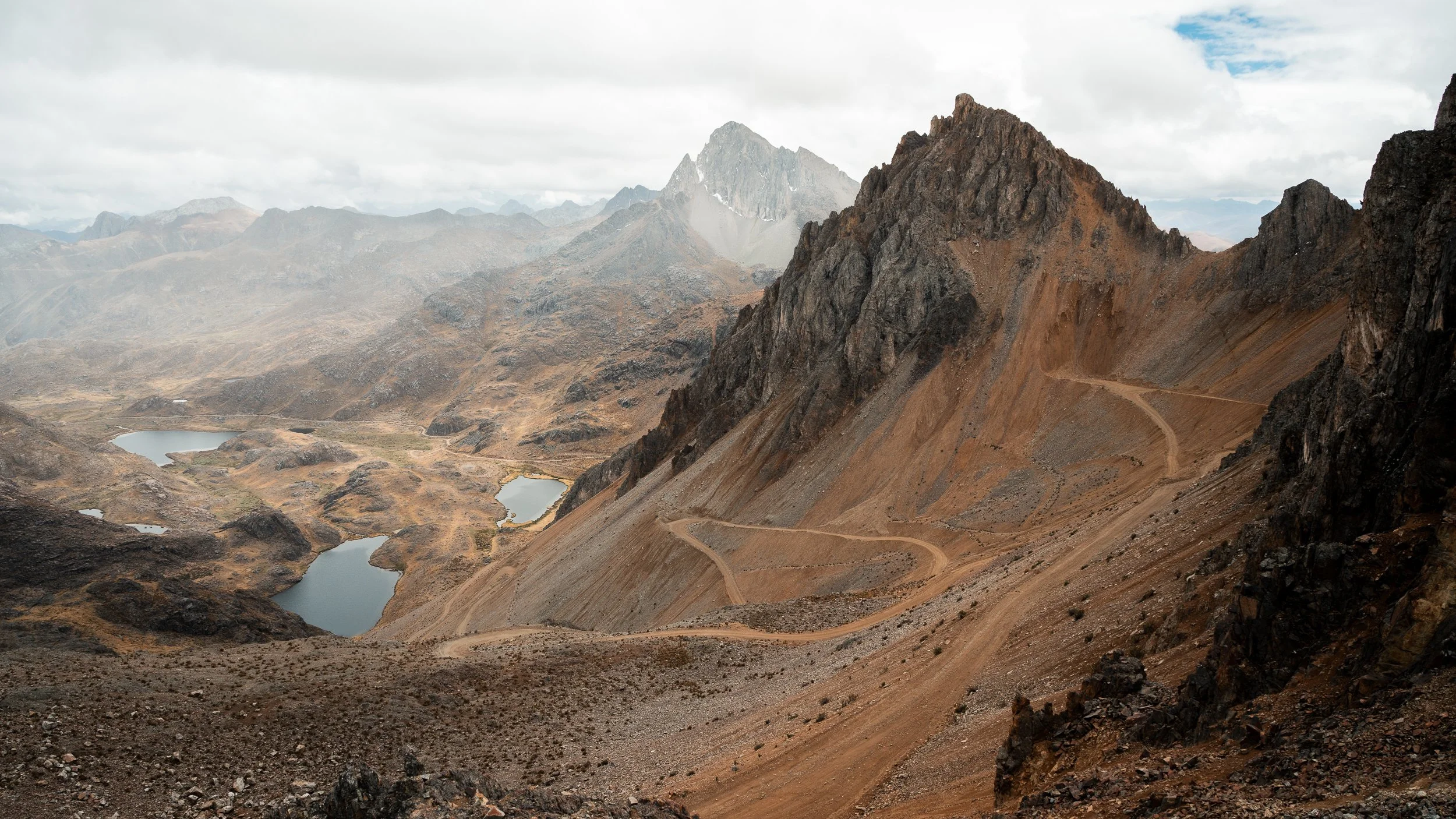
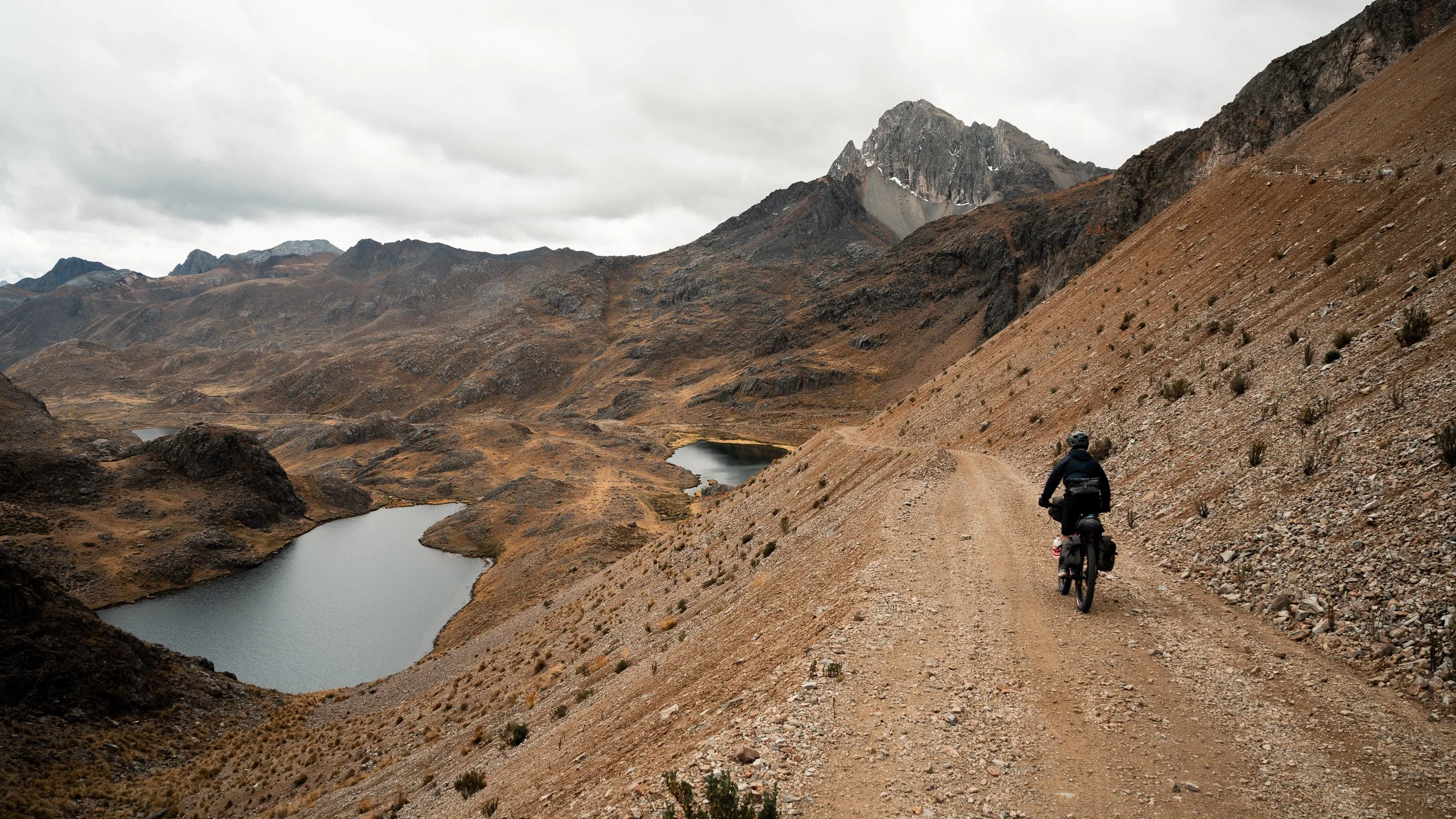
This stretch was 120km without a resupply point, so it was noodles, oats, and chocolate for 3-4 days. After finishing the next climb, we undulated at about 4700m for half a day before picking a campsite on a very sloping field as another afternoon rainstorm threatened but never quite eventuated. The next two days were much of the same - the variety of terrain we had experienced previously was gone, and the days rolled into one another. Big climbs, tussock-clad valleys, a few lagunas; day after day. At a hair under 5000m metres, Punta Pumacocha was a particularly beautiful pass, especially compared to the terrain we had been through. It was enough to lift our spirits for a few days, as the repetitive terrain had done nothing to motivate us to want to keep going.
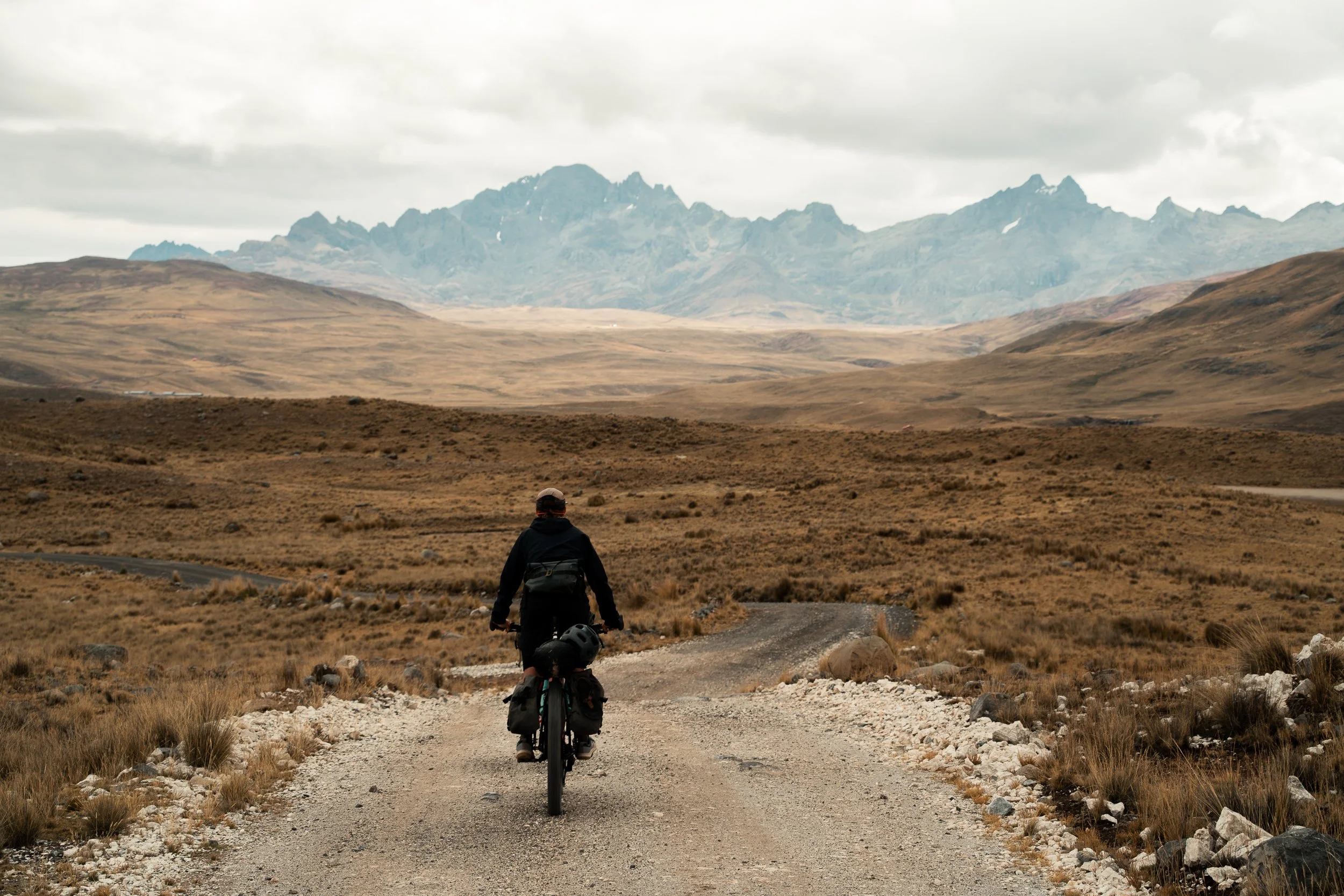
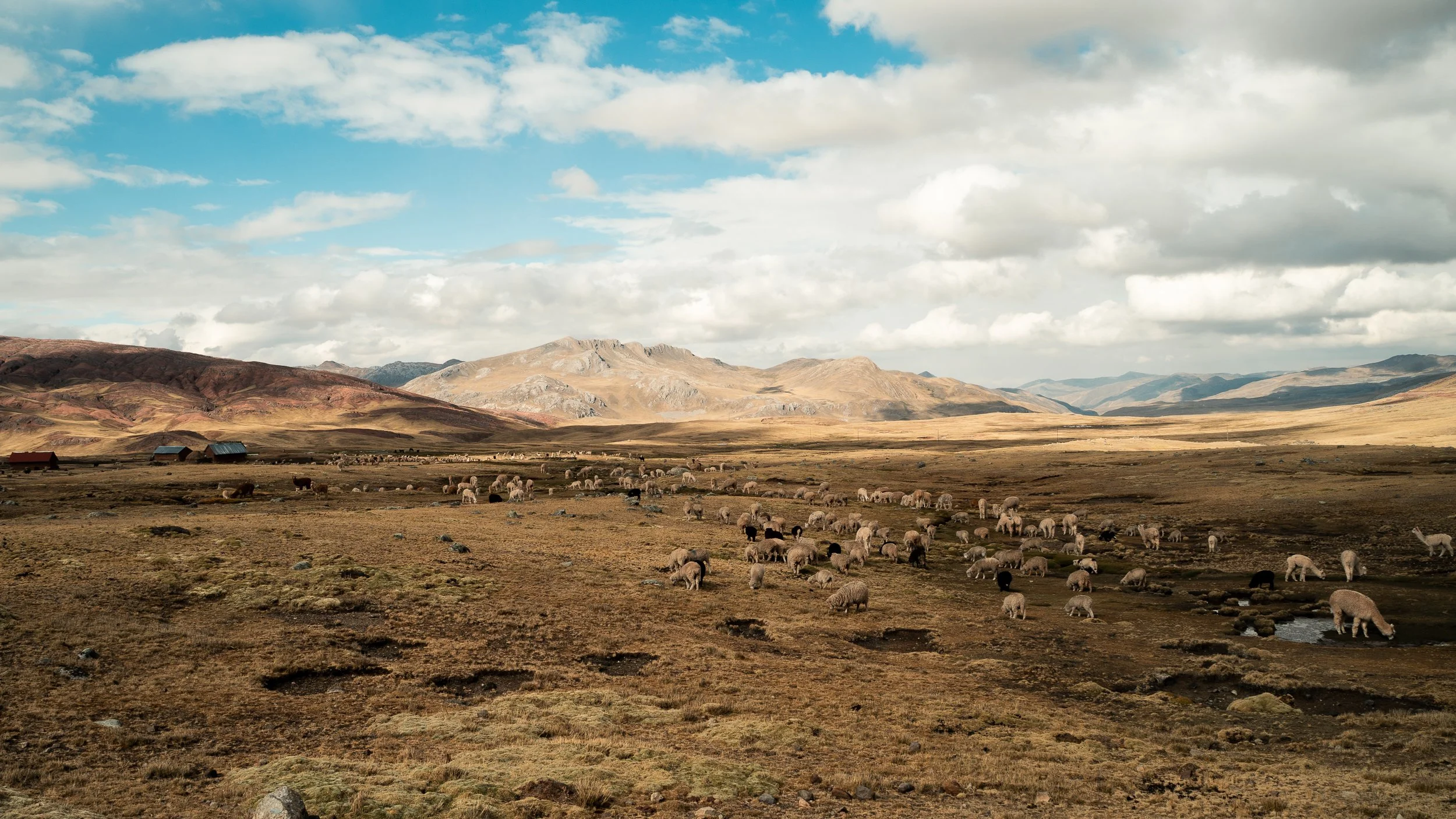
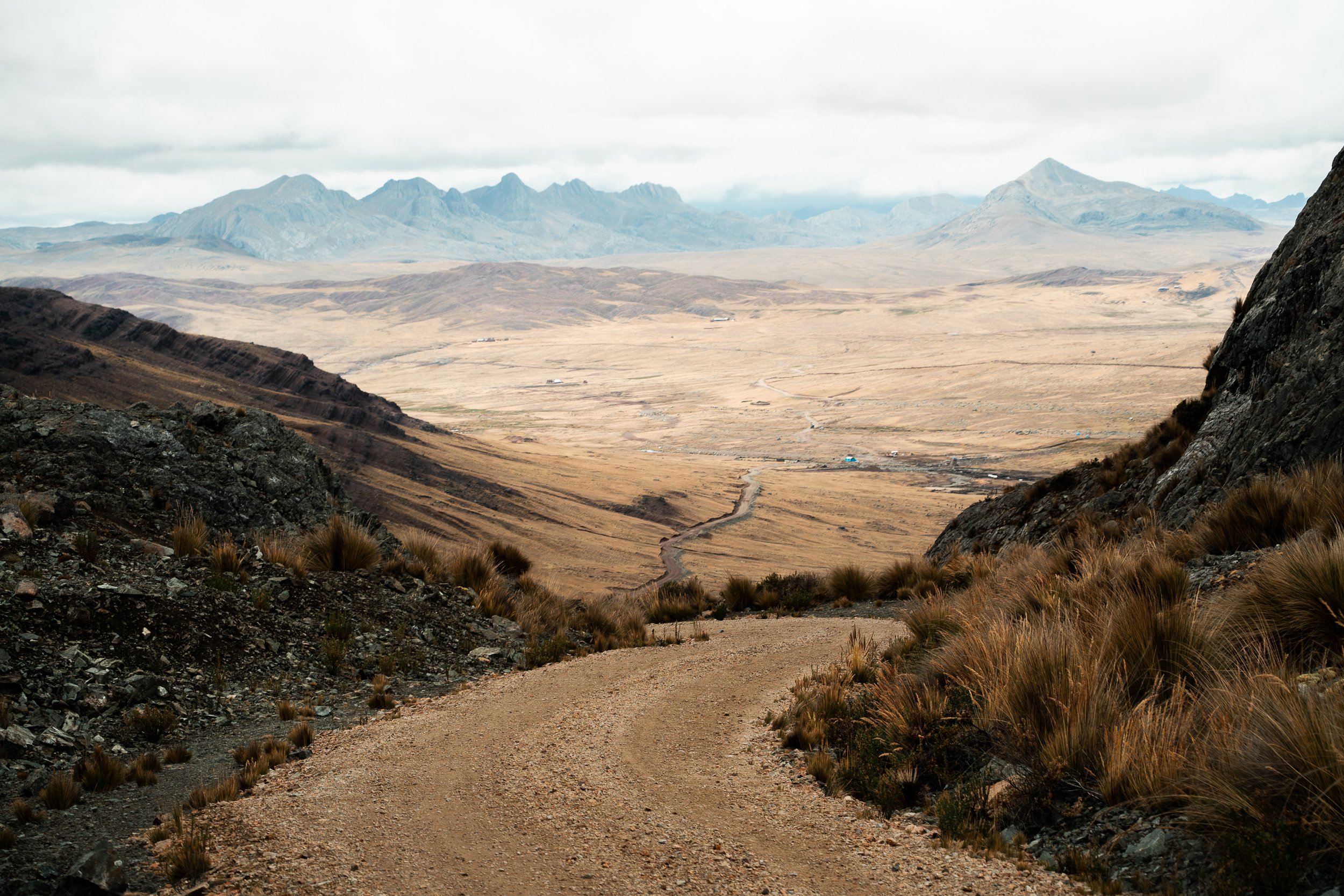
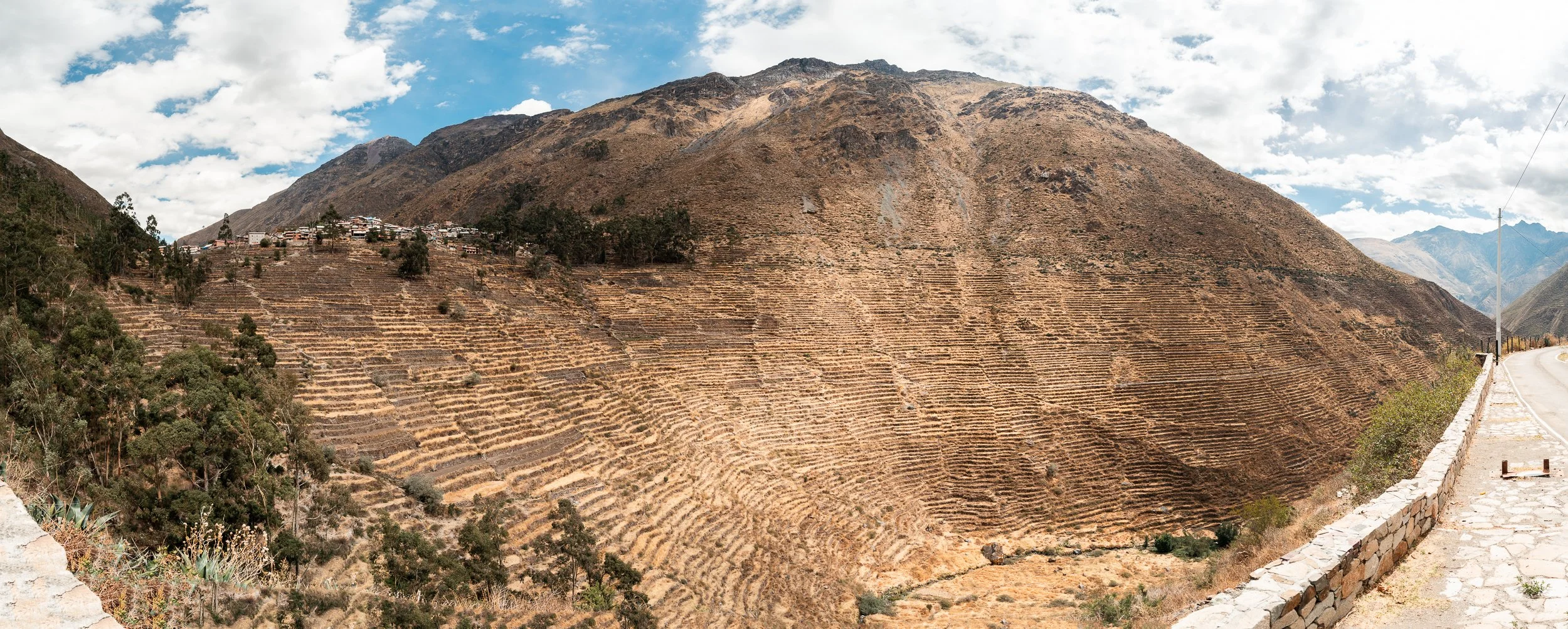
At the bottom of the descent we came to the beautiful village of Laraos, surrounded by Incan and pre-Incan terraces. It was a stone village, the sort with sheep and donkeys roaming the streets. We took two rest days here to eat, overlooking a dried-up lake with a football pitch dug in.
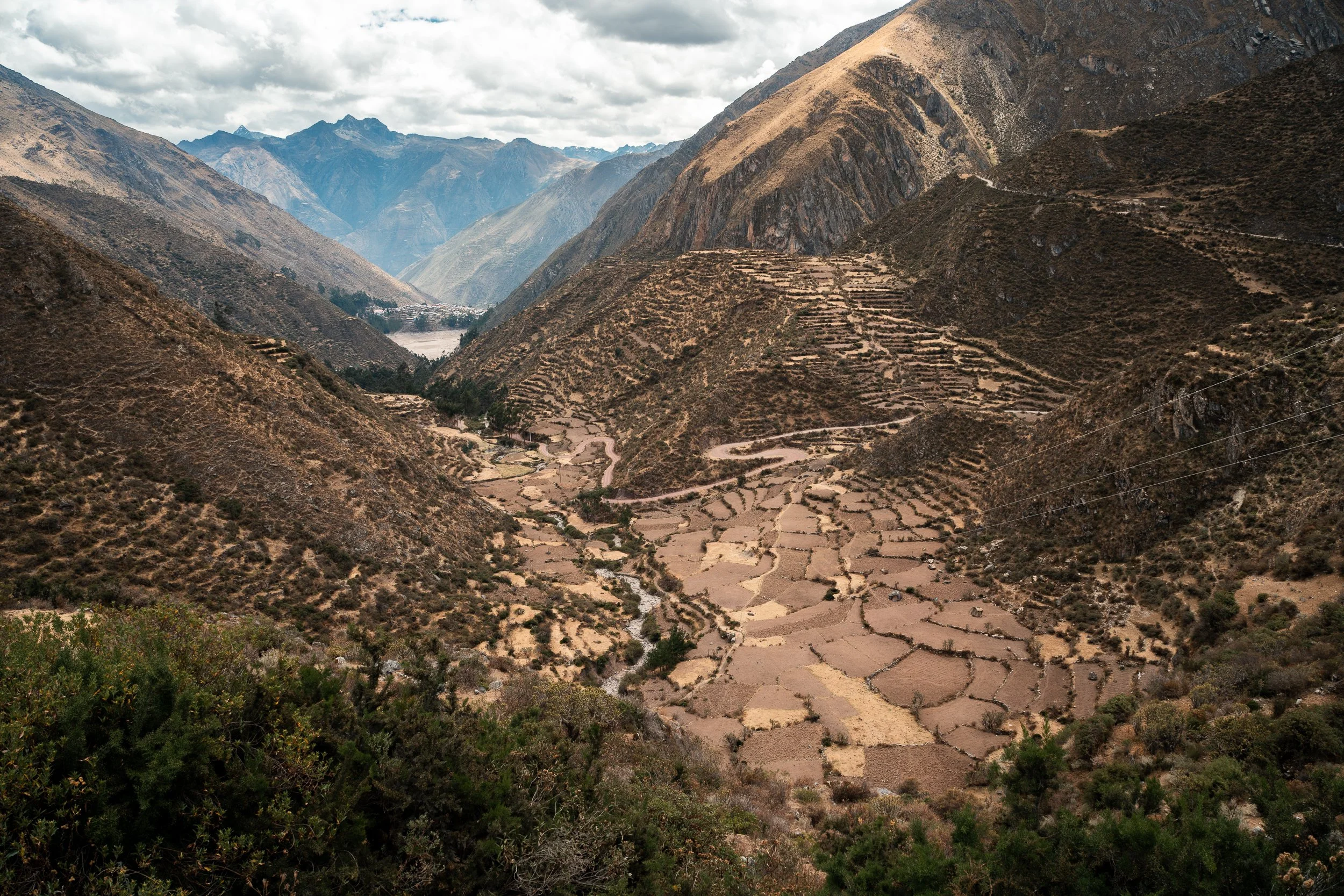
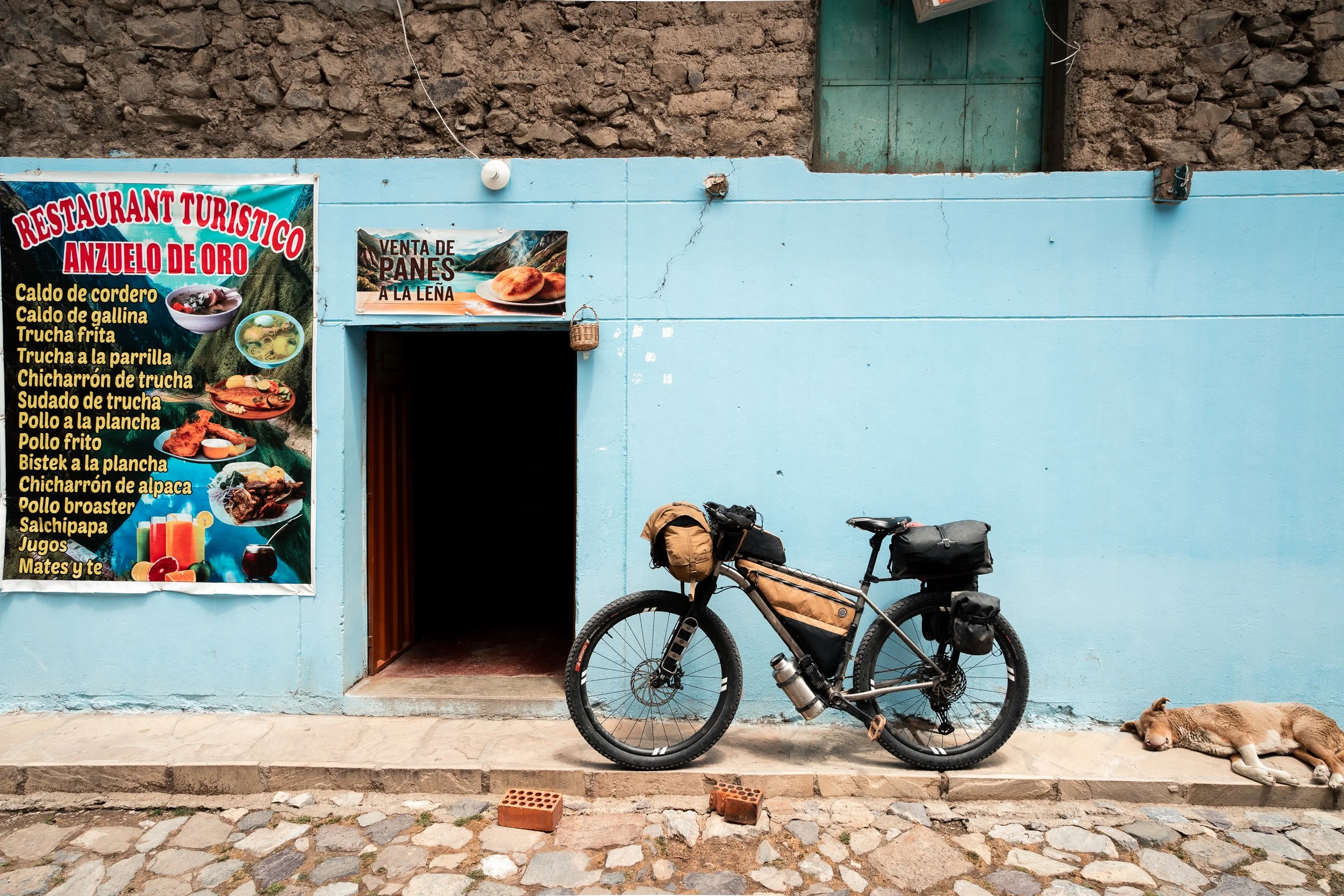
On leaving it was a short descent before we came to a section of roadworks. The only road possible had been closed between 7am-5pm nearly every day this year so far. It was about 15km of roadworks, all uphill for us. To avoid riding through the dark too much, we managed to hitch a ride with a work truck, workers tools and generators being placed around our bikes as we nestled into the tray. We joined in the jeering of a man who was too afraid to drive his car over a small bridge whilst holding everyone else up, until workers got off the truck and showed him what to do. Unfortunately we did not get taken the entire way up, so still had an hour of riding in the dark to get to Huancaya, a touristy town known for its waterfalls. Like most touristy towns, this one was utterly disappointing, with food of low quality and high prices. The waterfalls were nice, but suffered from too much infrastructure, and I was glad to have spent barely 12 hours there.
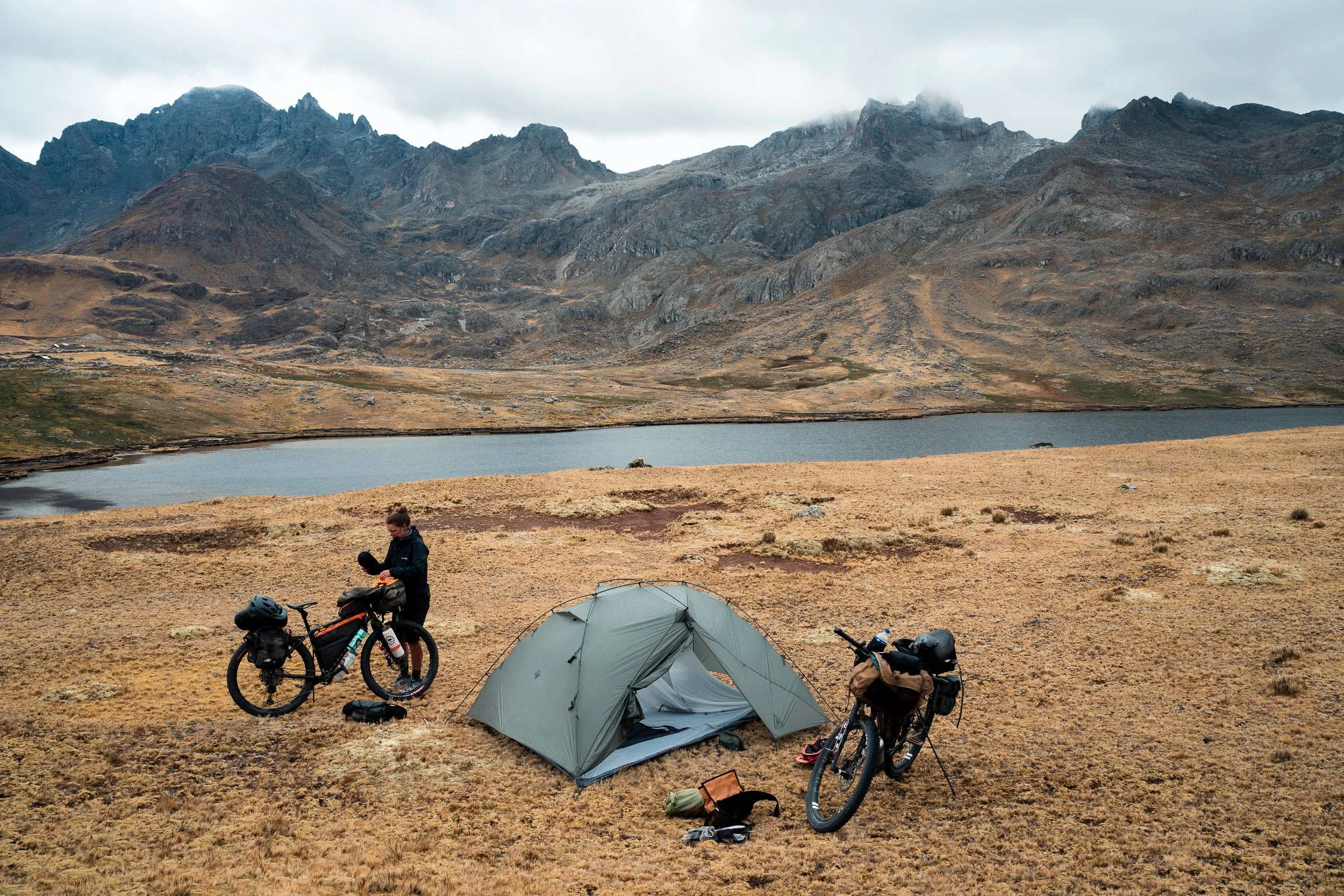
The next town was Vilca, which apparently had collectively decided to ban/block all tourists whilst they renovated the village. We managed to get a very expensive, very bad lunch there. There was not much in terms of works going on, so it seemed unclear when or if they would open up again - judging from our experience this was not somewhere that would be missed off a tourist map. We found a nice campsite on the side of the river next to the road just as the sun was going down, and spent the morning looking at the trout in the river.
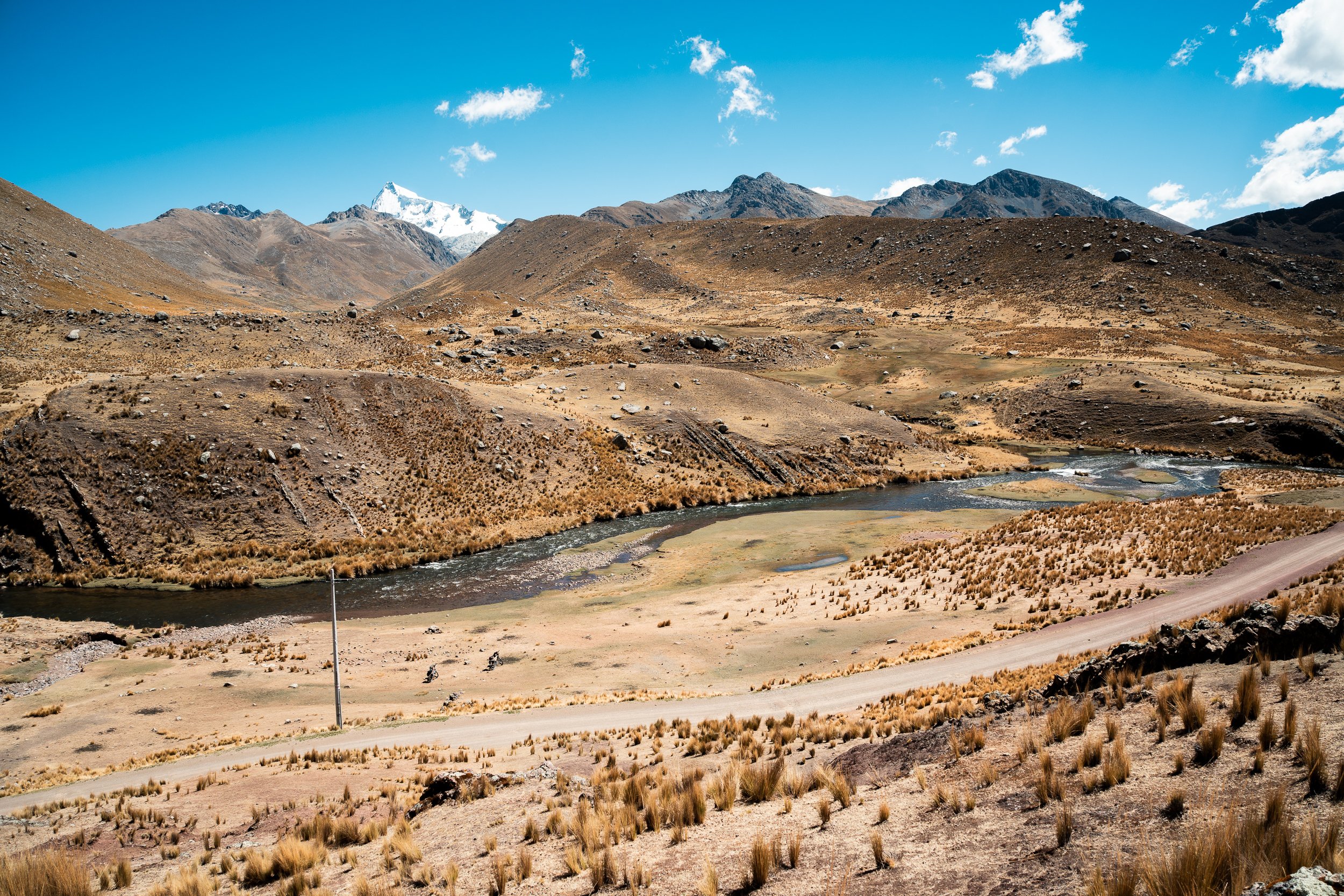
Our campsite, but with the tent already taken down.
Nutrition had been a struggle for me the entire trip, and it was only getting worse, with me now only getting two days of effort after resting before my legs completely gave out. I was pushing up most climbs, and generally just had nothing in the tank. This morning, I really had nothing and had barely gone 500m of flat riding before I had to get off and push. Luckily it was only 7km to the town of Tanta, where we stopped for the day so I could eat and rest.
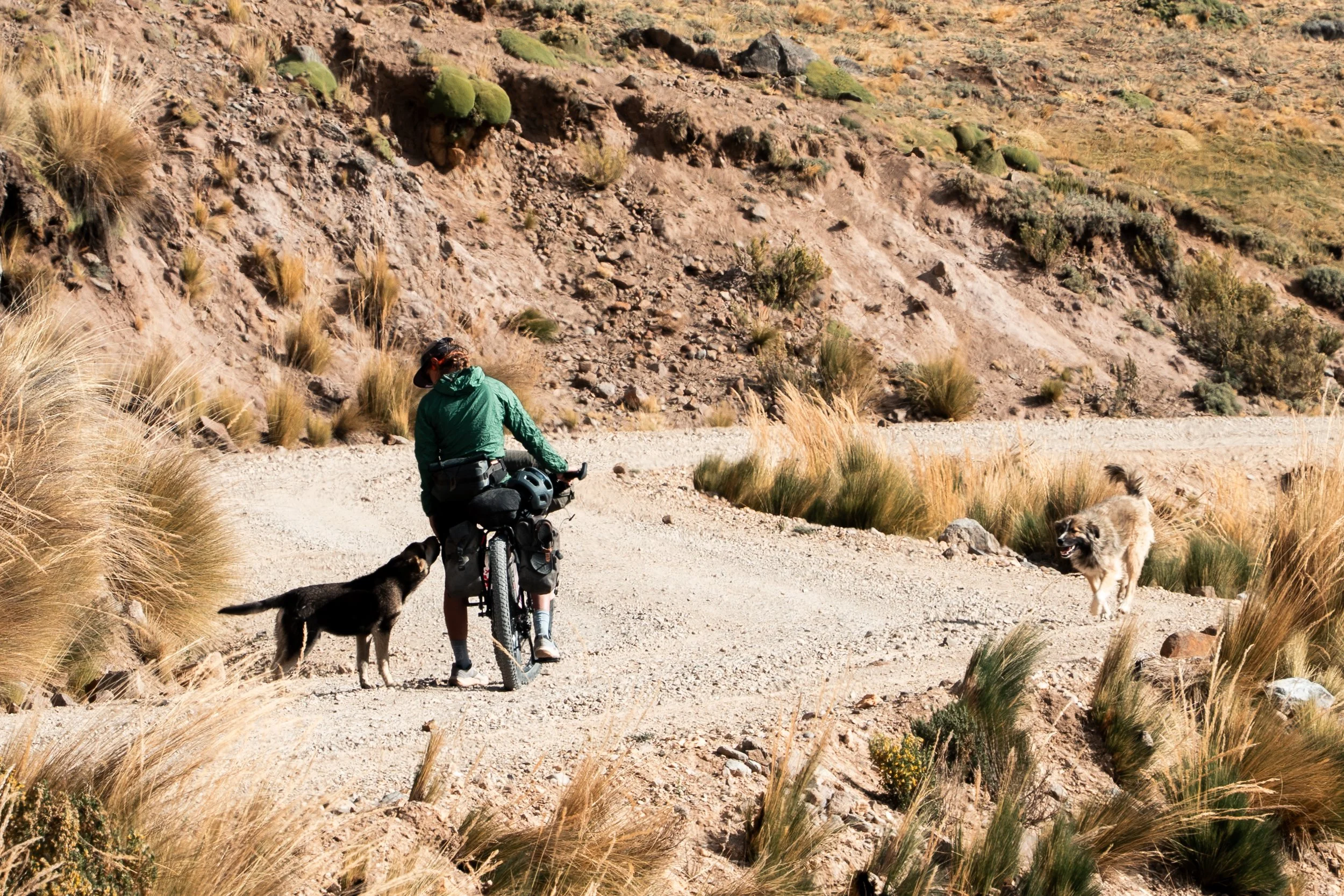
After this, it was much of the same, getting over passes and descending before immediately starting another one. We camped on a small rocky prominence just below a pass. After dark and whilst settling in for sleep, we heard a dog sniffing around outside our tent. Most nights we heard dogs barking in the distance; this was unusual in that it hadn’t barked on its approach. After calling out and not getting a bark back, Lauren opened the tent and found the dog happily wagging its tail. It immediately came over for some scratches and belly rubs. After a few minutes it jumped to its feet after seemingly hearing something. It stared into the dark and let out a few barks before running out of sight.
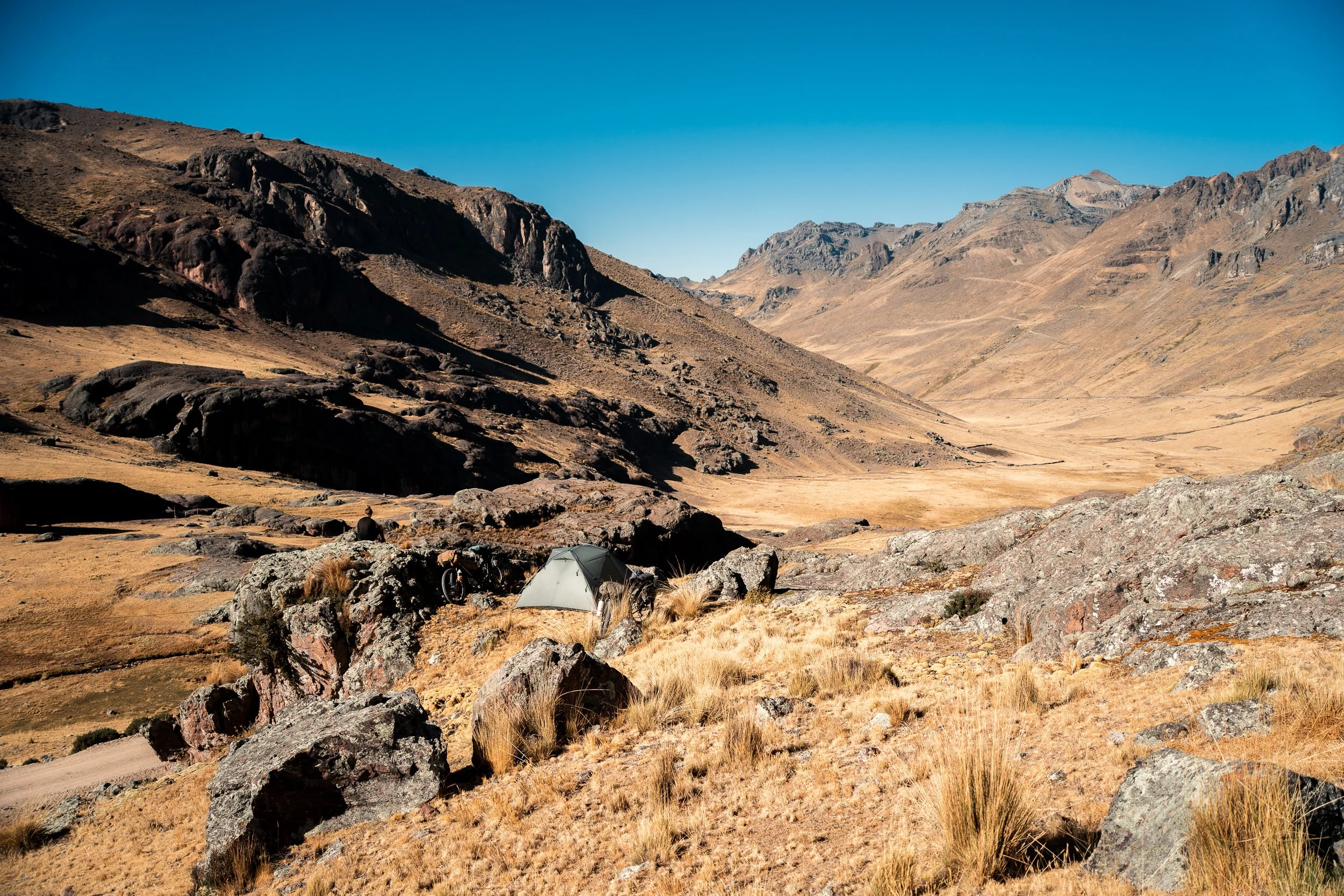
About 10minutes later I thought I heard something; Lauren didn’t believe me when I said I thought the dog was back, and a quick look outside confirmed she may had been right. When I got up to brush my teeth though, there the dog was, sitting on a rock a few metres from the tent, looking into the dark. It briefly came over for a scratch before returning to its post. A little while later it must have heard something, and moved to another rock, barked a few times, and lay down. It was obviously guarding the tent, making sure nothing came near. ‘Goodnight, I hope you’re there in the morning so I can love you even more’ said Lauren as she went to sleep. A little while later a farmer began playing music on the other side of the valley, and the dog ran off. I thought I heard it return at some point overnight, but it was nowhere to be seen in the morning.
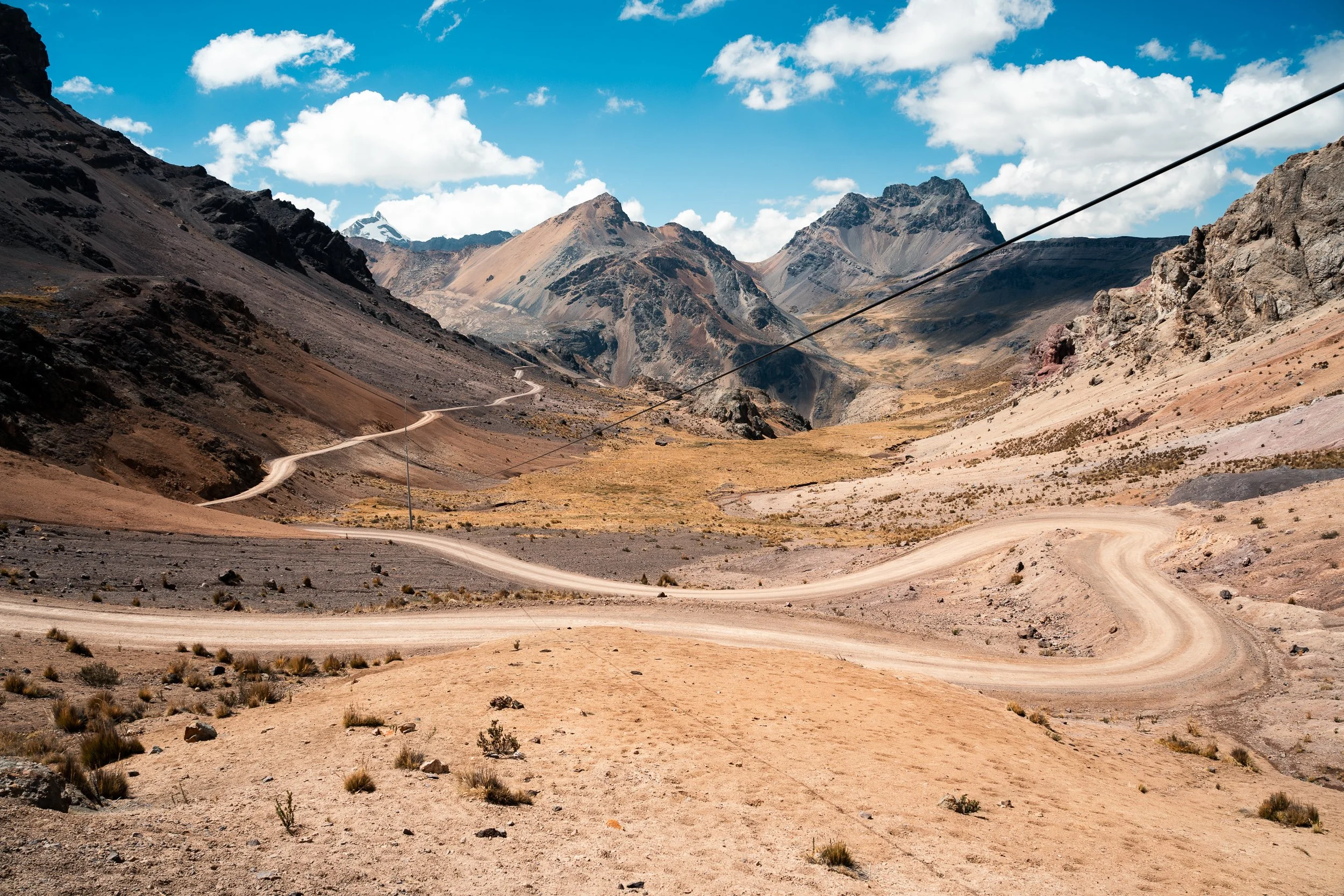
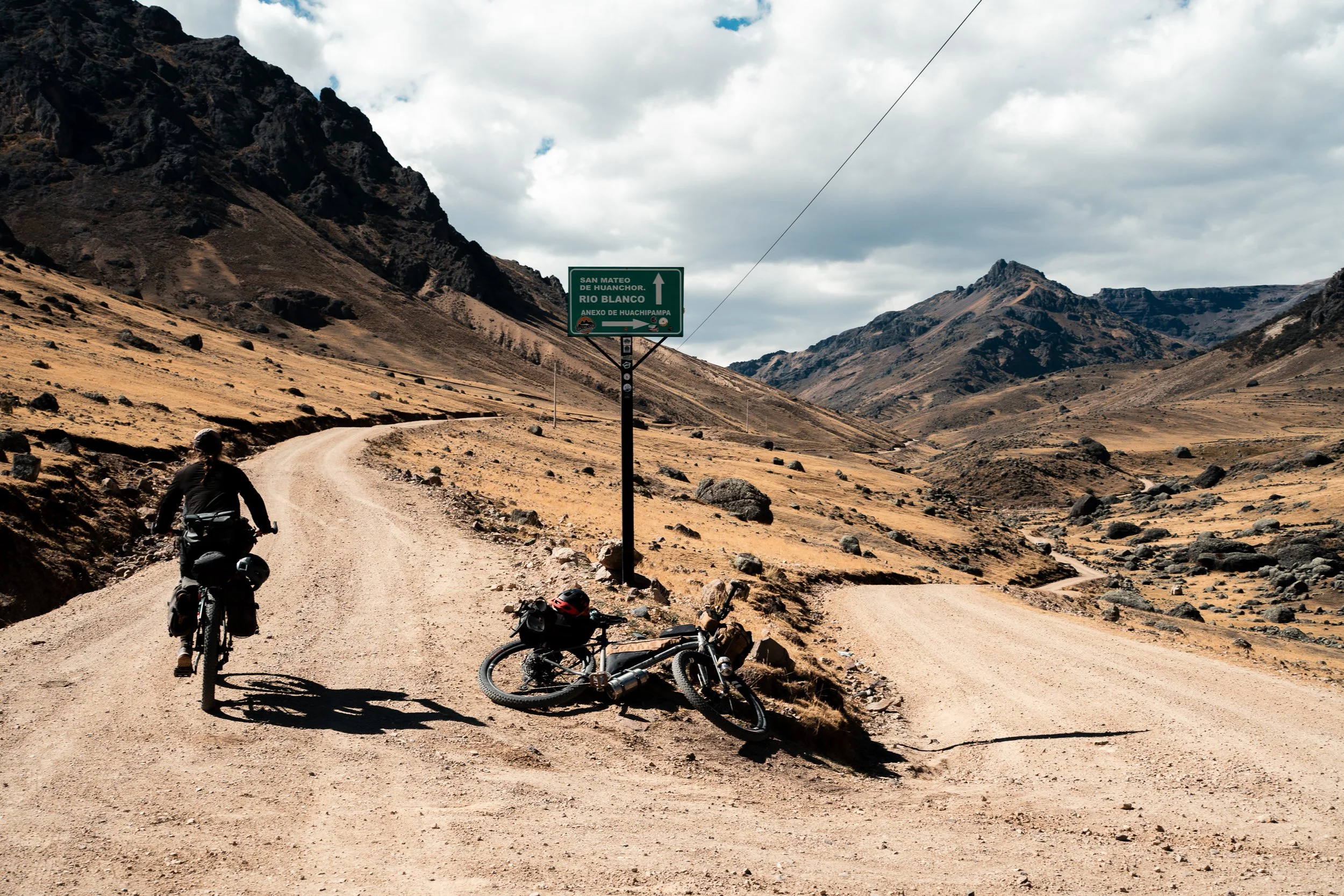
We quickly ascended the next pass, then descended for 30km. At this point in the route, the road (heading north), climbs for about 1000m over 20km on the Carretera Central, the main road leading from Lima to the Amazon. It was a busy two-lane tarmac highway with a constant stream of trucks with cars overtaking them on blind corners. It had multiple unlit tunnels with drainage ditches on the sides and no shoulder for bikes. As per the general consensus, we decided we would take a taxi up this section rather than risk riding it; I needed no further encouragement to skip a climb. We descended down the road to San Mateo, slightly off the route but a larger town, where we found a hostel for the night. We checked the weather forecast, and saw only storms for the next few days, so decided we would leave the bikes there whilst we bussed down to Lima for some good food and rest before continuing on.
Two buses and a taxi later and we were in Miraflores, the tourist heart of Lima. This was essentially the first time we had been below 2600m since the first week of our trip (twice on buses we had briefly dropped lower), and the sea level air and humidity were stifling for us. Despite sleeping directly above a busy Irish bar, we had the best sleeps of the trip throughout our time there, as I’m sure our bodies appreciated a normal level of oxygen for once.
Good pizza, good beer, good shawarma. The only disappointing meal we ate was at Restaurante Sonia, an apparently famous cerviceria that Anthony Bourdain visited when in Lima. It was overpriced, and so acidic we could barely finish it. We ended up having better ceviche in a small market stall in Chosica, a satellite town 50km inland that served as the bus transition point en route to Lima. On returning to San Mateo, there was some sort of a fiesta going on, with fireworks going off outside the church before a procession made its way inside, including a number of street dogs. All night, music blared outside the window, only stopping at 4:30am before starting up again just before 6am. Nights are never restful in Peru as the population seems to believe that silence at night cannot be tolerated, with music, construction, or repeated horn beeping often starting at 9:30pm following a peaceful period just before.