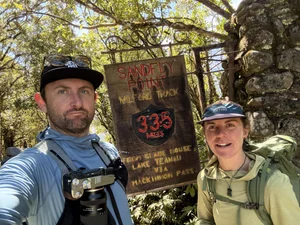
Sorata to Cuyo Cuyo, Via Tres Cordilleras (Bolivia/Peru)
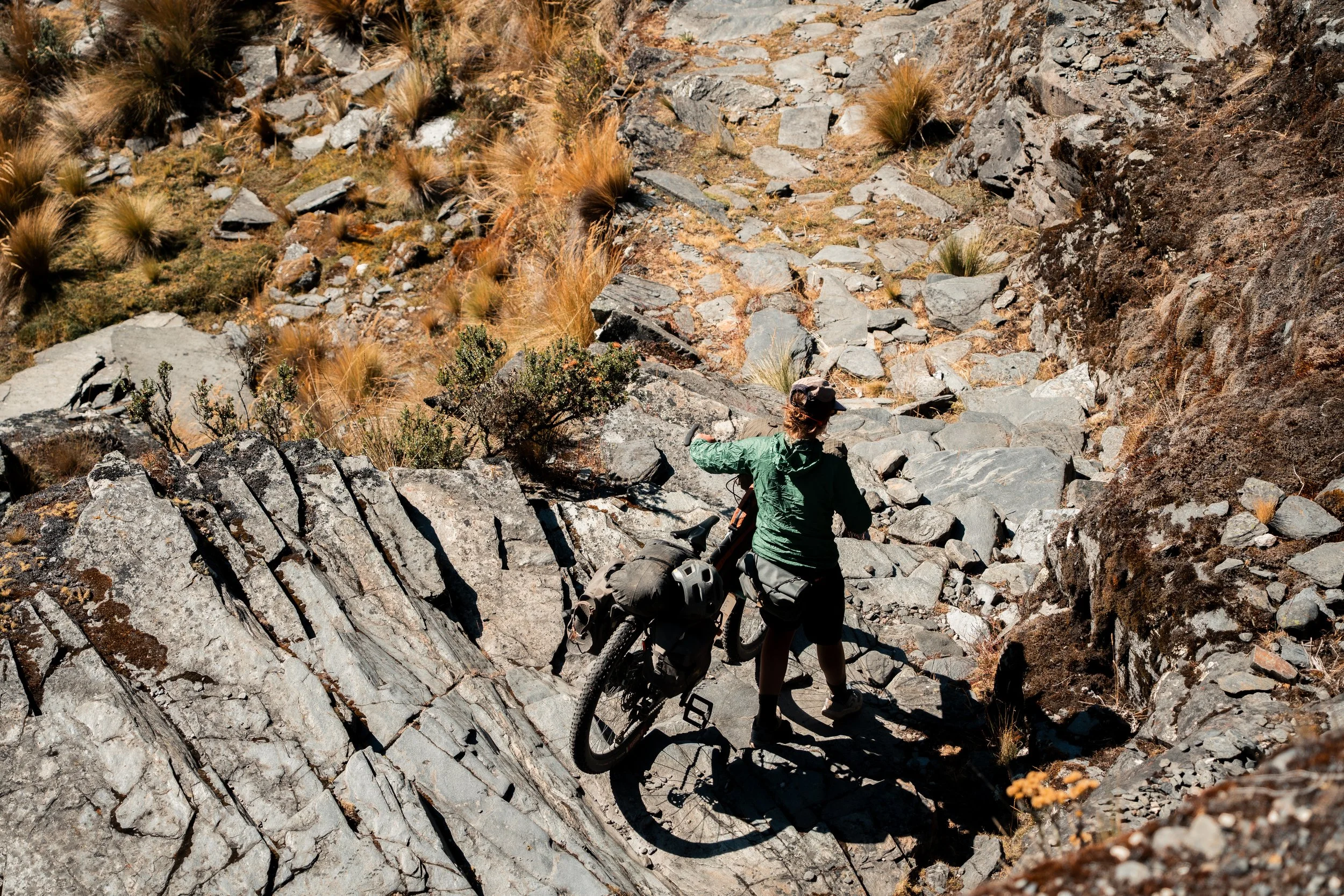
We were attempting to follow the Tres Cordilleras route into Peru, but due to landslides and an inability to buy more food, we had to follow the shore of Lake Titicaca. Once back on track, we were able to ride down old Inca Steps, but our progress was curtailed by illness.
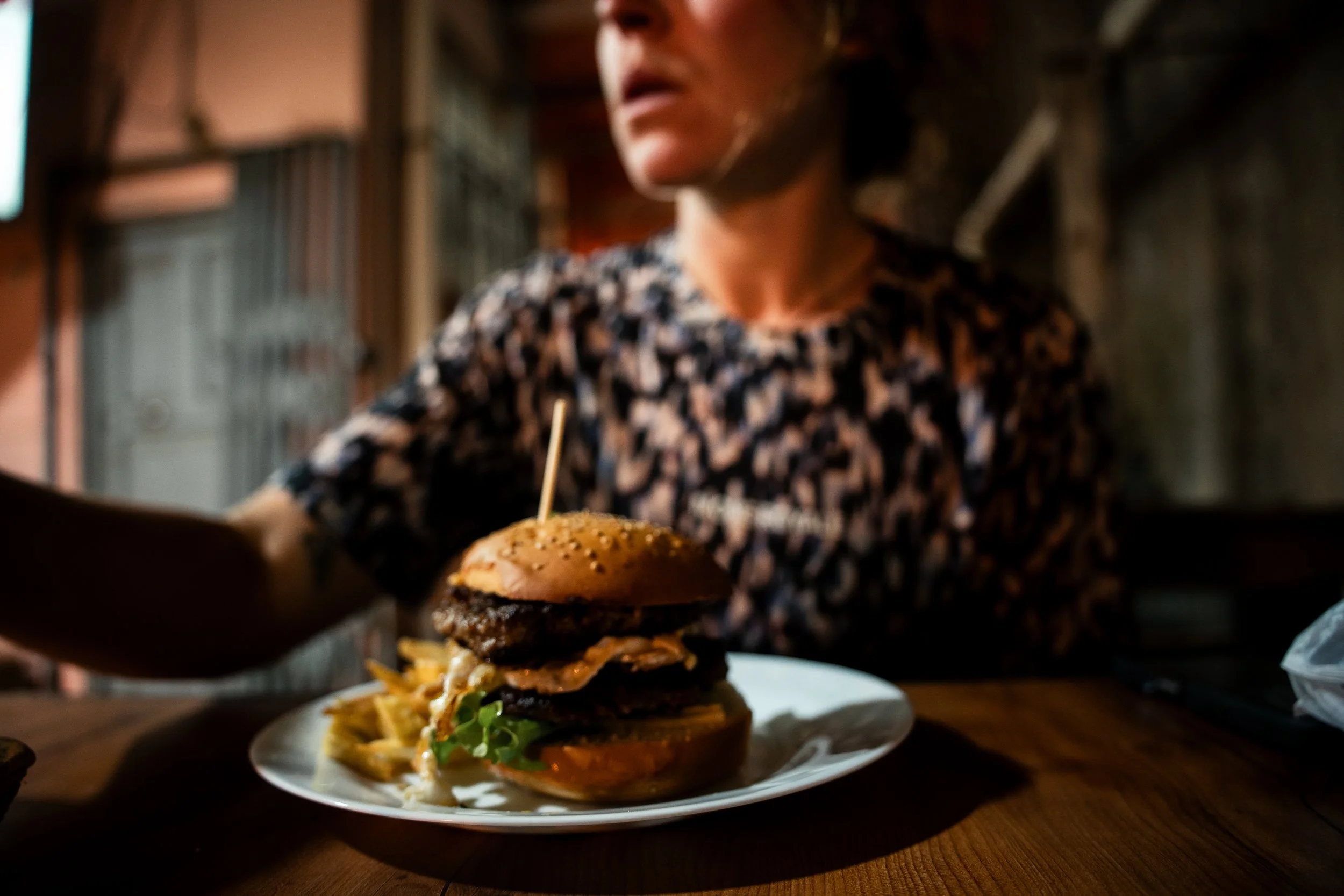
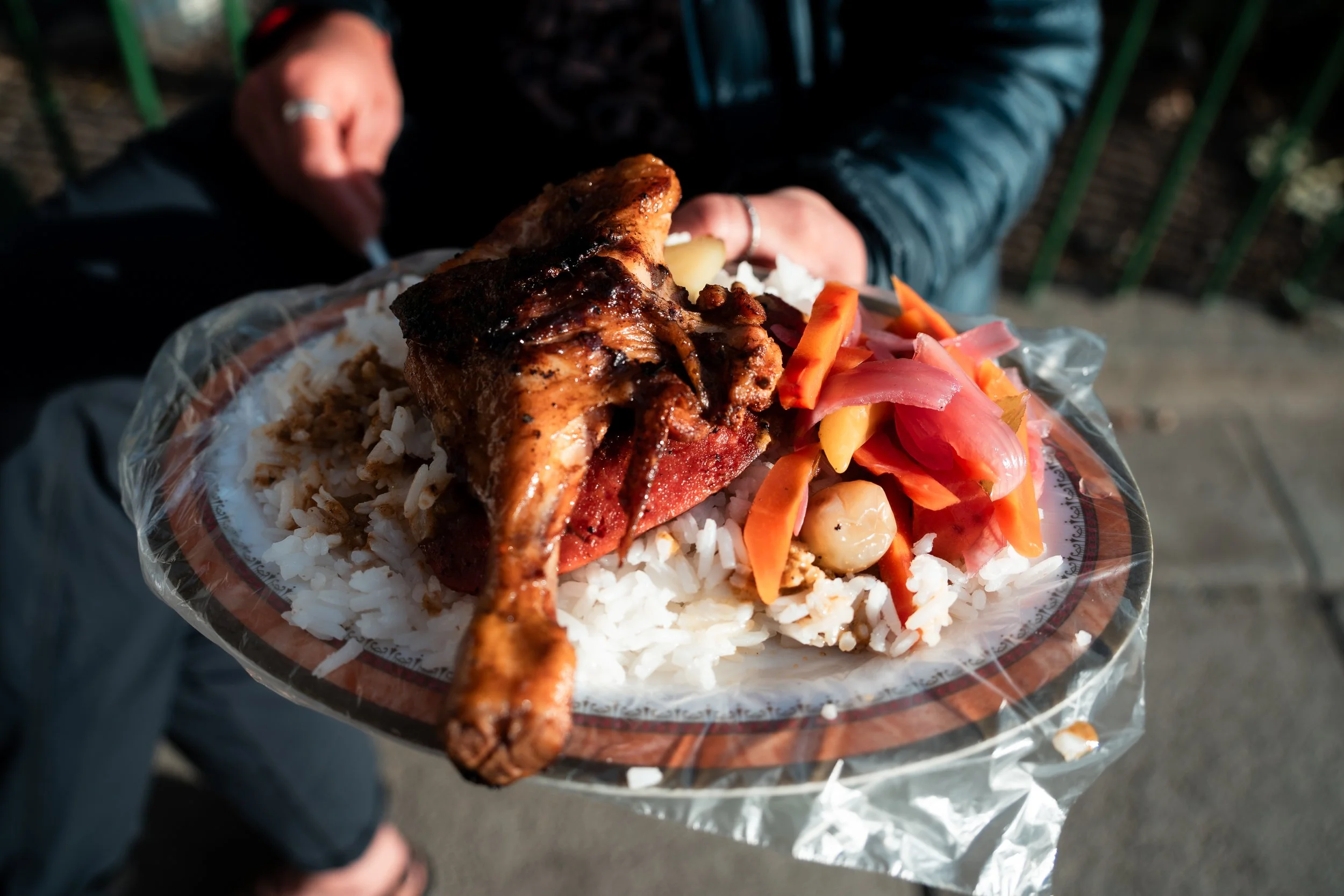
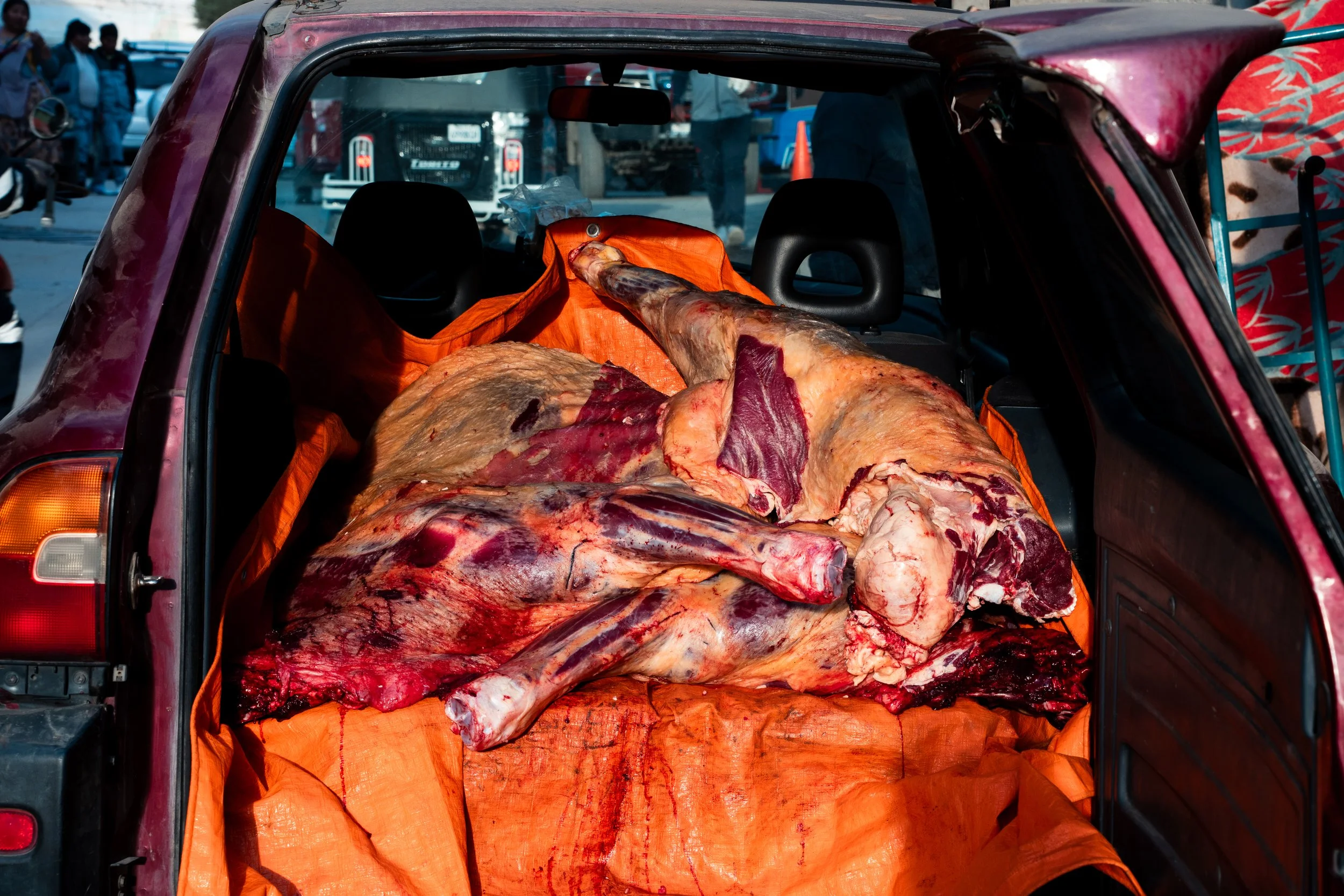
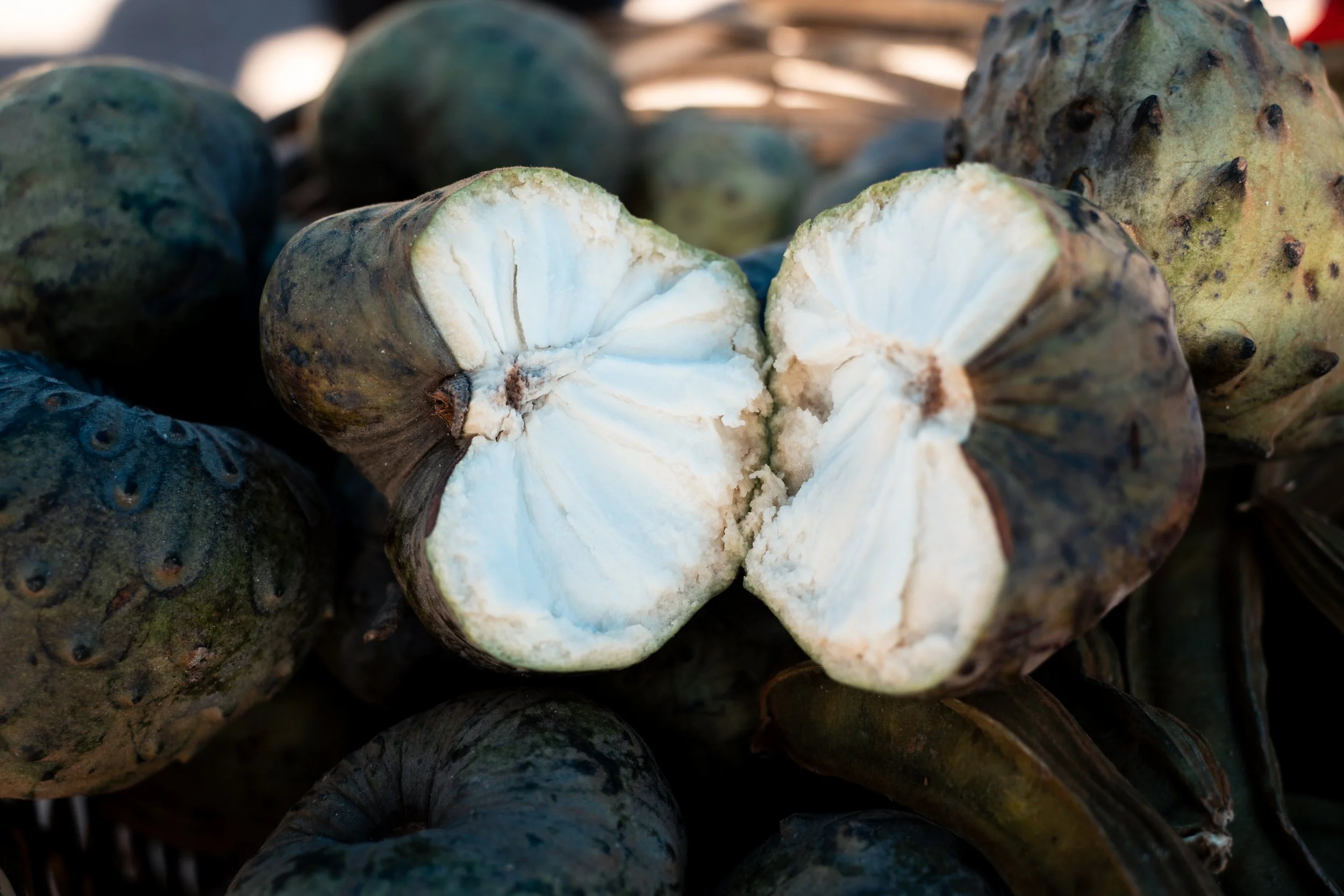
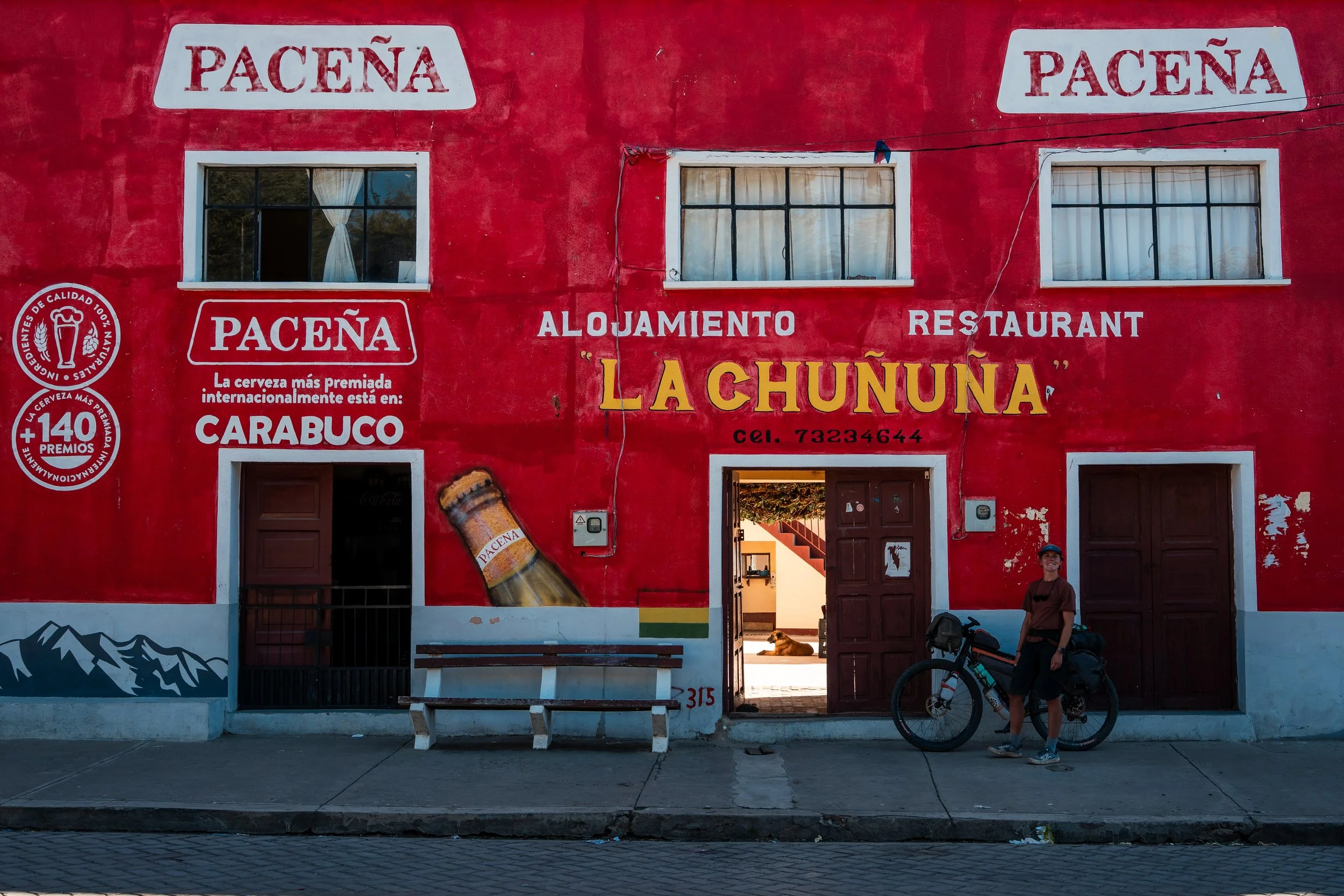
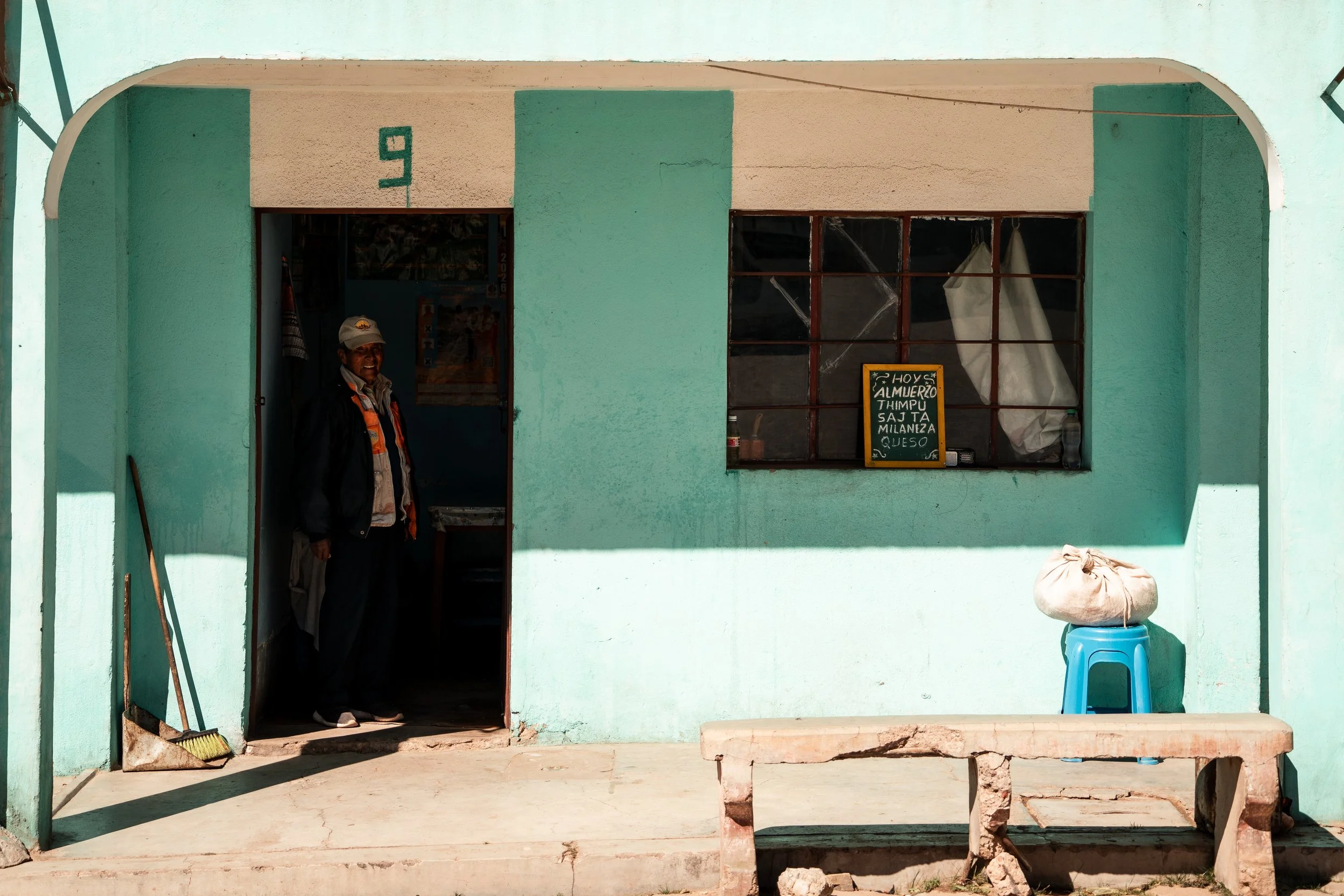
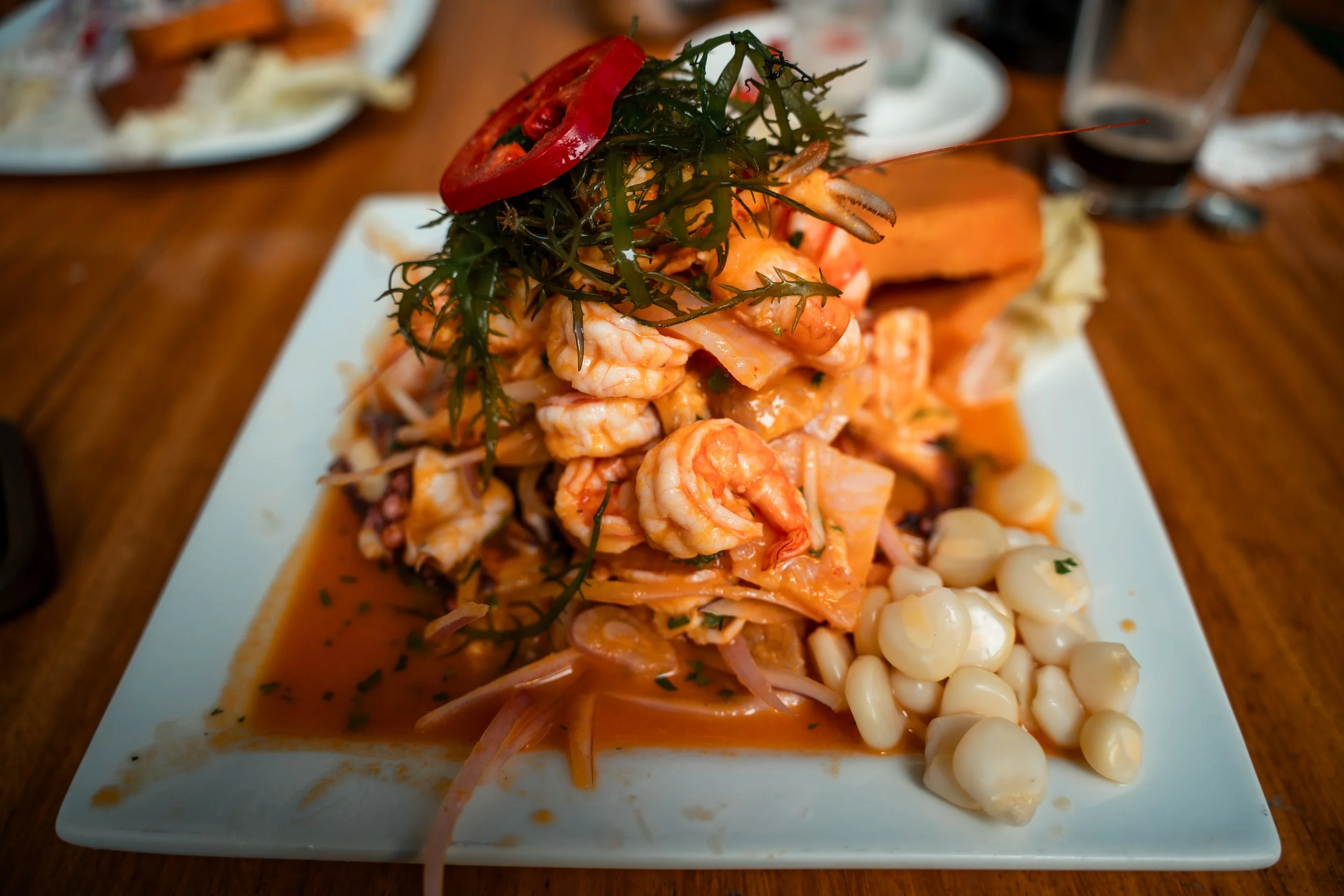
It took 10 days, but eventually we left Sorata. The town lies at ‘only’ 2600m elevation, our lowest point in the trip since San Pedro de Atacama in Chile (2500m). This had been one of our favourite towns to spend time in, spending most of our time eating. We had our routine down: a mid-morning coffee and cake, then lunch followed by chirimoya ice cream from the ladies on the street. Back to hostel to clean, repair, and potter about. Then dinner time was a combination of two or more of: anticucho (chargrilled beef heart), chargrilled chicken, burgers, or choripan (sausage in bread). These were all street carts, and we visited each at least 5 times, and the proprietors grew to know and expect us nightly.
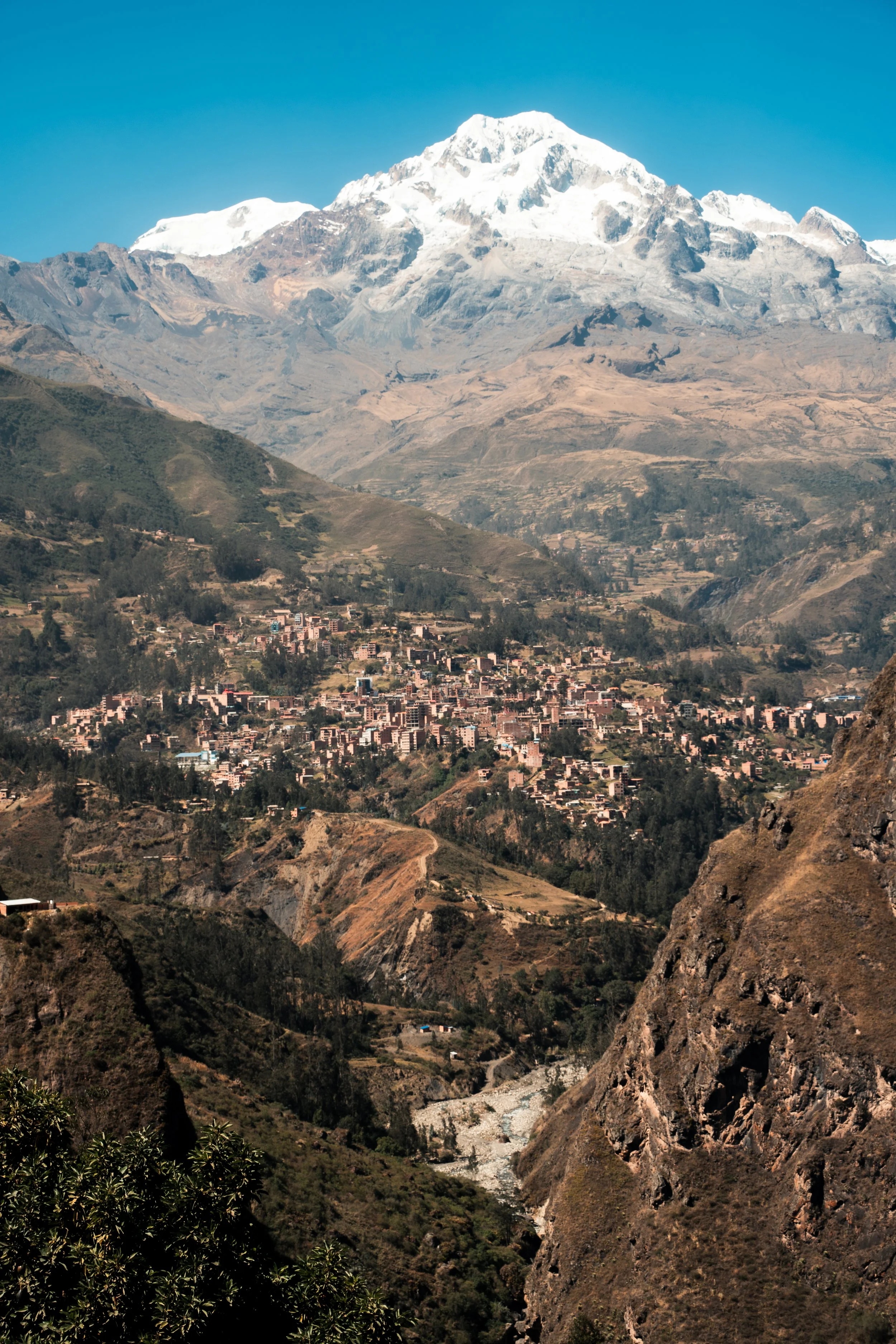
Sorata, at 2600m, is one of the lowest elevations we will reach in our 6 months.
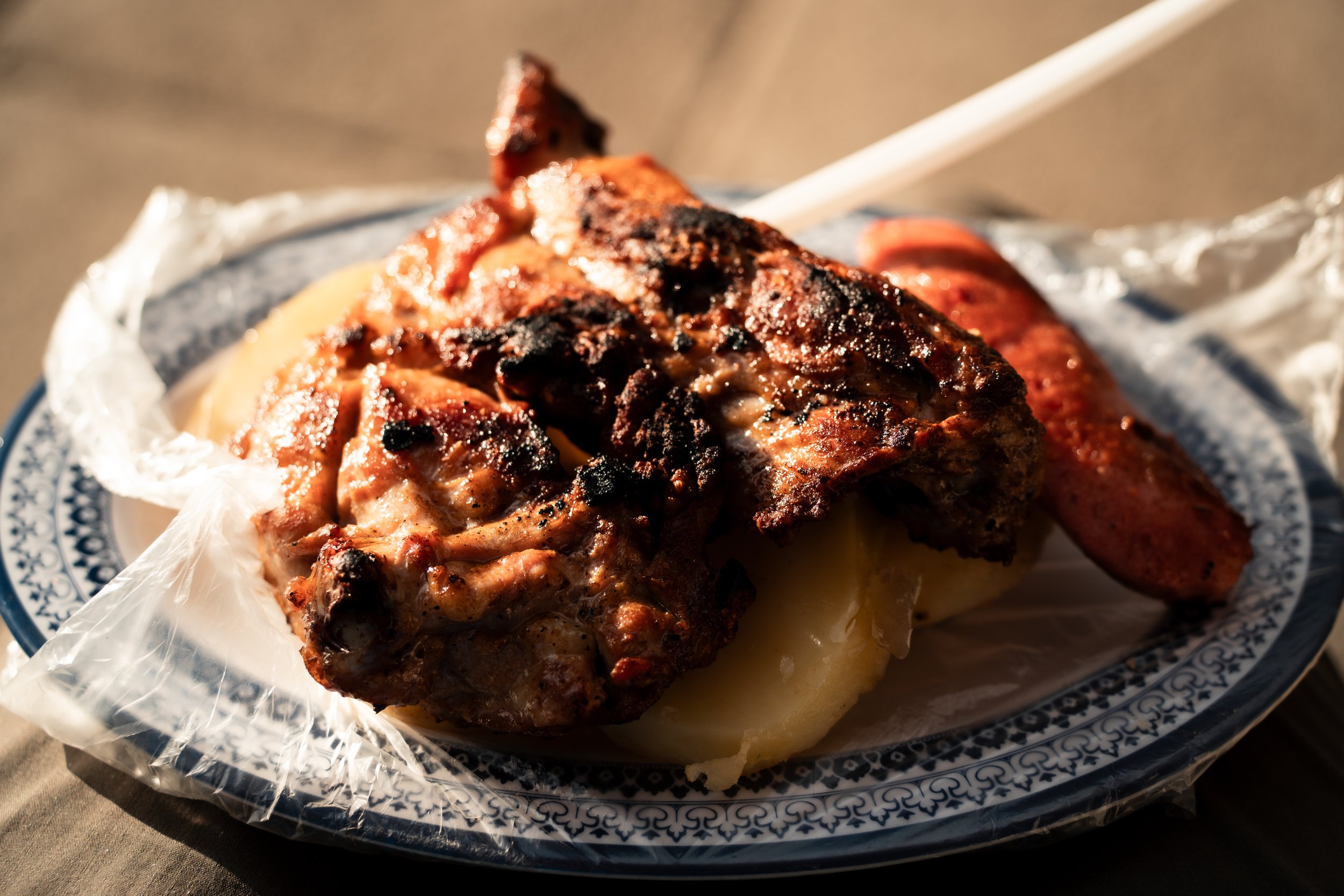
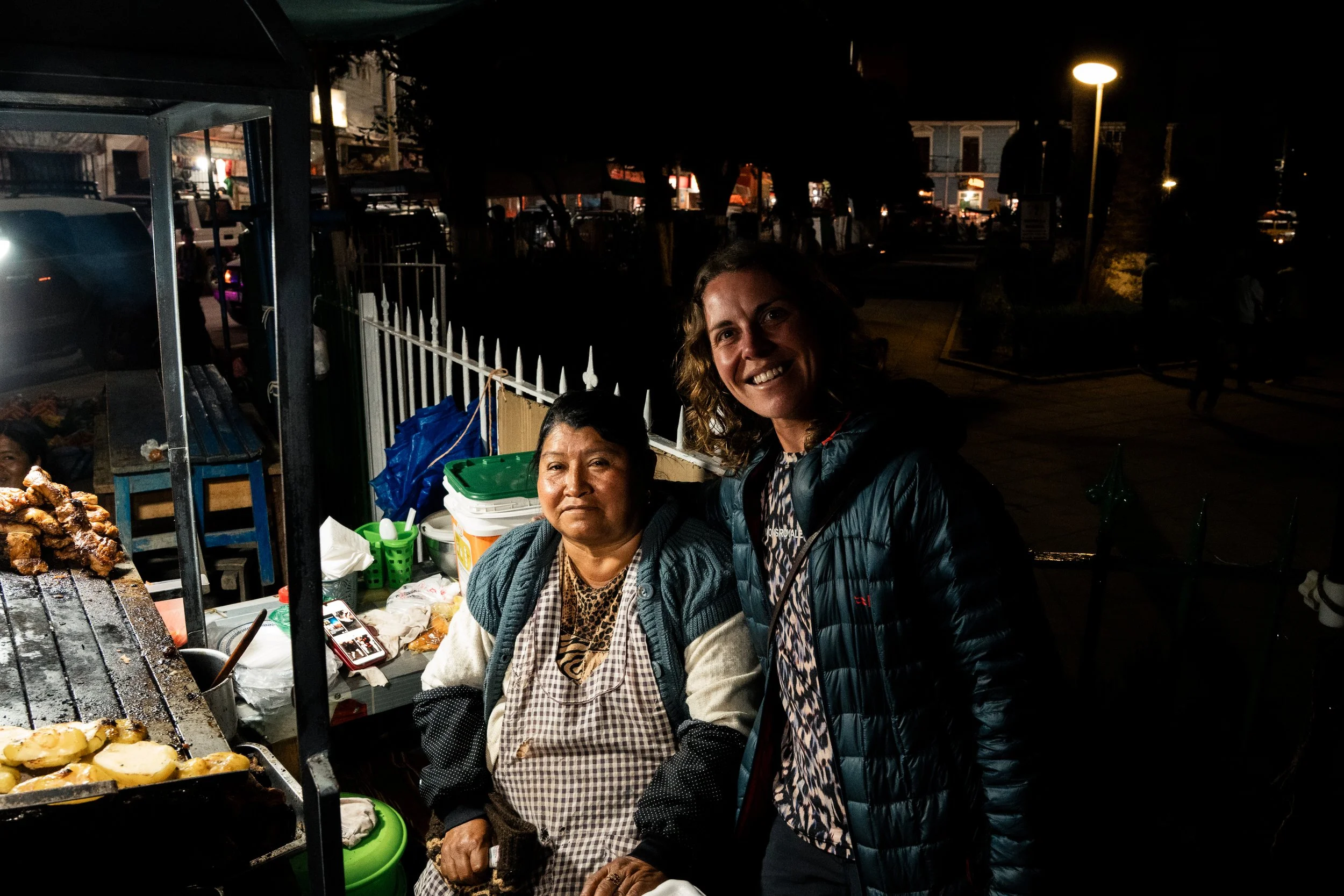
Our favourite chargrilled chicken lady, we ate here every night she was on the street.
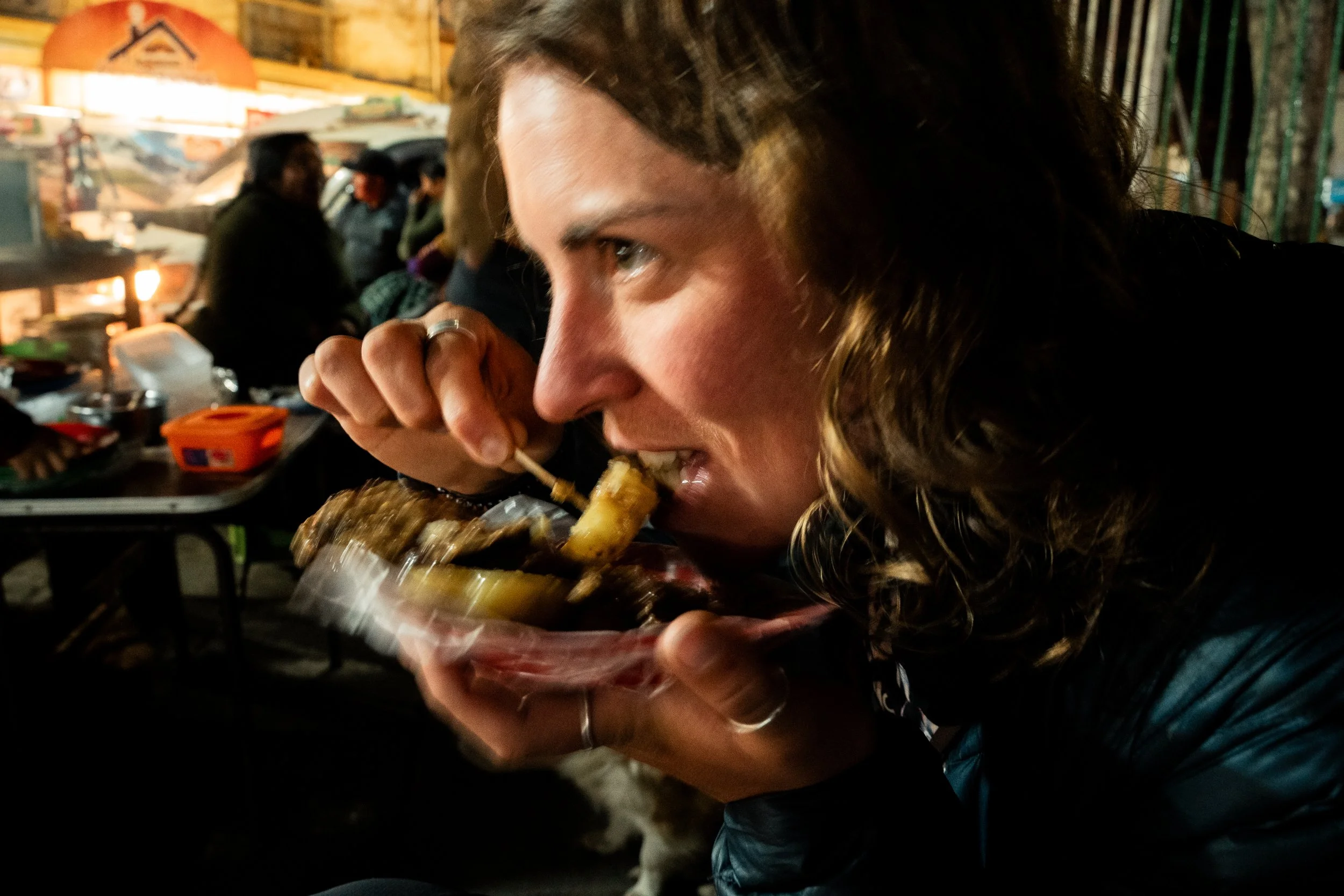
Anticucho - chargilled beef heart, thinly sliced, with potatoes. Served with a toothpick.
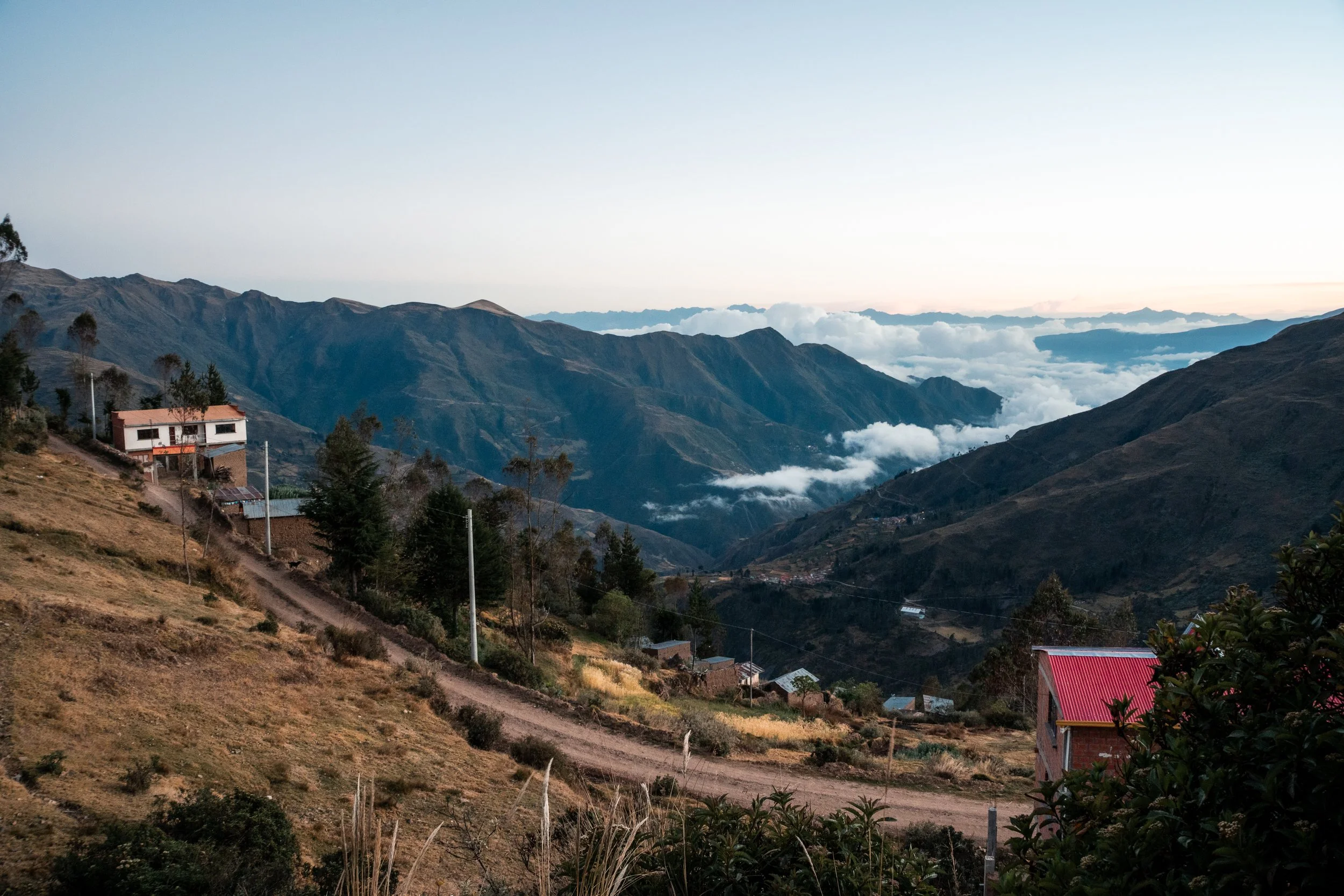
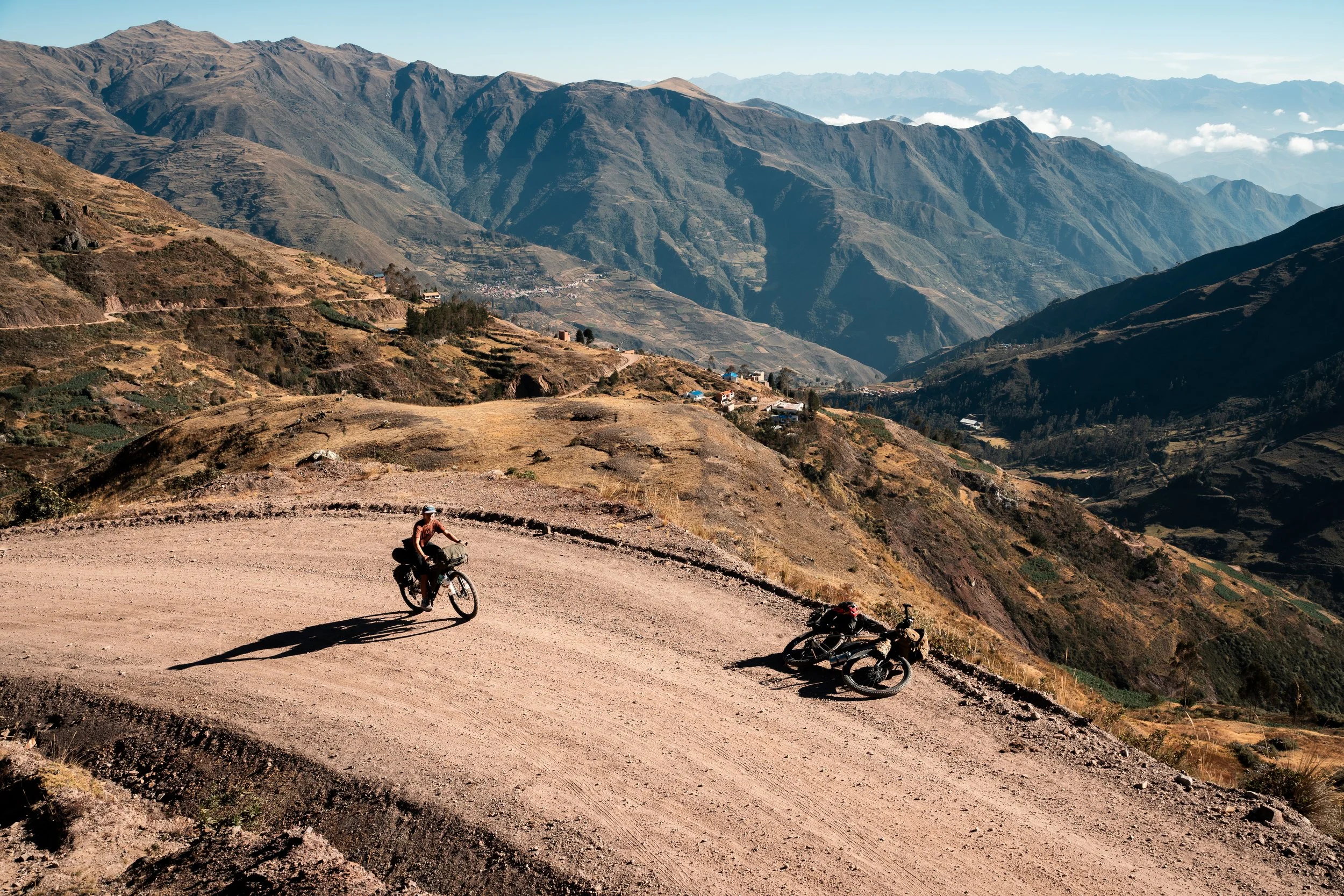
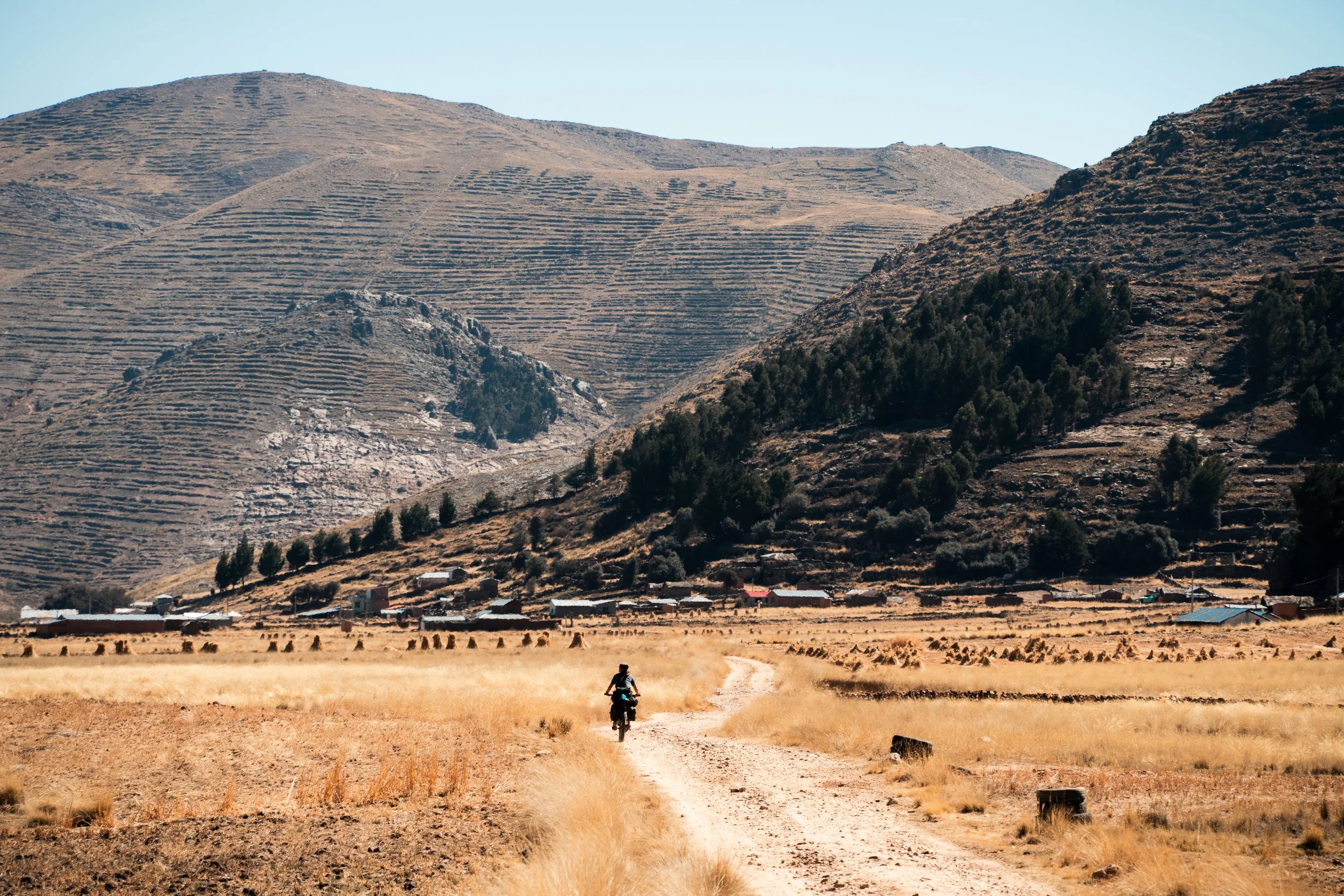
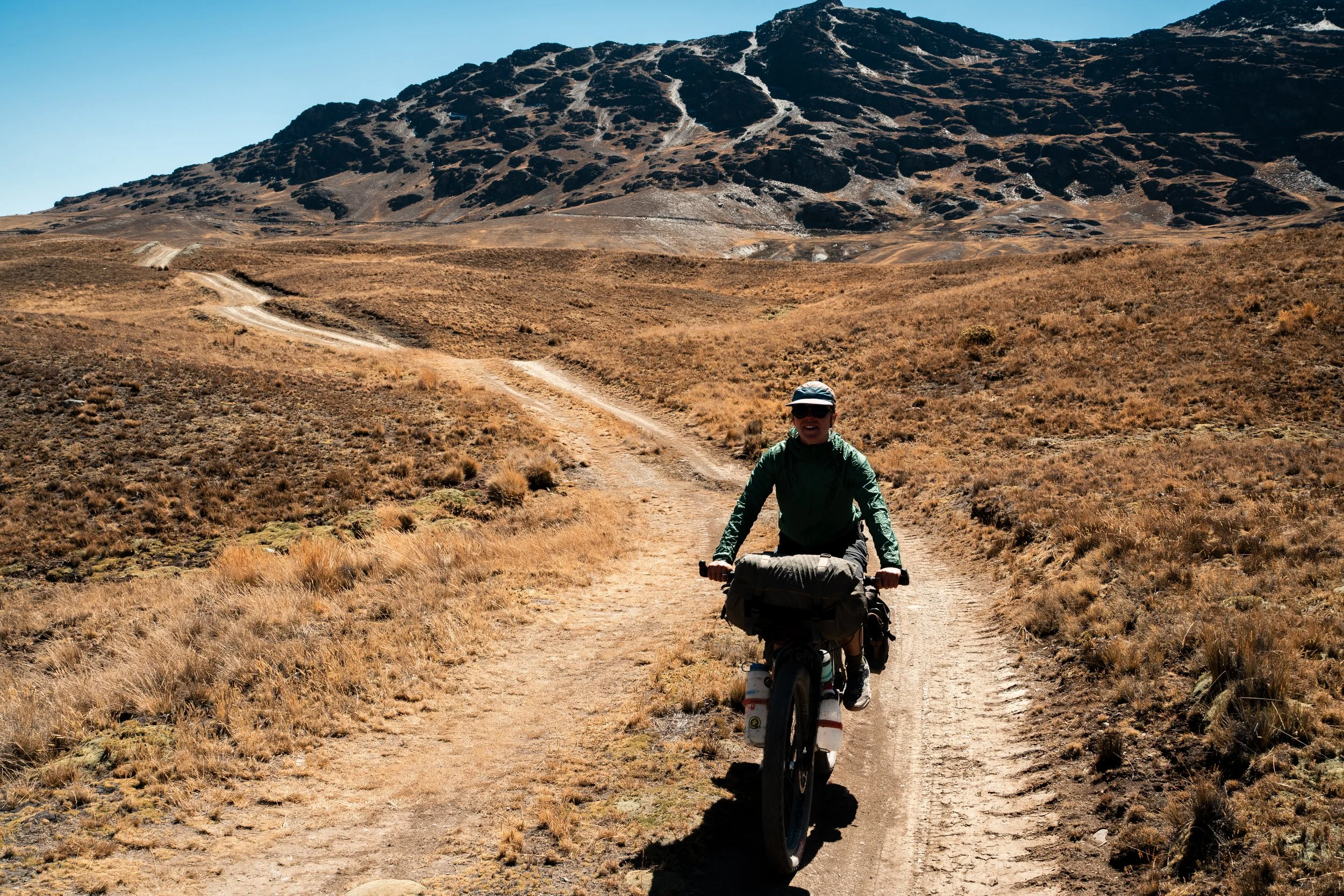
We were planning to follow the Tres Cordilleras route, 800km of mountains that would take us through to Cusco in Peru. We were treated to a few kilometres of tarmac on the climb out of town, our first bit of paved road in over a month. At the top there was a zip line and ice cream stalls, our first piece of tourist infrastructure we had seen outside a city in Bolivia in our three months here. We quickly turned off though and were onto dirt roads, climbing up and around valleys with small farming villages, gradually regaining elevation.
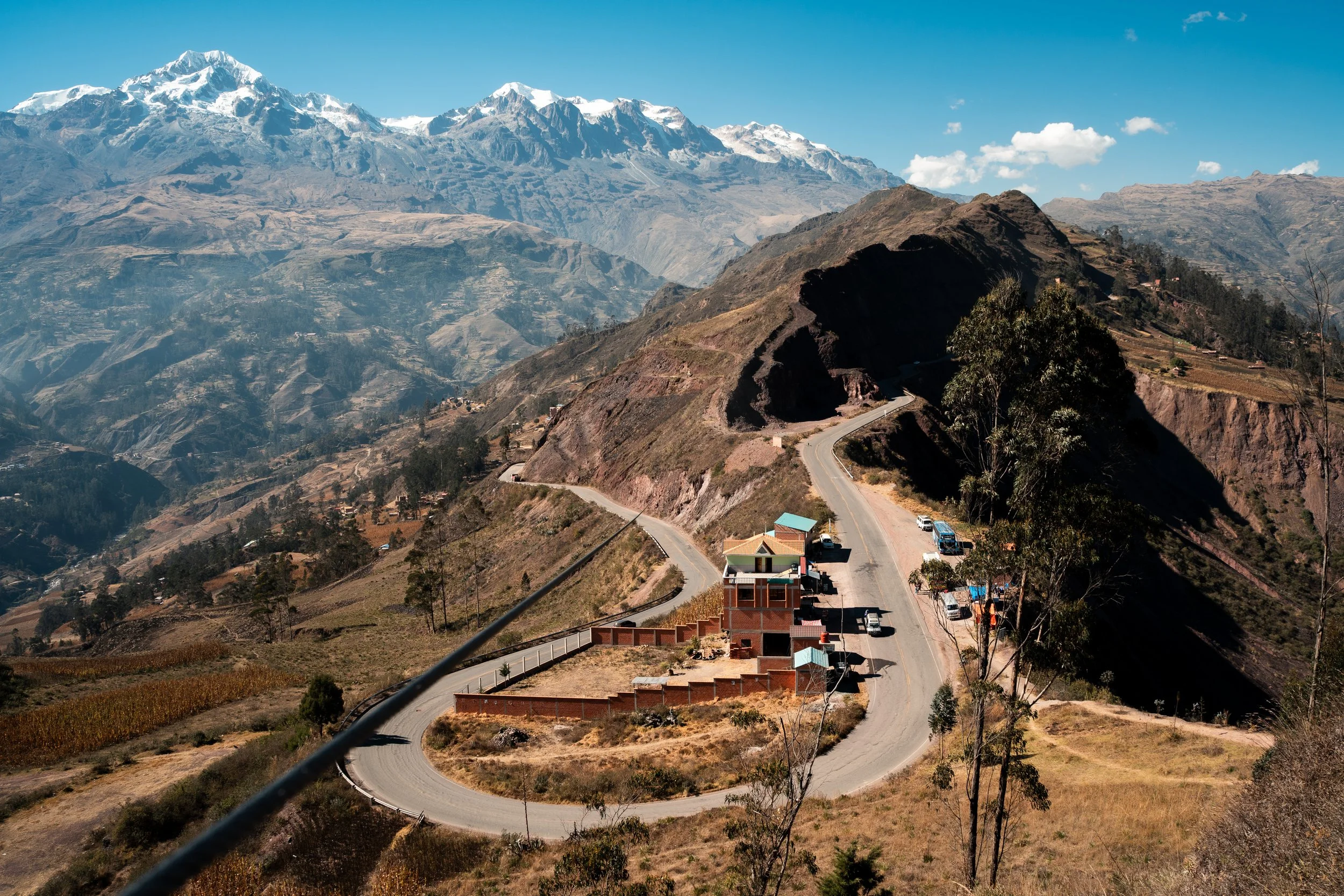
One of our few pieces of tarmac in Bolivia, with zipline.
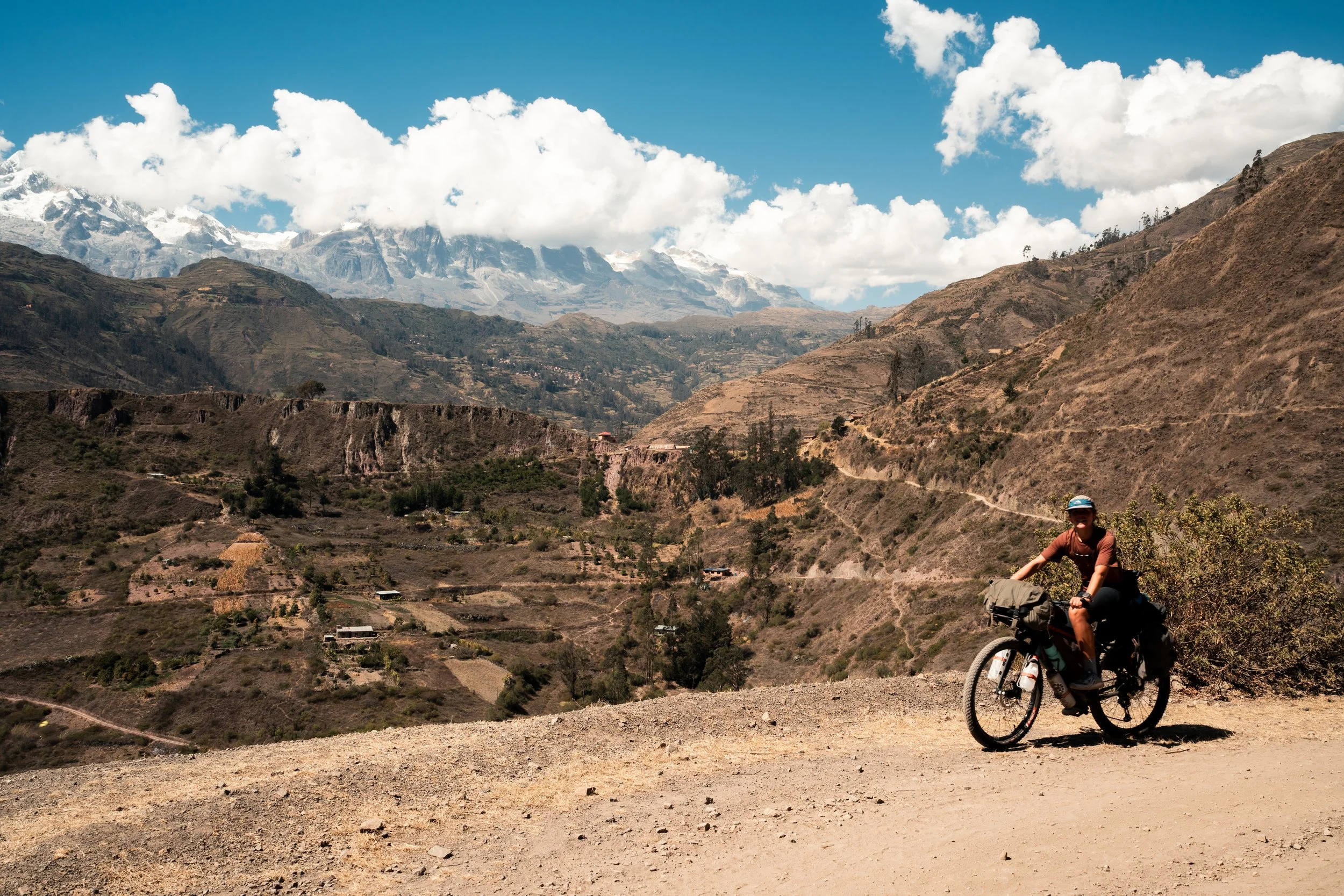
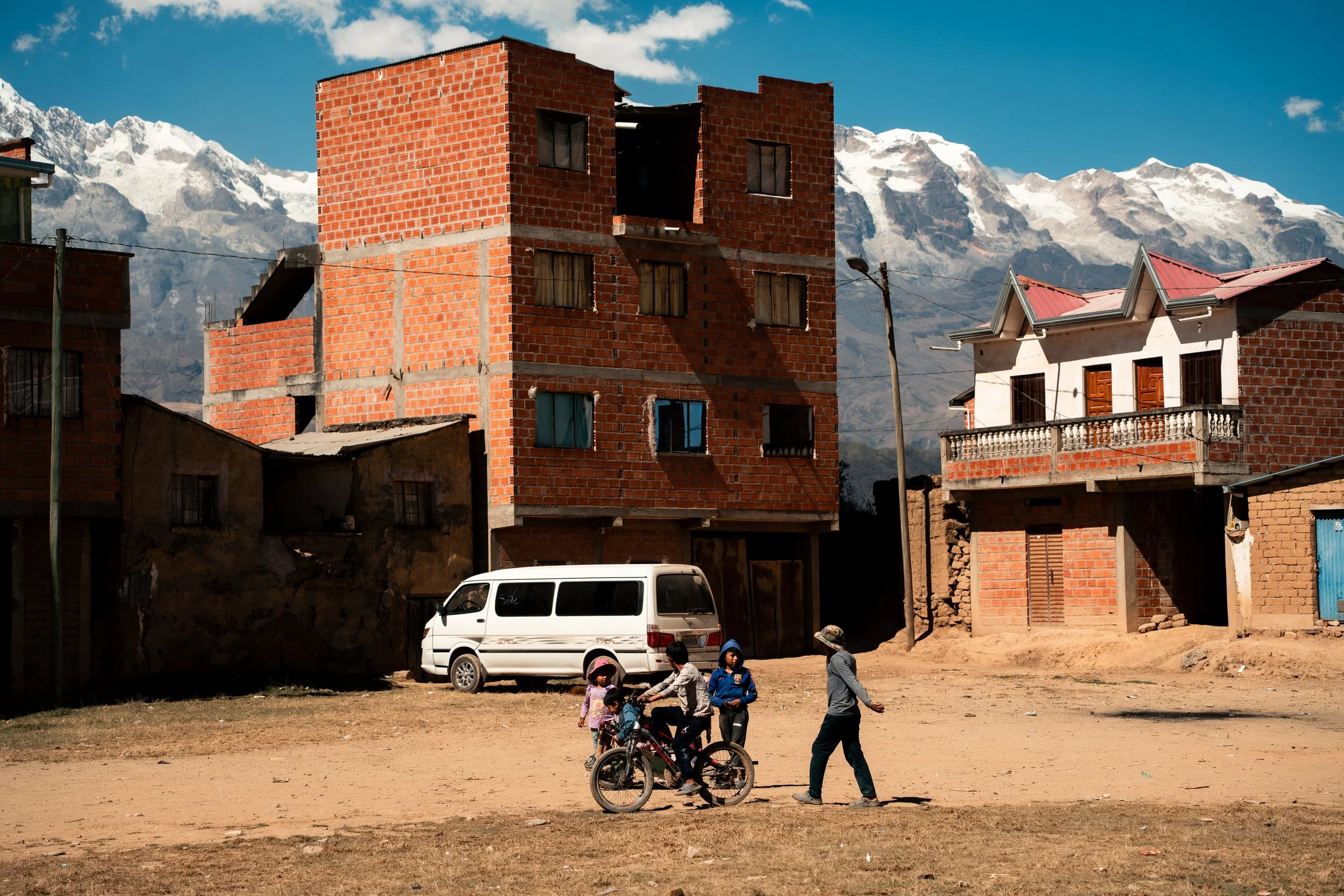
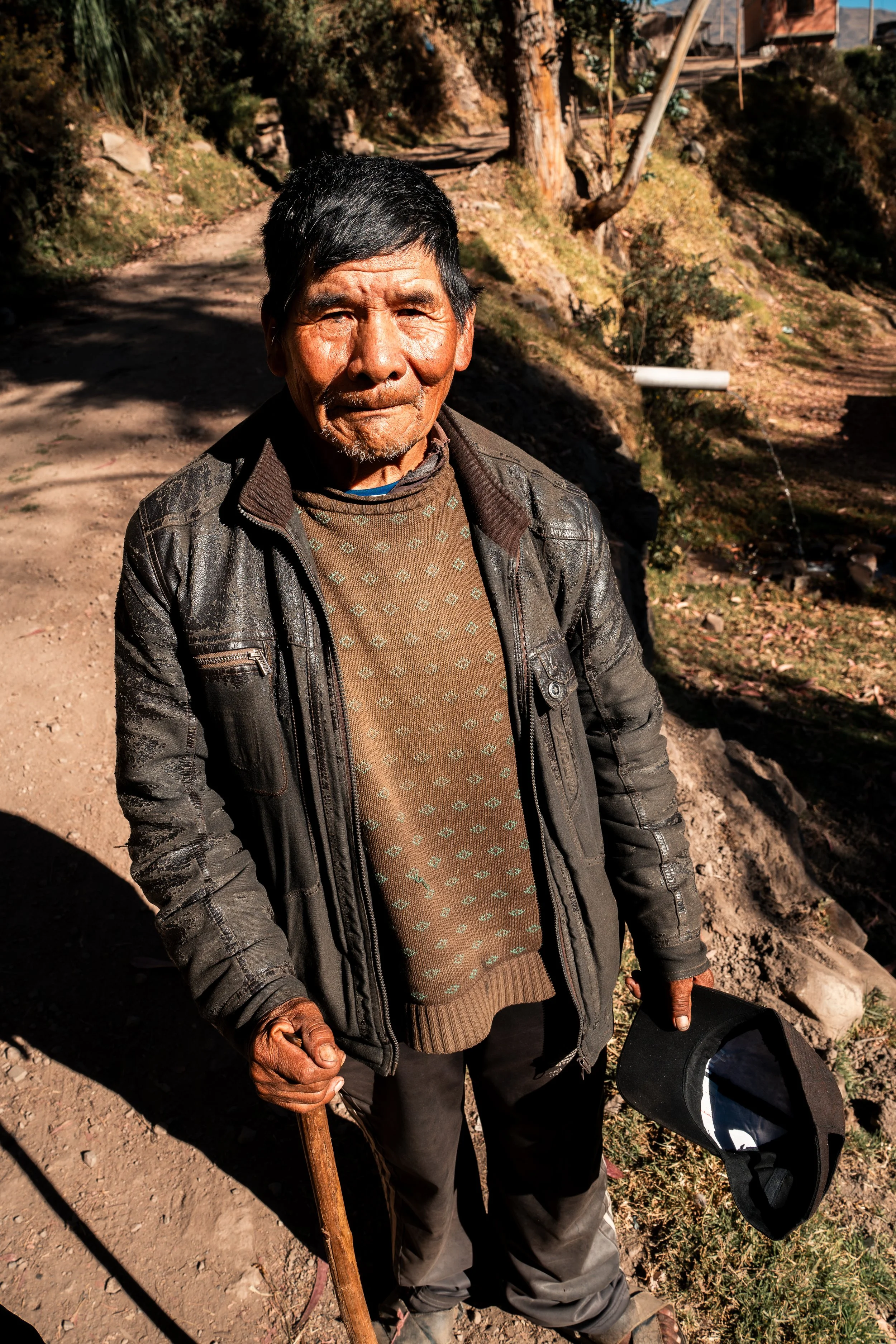
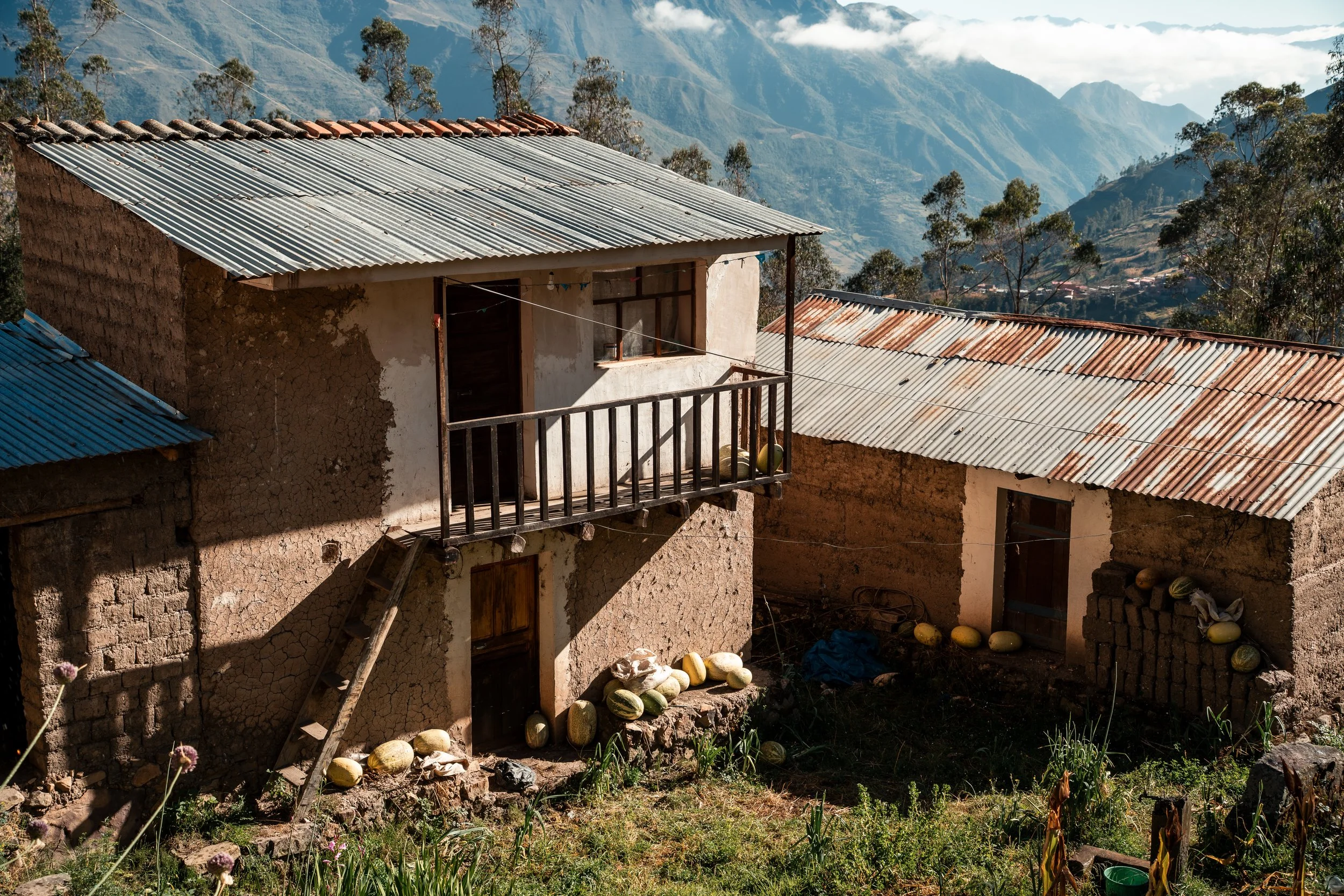
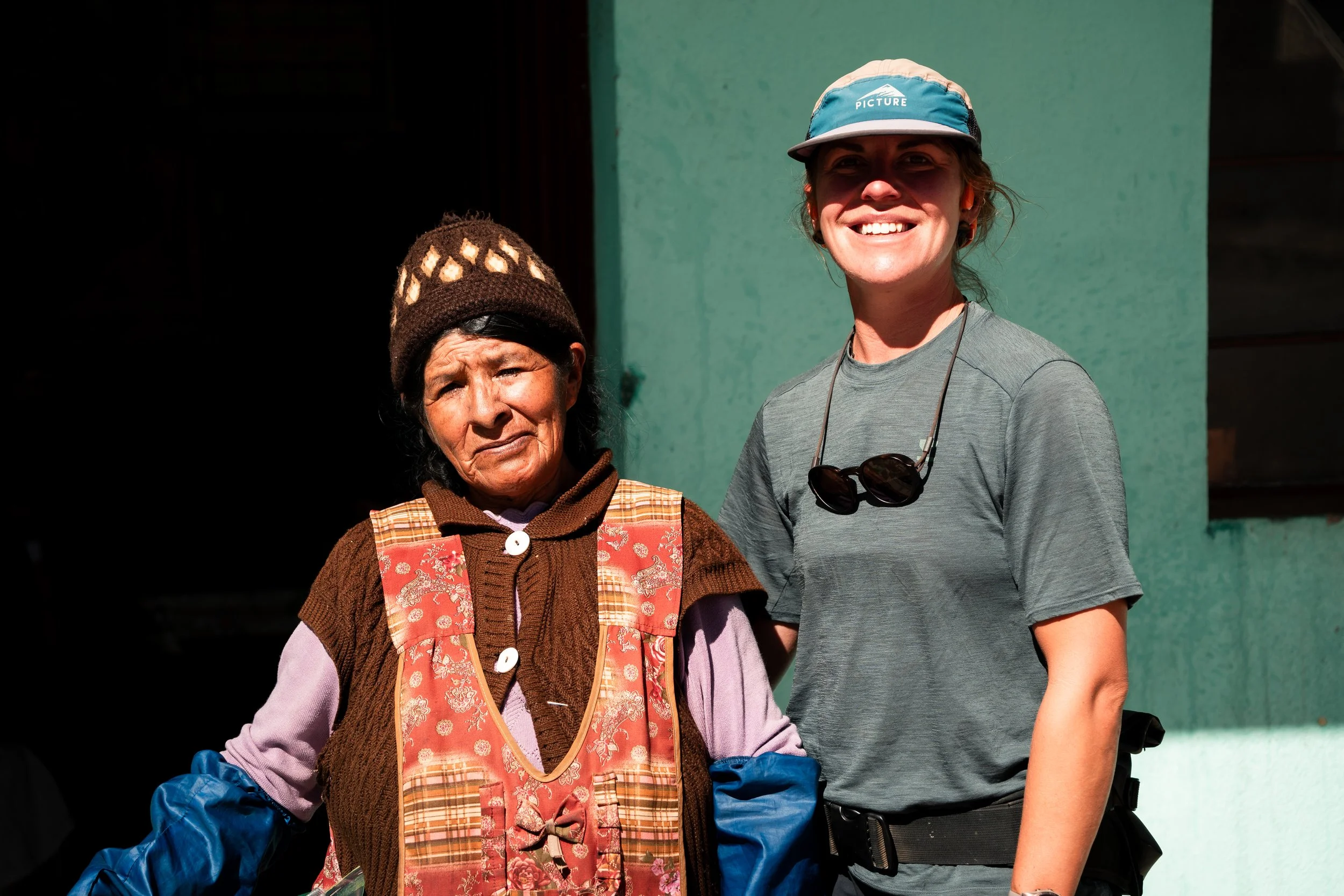
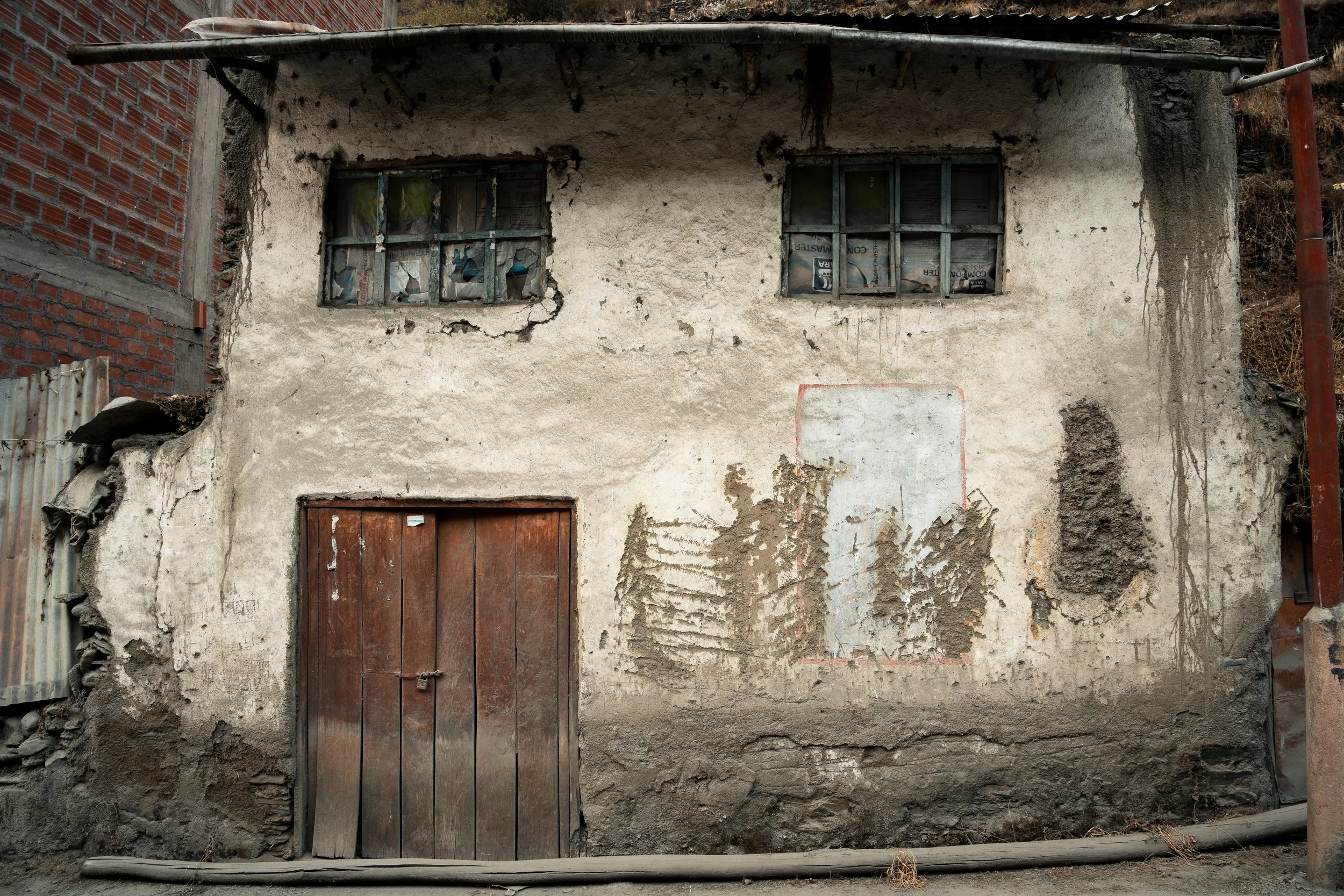
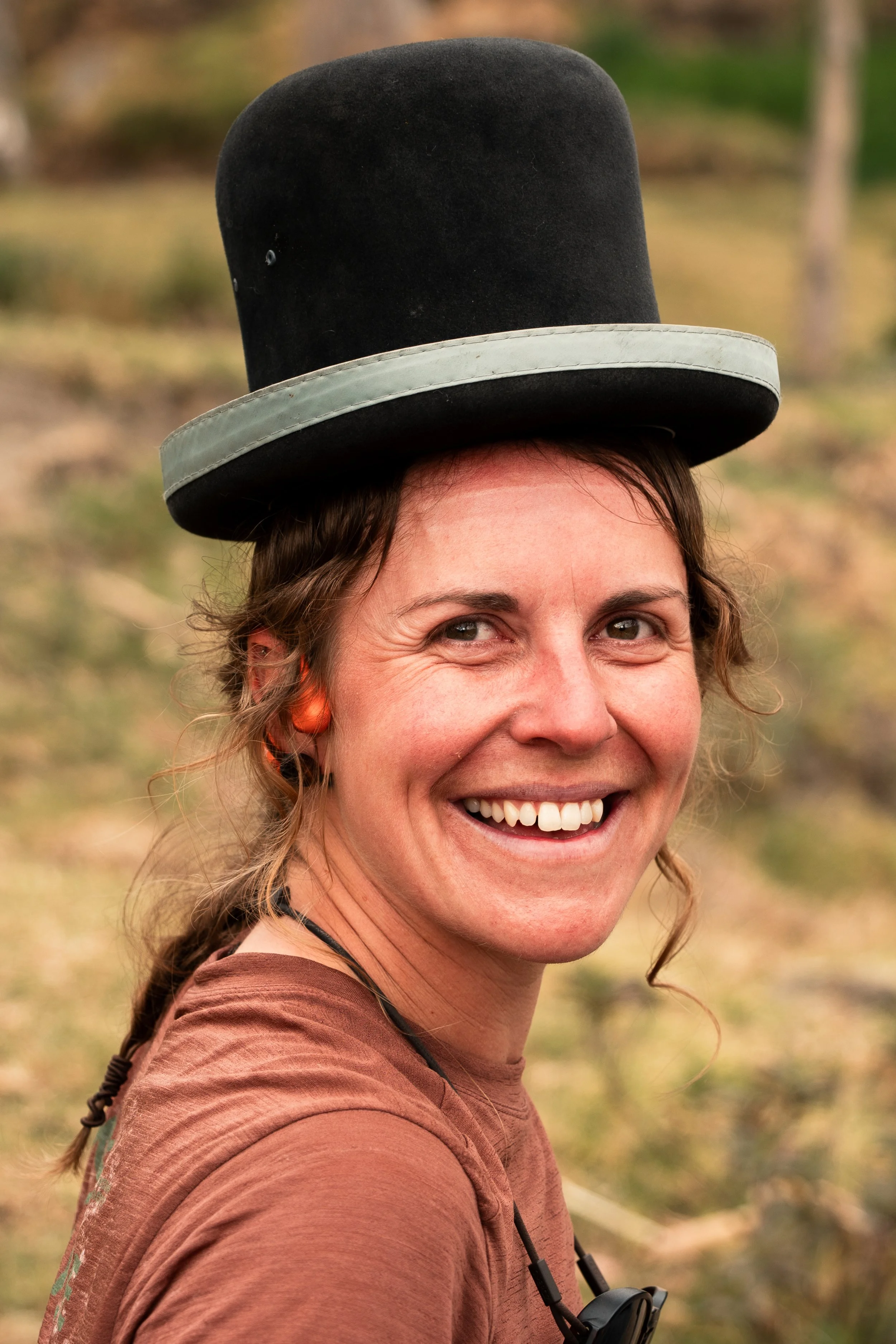
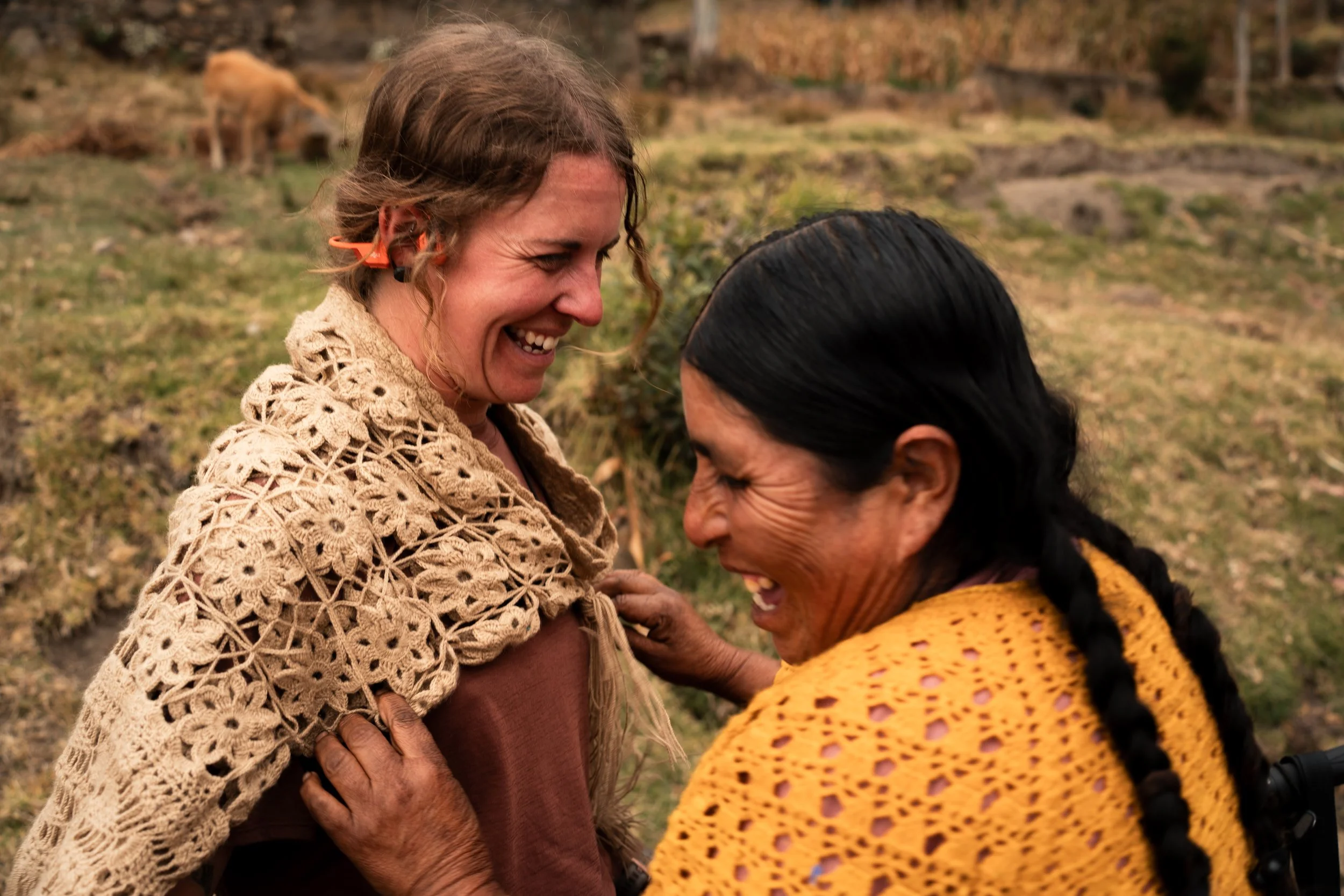
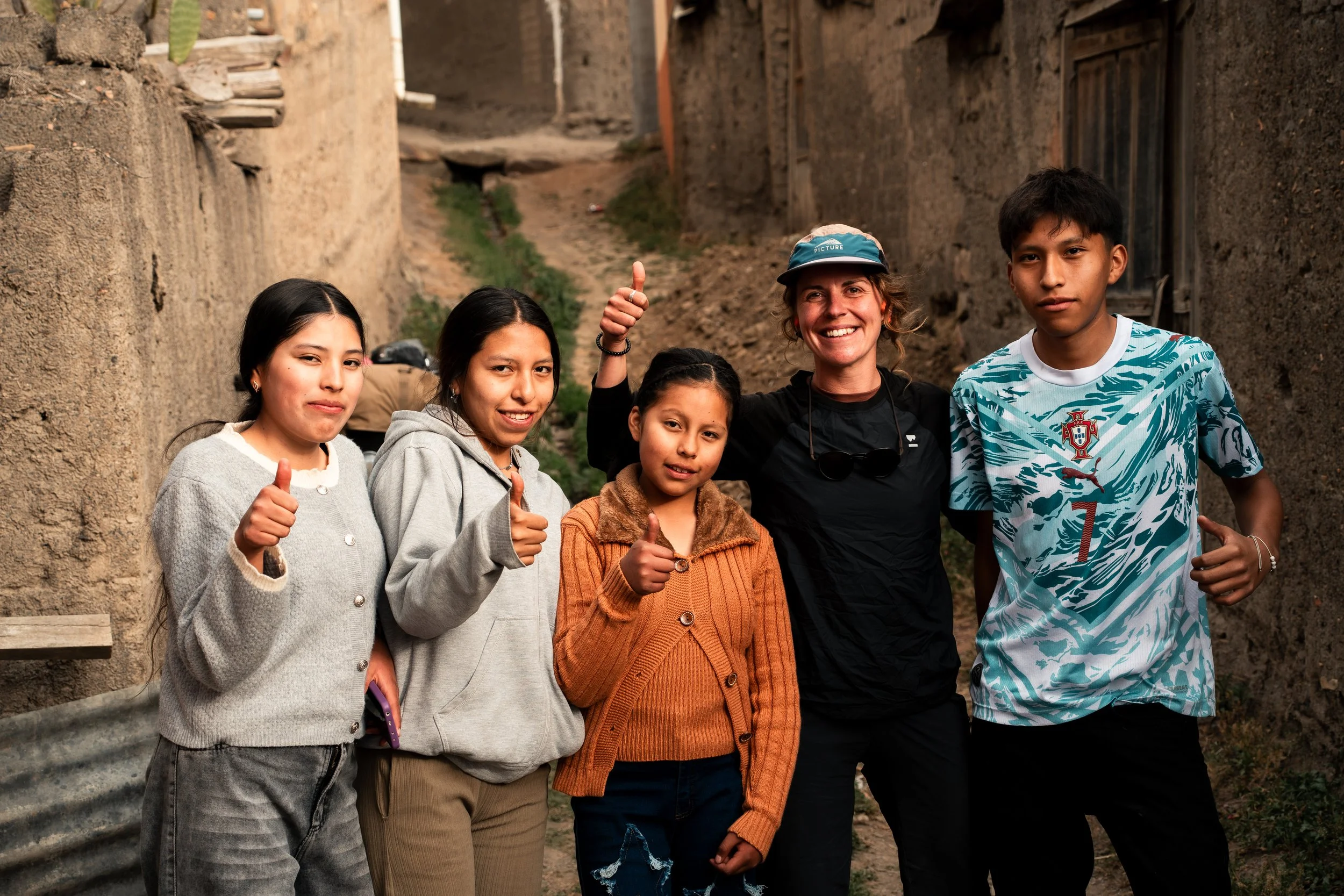
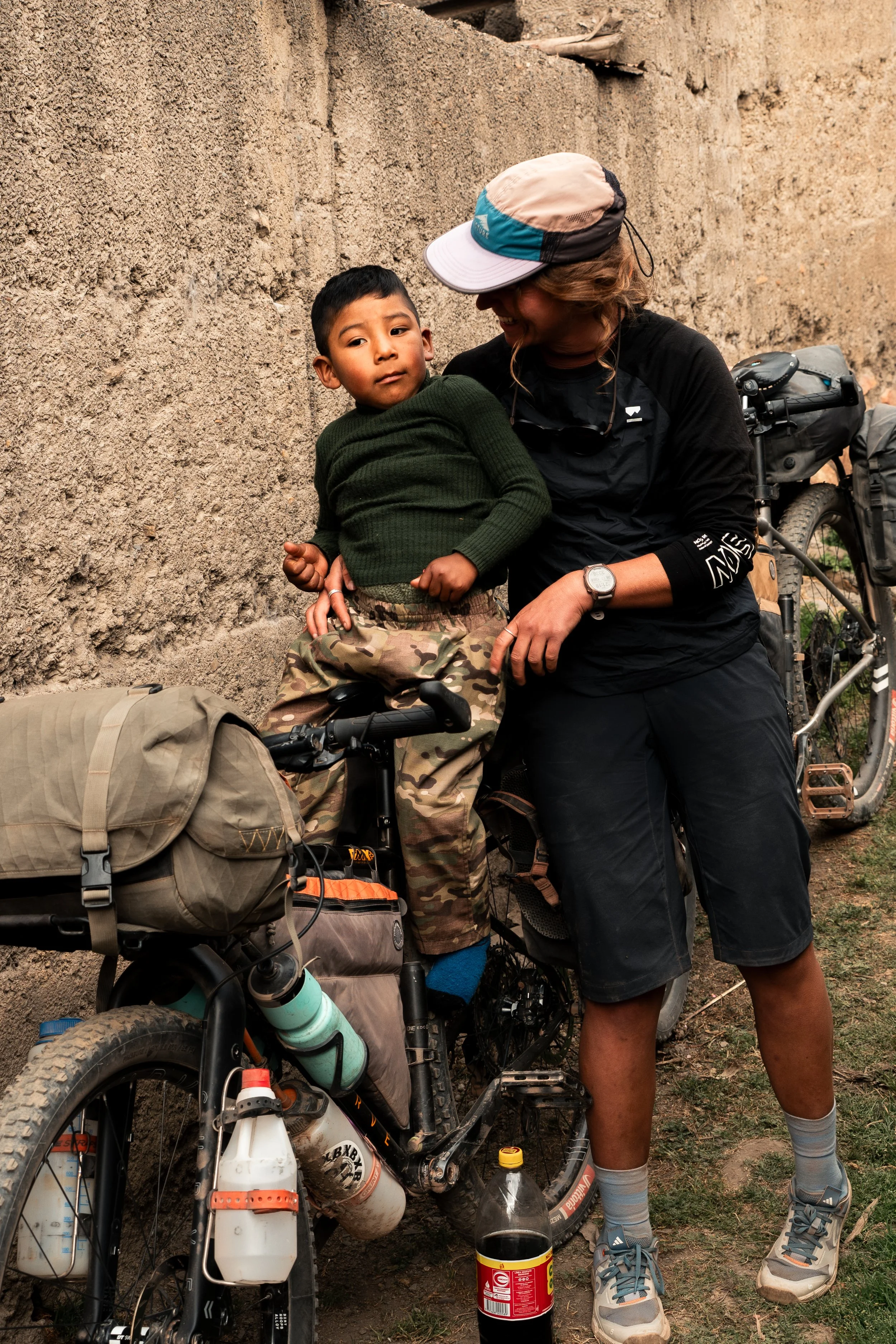
Towards the end of the day, we pulled over to let a group of well-dressed ladies pass. Unlike nearly everyone else in Bolivia, they decided to stop and chat with us. They decided they wanted to dress Lauren up in some of their clothes and then take photos with us. More and more people joined to take photos with us (our first in Bolivia), and eventually a few teenagers asked if we would like to come back to their house for some food. There had been a celebration earlier in the day, and they had some left over. We followed them to Milliraya, just off our route, and ate some delicious chicken and potatoes. We had often wondered what the inside of houses were like in Bolivia. Four thin mattresses were stacked in a corner to sit on; the only other piece of furniture was a rickety wooden bench that I didn’t dare to sit on. Only one of the two rooms had a concrete floor, the other was dirt. It was a stark reminder of how little there was to be had in these small villages. We posed for some more photos with them, and then set off to try and find a camp site.
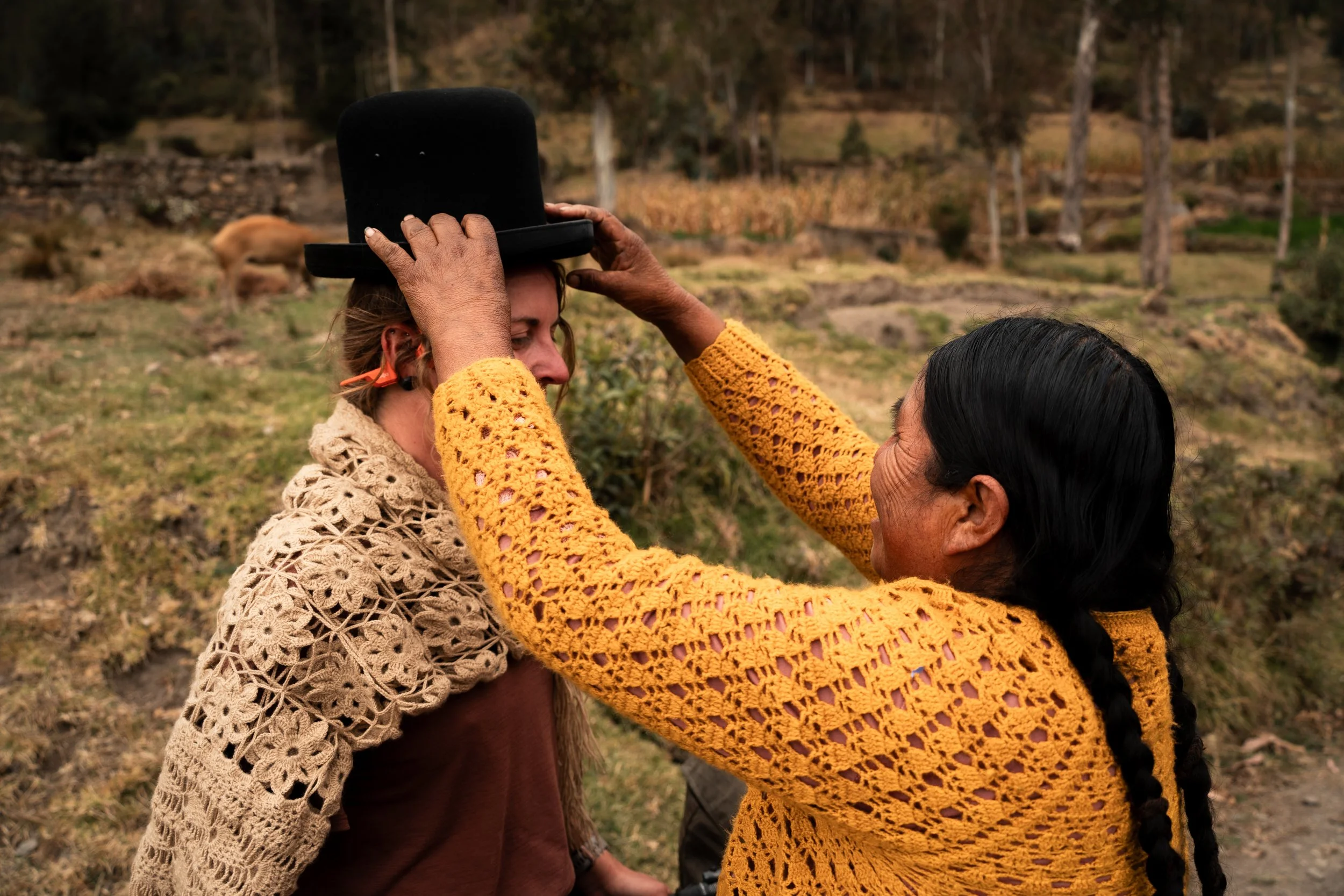
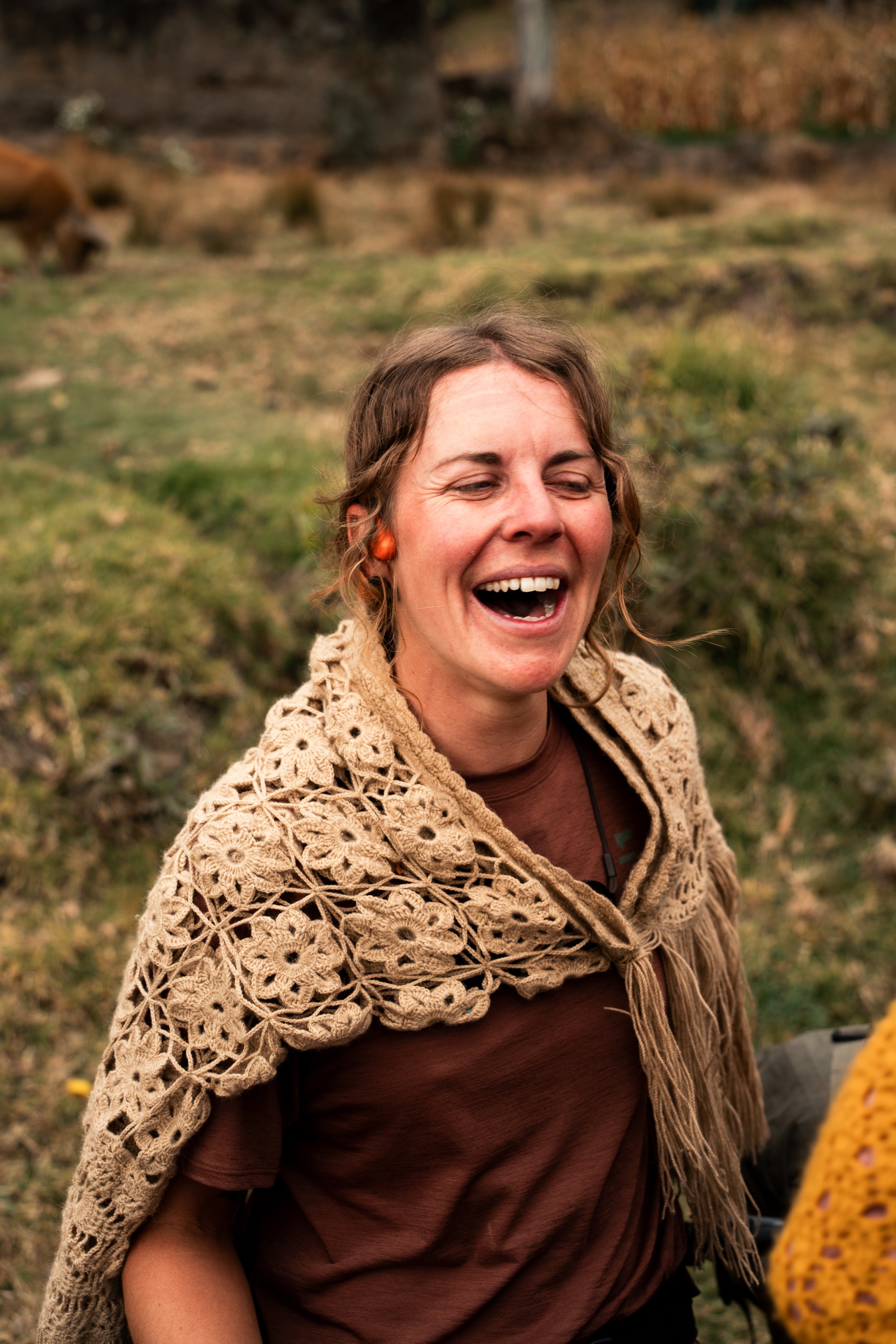
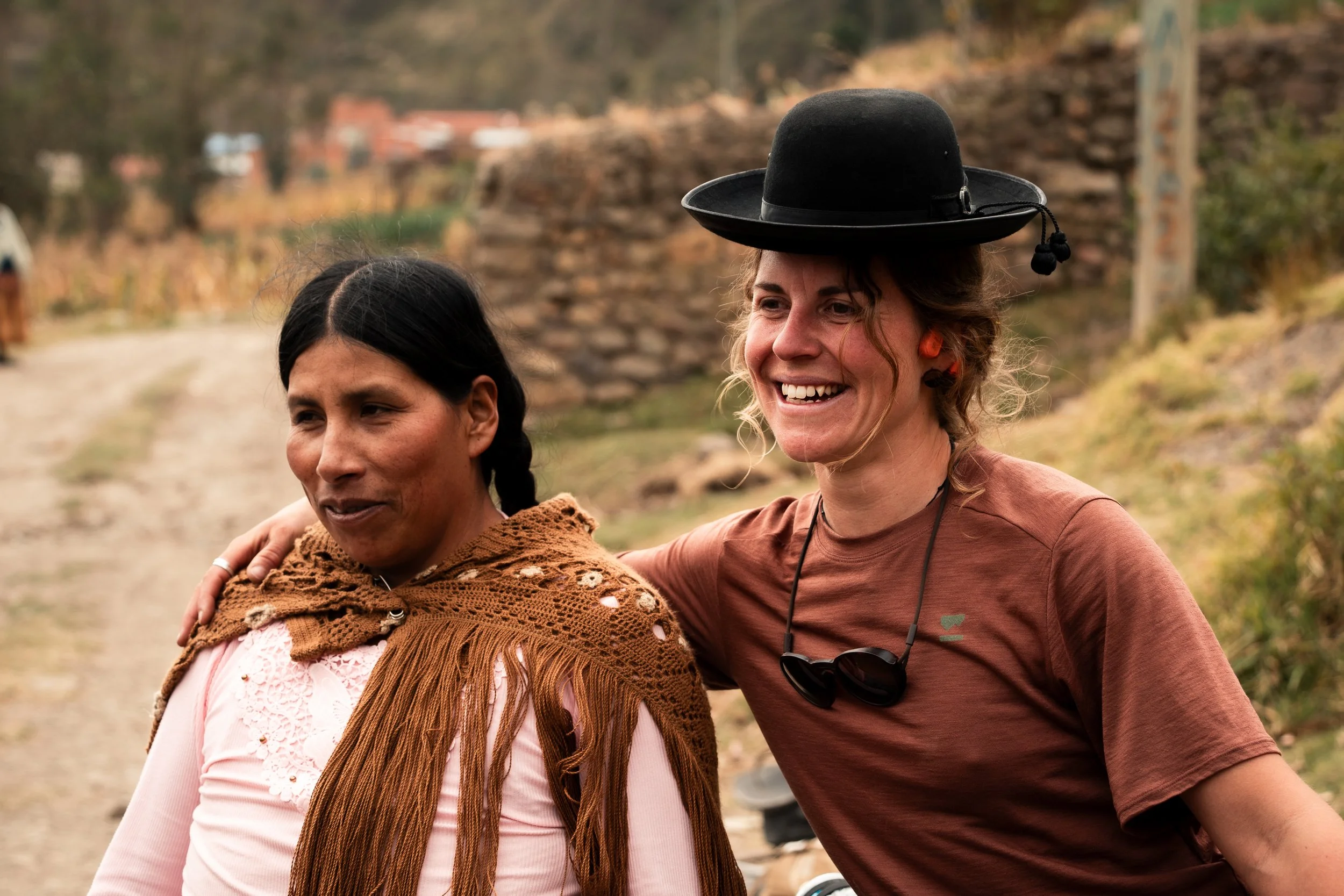
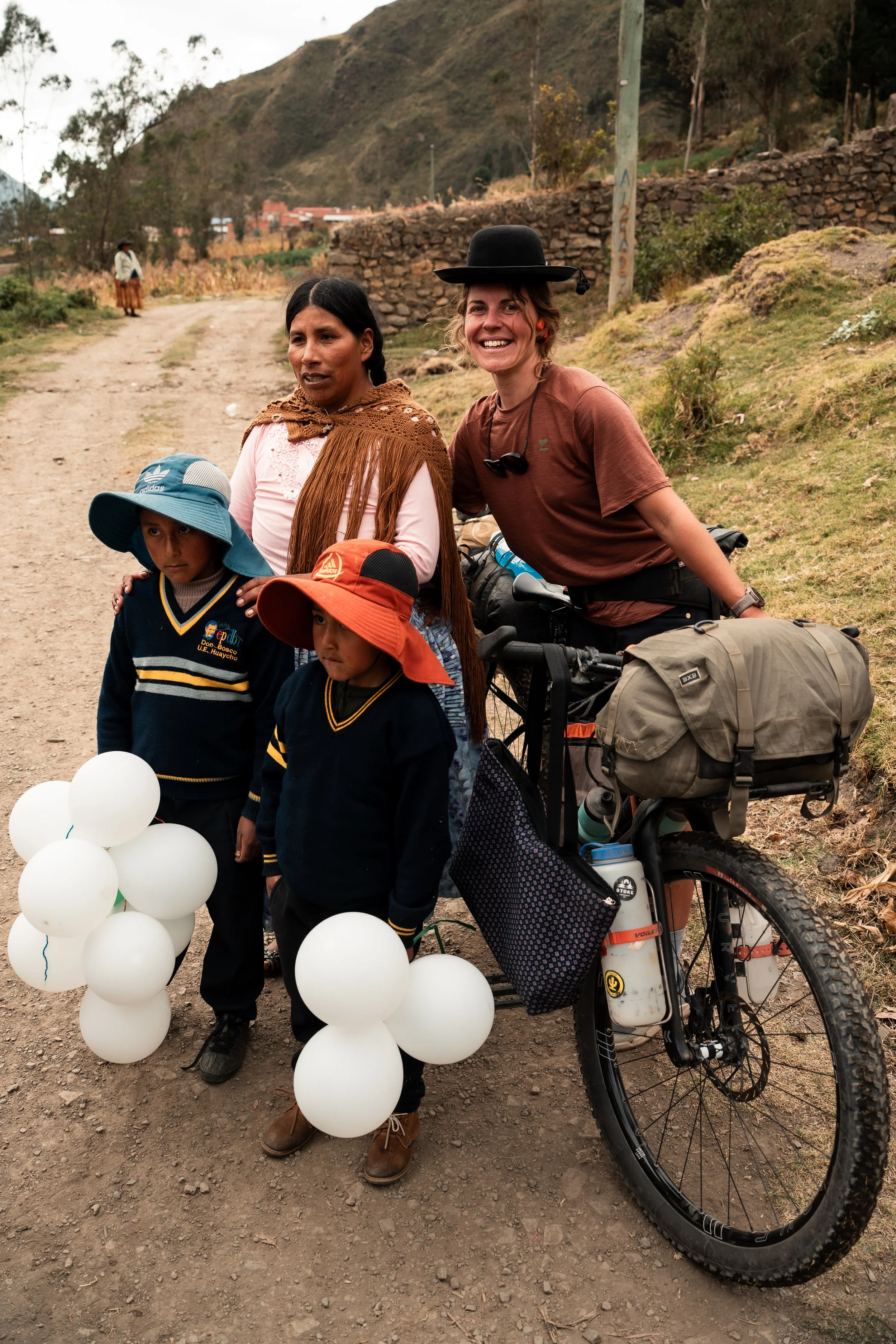
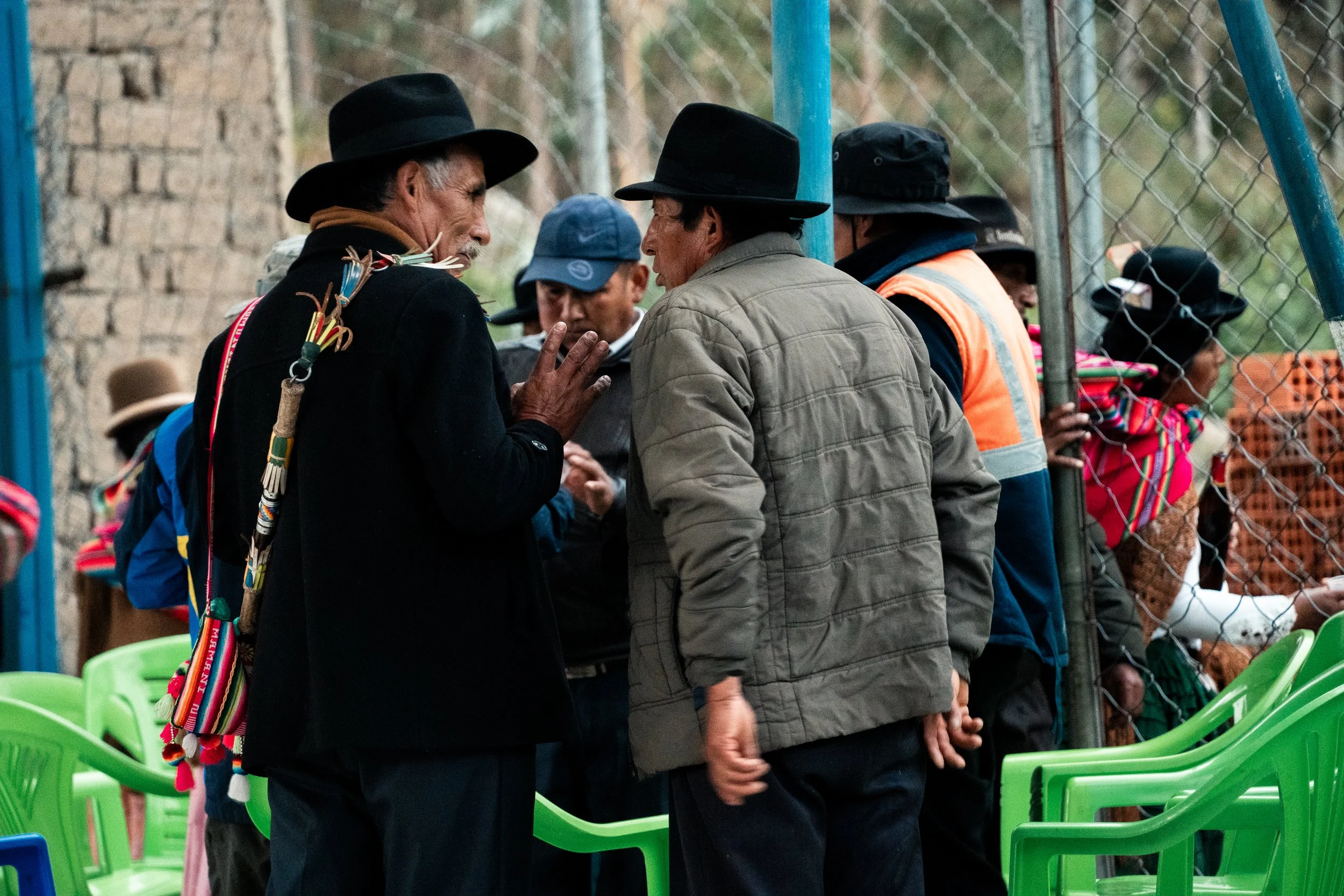
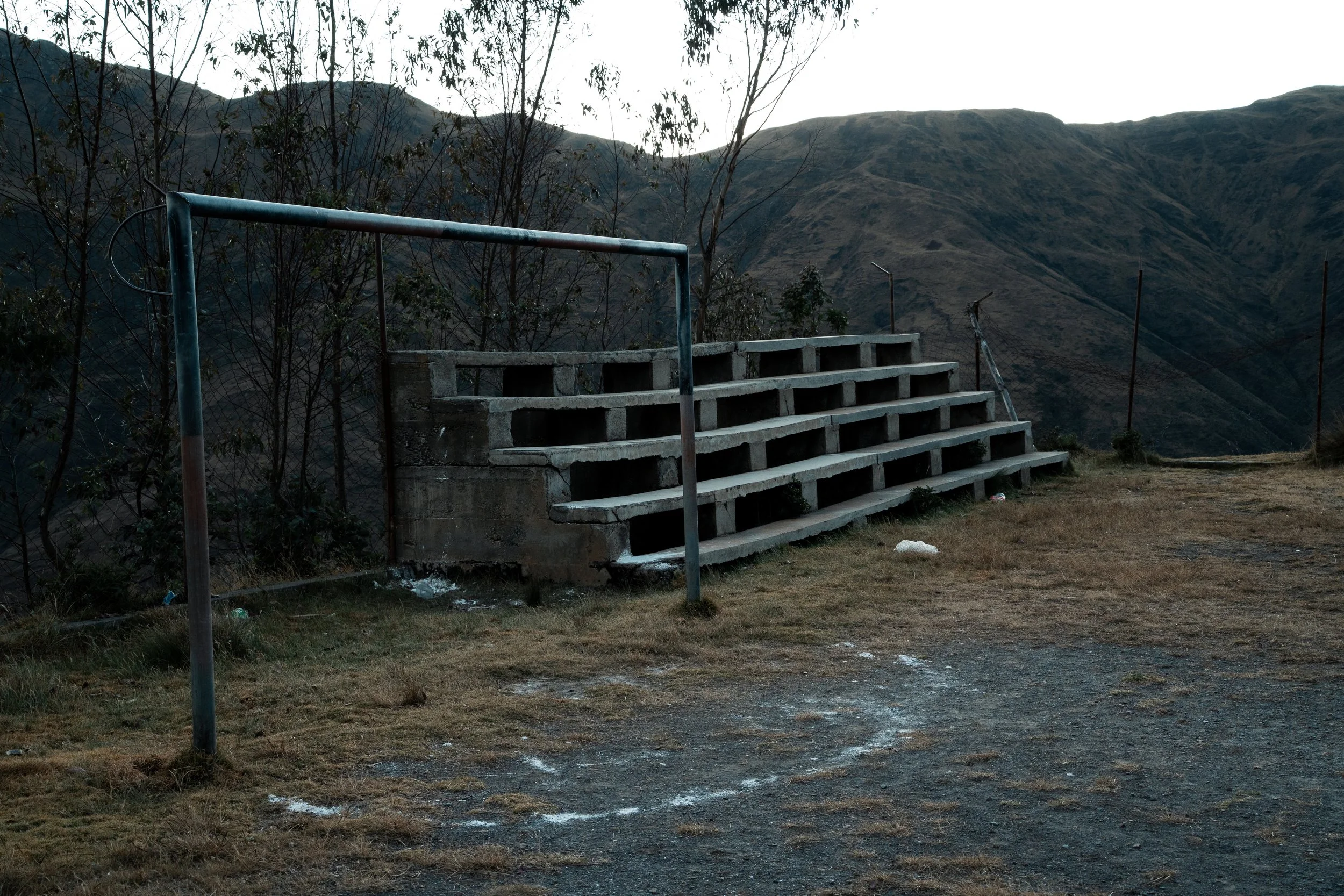
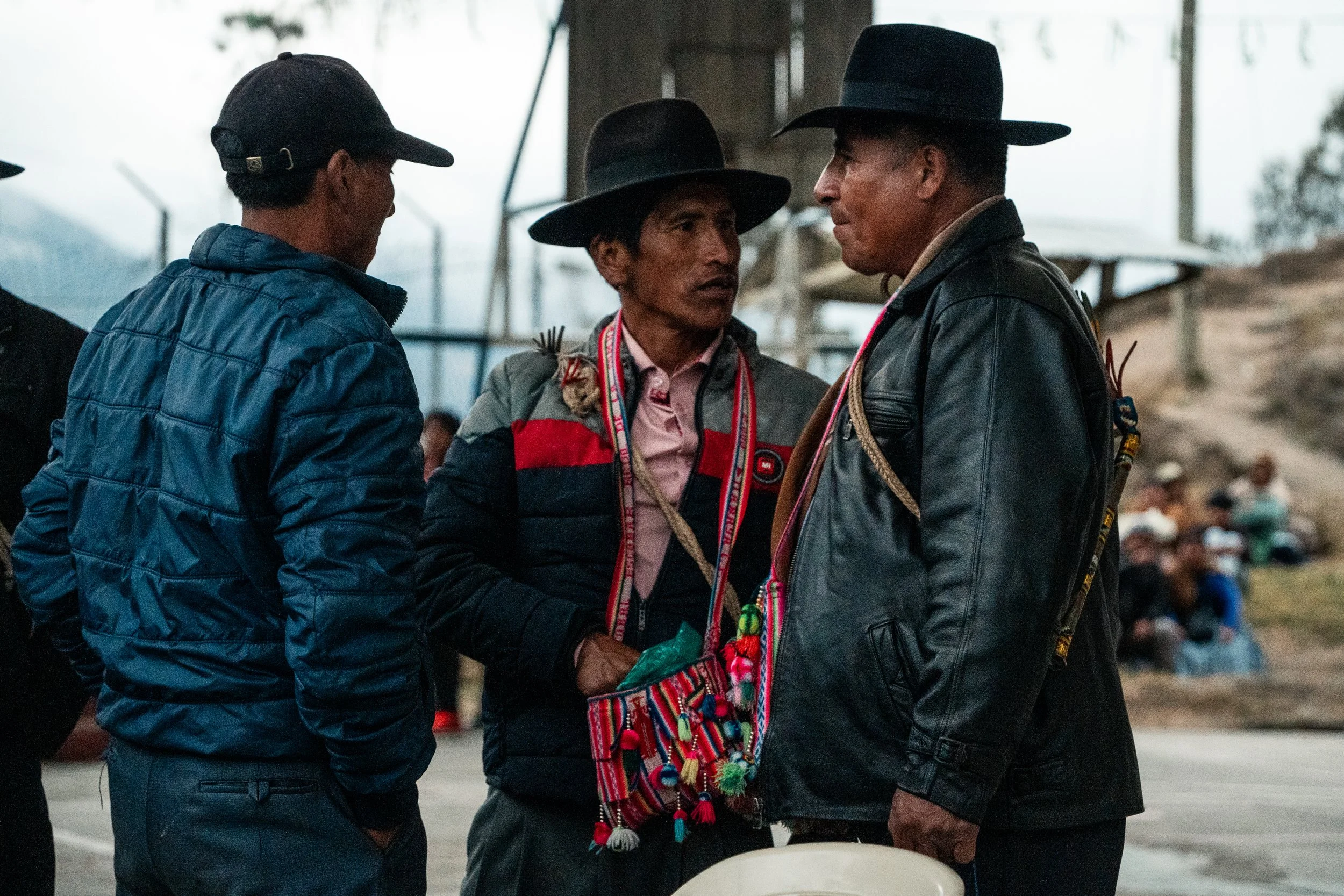
We hadn’t gone far before we came across the remnants of the days celebration - a school anniversary. We looked down from the road onto the basketball court, where people were drinking and dancing. A few elderly ladies sat on the roadside ushered for us to go down. Everyone was dressed beautifully, the women in traditional Cholita clothing with bowler hats, cardigans, and multiple layers of huge skirts (and all carrying two large bottles of beer). Most men wore a poncho over a suit. Nearly all had a brightly coloured woven pouch around their necks carrying coca leaves. Initially just the children paid attention to us, and we were swarmed as we sat down, trying our best to communicate through Google Translate as they spoke in a mixture of Aymara and Spanish. Slowly a few women started to come up, offering us a small cup of beer or a shell of home-brew, which we knocked back before they retreated. Soon enough the men began to want to chat, compete in pull-up competitions, or dance. Mostly, they just wanted to drink. After one lady force-fed us 5 cups in a row of home-brewed fruit wine from a bucket, we decided we needed to call it, so as not to vomit. We were pulled into a dance before we could. Brass band, dancing with 5-10 middle aged Bolivians dressed to the nines, with one man blowing a whistle like it was a rave. What a scene. There was a football field nearby, and on our third attempt were able to extract ourselves from the proceedings, albeit with a large retinue of children following us. Once the tent was up, they all decided to pile in for a lie down, but before too long they disappeared into the darkness. An hour later as we lay in bed, we heard a group of what sounded like teenagers slowly approaching across the field. Once they were right outside the tent, Lauren figured she may as well say hi, so turned her head torch on. At this, they all screamed and ran away, and we slept the rest of the night in peace.
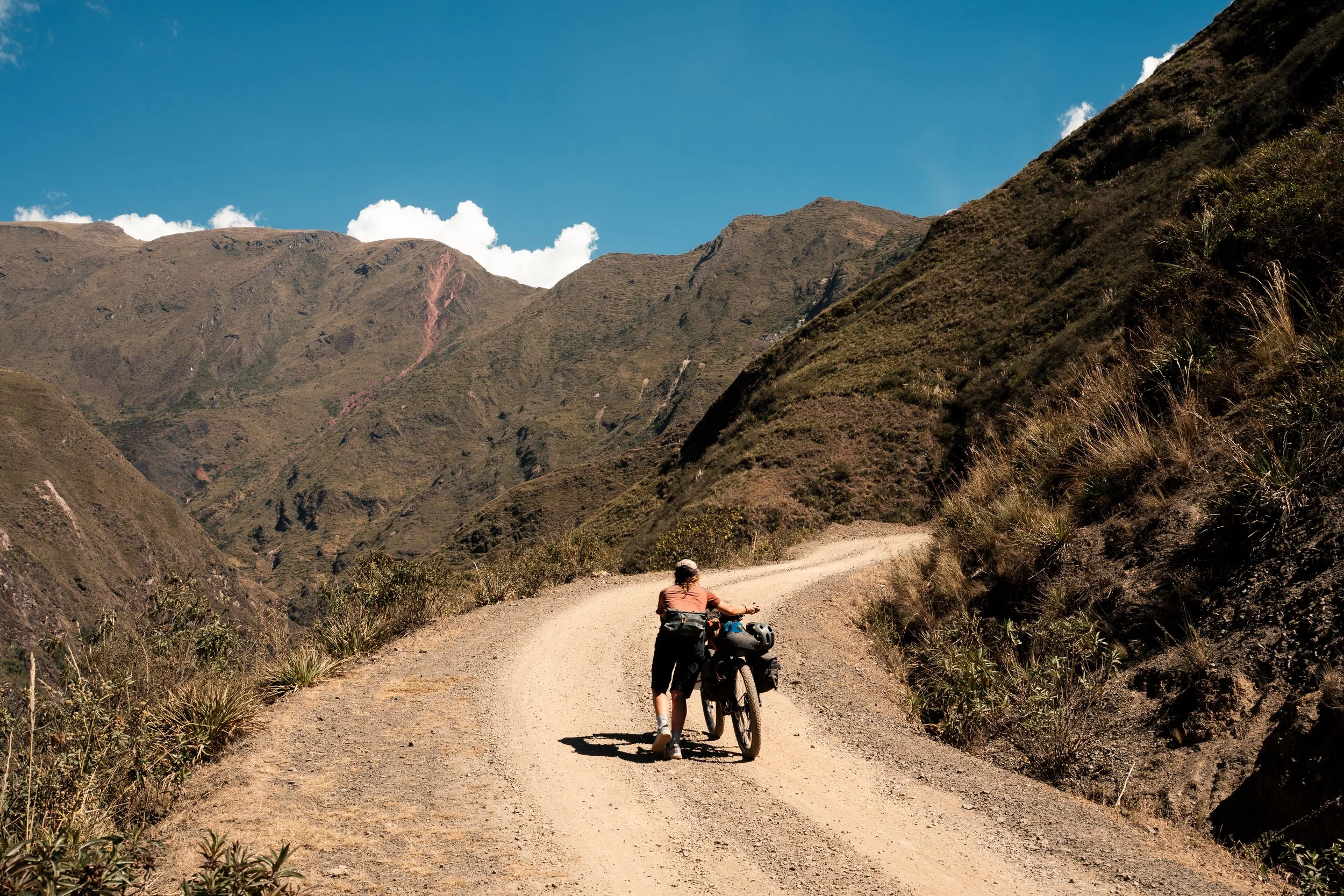
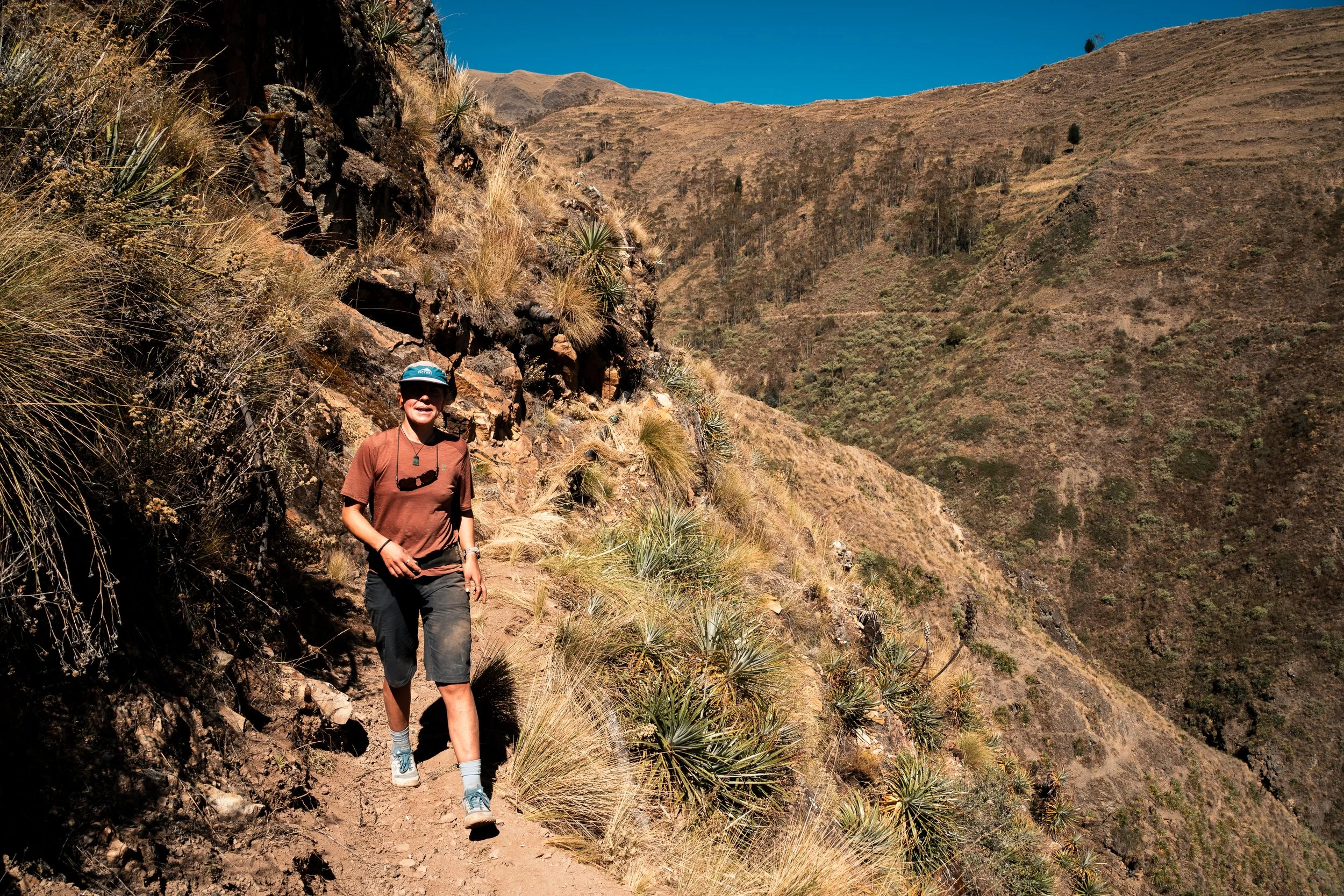
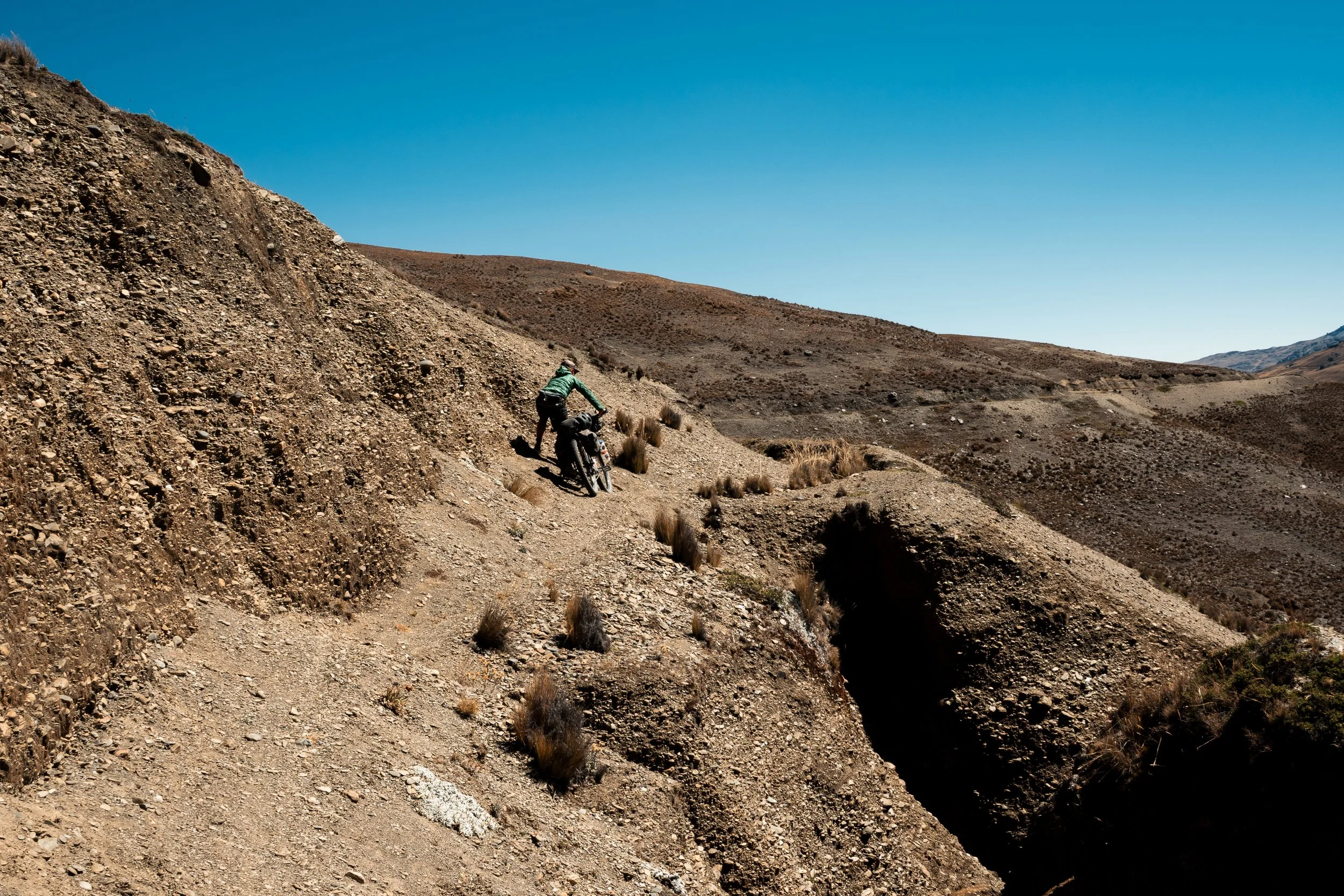
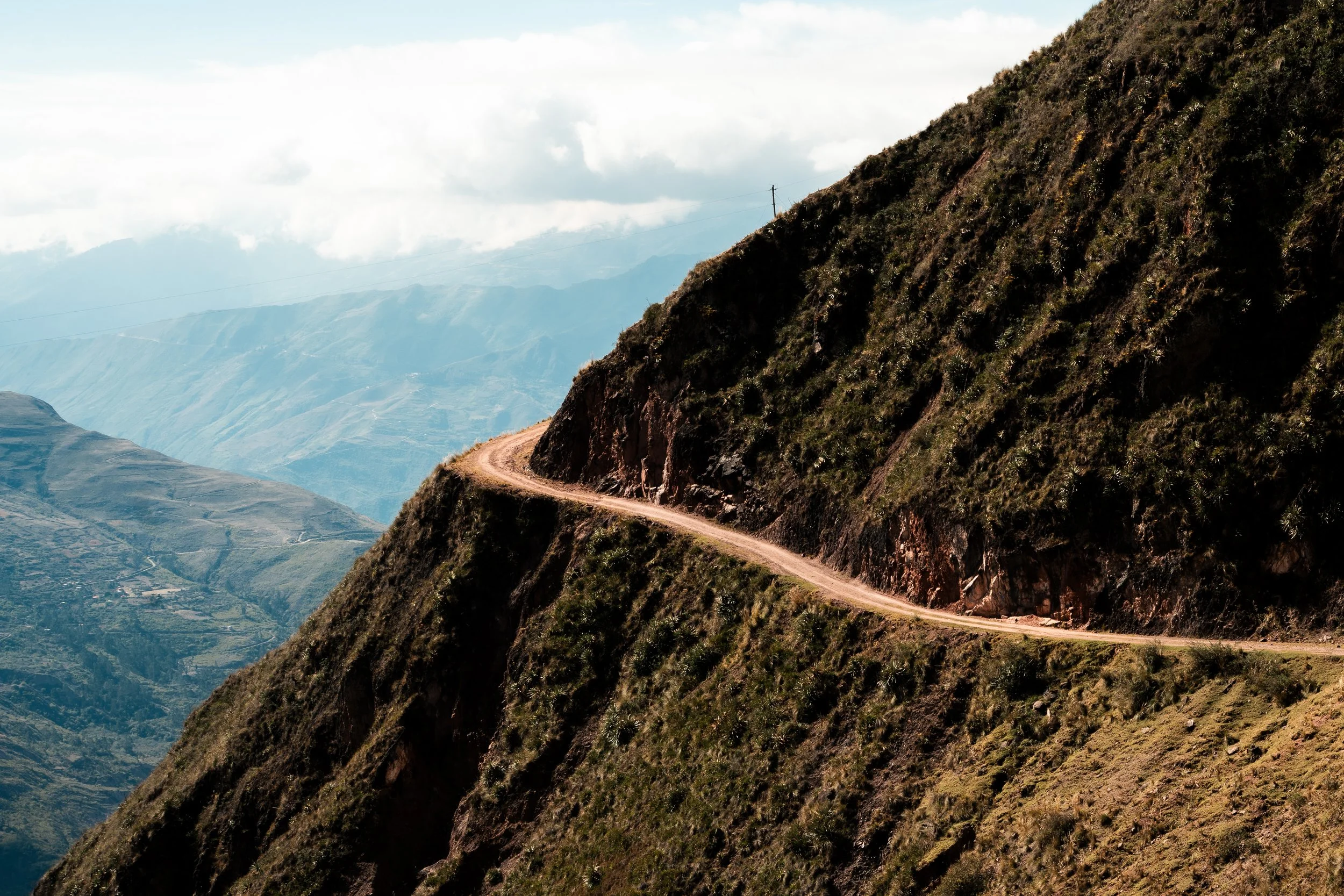
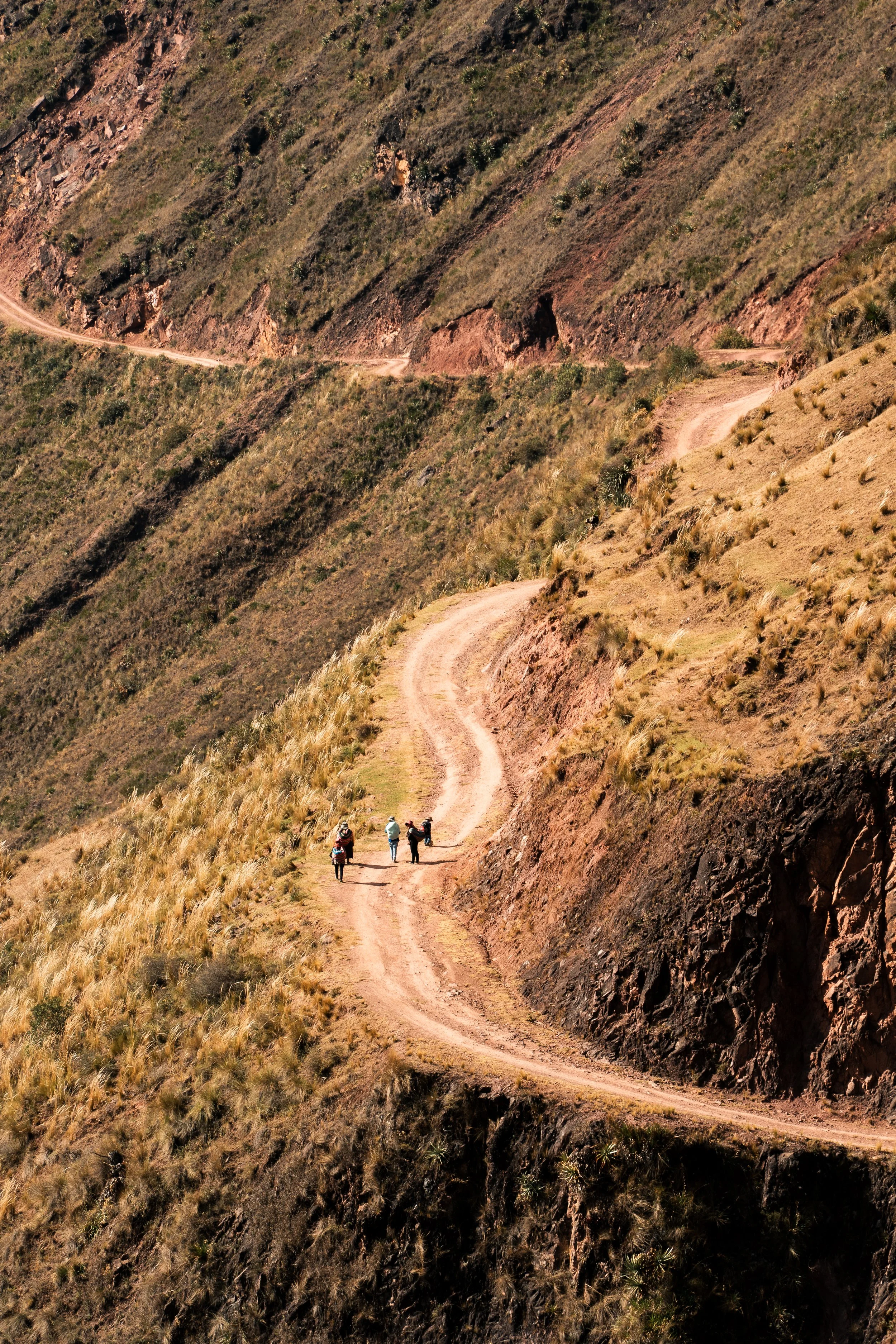
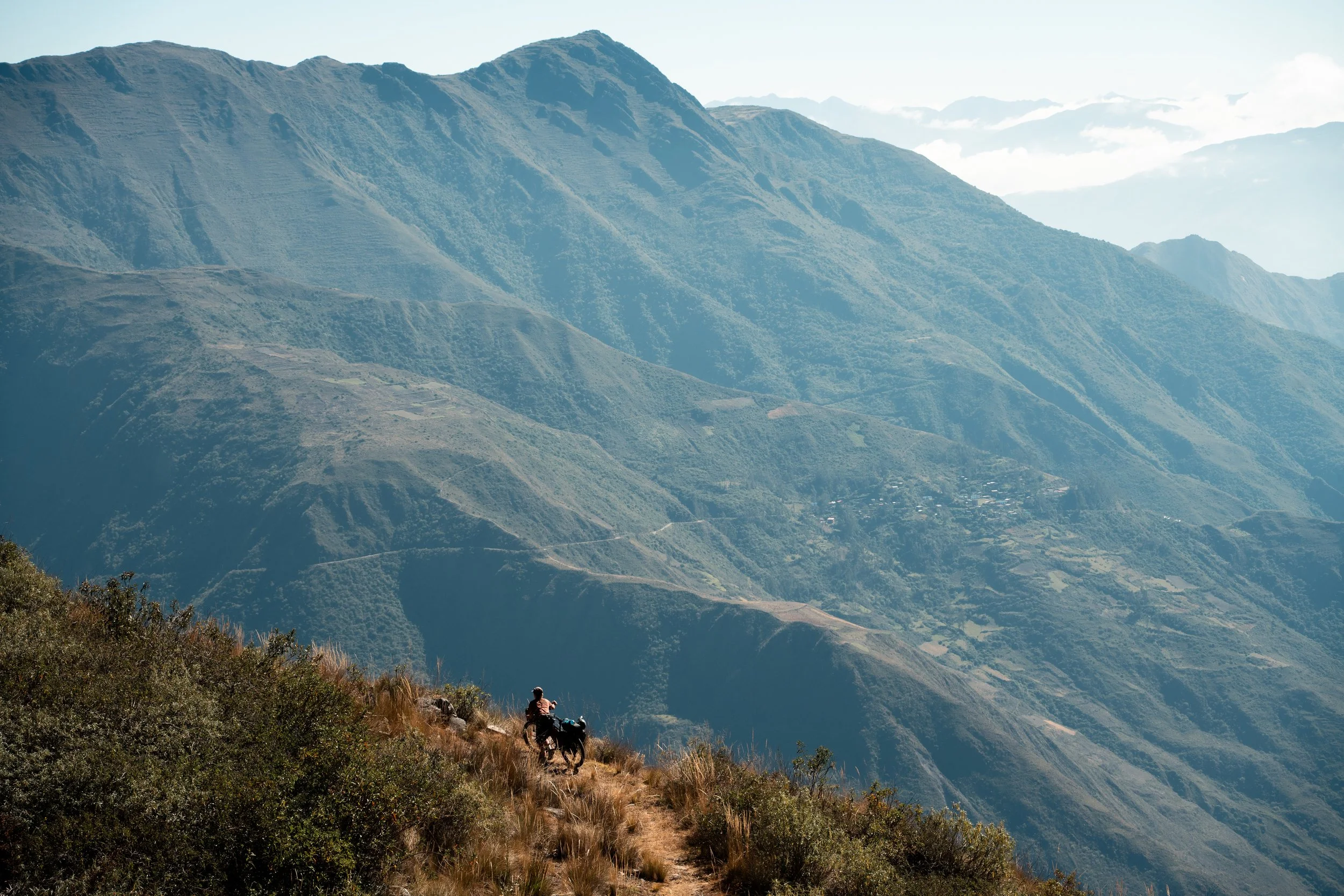
The school was remarkably clean in the morning, not a beer bottle or flower to be seen. It was only a few kilometres to the start of a hike a bike, which was uncertain if we could pass. A comment on the bikepacking.com article the year previously reported the trail ‘became non existent’ approaching from the north. We were coming from the south, and hoped it would be easier to find. The trail did indeed become non-existent…beneath multiple large landslides. We spent 4 hours scrambling along narrow paths, across landslides, and trying to avoid the long fall below us, whilst Lauren had to listen to me go on at length about the importance of accuracy and specificity of speech. Ultimately, every path had been blocked by landslides and we found no way through that didn’t risk a massive fall.
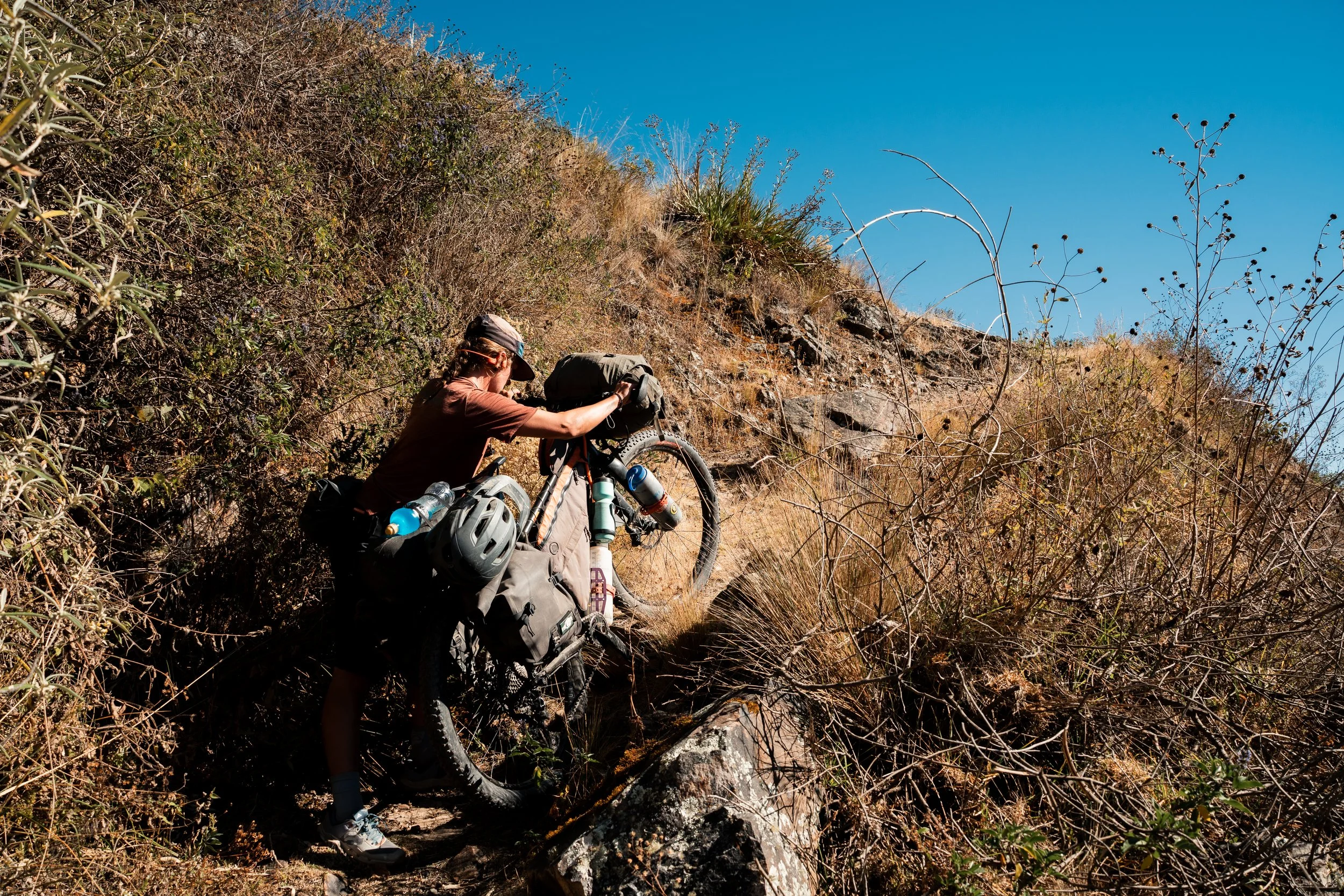
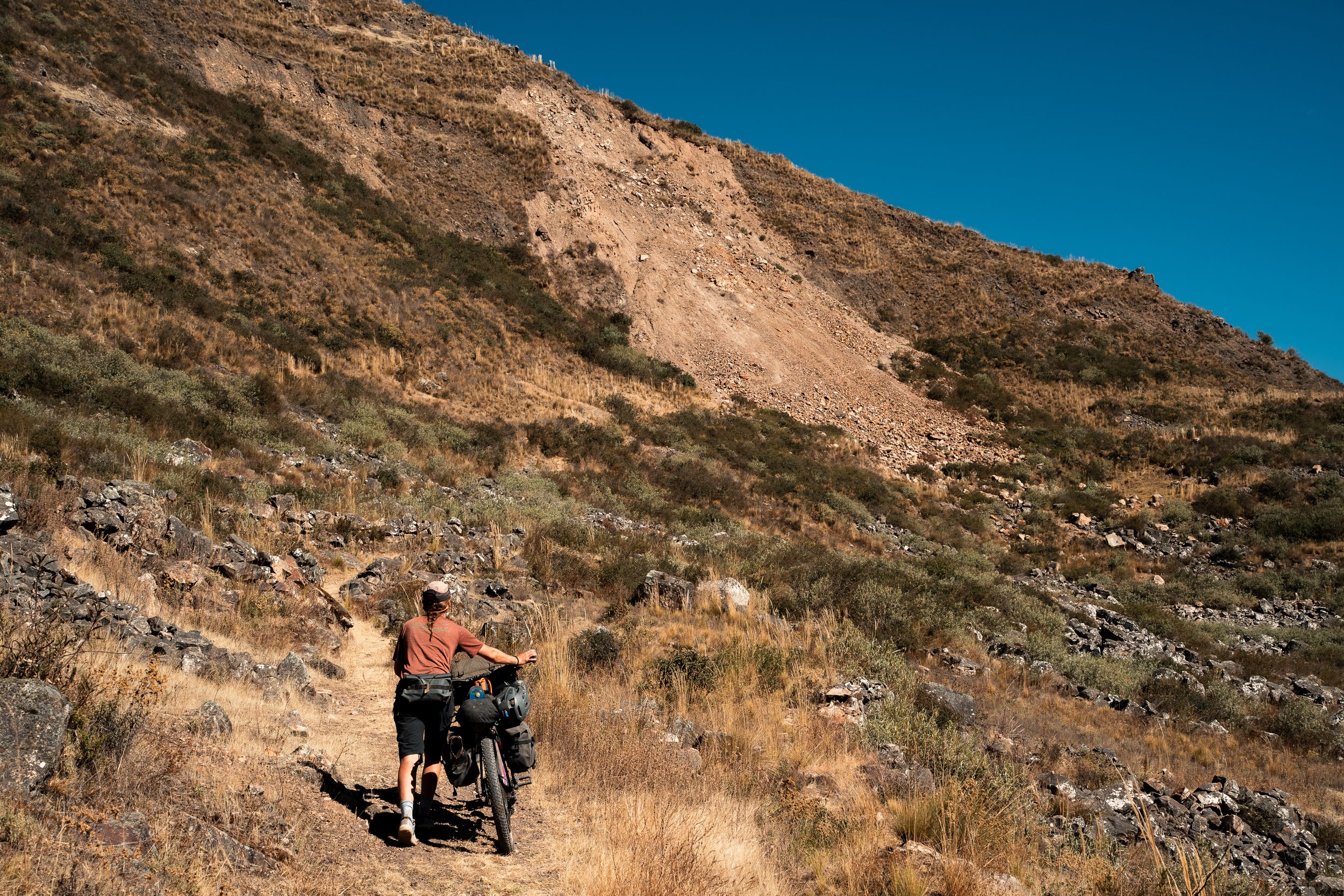
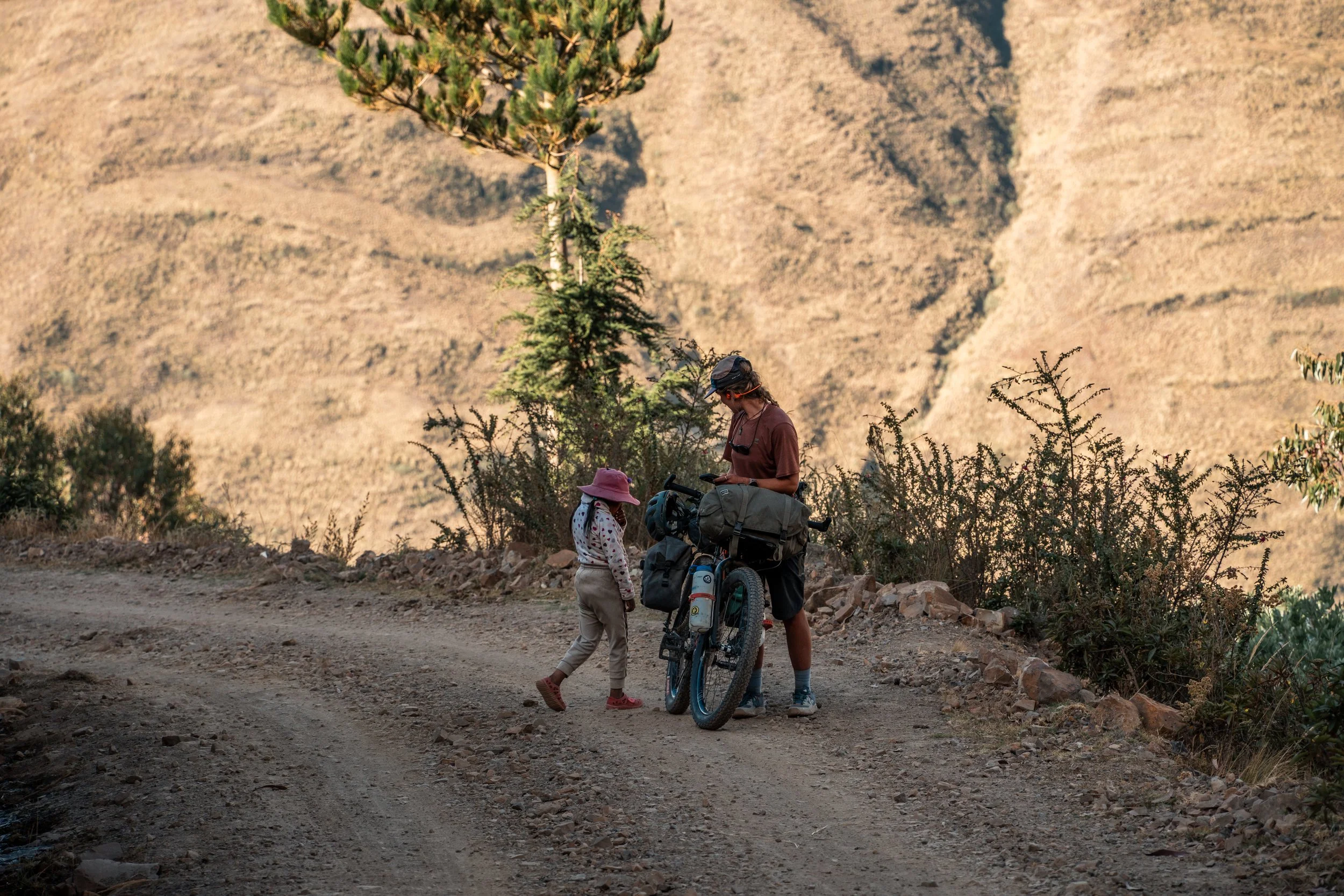
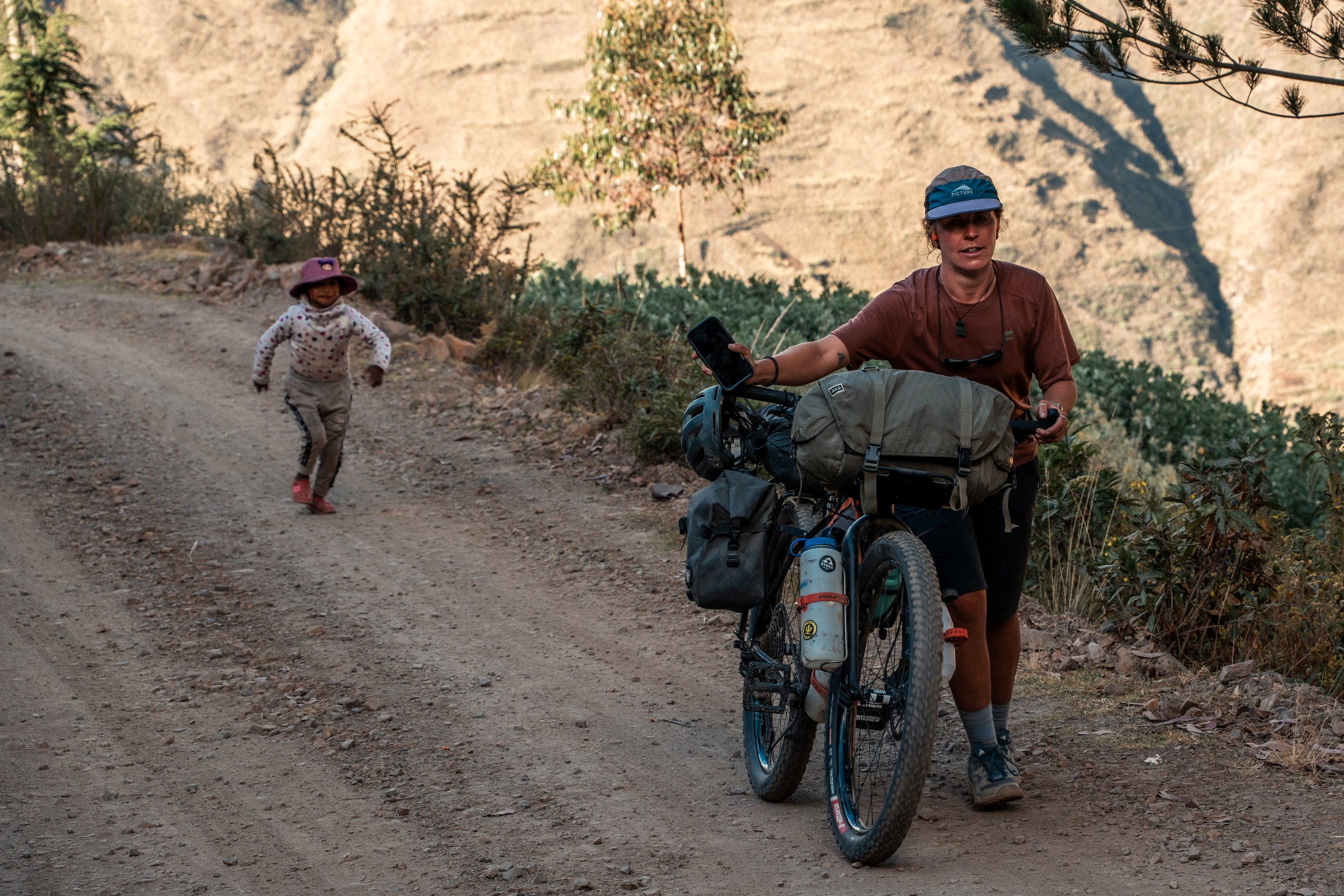
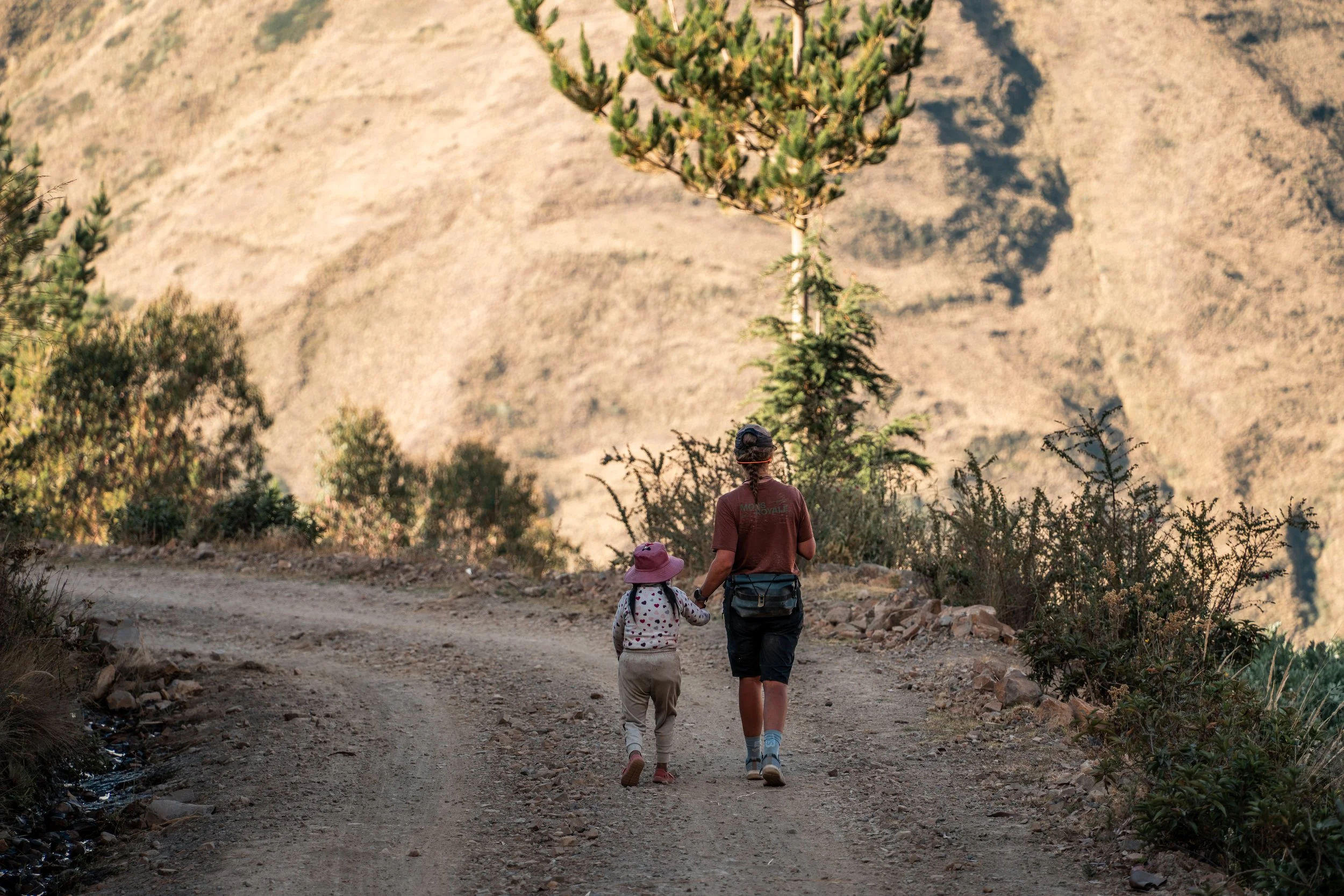
We retraced our steps back to the road. We had two options: following the road on a long detour up and over the gully, or break out of the valleys to Lake Titicaca, and rejoin the trail 30km down the road. Realising we didn’t have enough food, we opted for Lake Titicaca hoping there would be a resupply point there. We passed through a small village where we found some water, and re-met a young girl with Down syndrome, who had become attached to Lauren the night before at the party. She followed us a few hundred metres down the road, until Lauren had to walk her home.
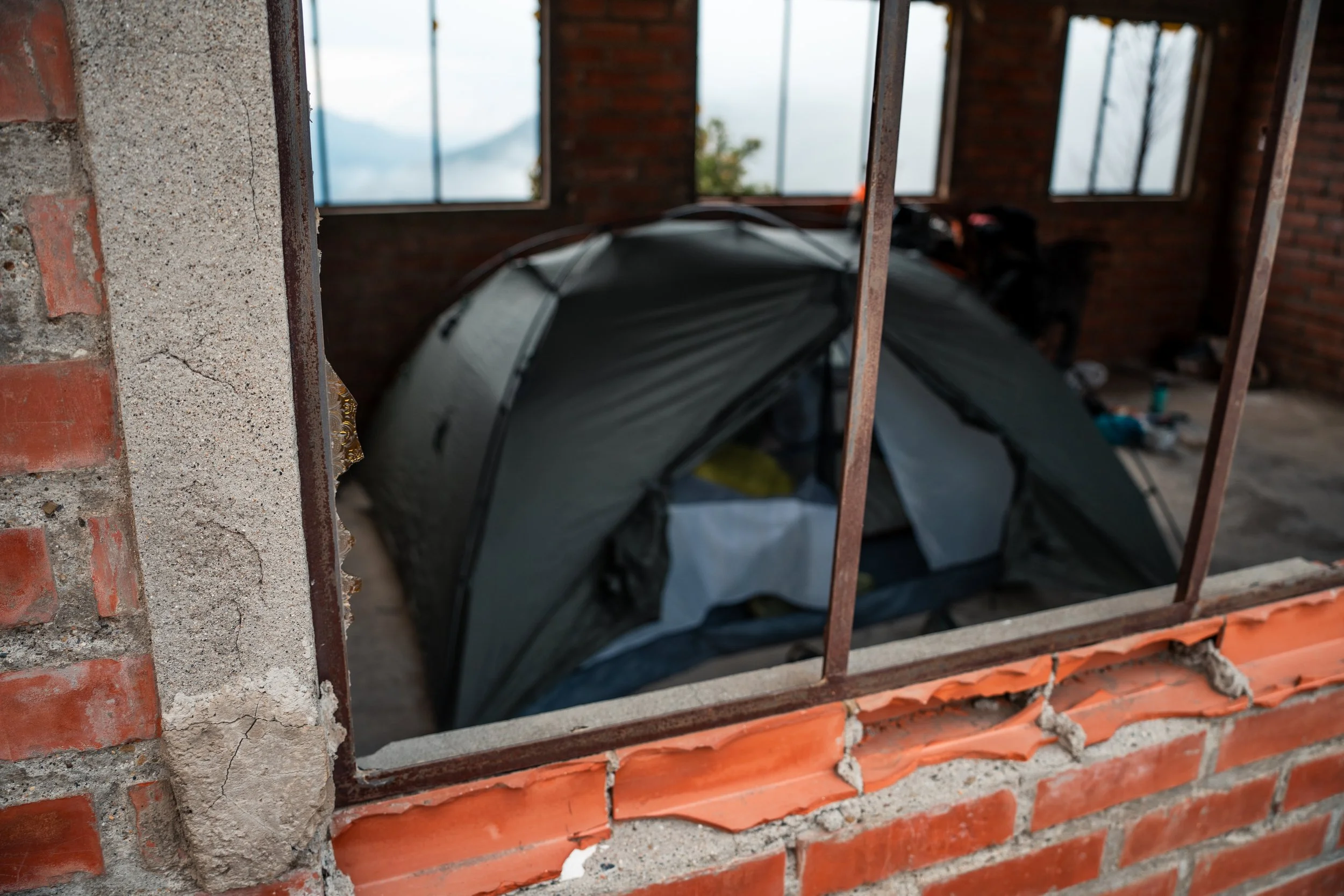
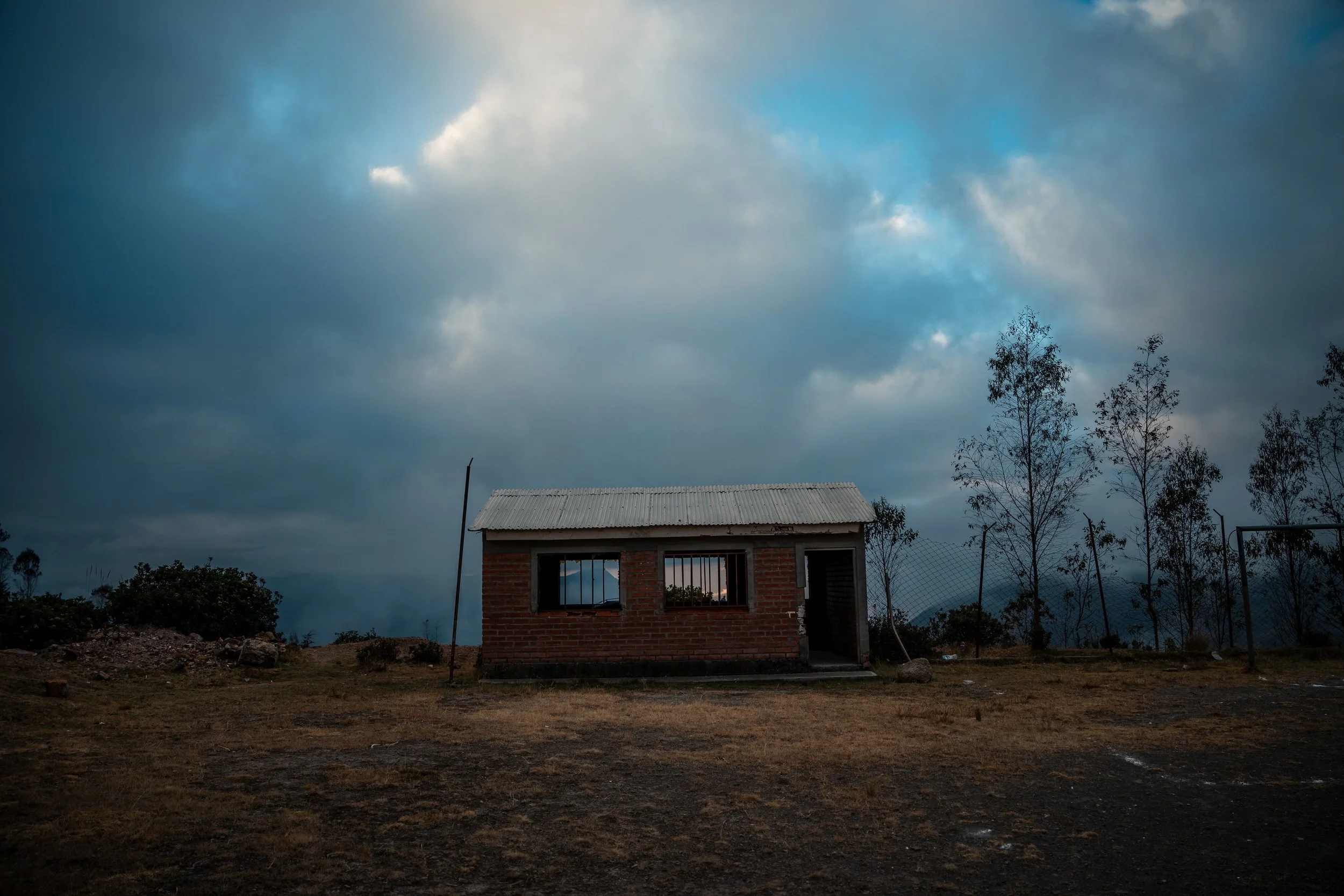
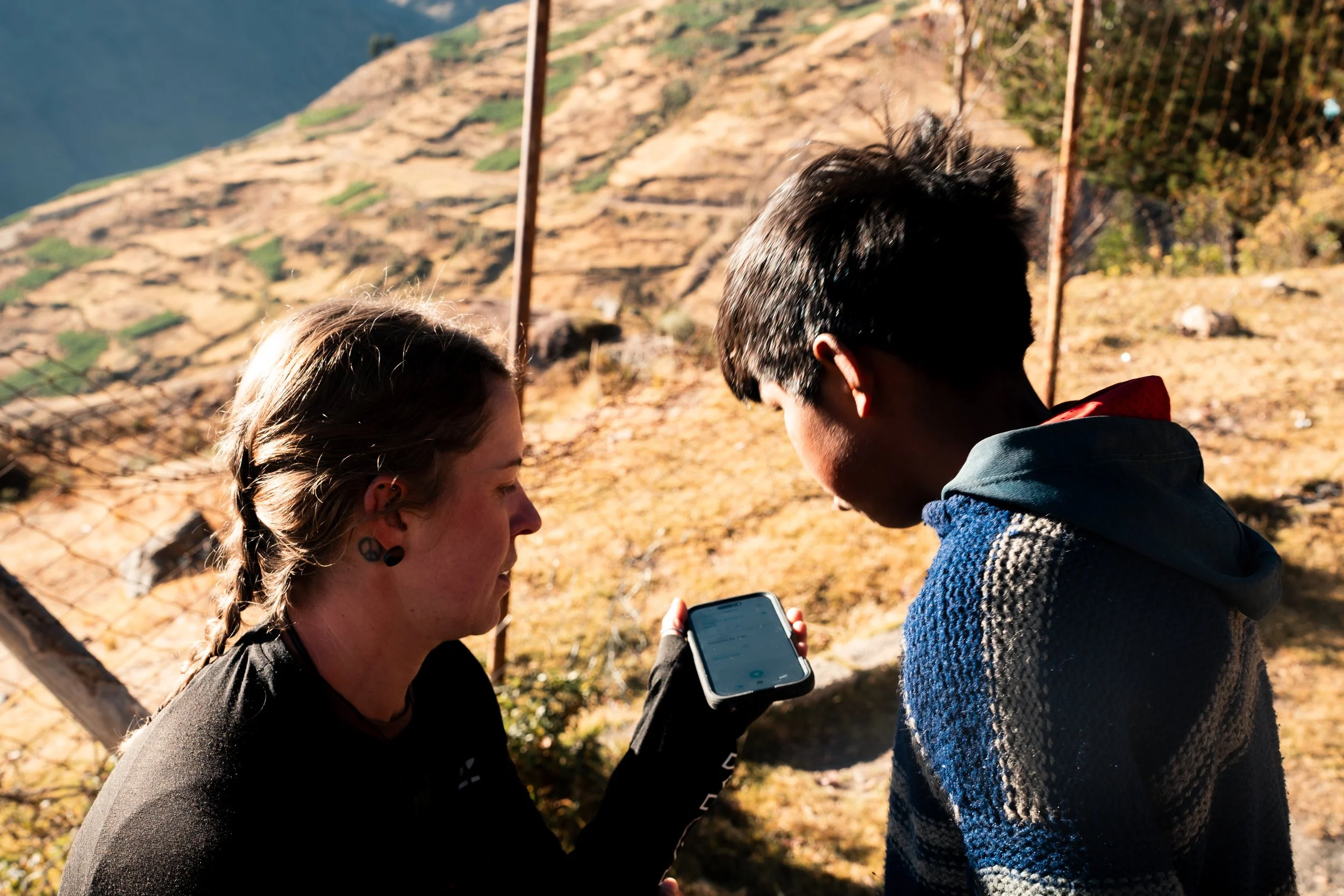
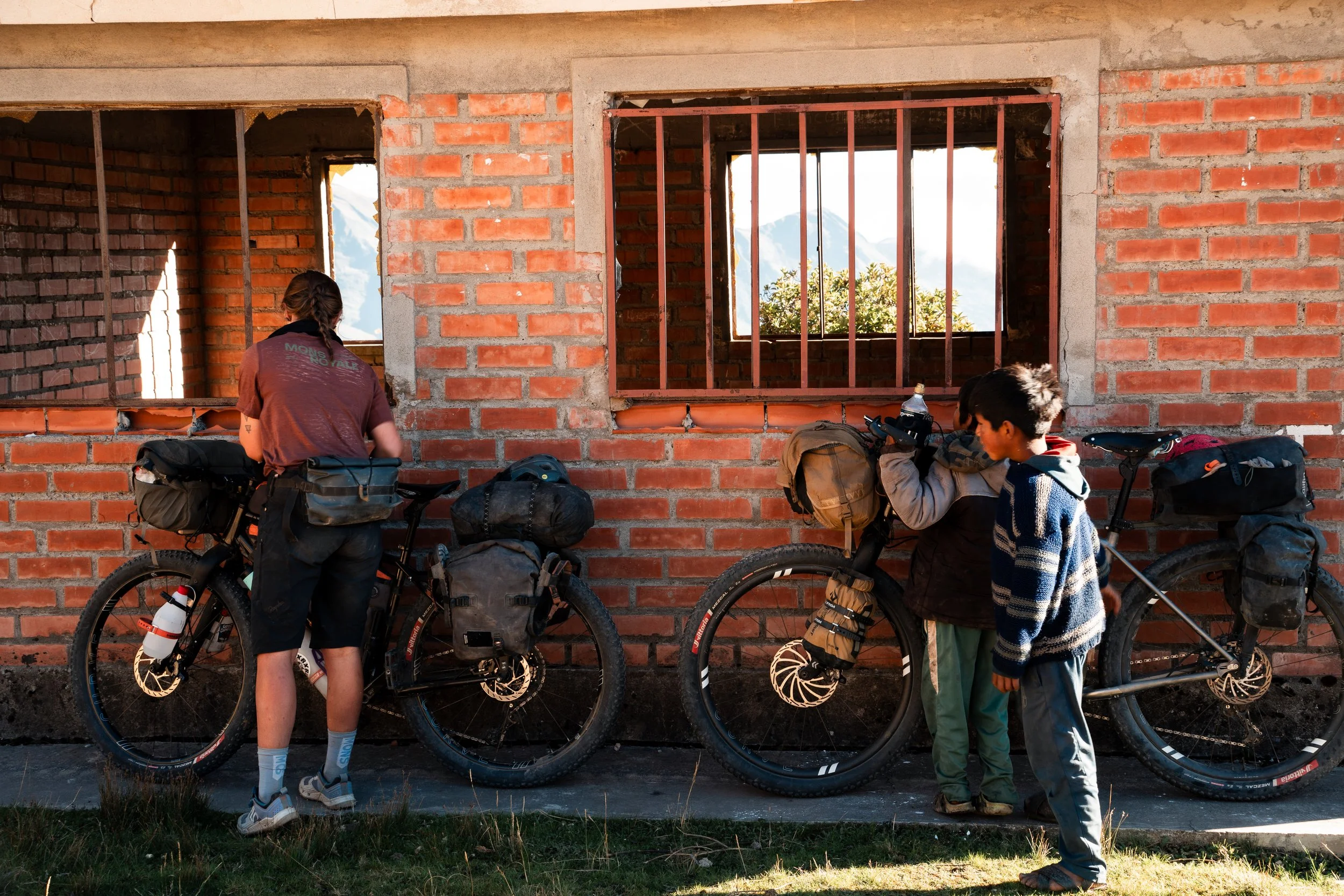
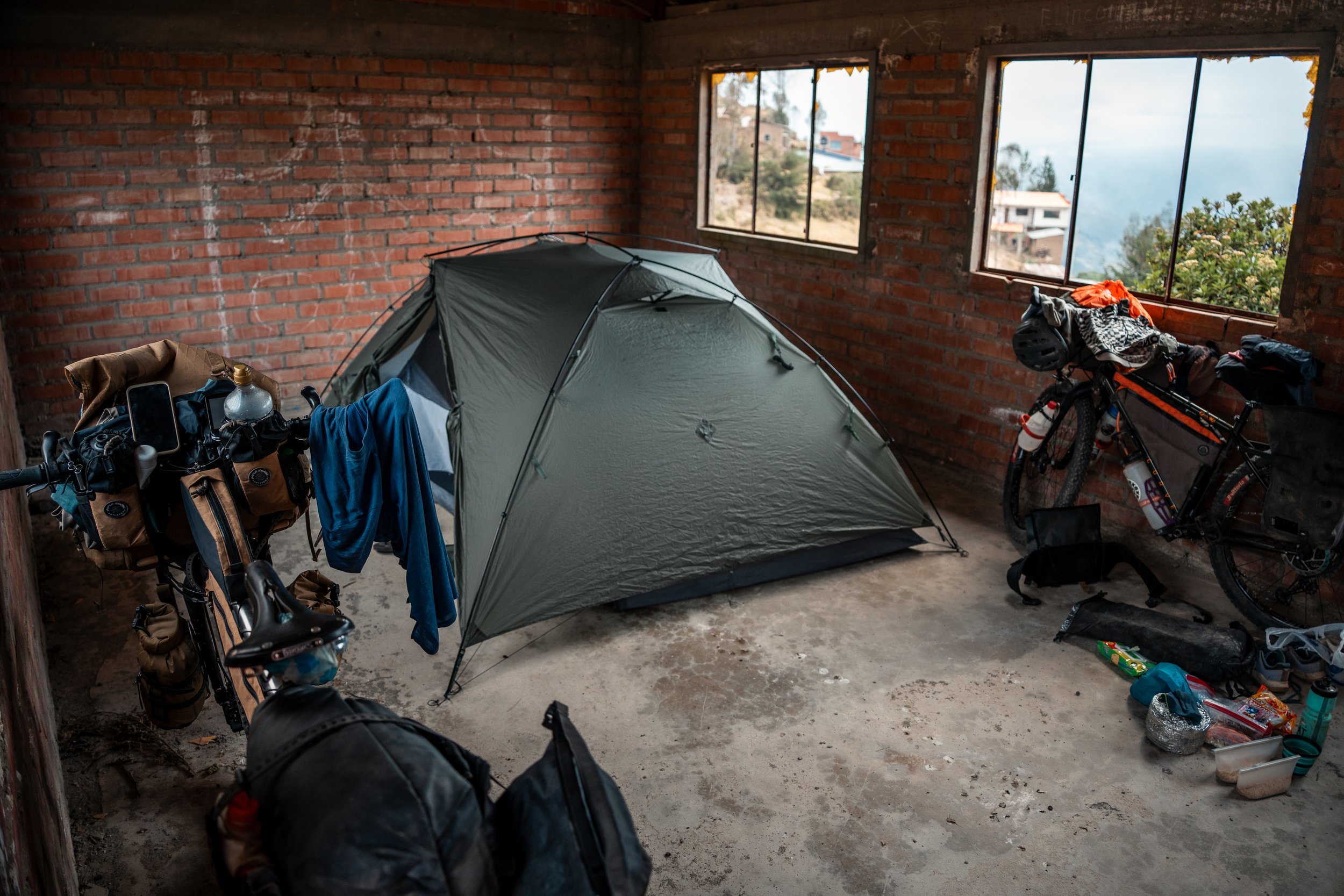
We pitched our tent in an empty football clubhouse on the outskirts of the village, where our head torches must have been noted, because a family of 8 came to us after dark for a chat. Without tents, you can’t develop tent etiquette. Without even time to get out of our sleeping bags, they were rattling the tent, then crouched in the doorway to talk to us. It was a struggle via Translate; it was a poor village, and they were reliant on good harvests for income. The father repeatedly asked us if we could help, but could not be more specific with what sort of help he had in mind other than rubbing his fingers together in the international sign for money. The daughter was more au fait with Translate, and we planned to meet again in the morning before we left, hoping it wouldn’t just be another opportunity to ask us for money (of which we had very little cash on us).
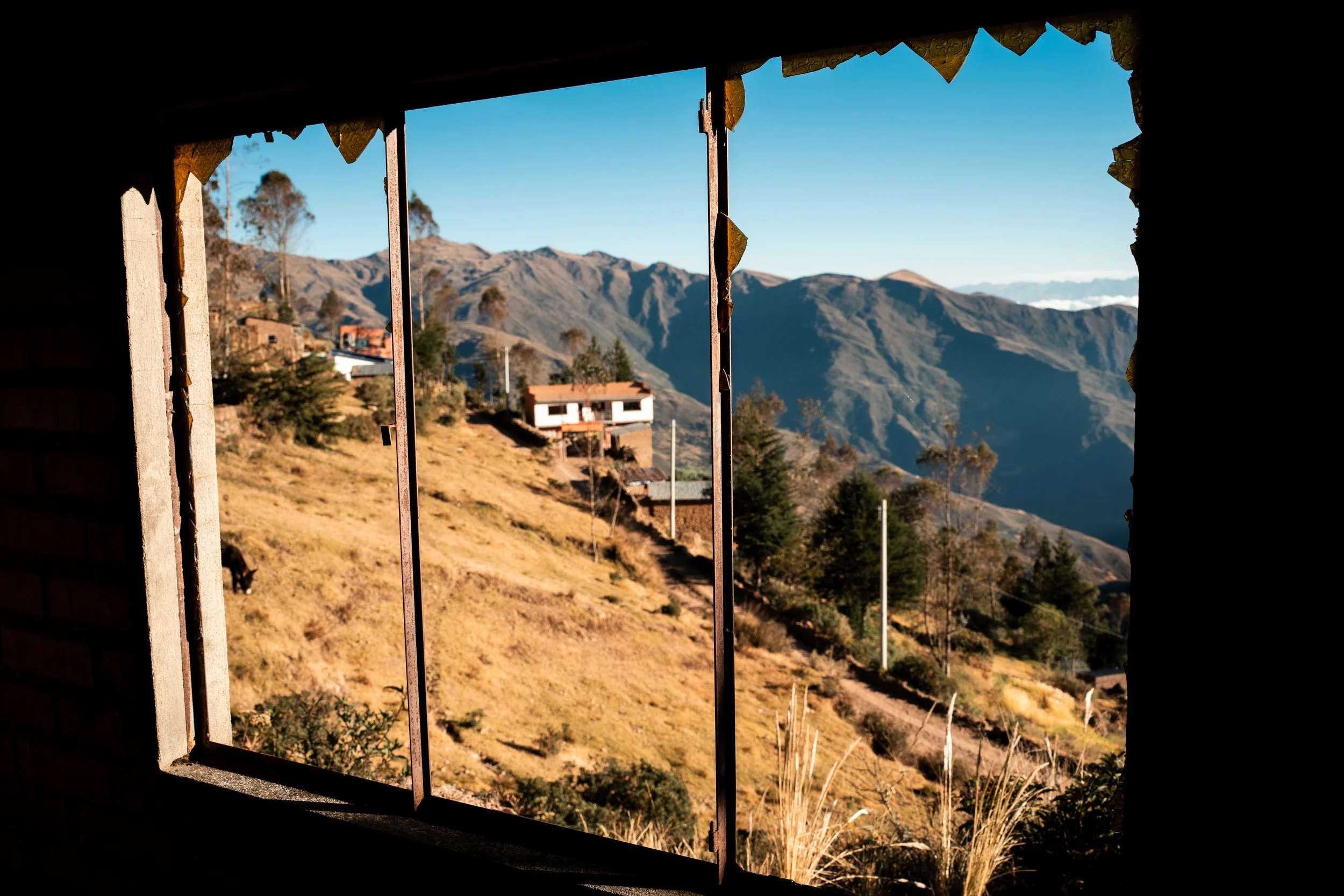
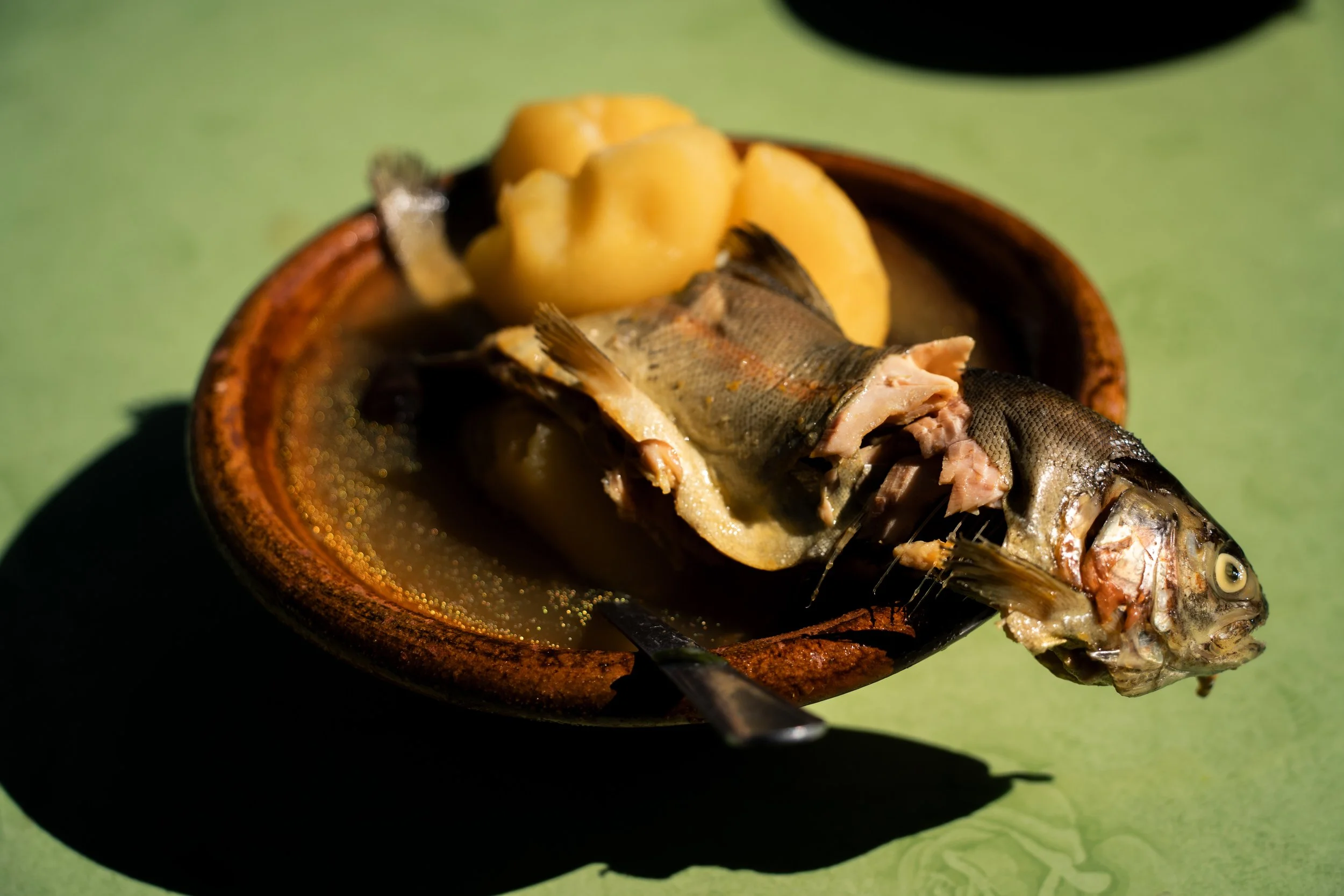
We woke to the calls of donkeys, and a man impersonating a donkey. We waited 45min past the time we said we would leave without any sign of the family, so we left and climbed over the pass leading to Lake Titicaca. A short descent led us to some roadside stalls selling trout soup (delicious), but no stores. Rather than a 40km round trip to the large nearby town (and then another 20km to rejoin the route), we decided to just ride around Lake Titicaca into Peru and rejoin the route there. We had initially planned for 2 months in Bolivia, but already spent over 3 months.
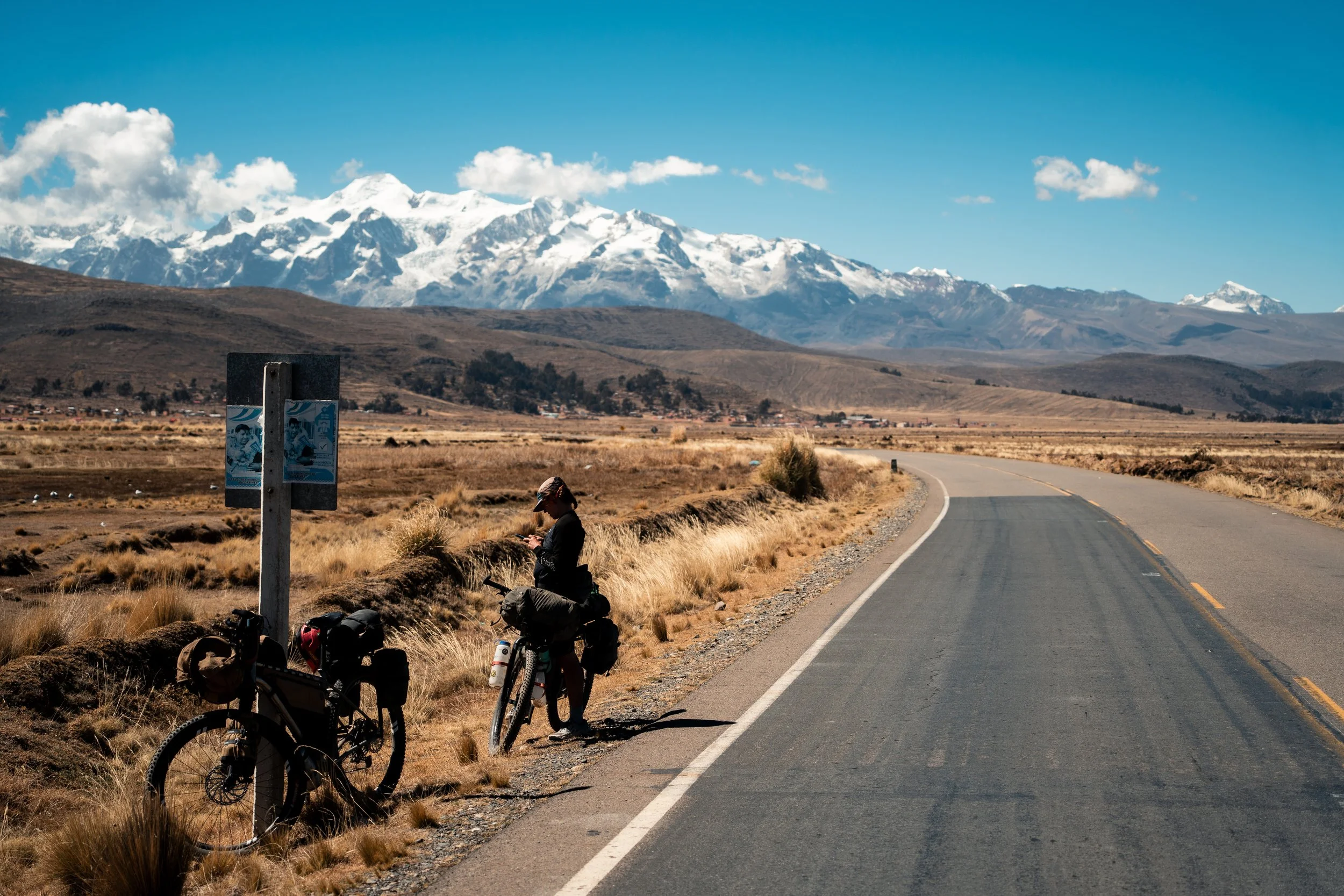
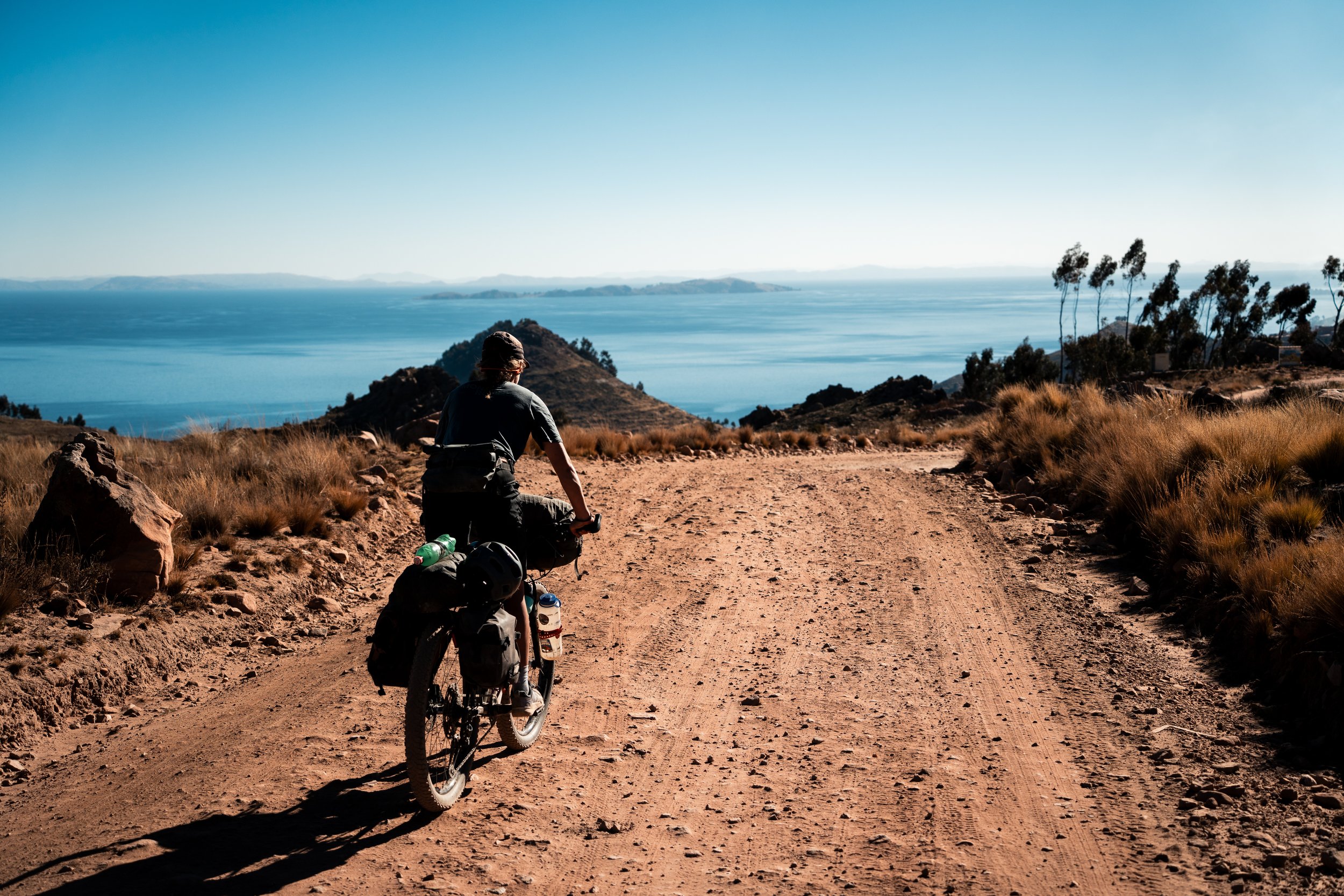
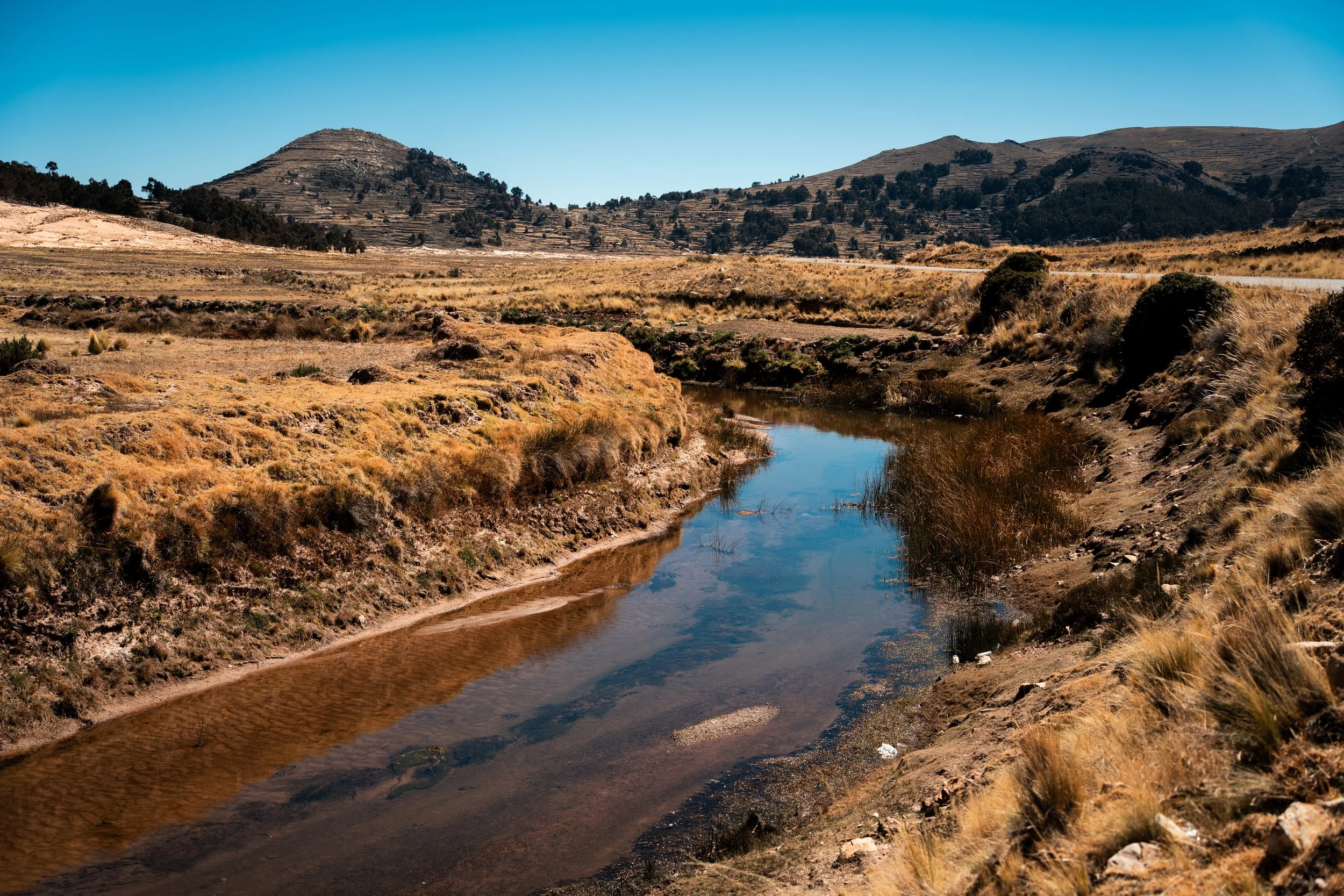
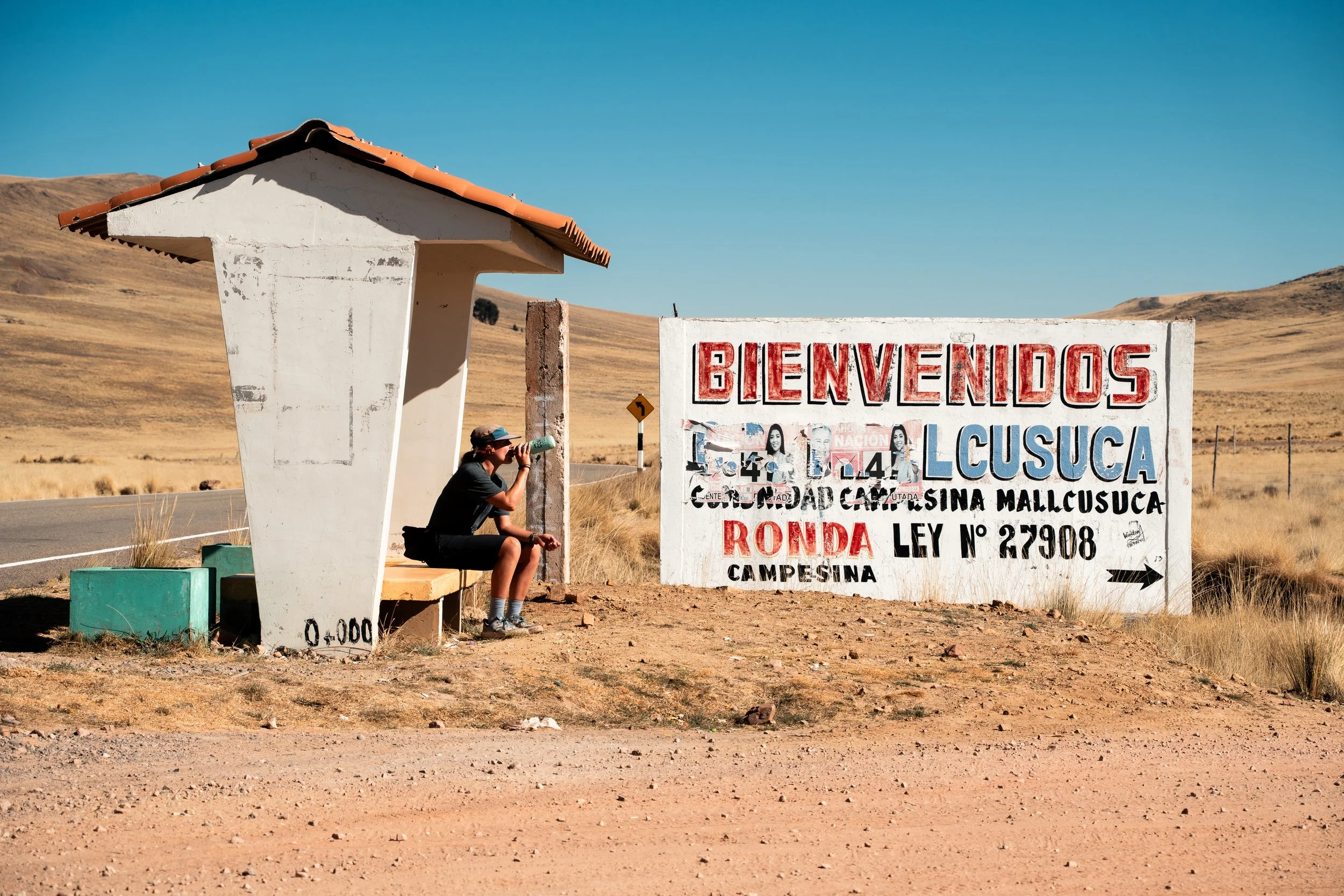
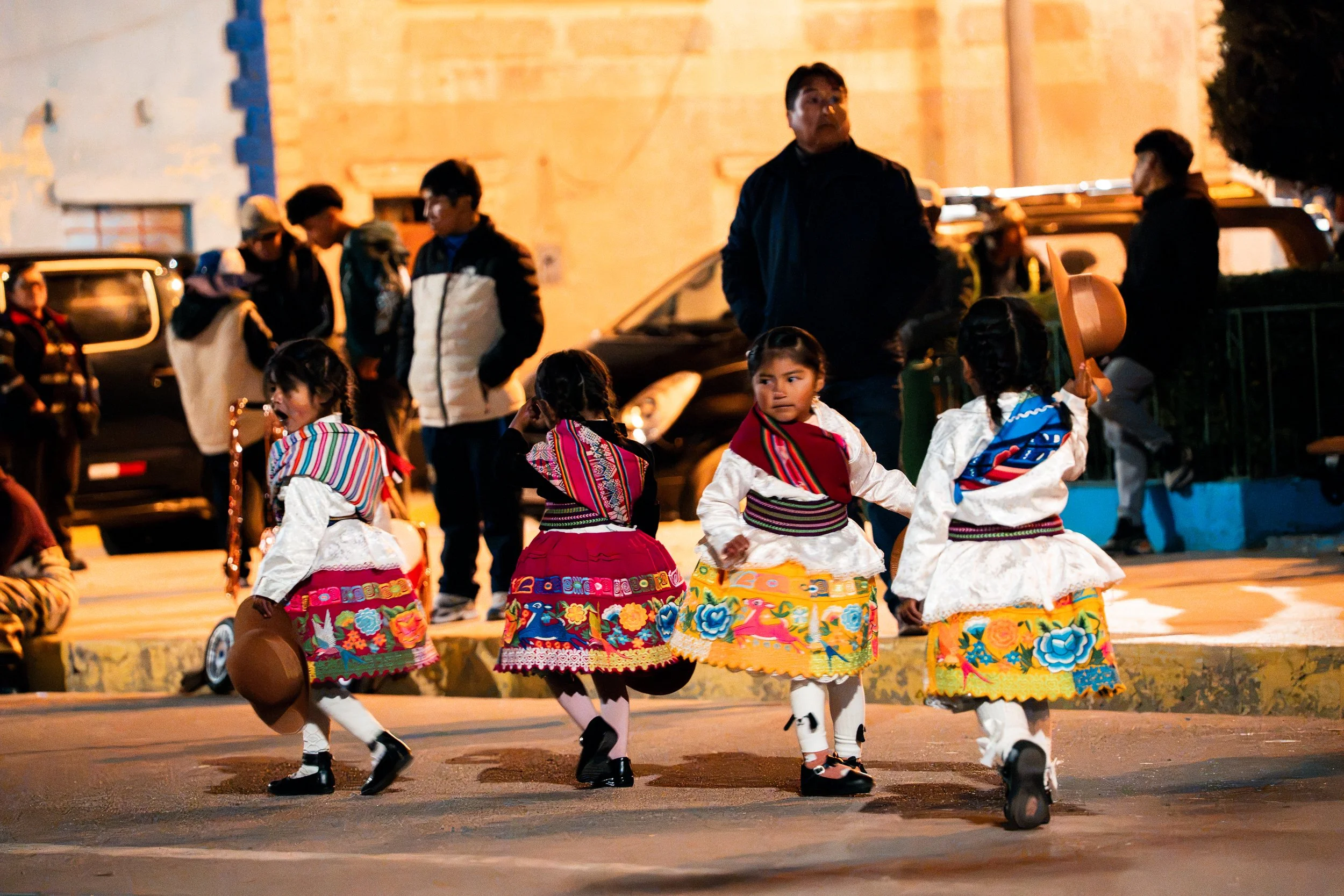
The ride around Lake Titicaca reminded us of Lyttleton Harbour in NZ, and it was all easy going tarmac for the next few days. The border crossing at Tilali was the easiest of my life, less than 5min and a stamp at either side, with no luggage checks or customs to speak of. We were unable to get a SIM card at the border, and told we had to go to Juliaca, a couple hundred kilometres away to get this. On the pristine flat tarmac, I had another spoke break (third of the trip). We left our bikes at a hostel in Moho and bussed to Juliaca. Here we found nice coffee and good food, but no one would sell us a sim card (Peru requires all sim cards to be registered to a phone and you need ID - a foreign passport is legally fine, but many shops can’t be bothered). We resorted to expensive travel eSIMs, but got the cash we desperately needed, before bussing back to Moho after 2 nights. There was a celebration in the plaza when we got back, with groups of children and adults performing dances in the street, dressed up from Matadors to Cholitas.
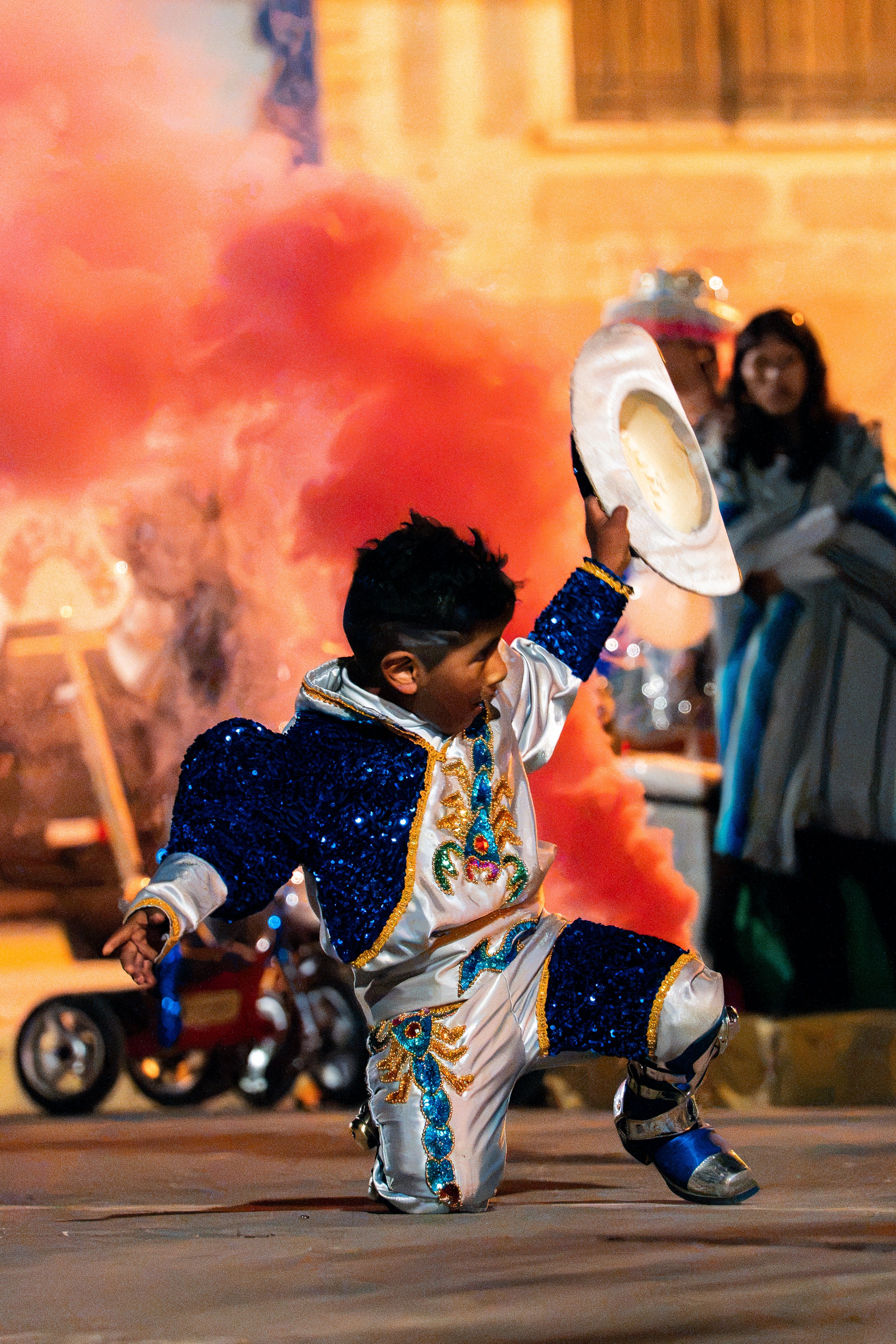
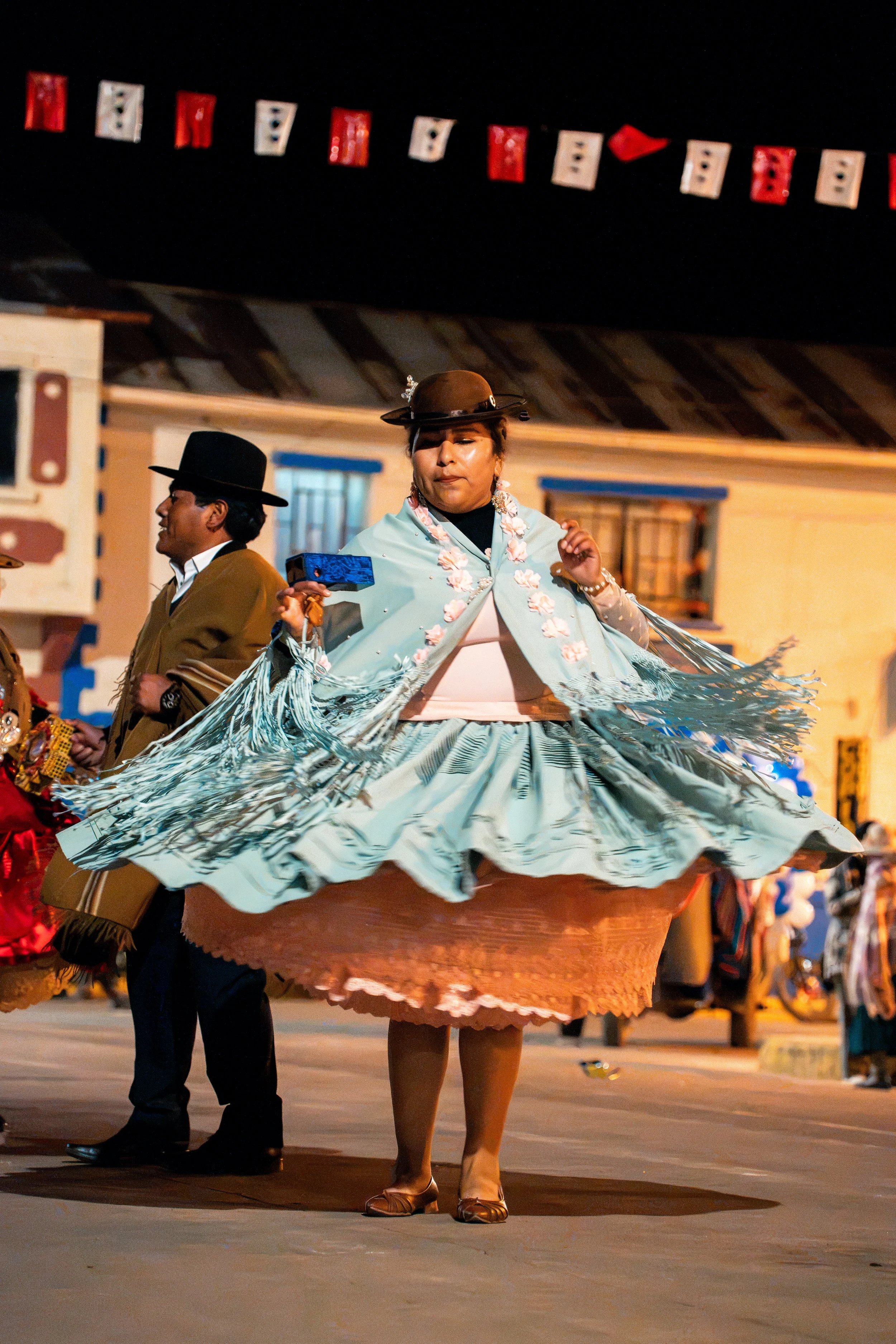
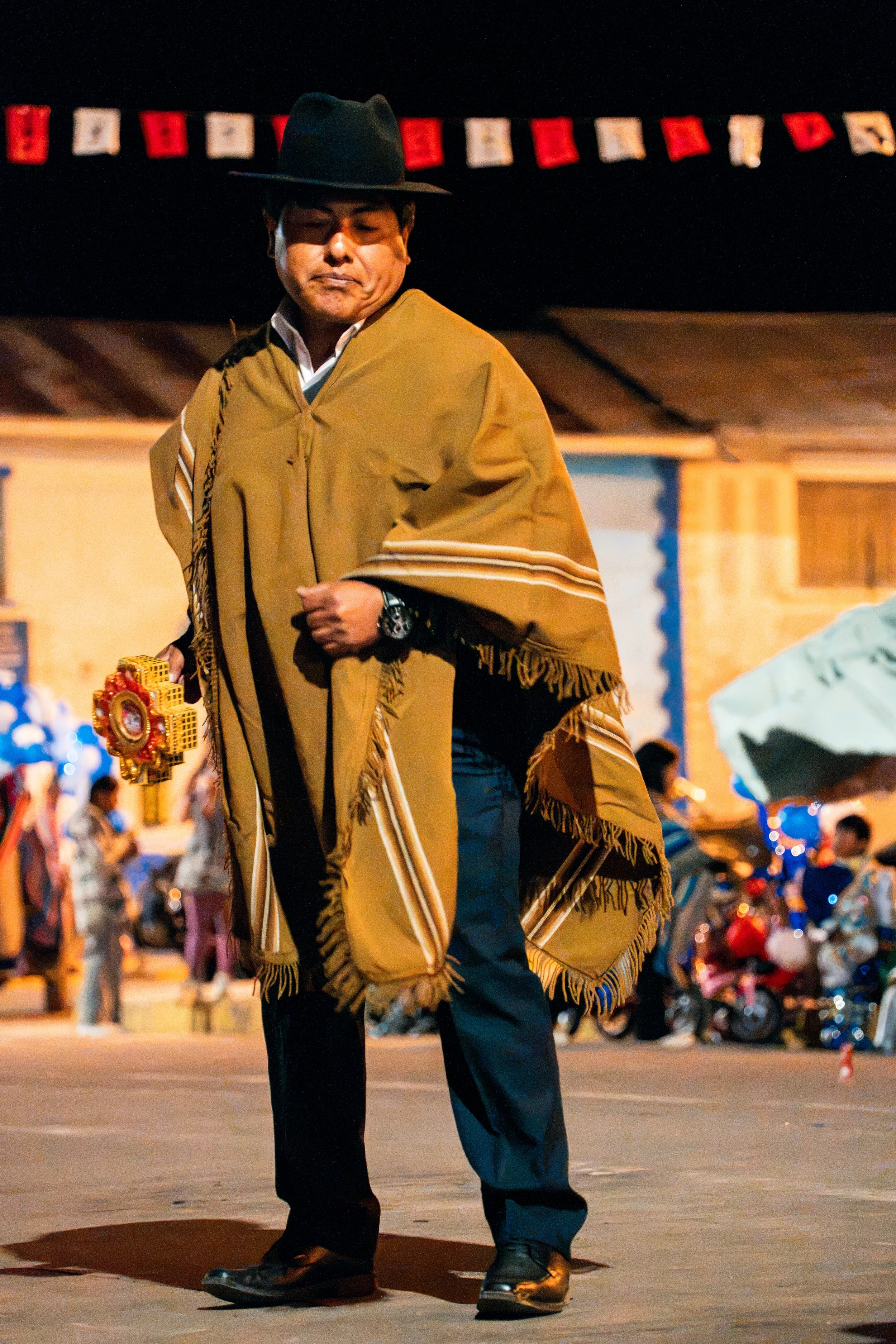
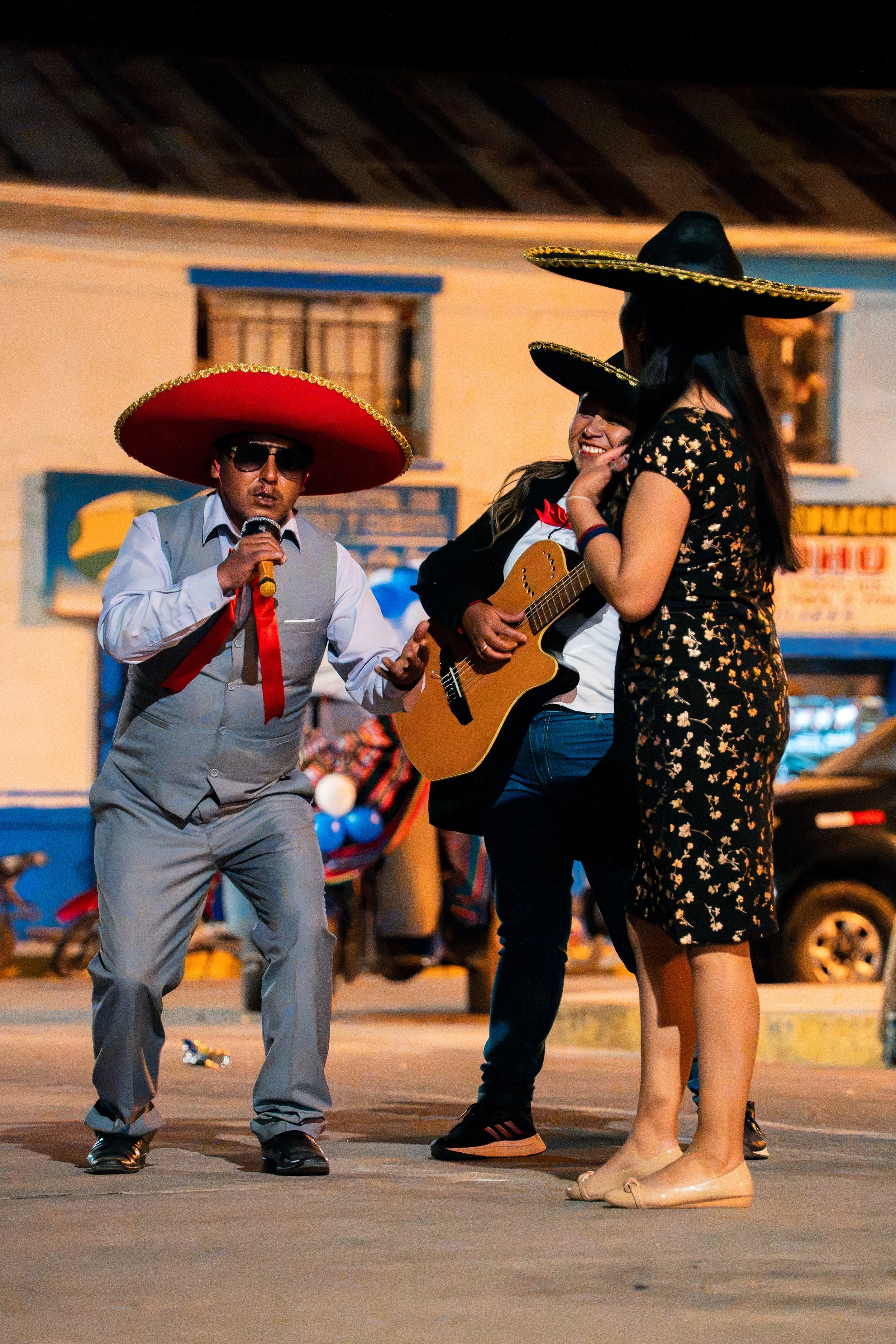
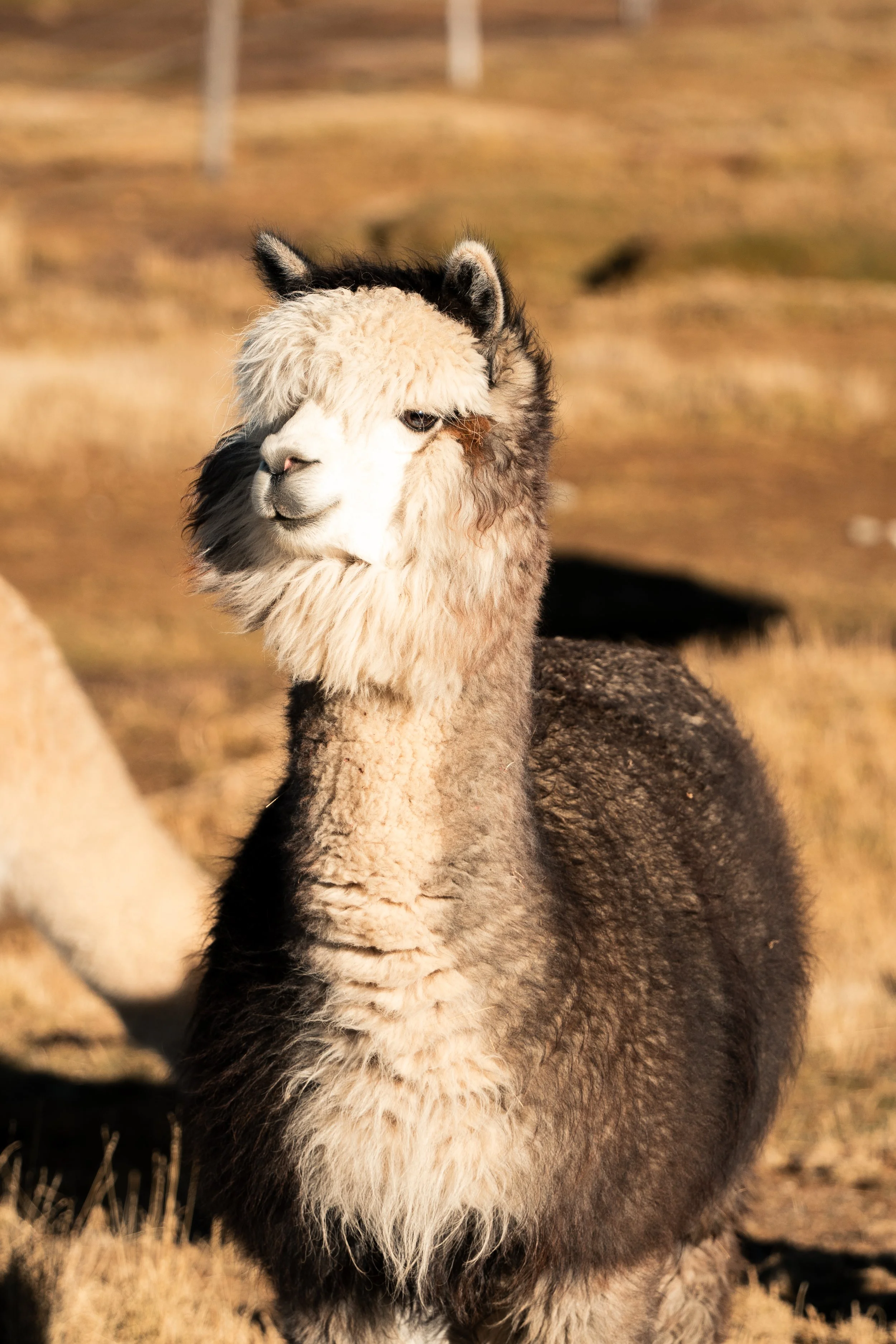
The next two days riding were to get us back on route, as we passed through farming valleys full of alpaca (not many llama though), back up to the mountains. The people seemed friendlier and more approachable in Peru than Bolivia, and we were frequently asked for photos by people in towns, or who would stop on the side of the road to chat to us. We pitched our tent on the side of a gravel road, and the first man who came past just gave us a big hug before warning that it would get very cold at night.
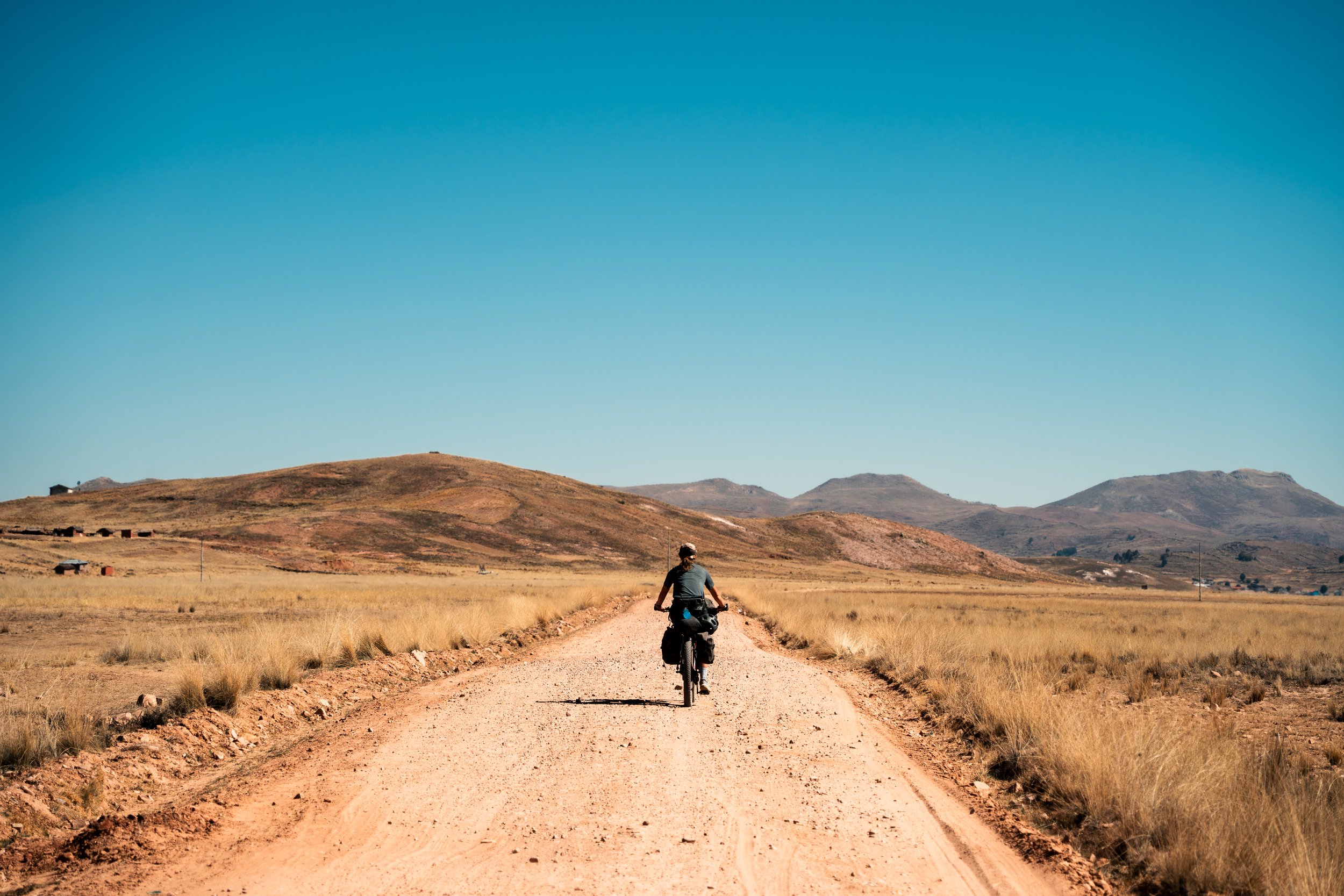
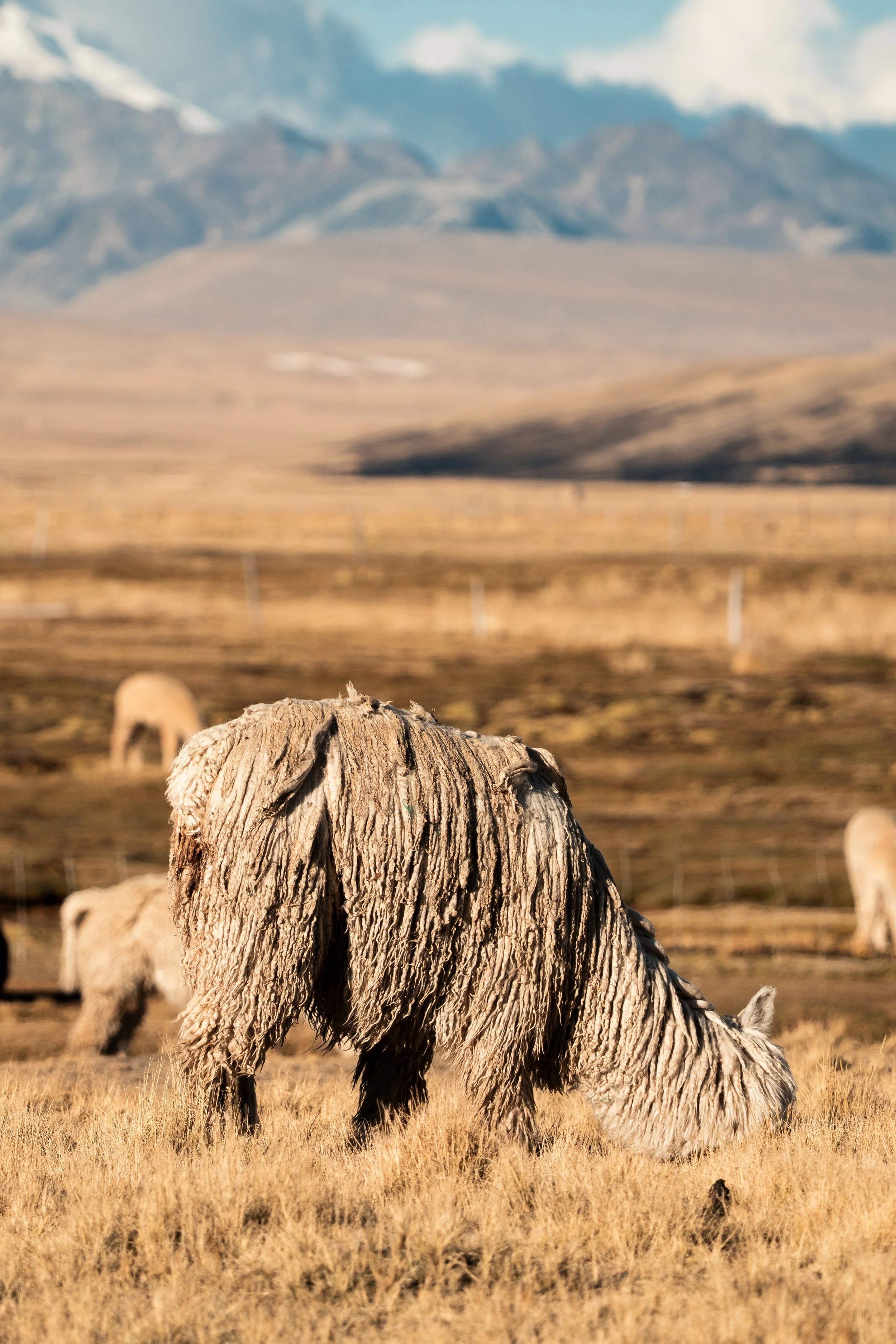
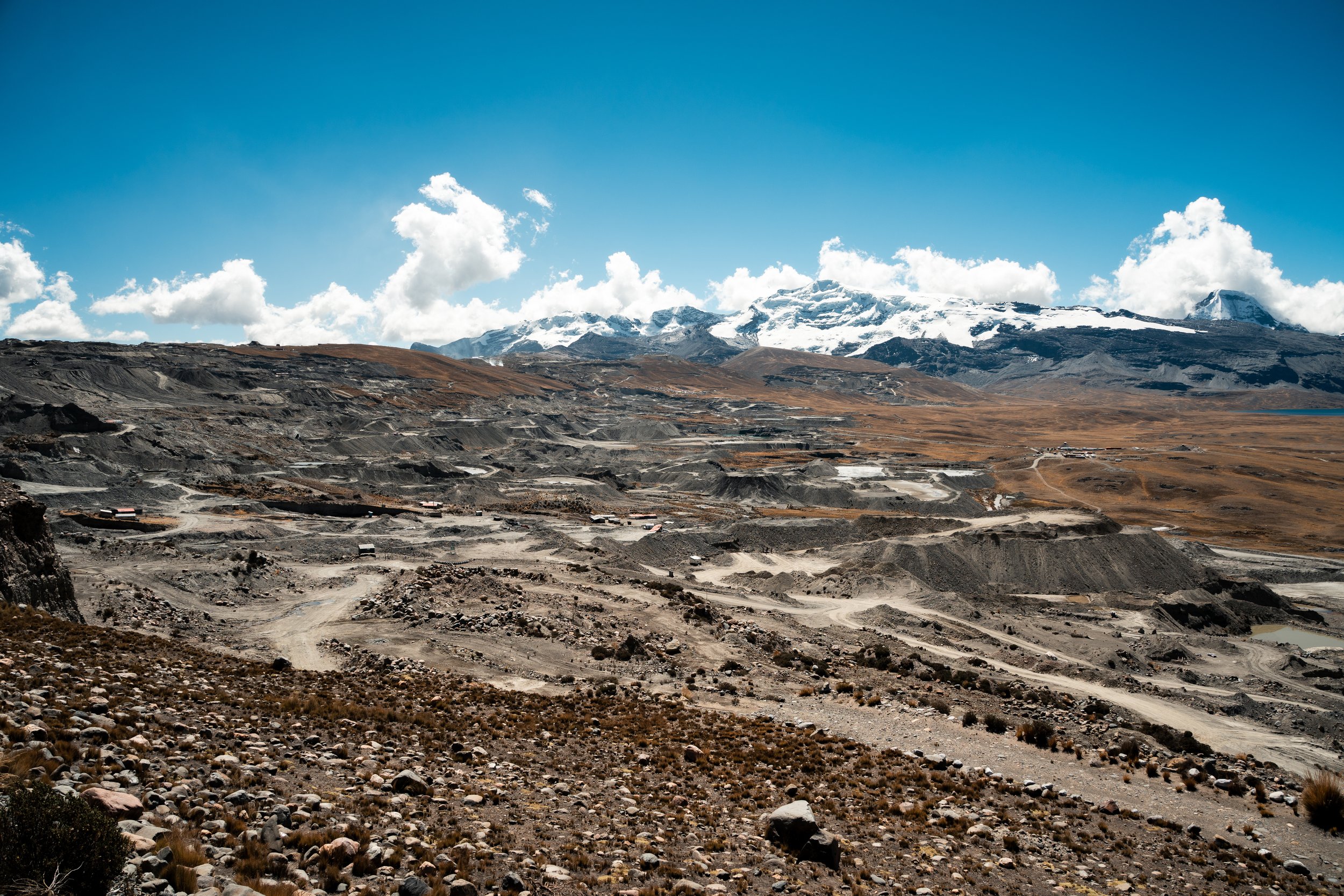
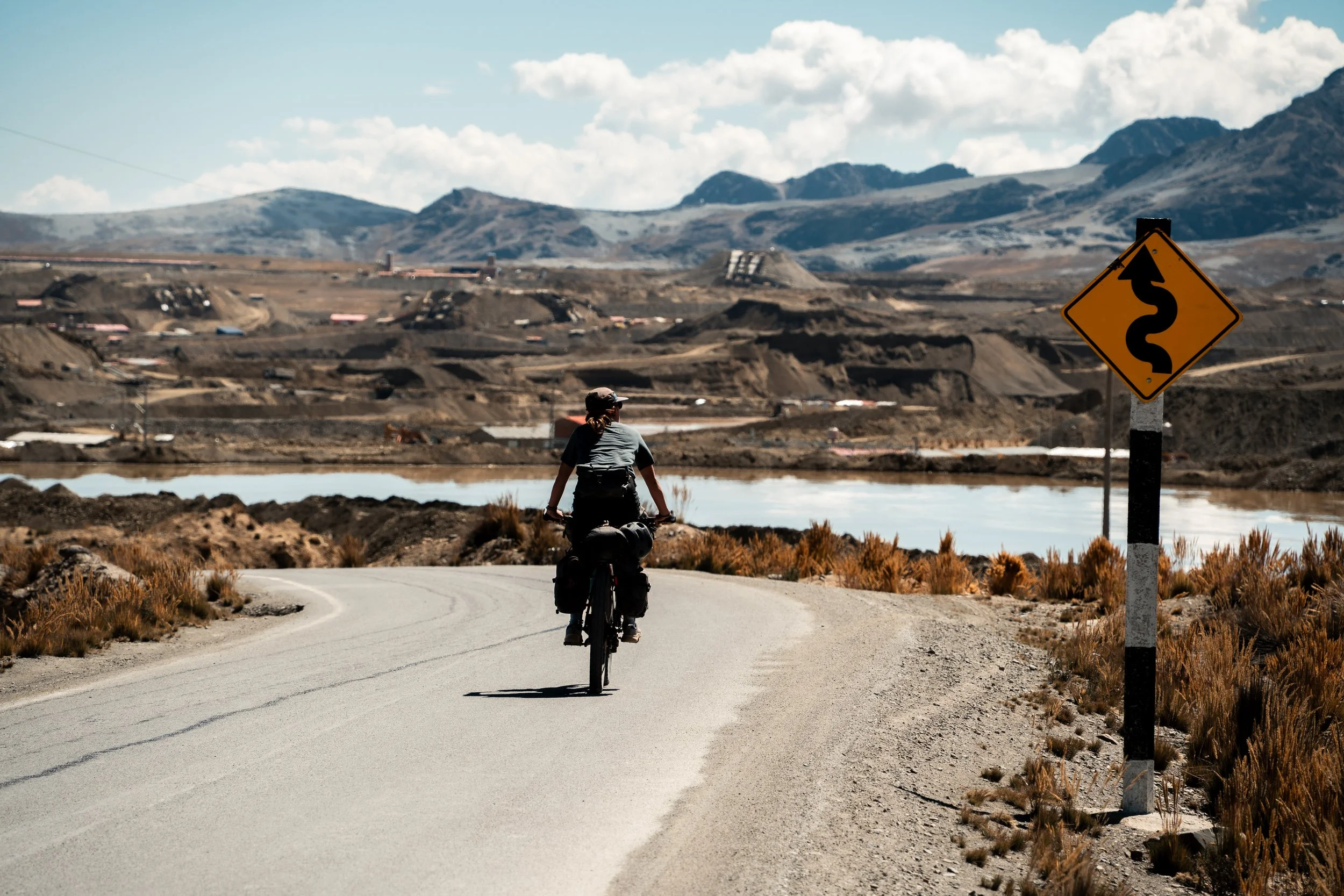
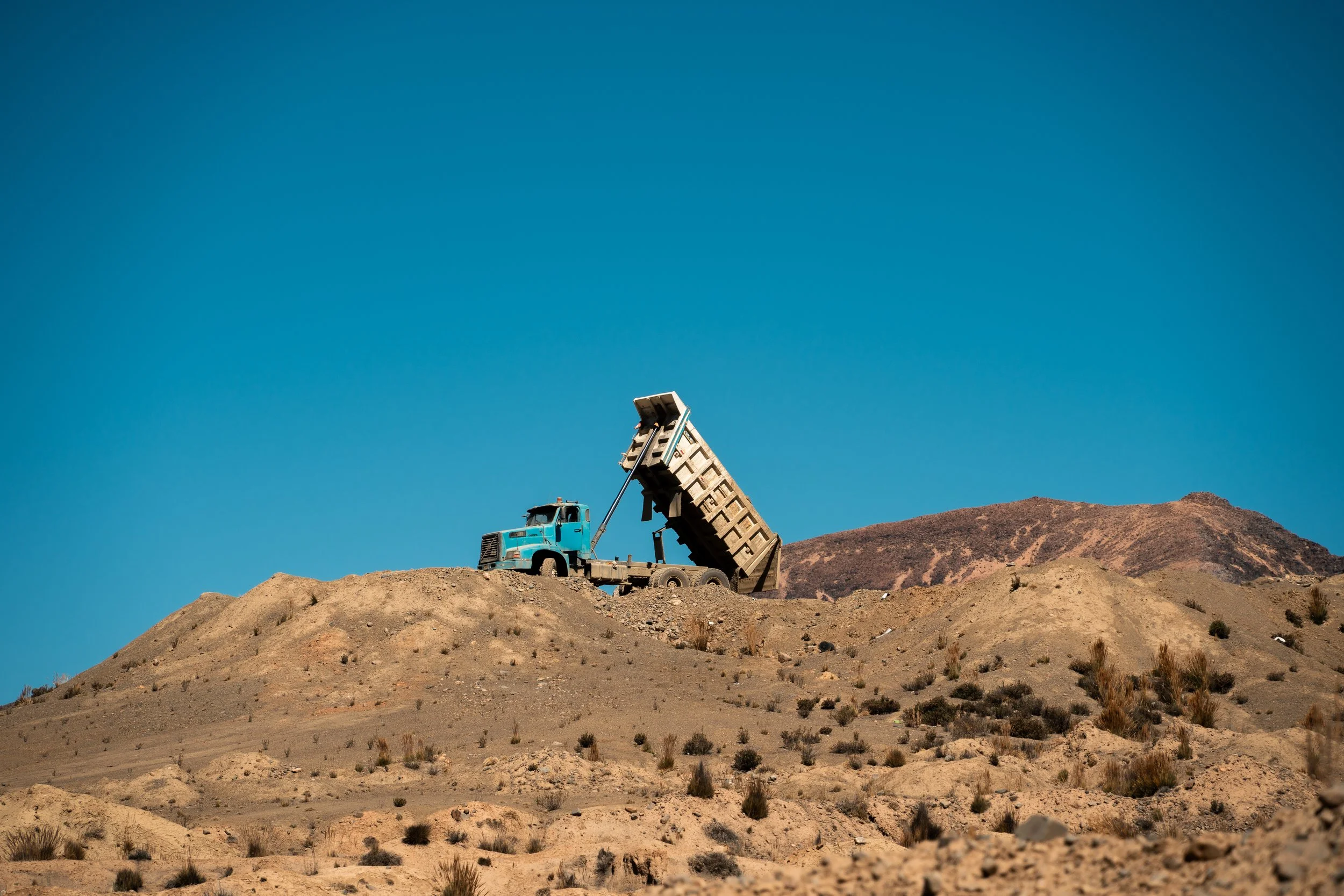
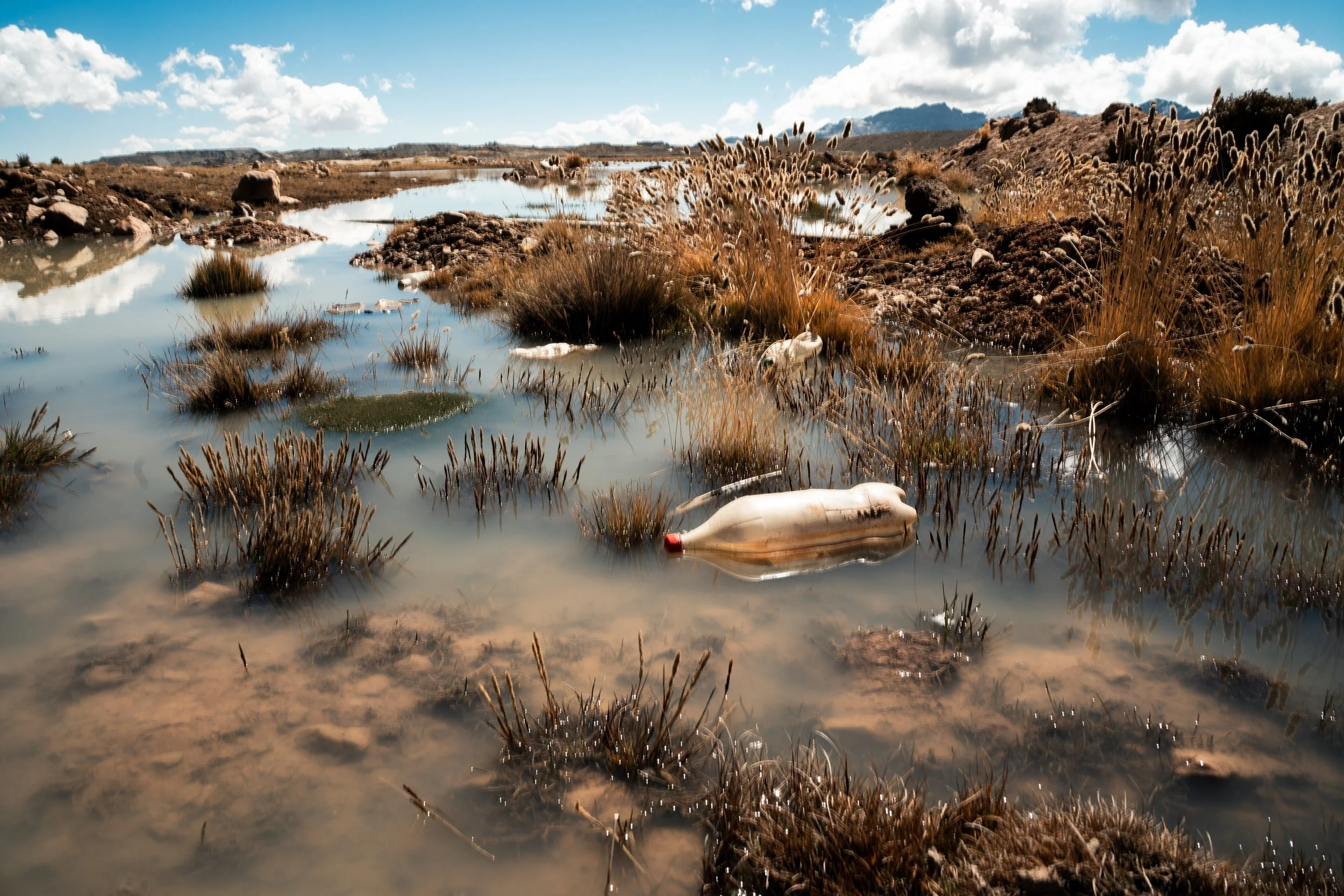
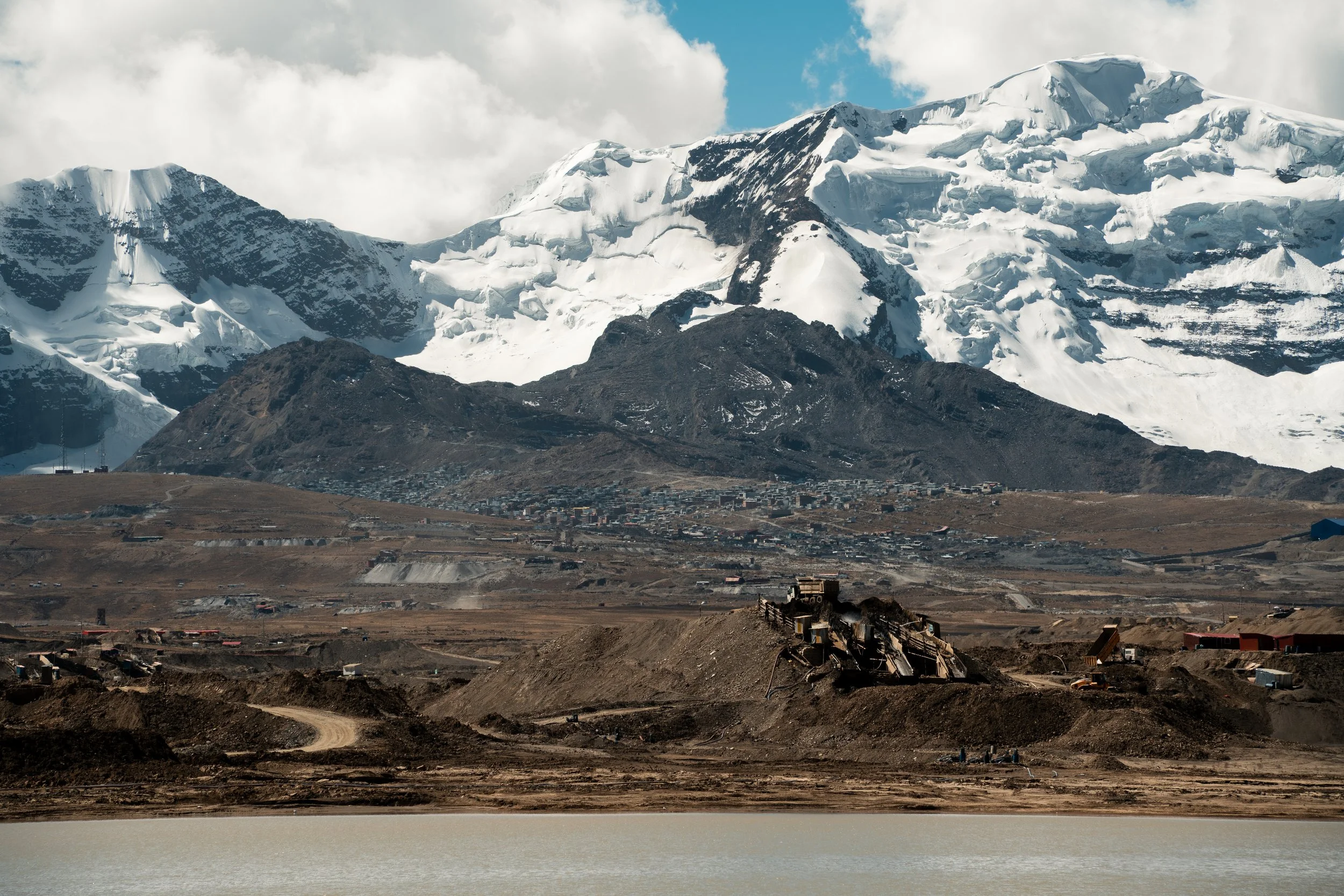
Lauren had had a minor cough since Sorata, and the next day I woke with one also. It wasn’t long before we were back on the main ‘highway’ in the mountains (a tarmac 1.5 lane road without markings), heading towards Ananea. We passed La Rinconada, the worlds highest town at about 5000m, serving a mine. This whole area is covered in mines, and we passed by 15km of sluicing, gravel piles, and trucks immediately adjacent to the road, and stretching well into the mountains.
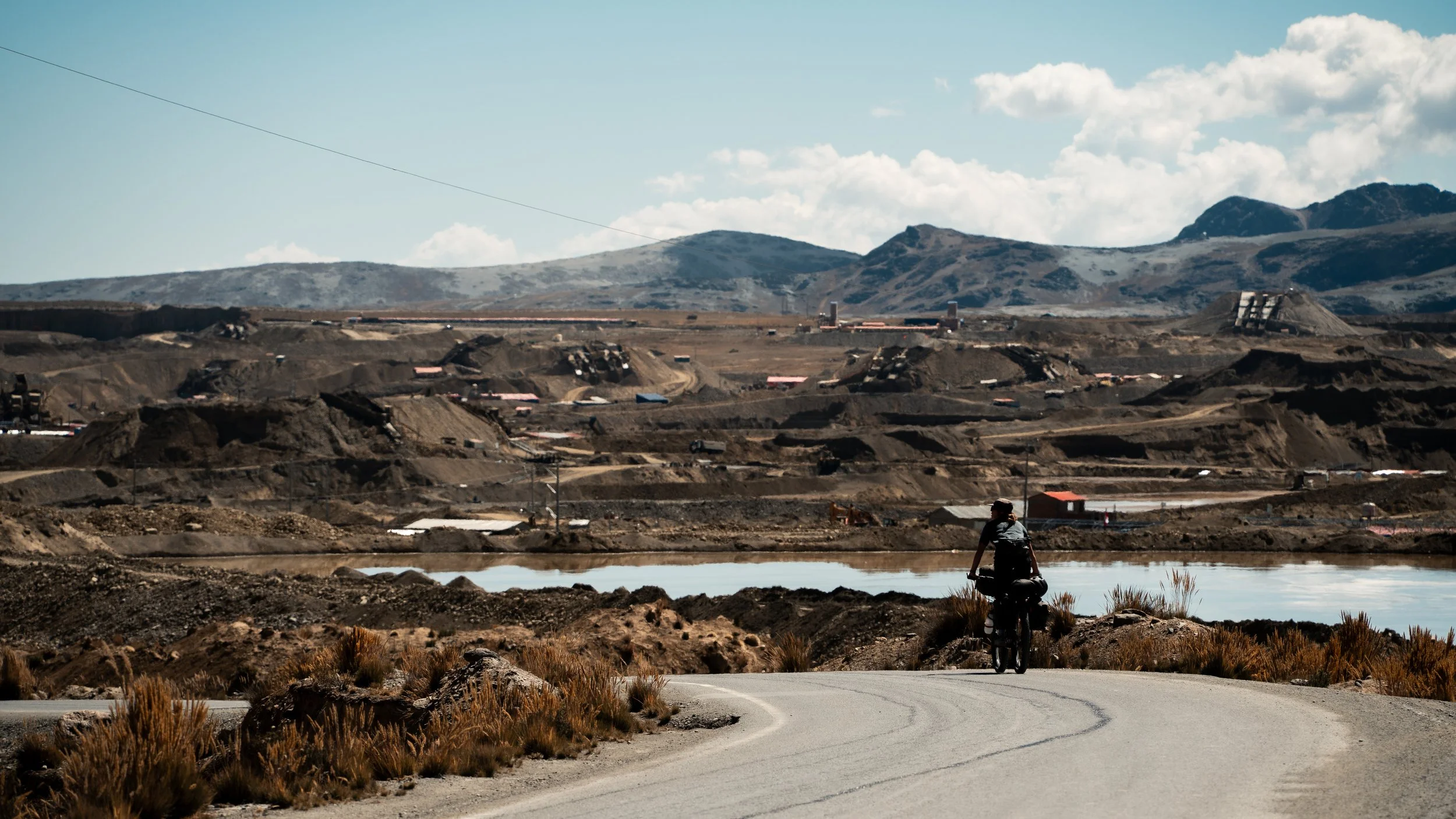
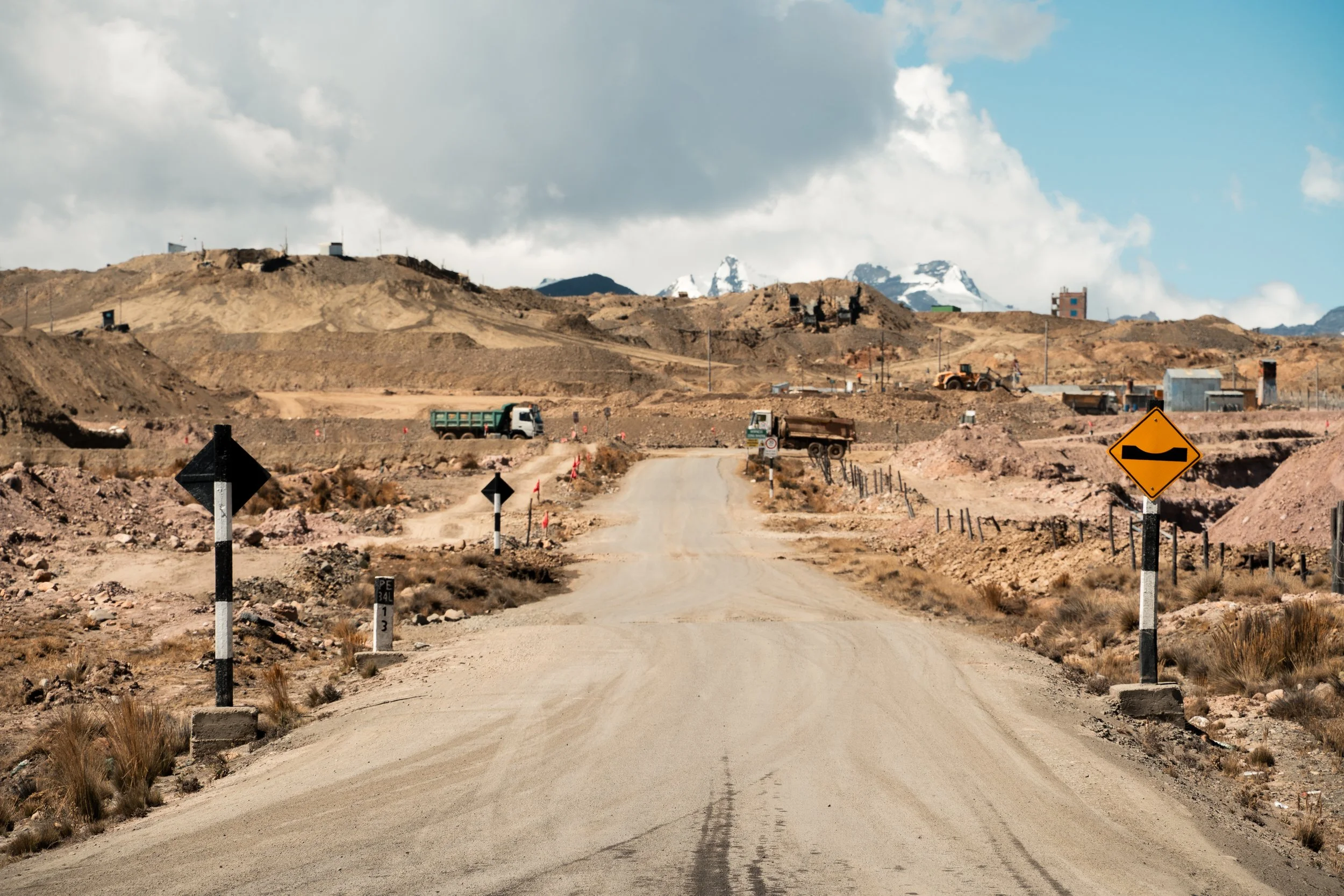
La Rinconada (background), the worlds highest town at 5000m above sea level
Ananea served this area as a hub, and was the least enjoyable town we had been to. Dusty, full of trucks, and with few accomodation options. A storm picked up, and we opted to stay the night, as we both felt unwell. The first Hostal we tried, the lady asked for 60soles, but then said ‘oh, no 70 it was’ when we didn’t have correct change (sesenta and setenta sounding similar). She refused to let us see the room first, and it was no wonder. A dirty bed, no windows, and a foot of space on either side. We promptly asked for a refund. She gave us 50 back, asking to keep the other 20. Absolutely not. She gave us 10, and then relented and gave us the full amount. We would subsequently learn that the residents of Ananea had apparently murdered their local junior doctor doing their one year rural placement the year prior. I would suggest avoiding the town if you can.
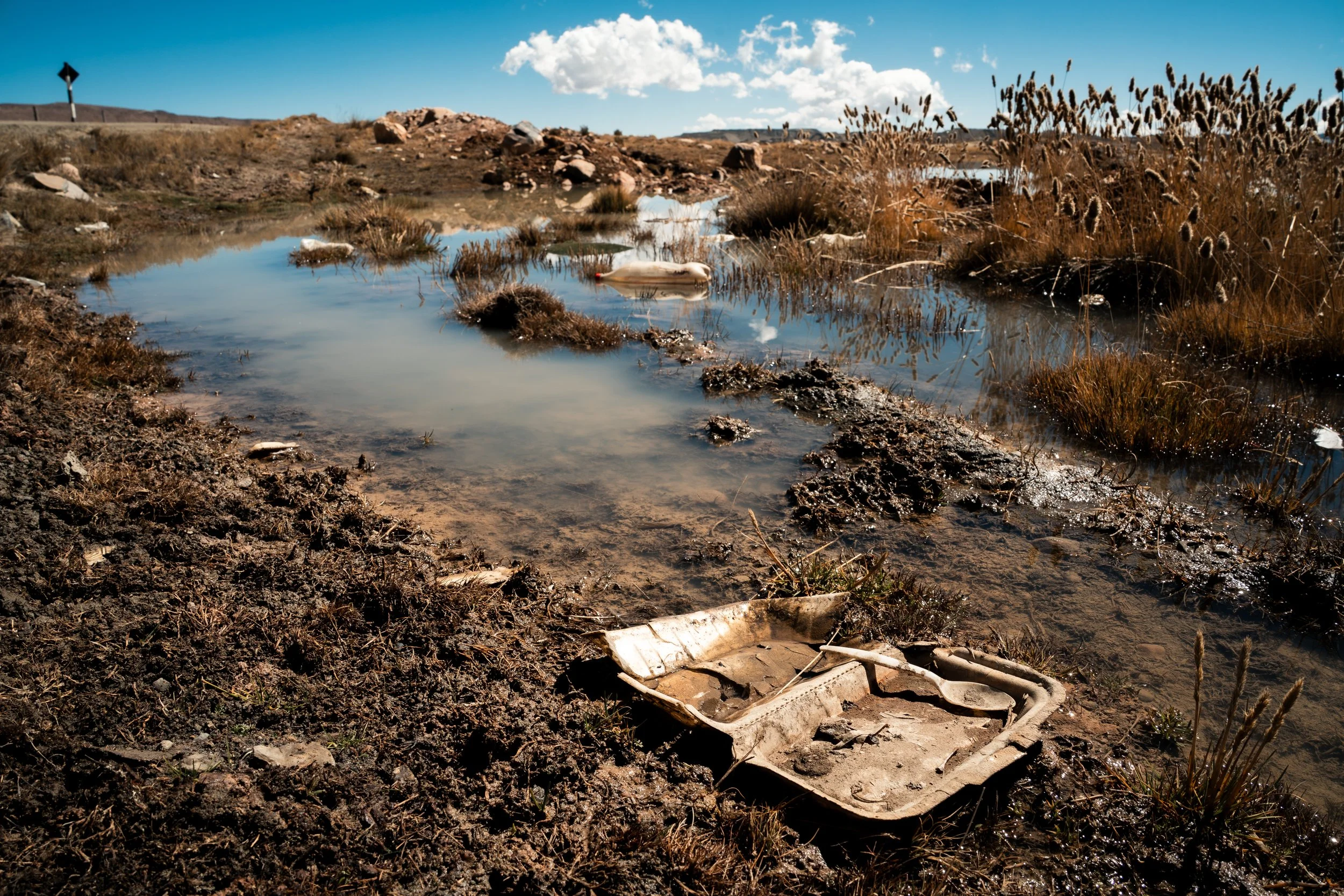
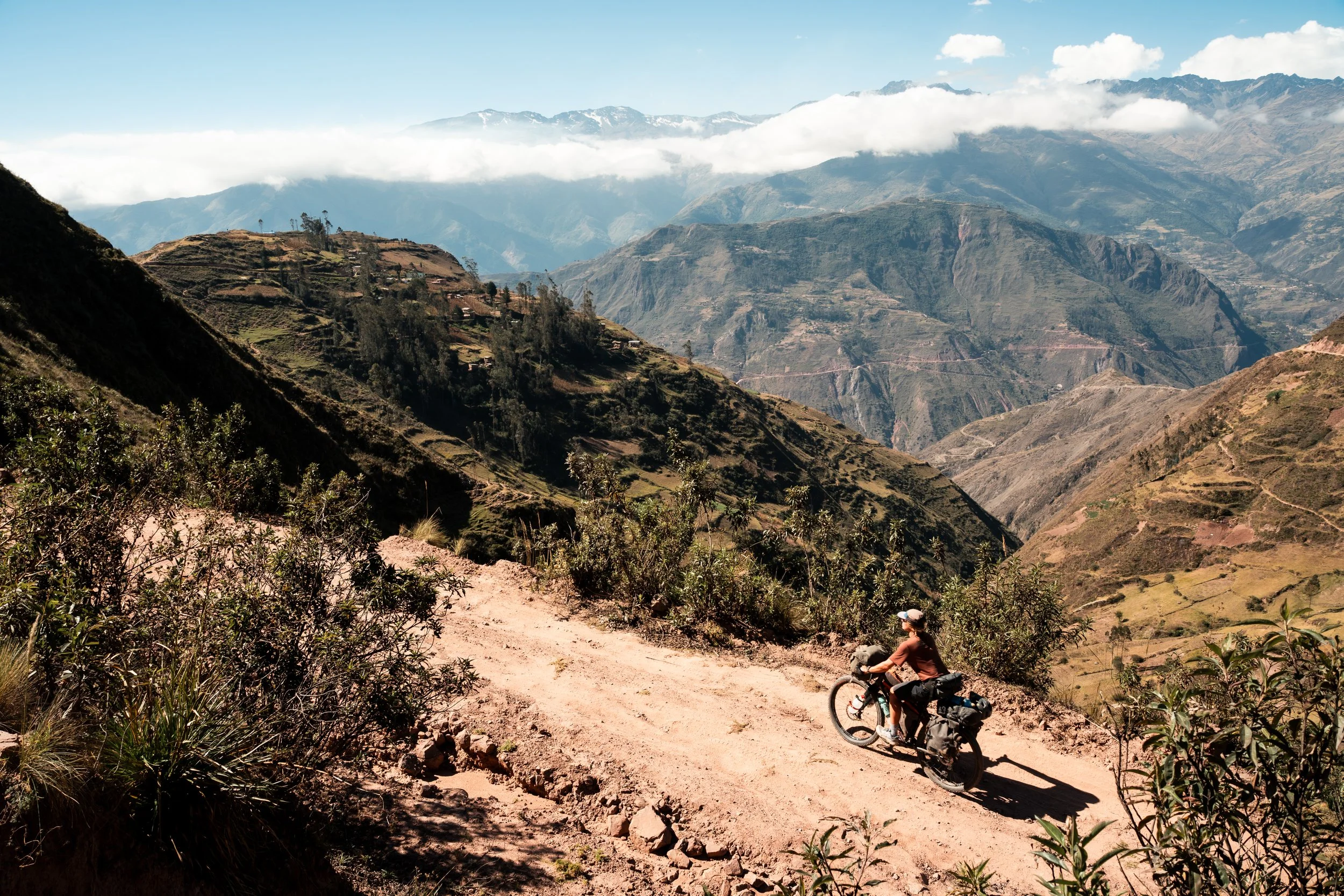
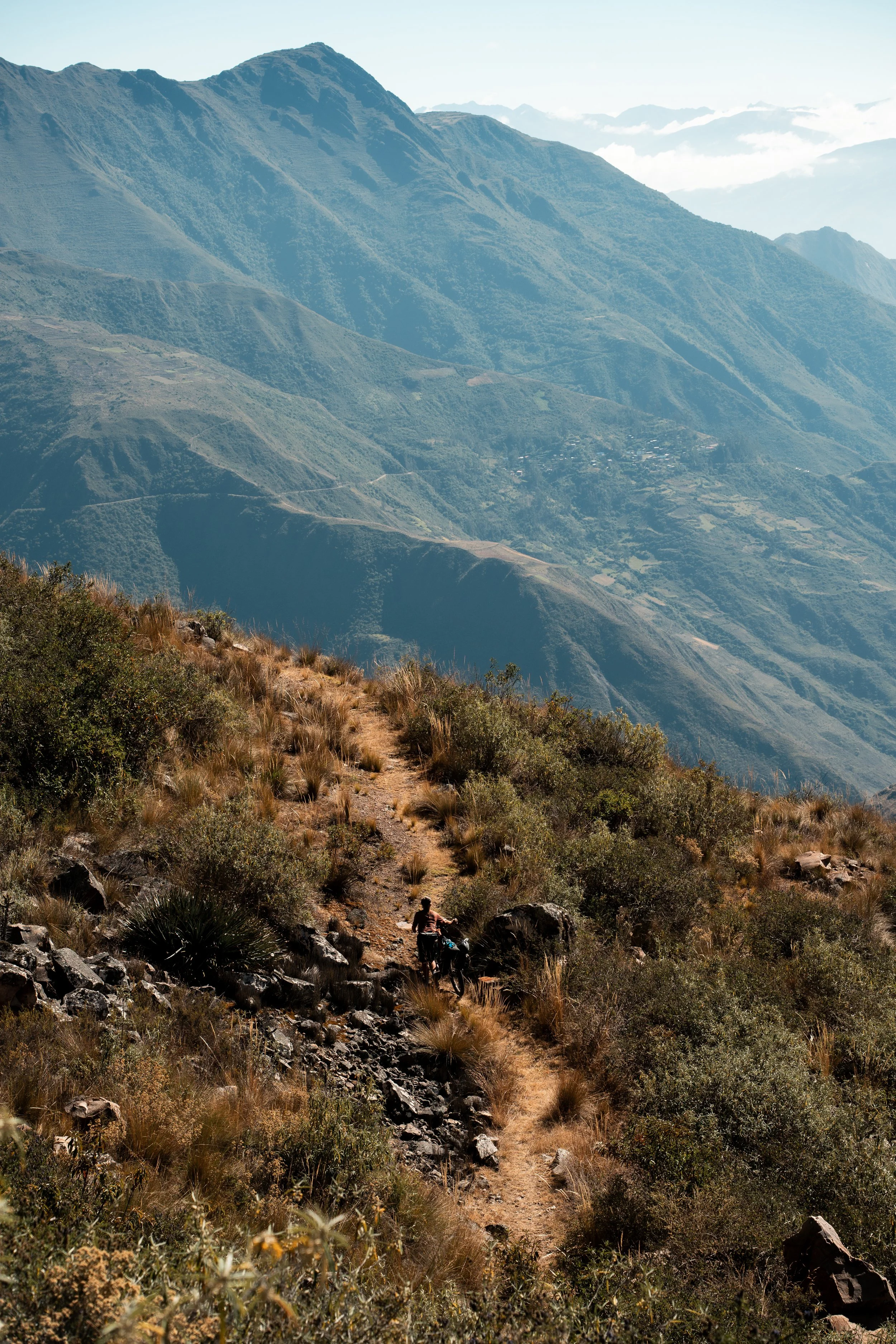
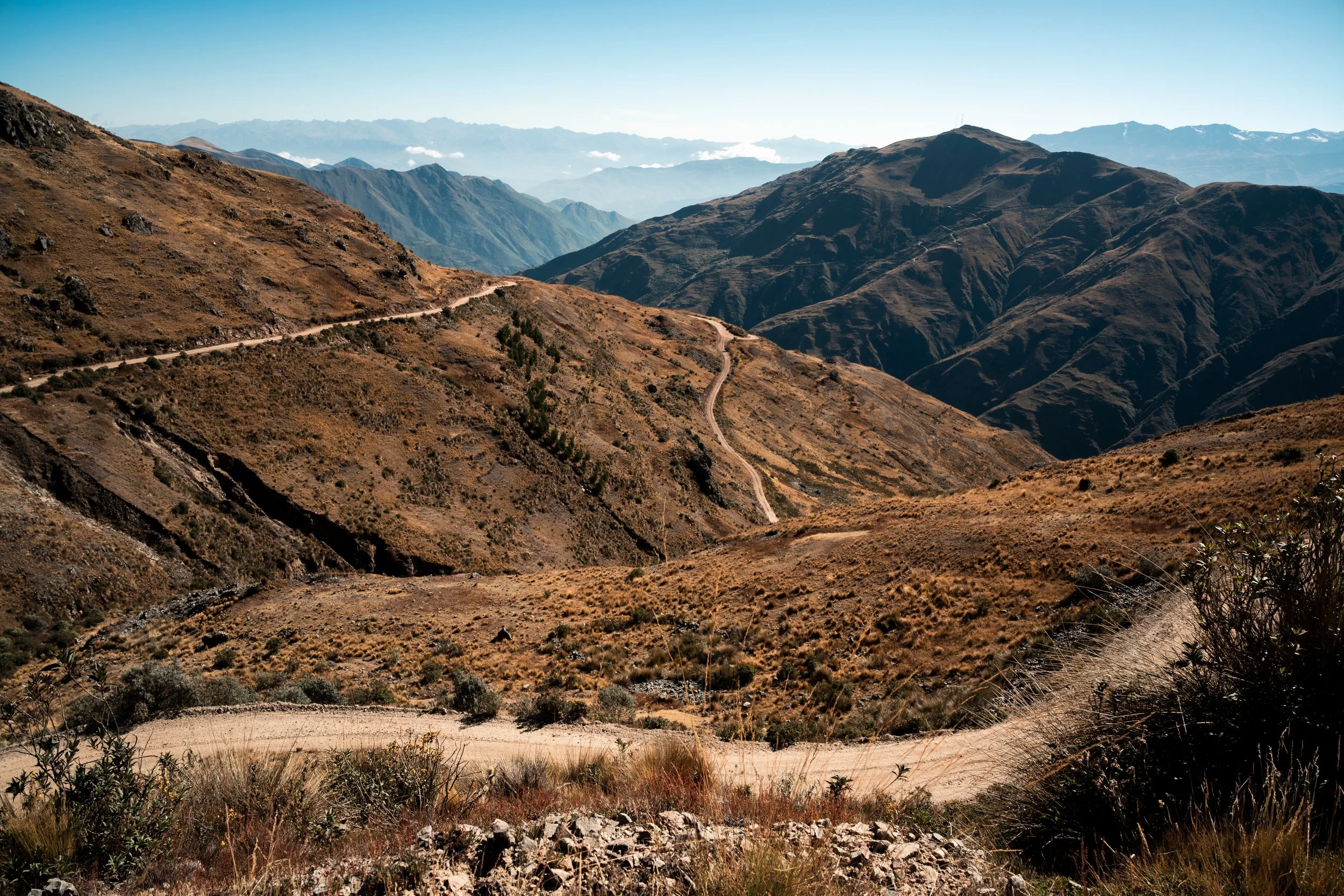
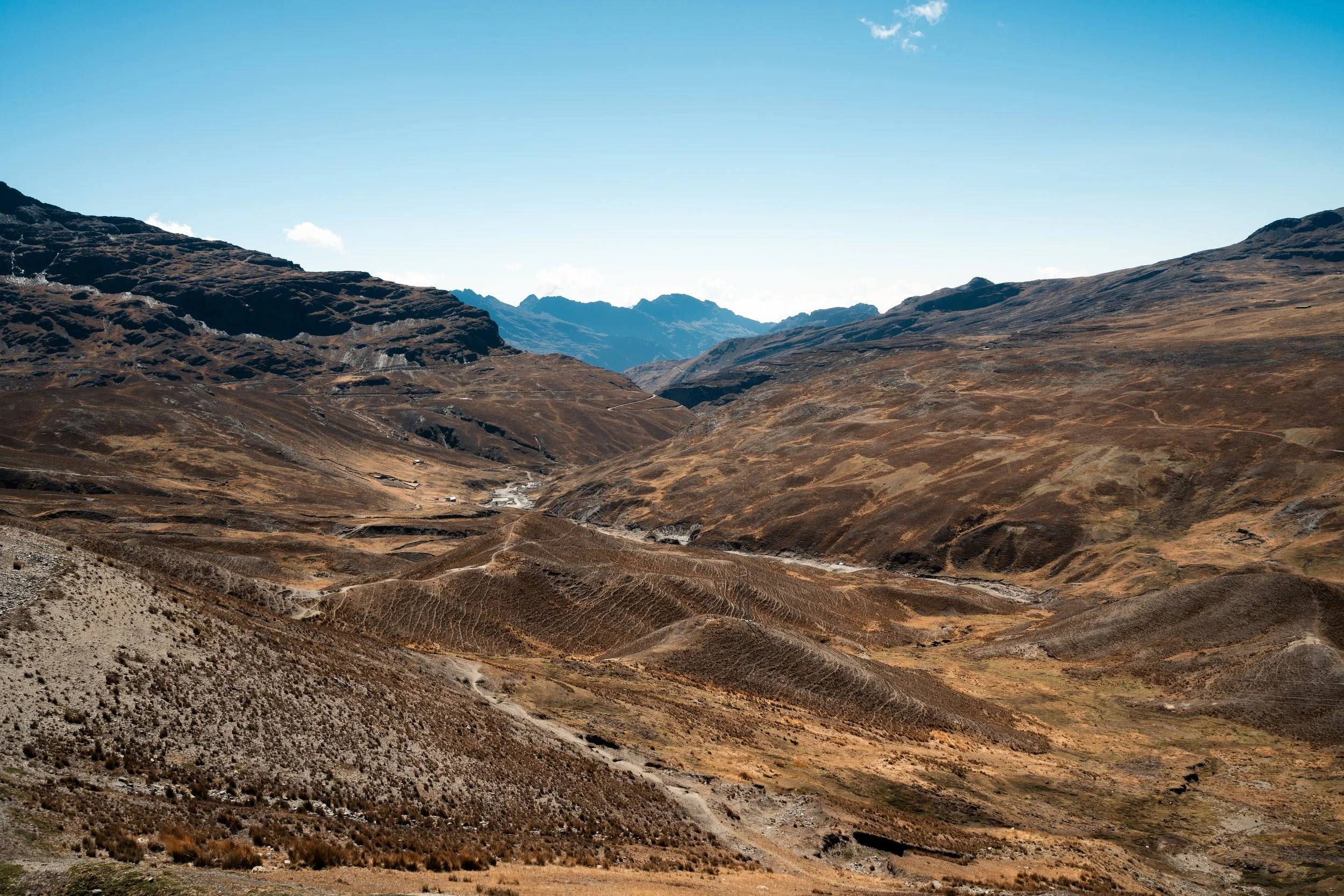
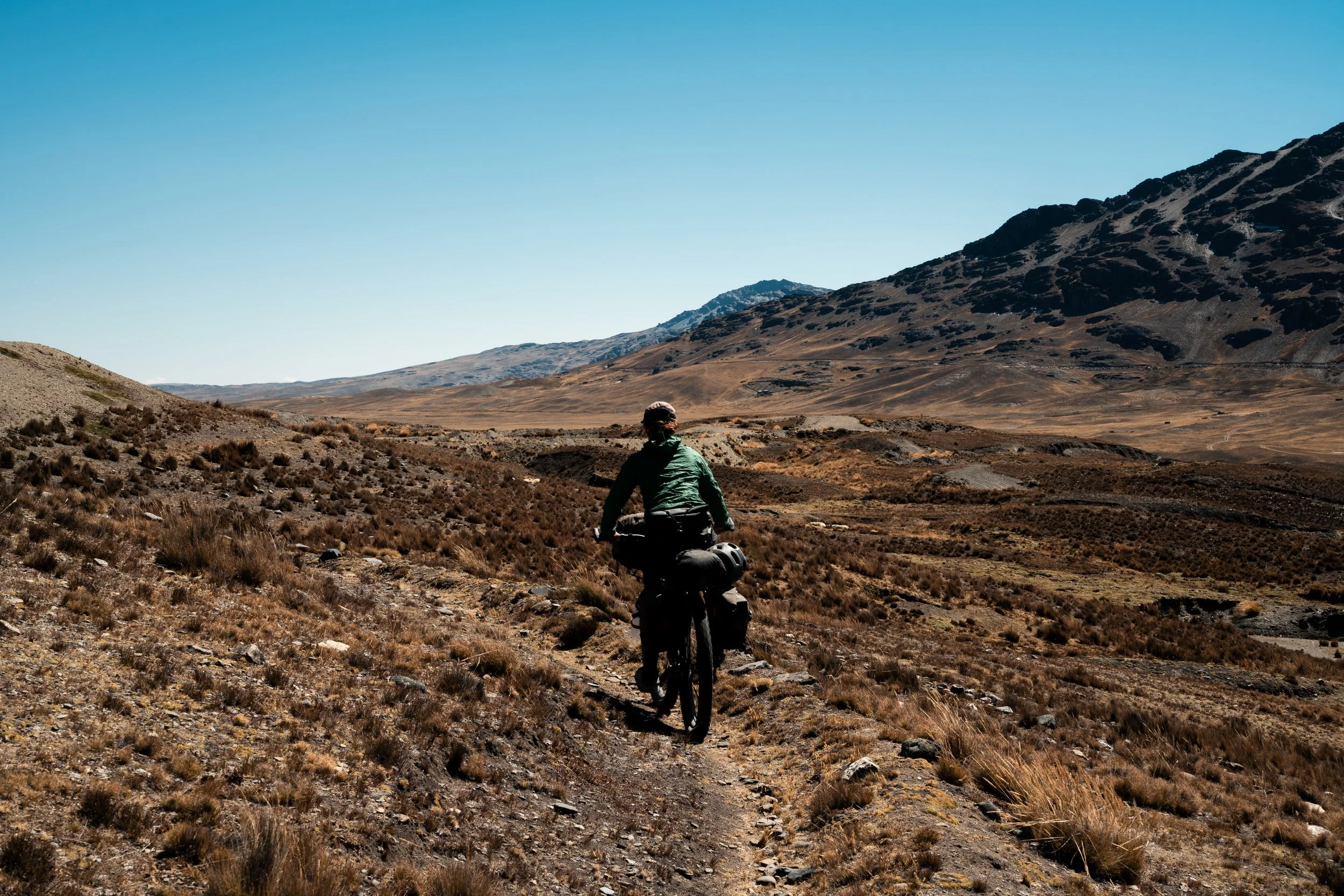
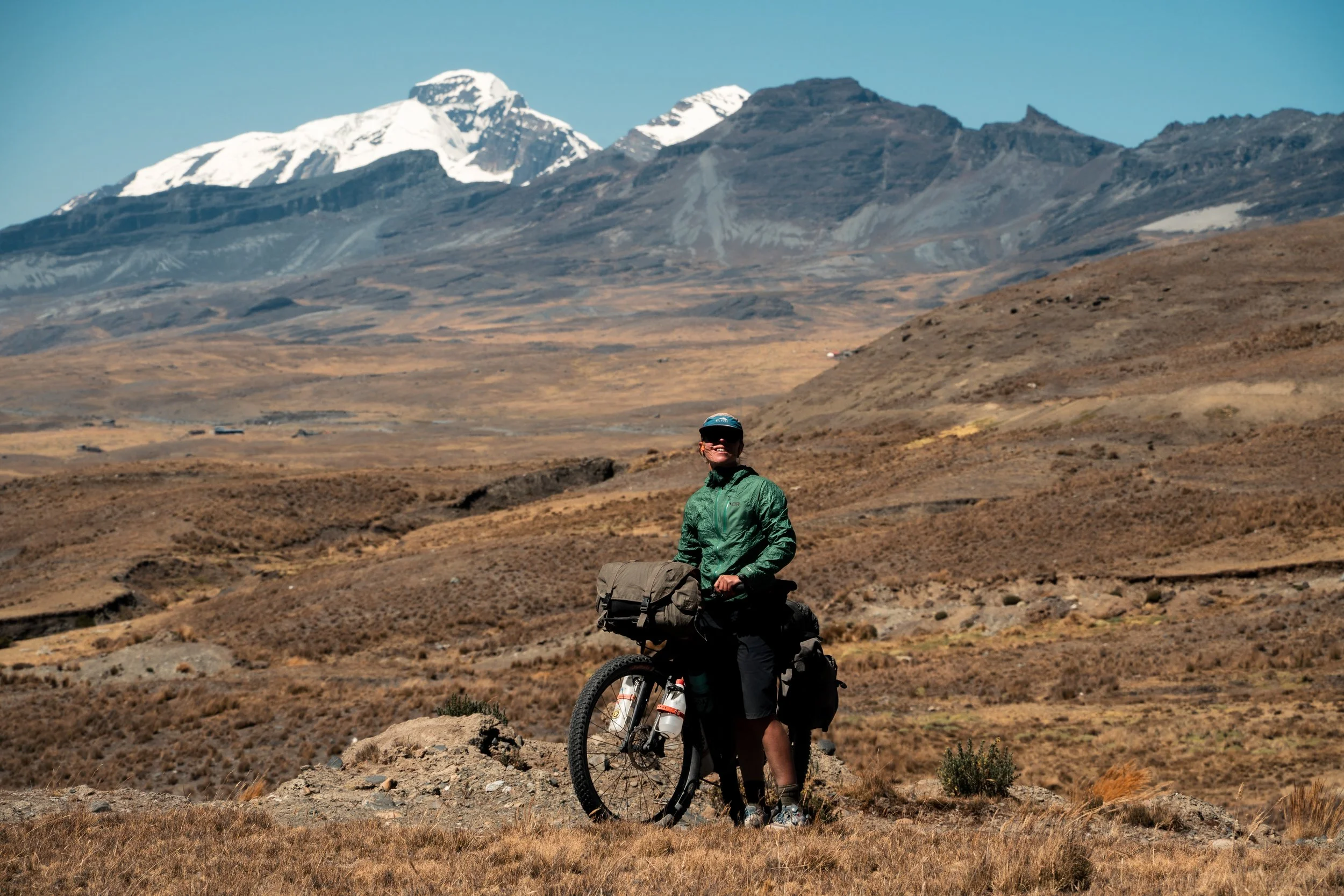
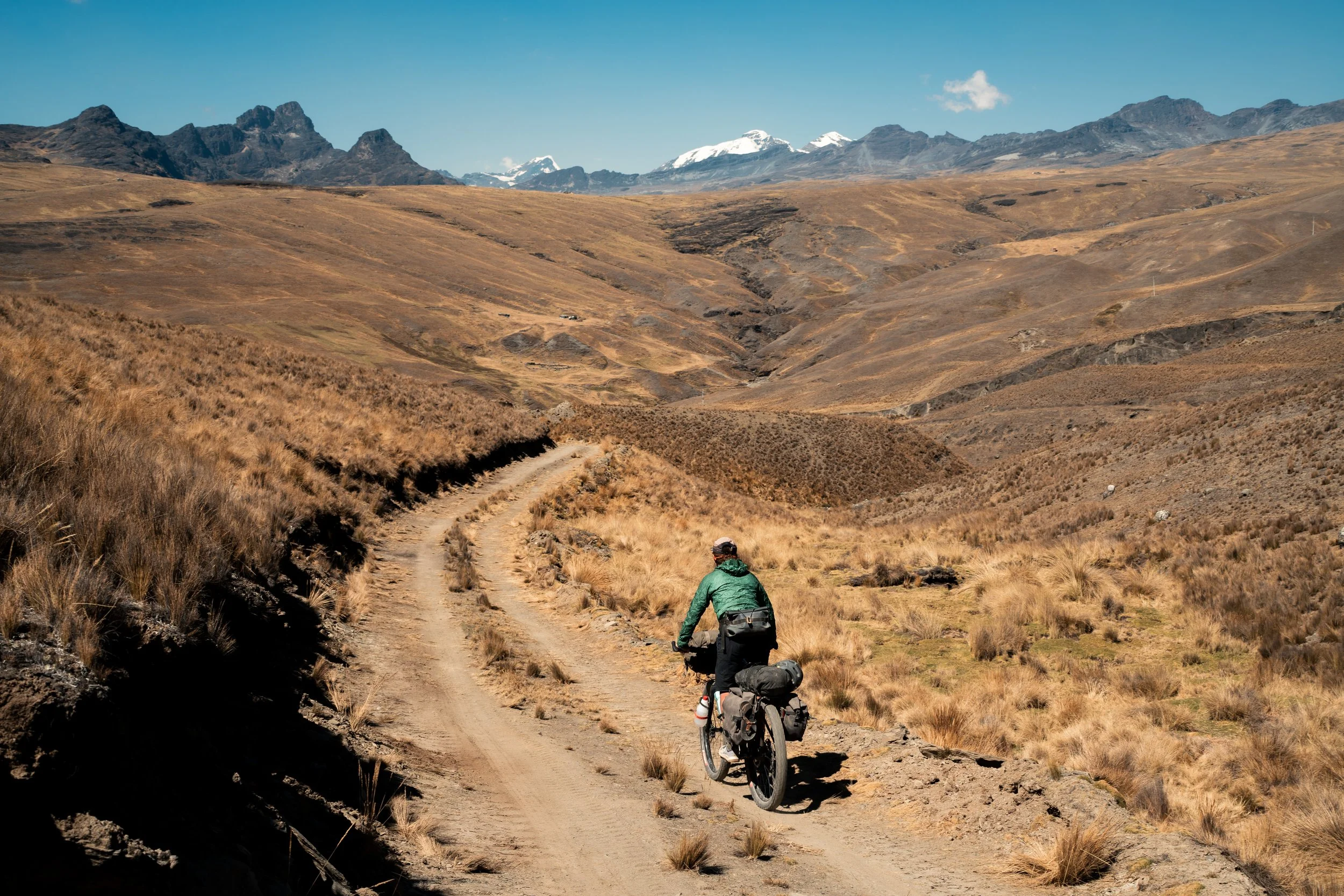
We turned off the highway and along 25km of gravel the next day, heading deeper into the mountains. Neither of us felt well, but it was a short day to Cuyo Cuyo. On the altiplano/pampa edge, there are simultaneously large mountains rising into the main Andean range, and deep valleys cutting down from it. We eventually reached the edge of a deep valley, and skirted around the top edge of it before dropping down and taking a shortcut through an active mine.
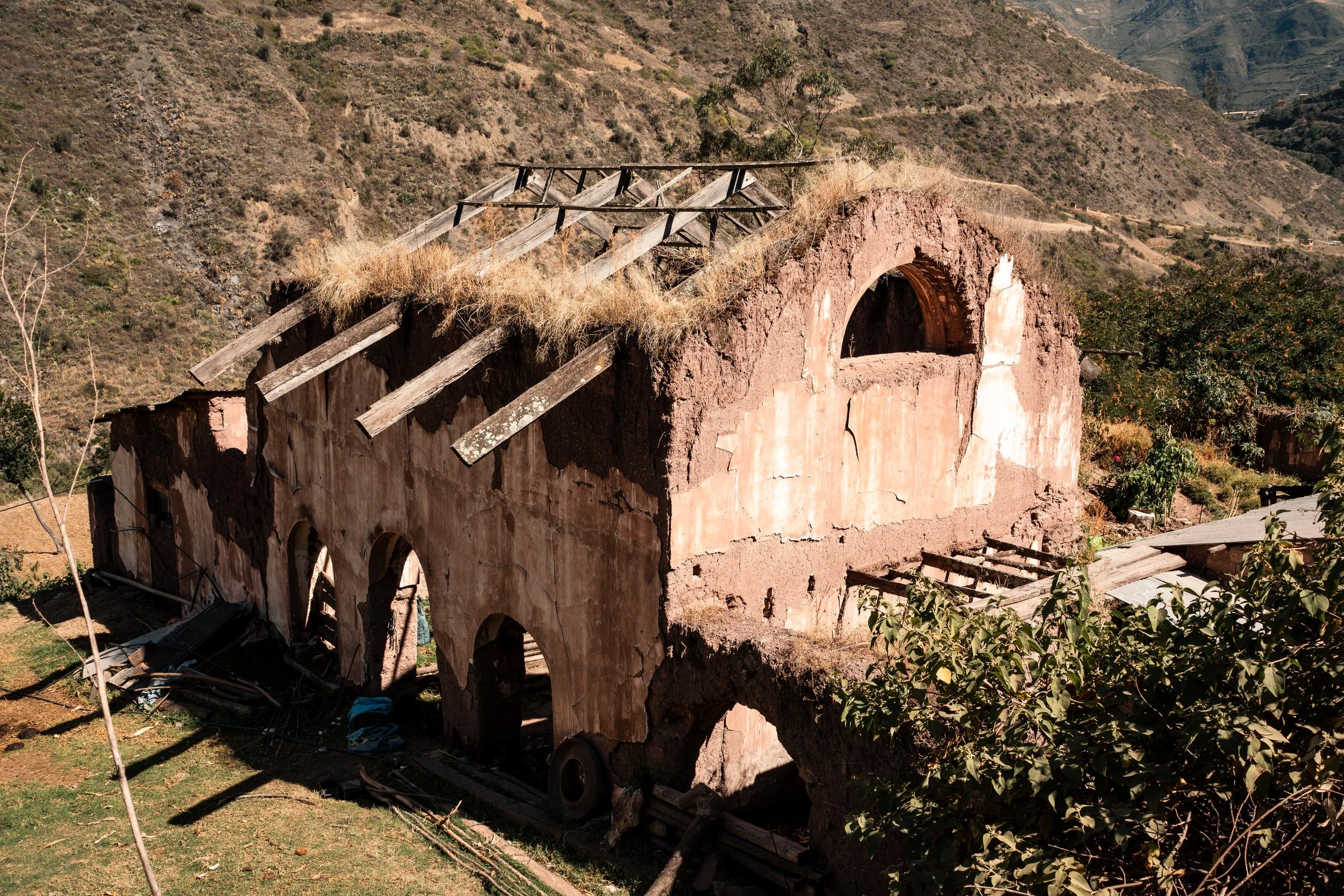
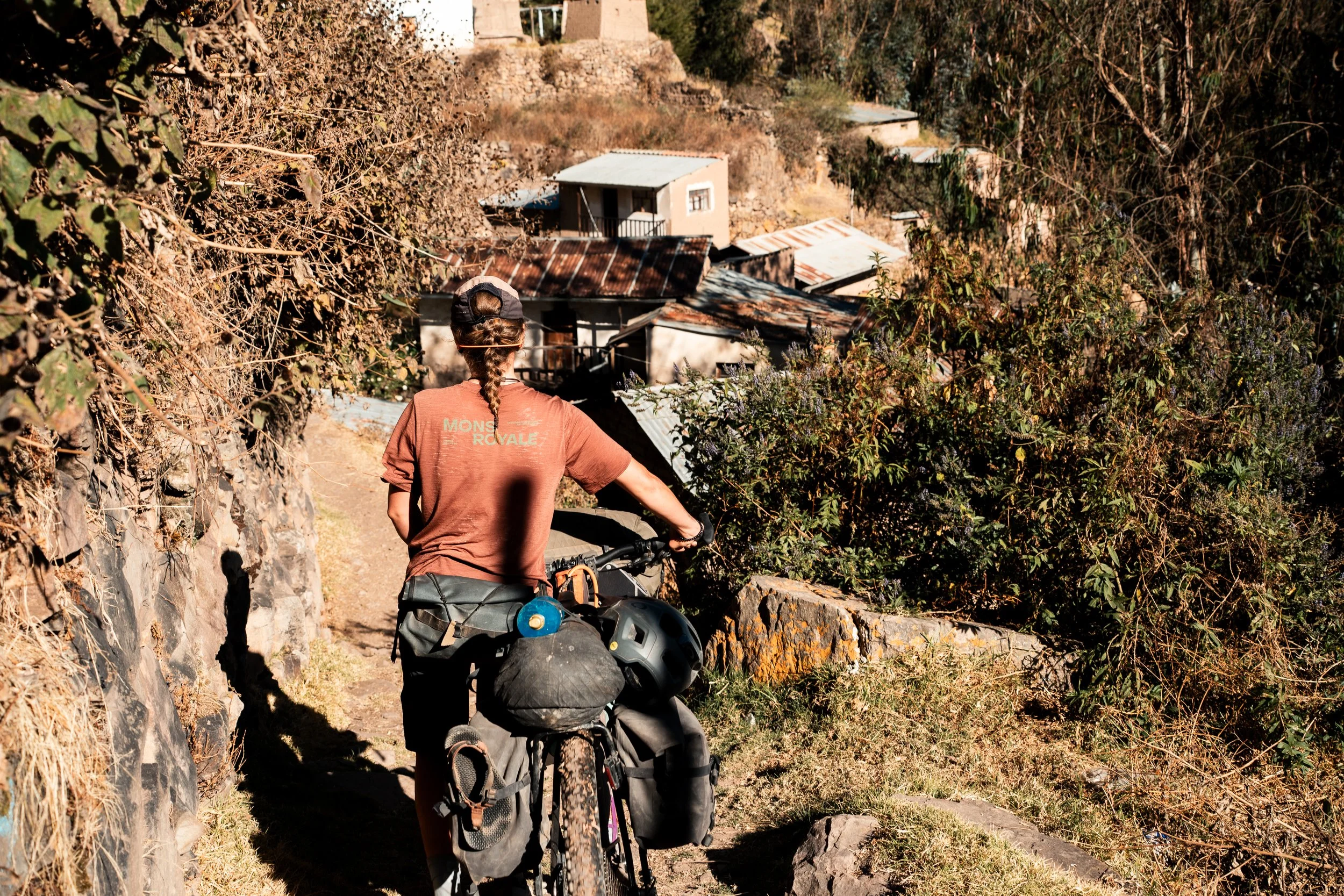
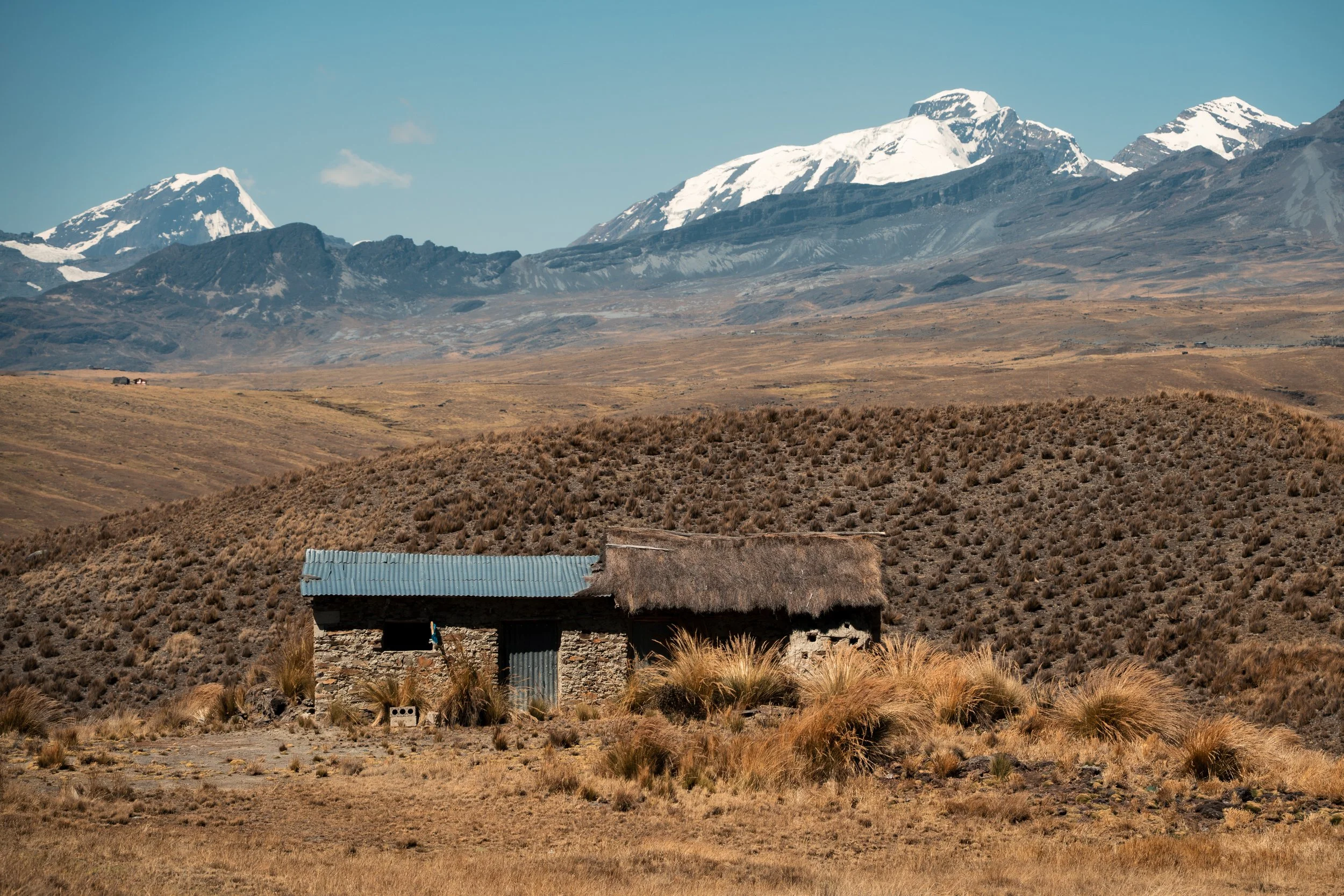
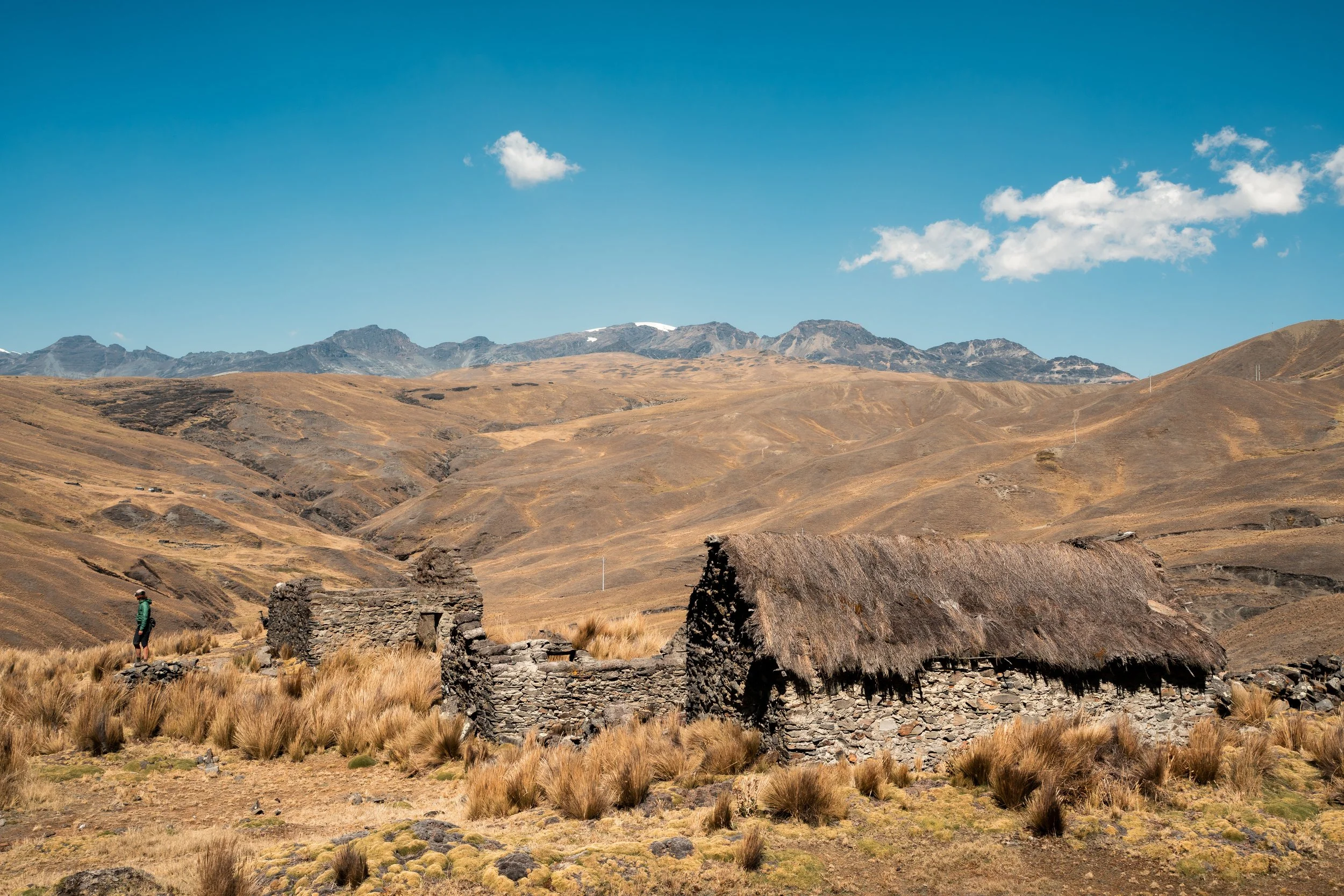
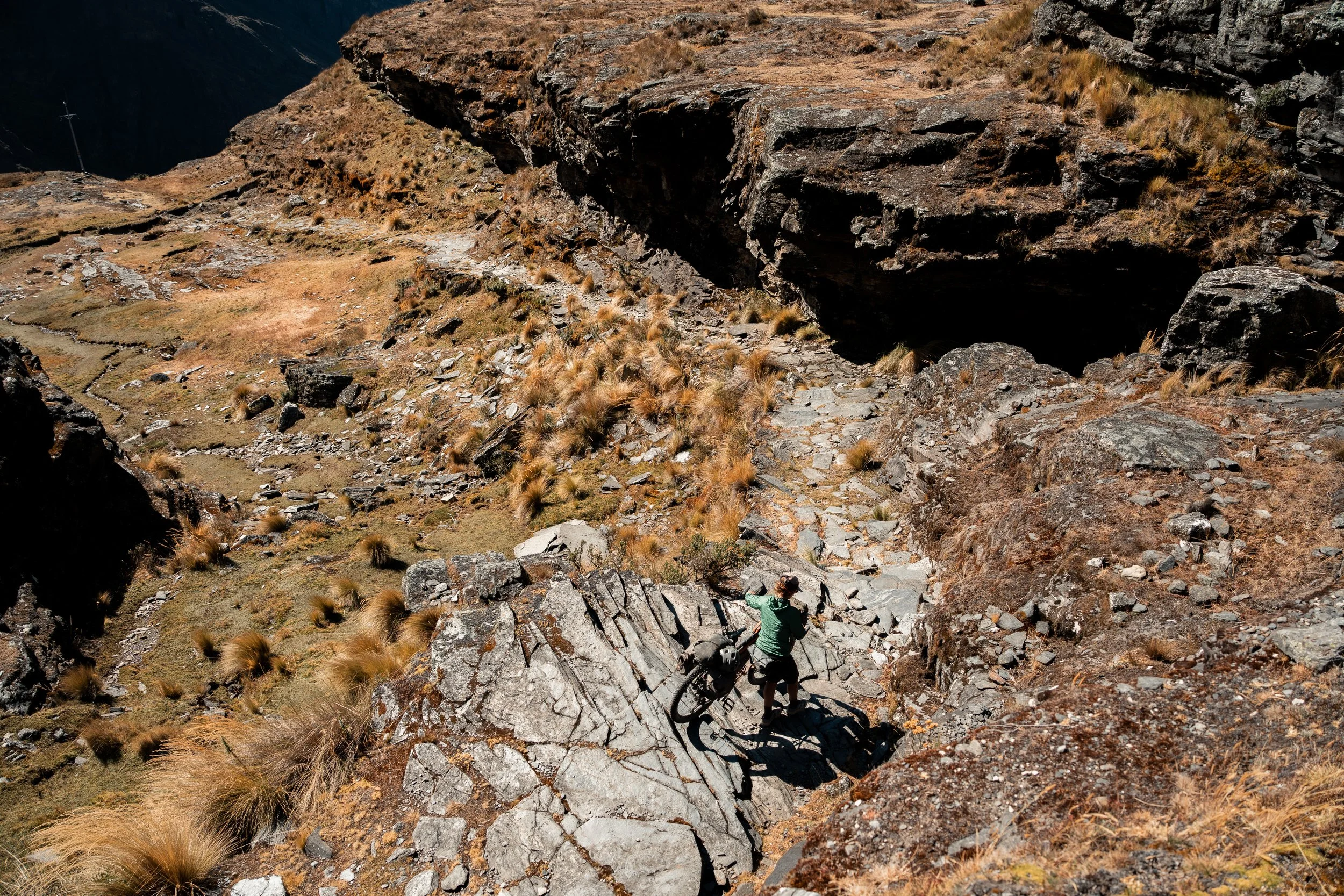
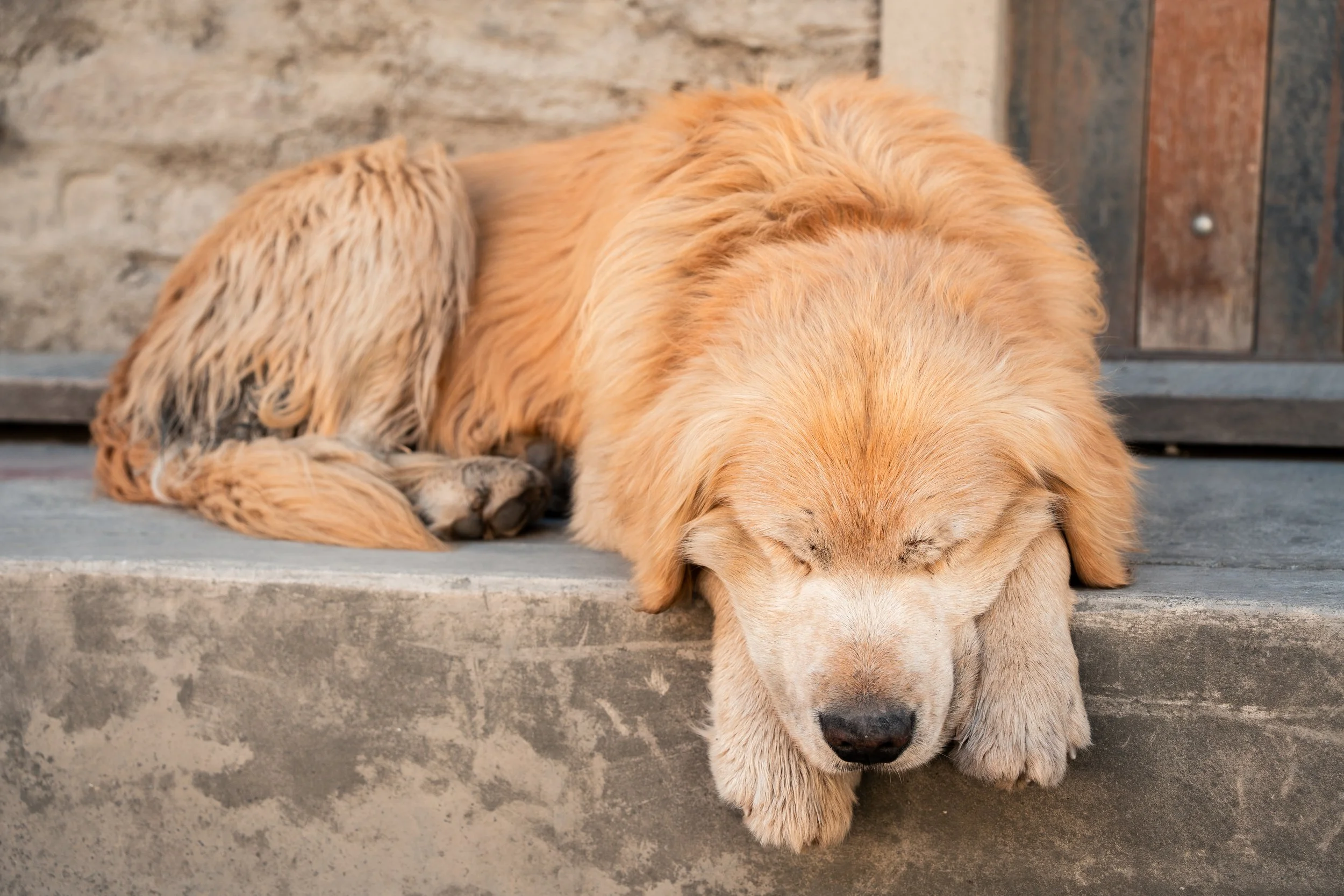
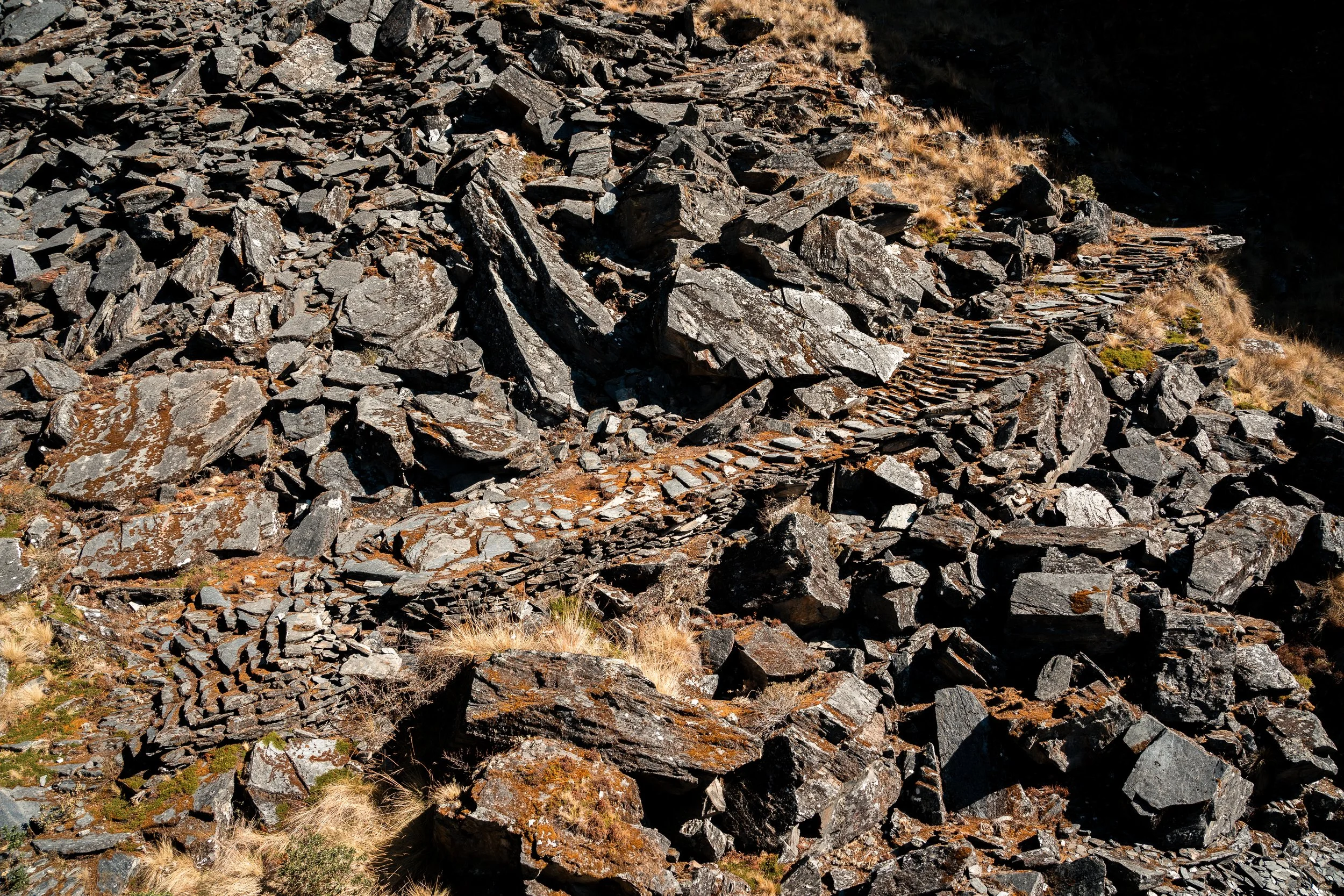
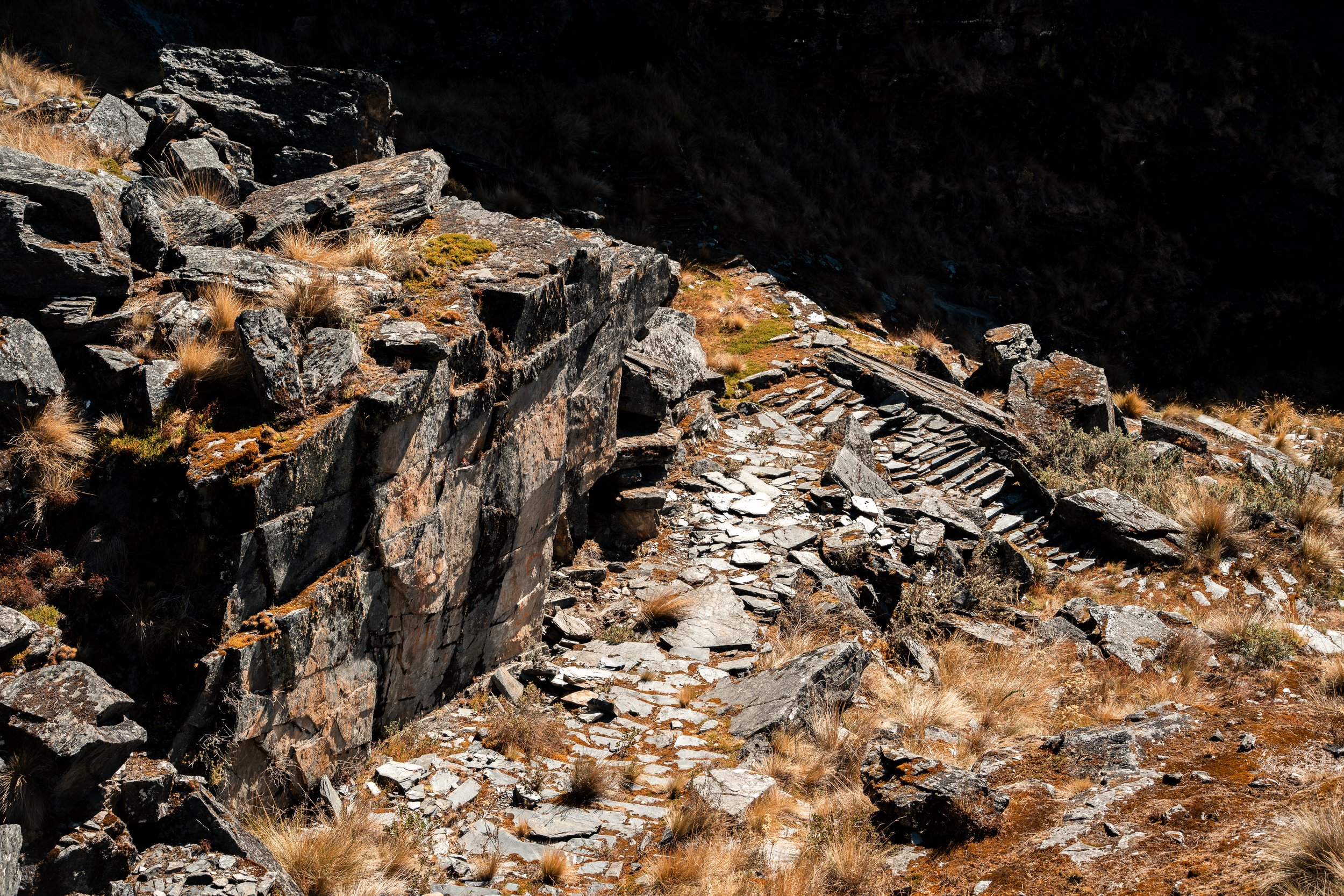
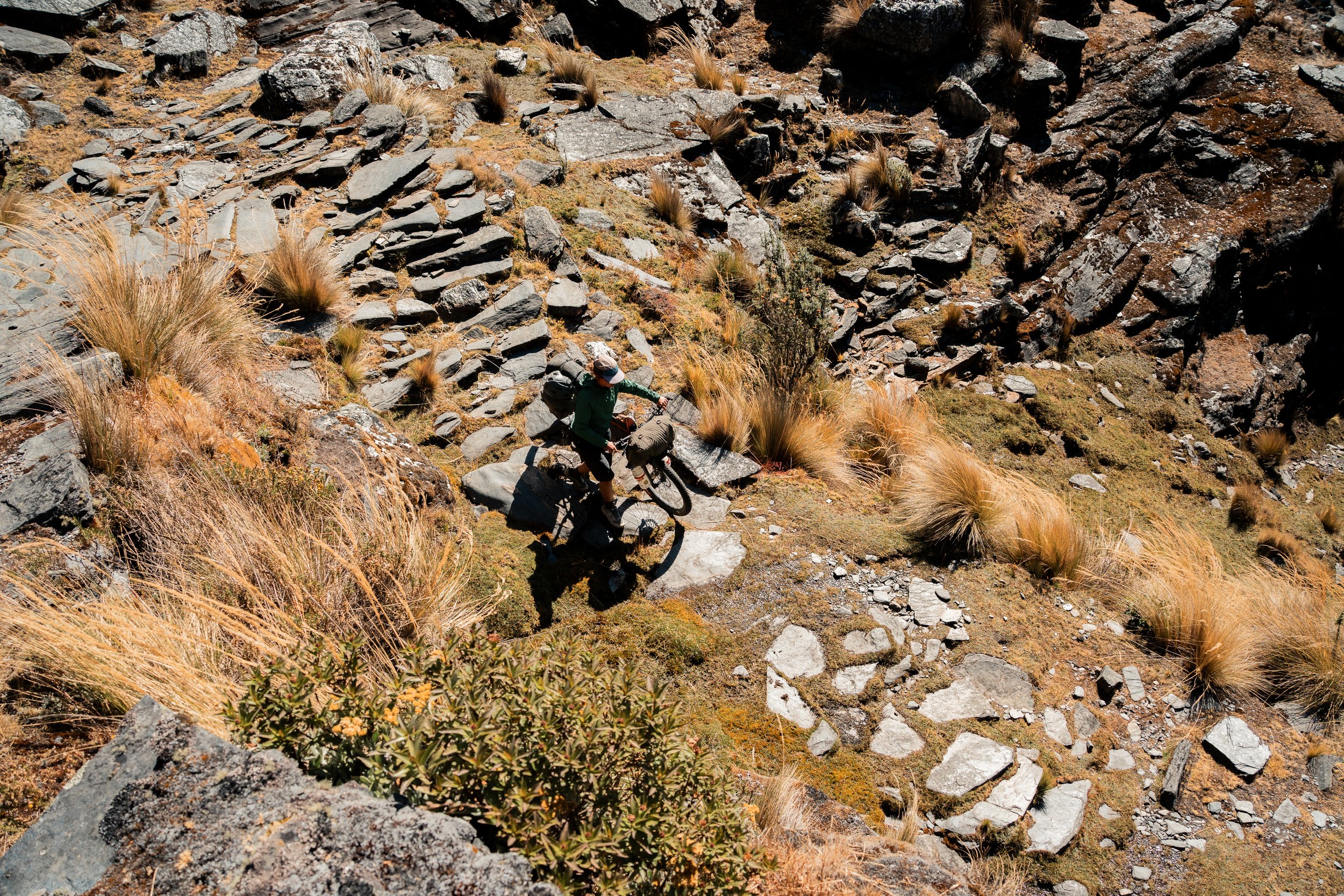
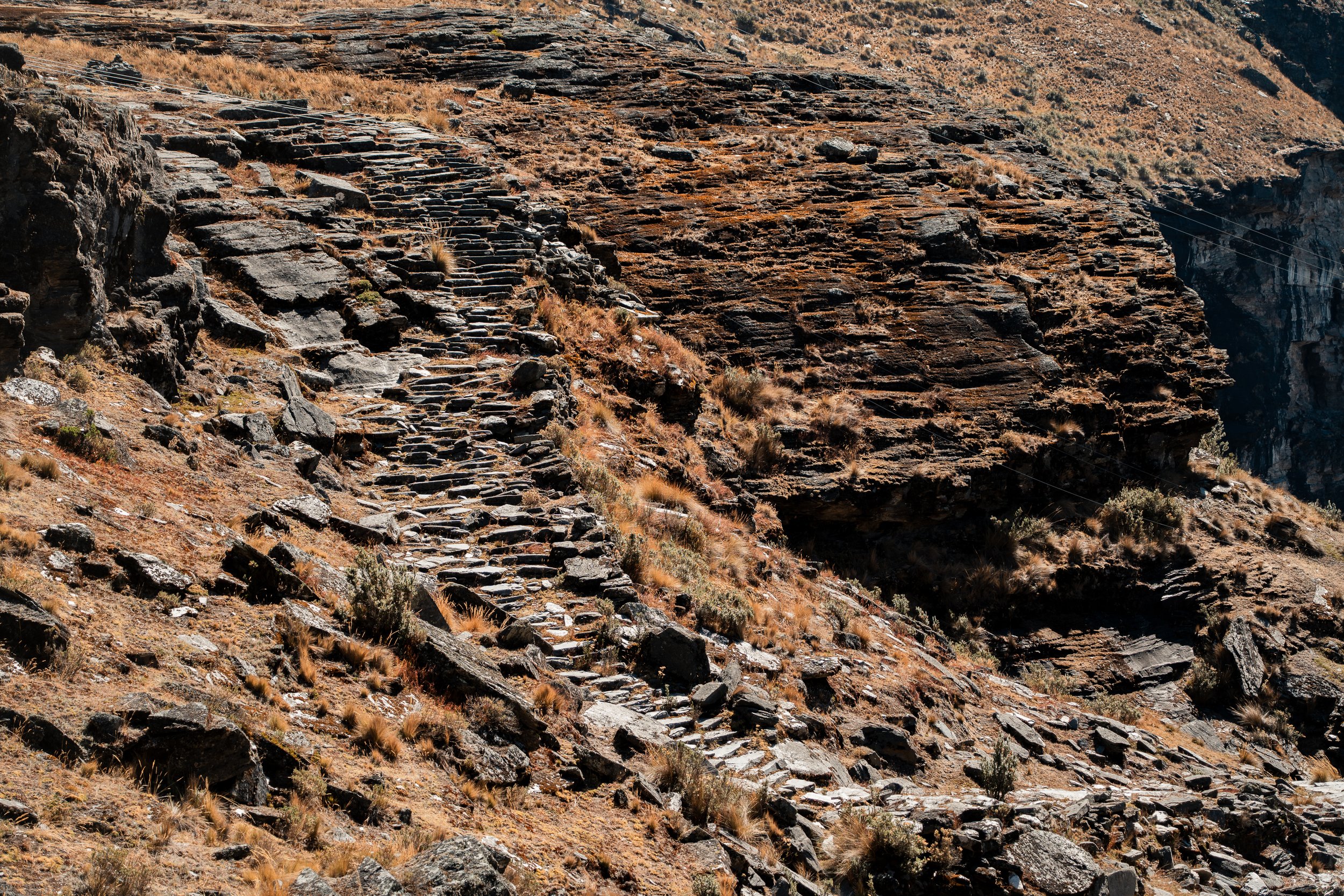
Emerging into quiet valleys, the trail was now adorned with abandoned stone farmsteads and flocks of alpaca (and a very friendly sheep dog). Continuing downwards, we passed one last small mine. At the far edge of this was a series of steep rocky cliffs. Luckily for us, some 500 years previously the Inca had decided to build steps here, which we used to descend. These were not on any tourist radar, Google Maps, and even a google search won’t turn anything up about them. Aside from the massive amount of work required to build the steps out of slate up the 800m or so climb, the most impressive thing were the multiple staircases. In 2-3 different spots, there were 2-3 different sets of staircases ascending, to slightly different parts. Some were wider and shallower, some narrow with deep stairs. Partway down these Inca trails became incredibly overgrown, and we followed a steep, dusty track worn into the hillside on a much more…vertical…trajectory. This eventually turned to ridable double track, before dirt road a few kilometres up from Cuyo Cuyo.
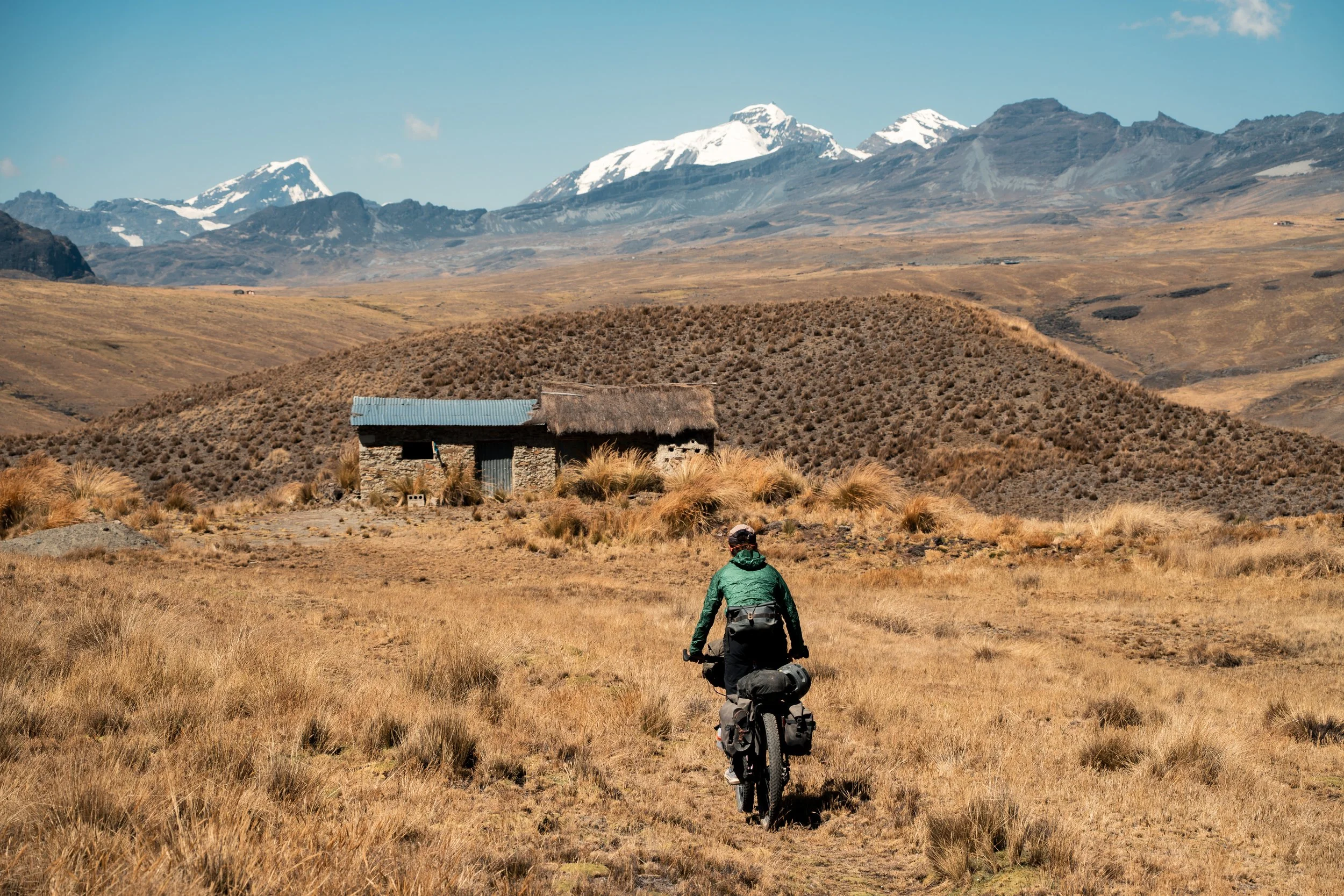
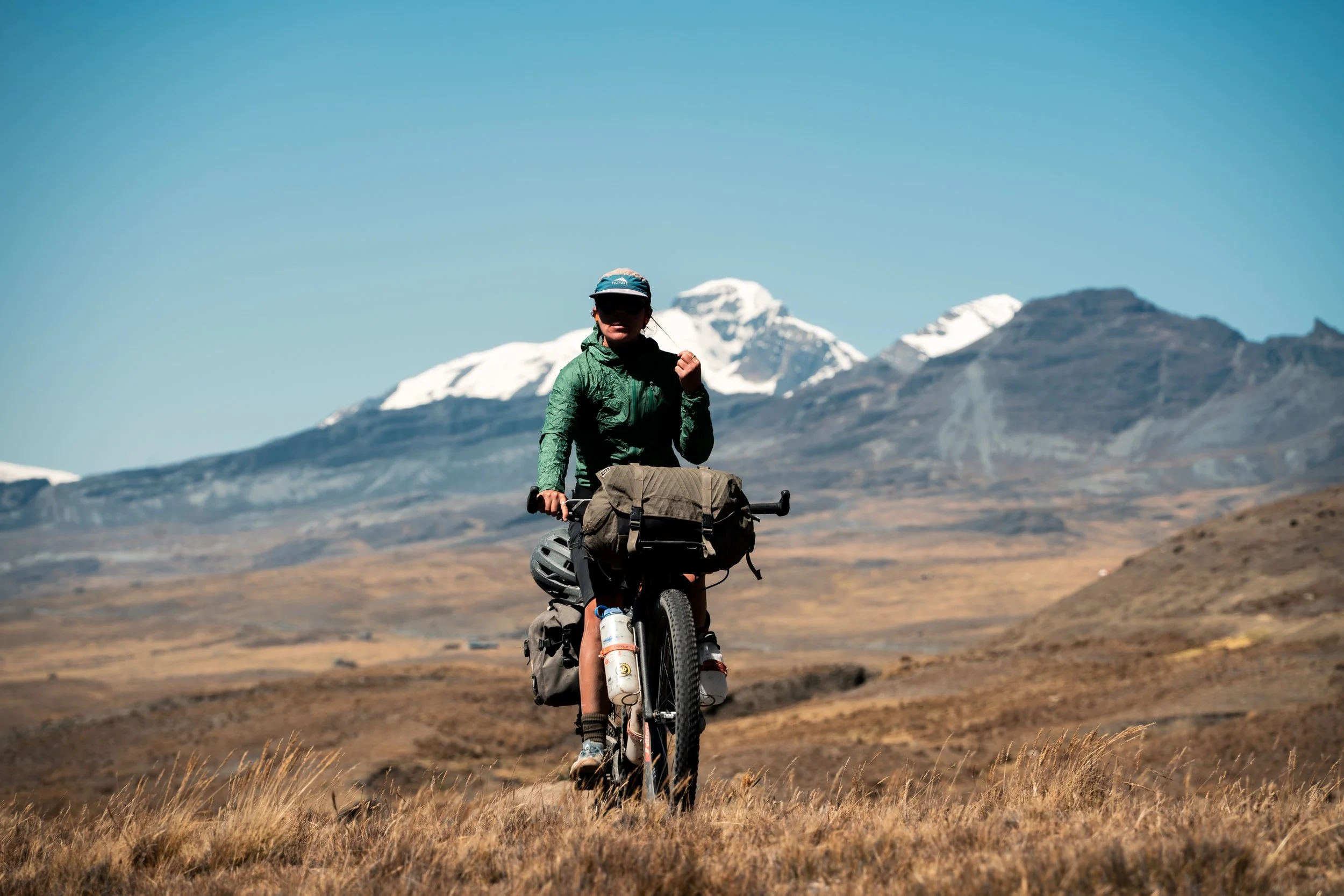
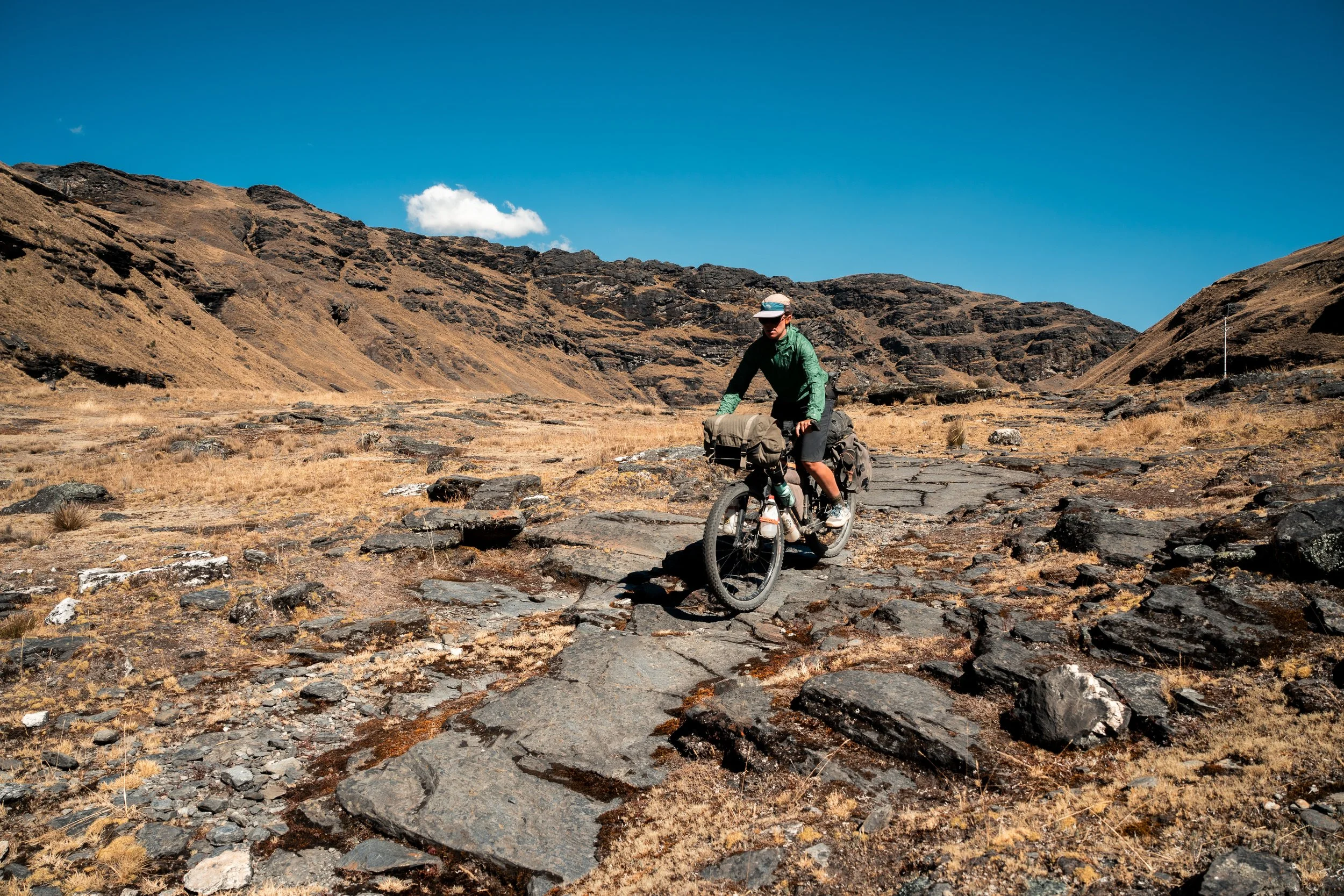
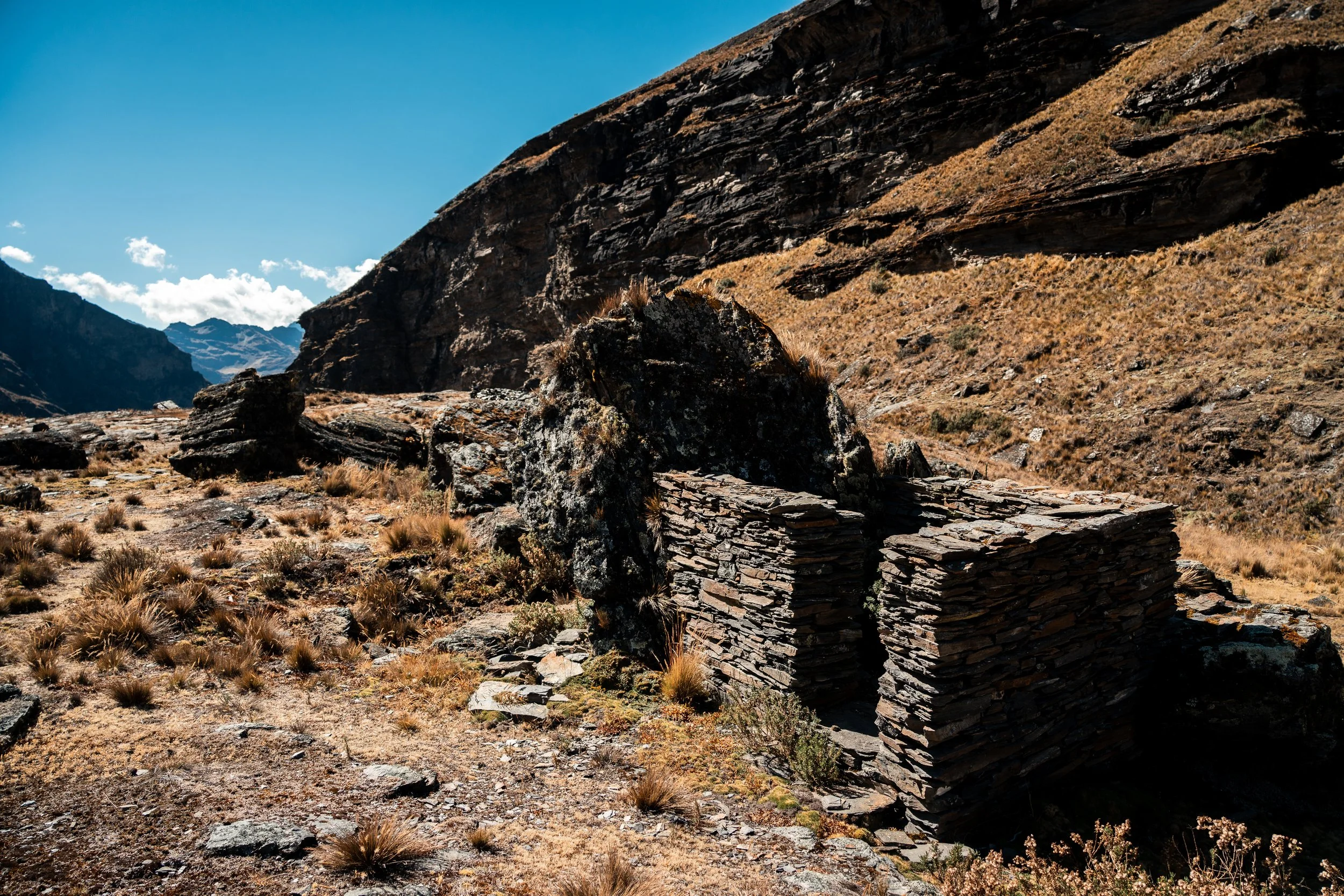
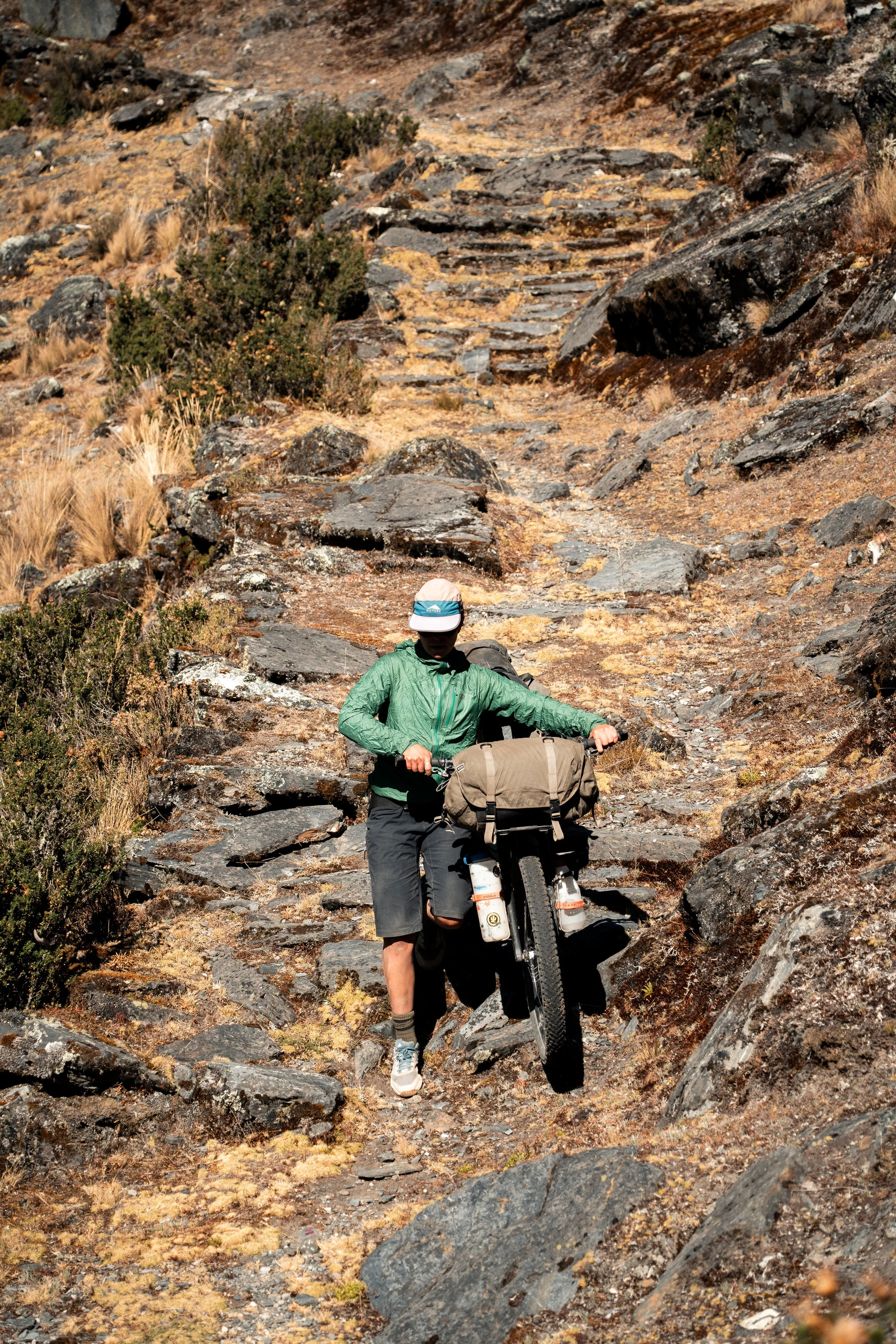
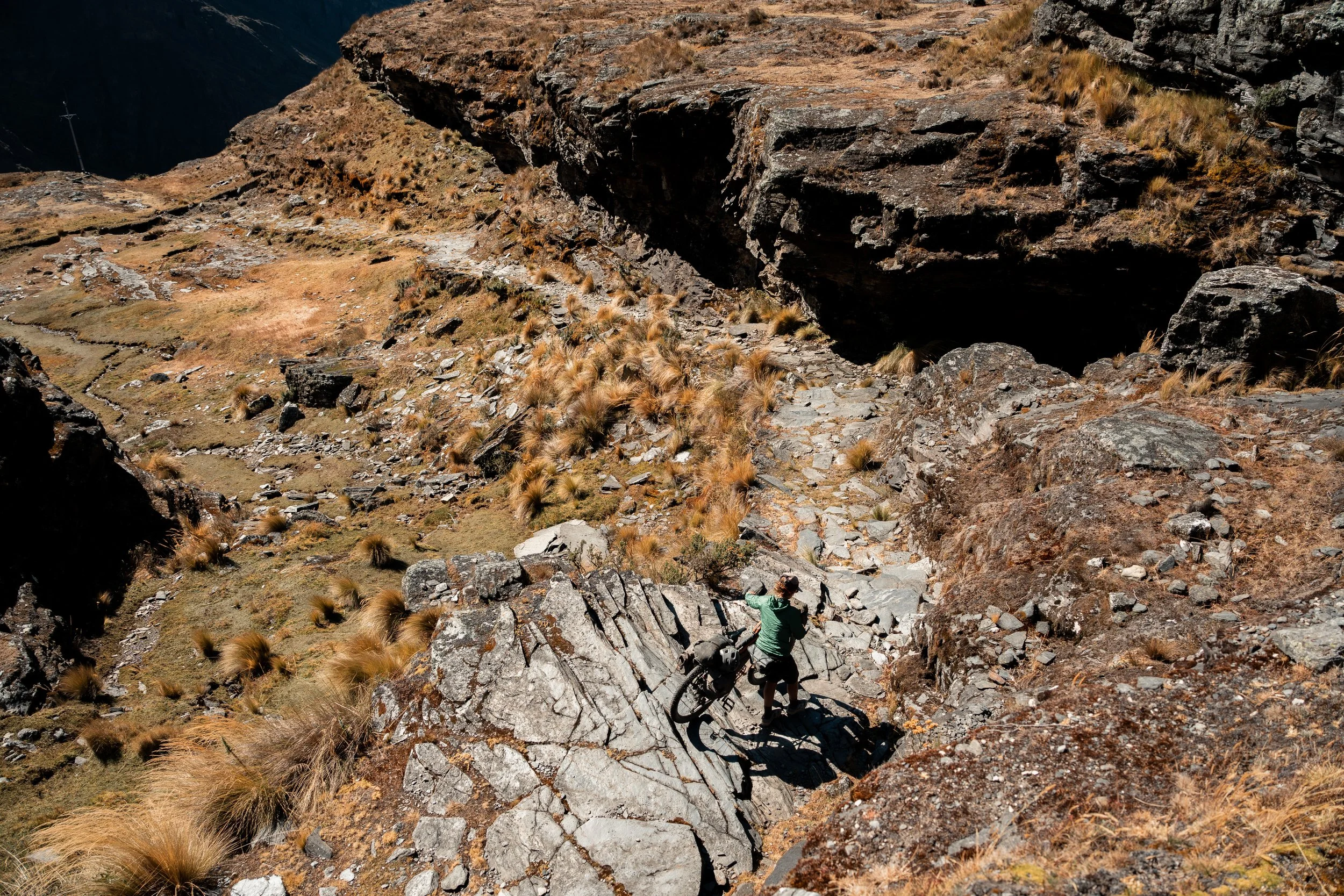
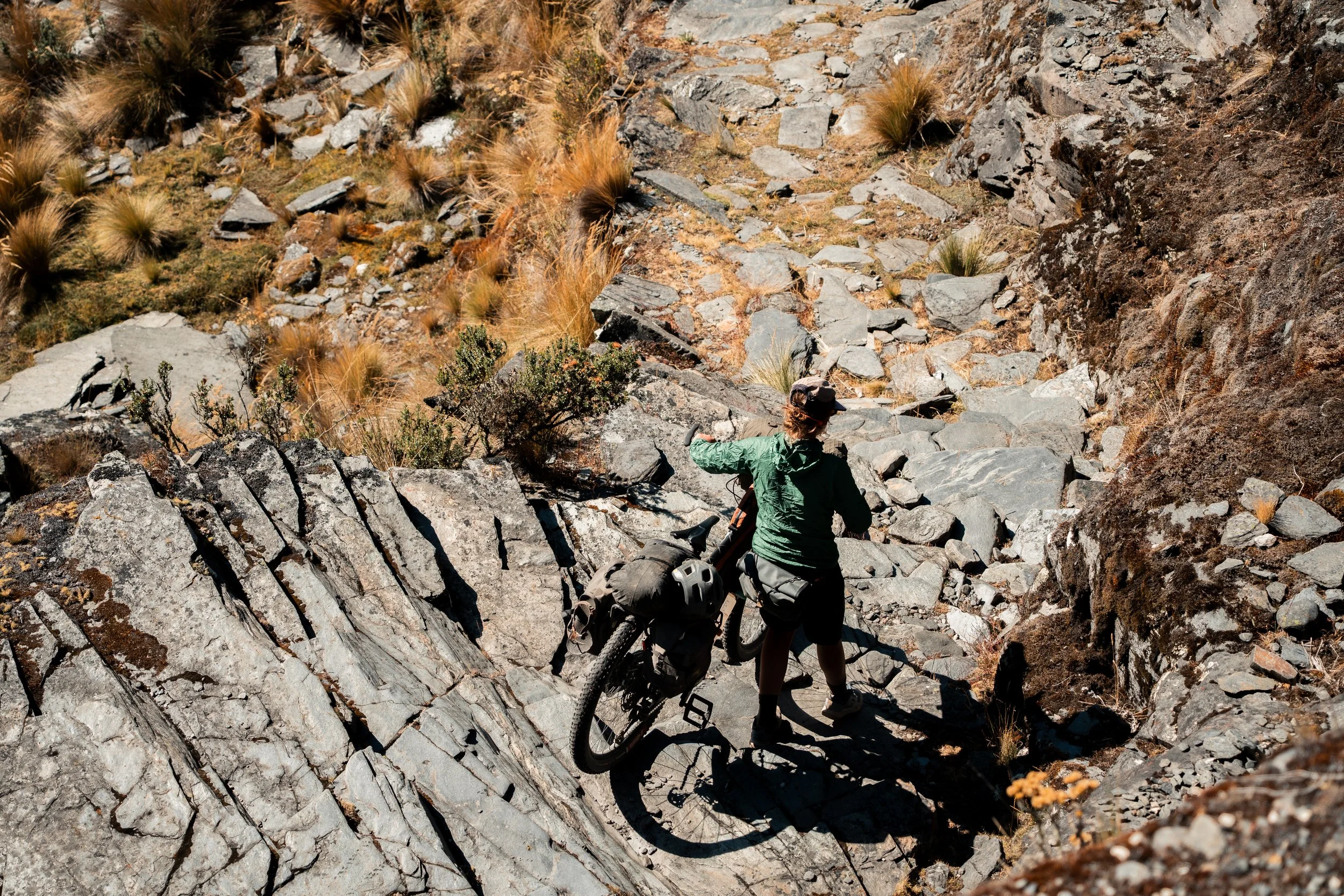
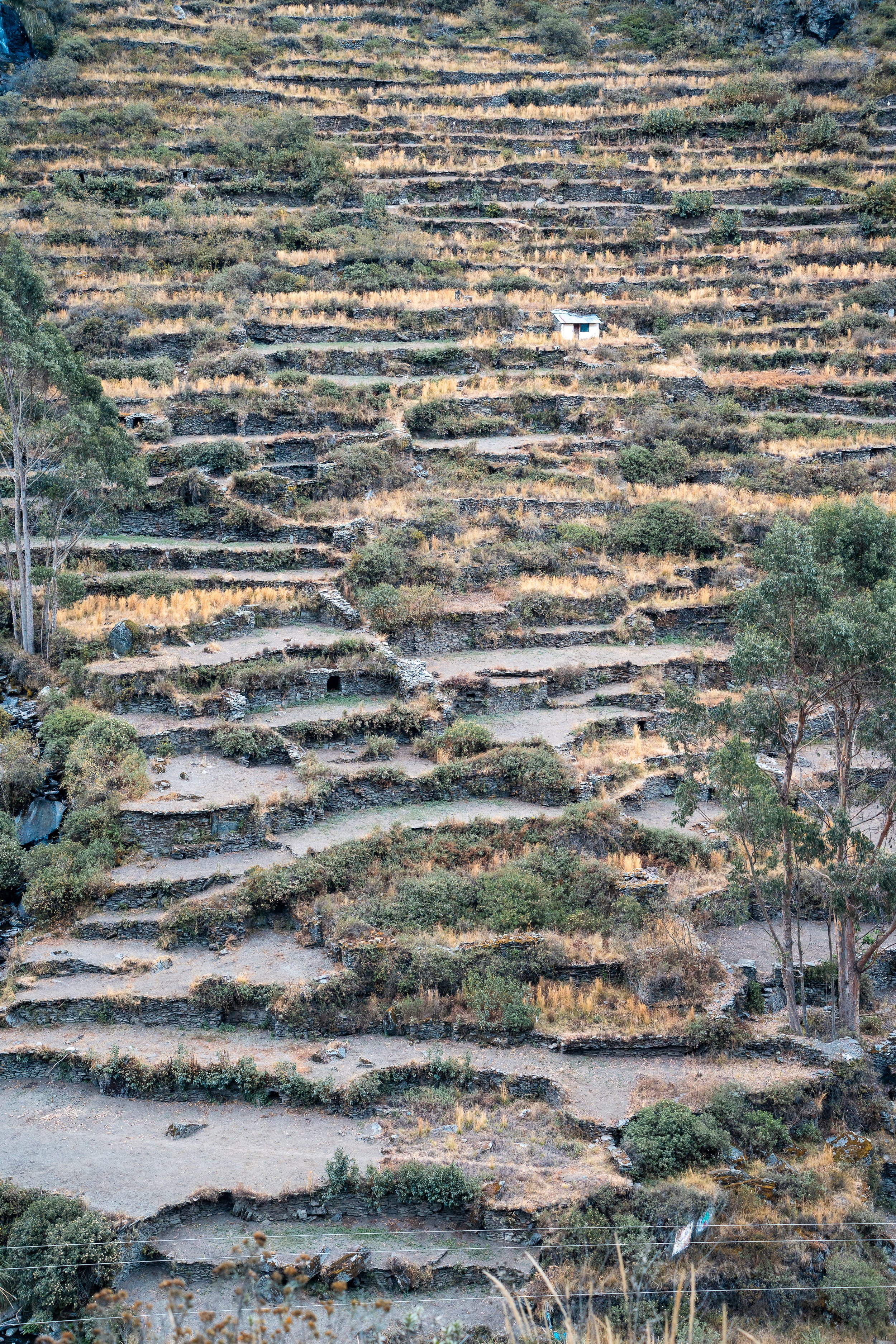
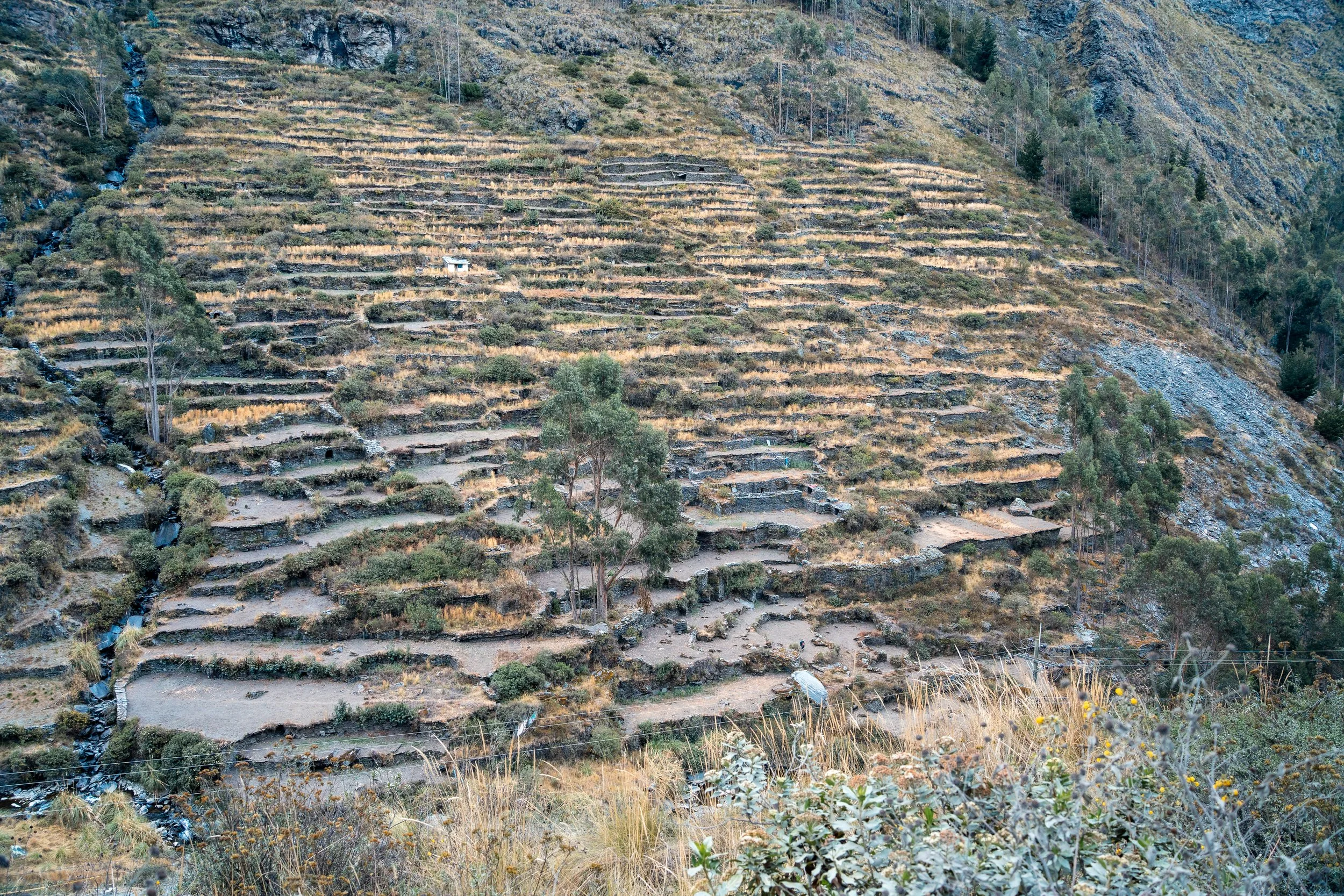
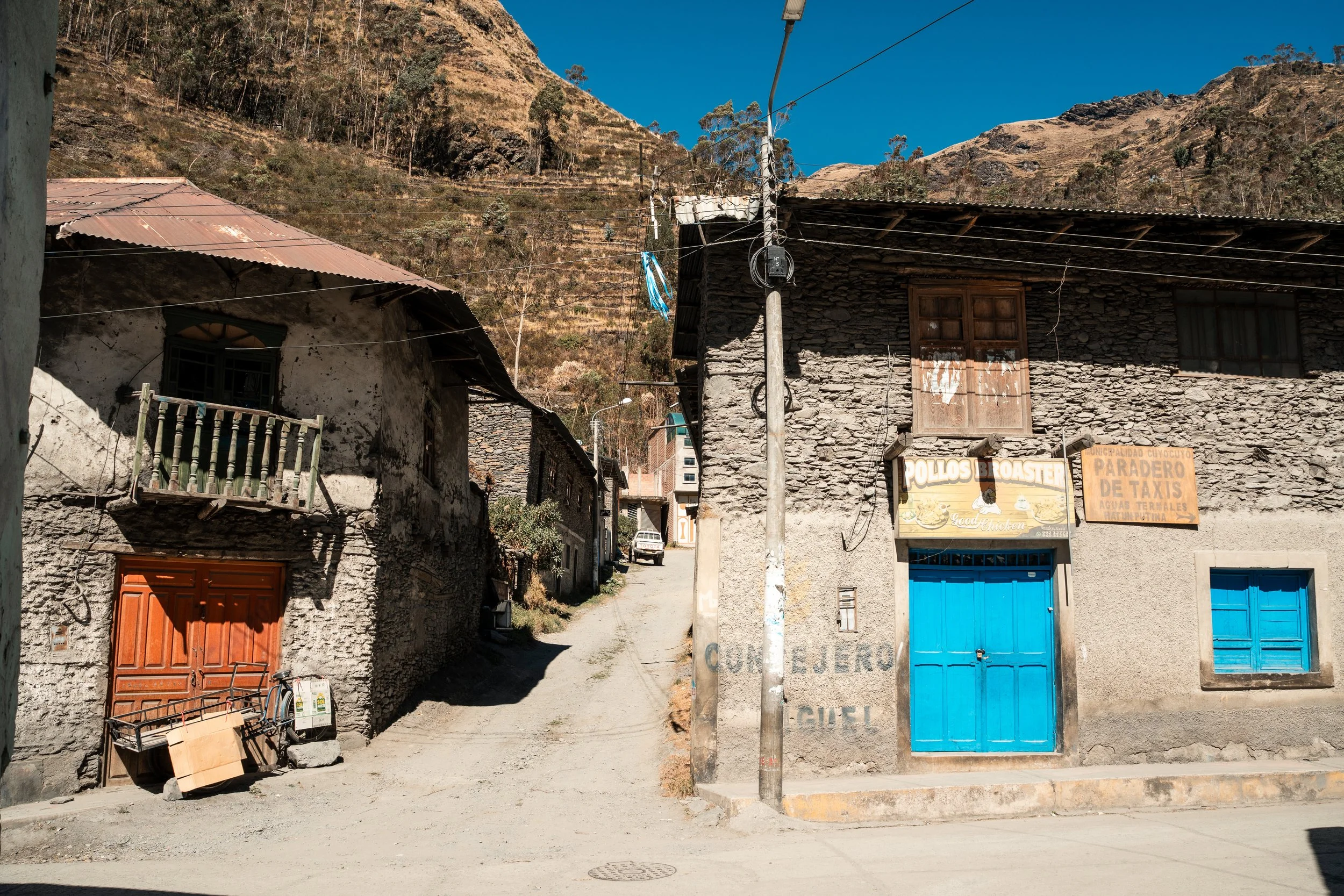
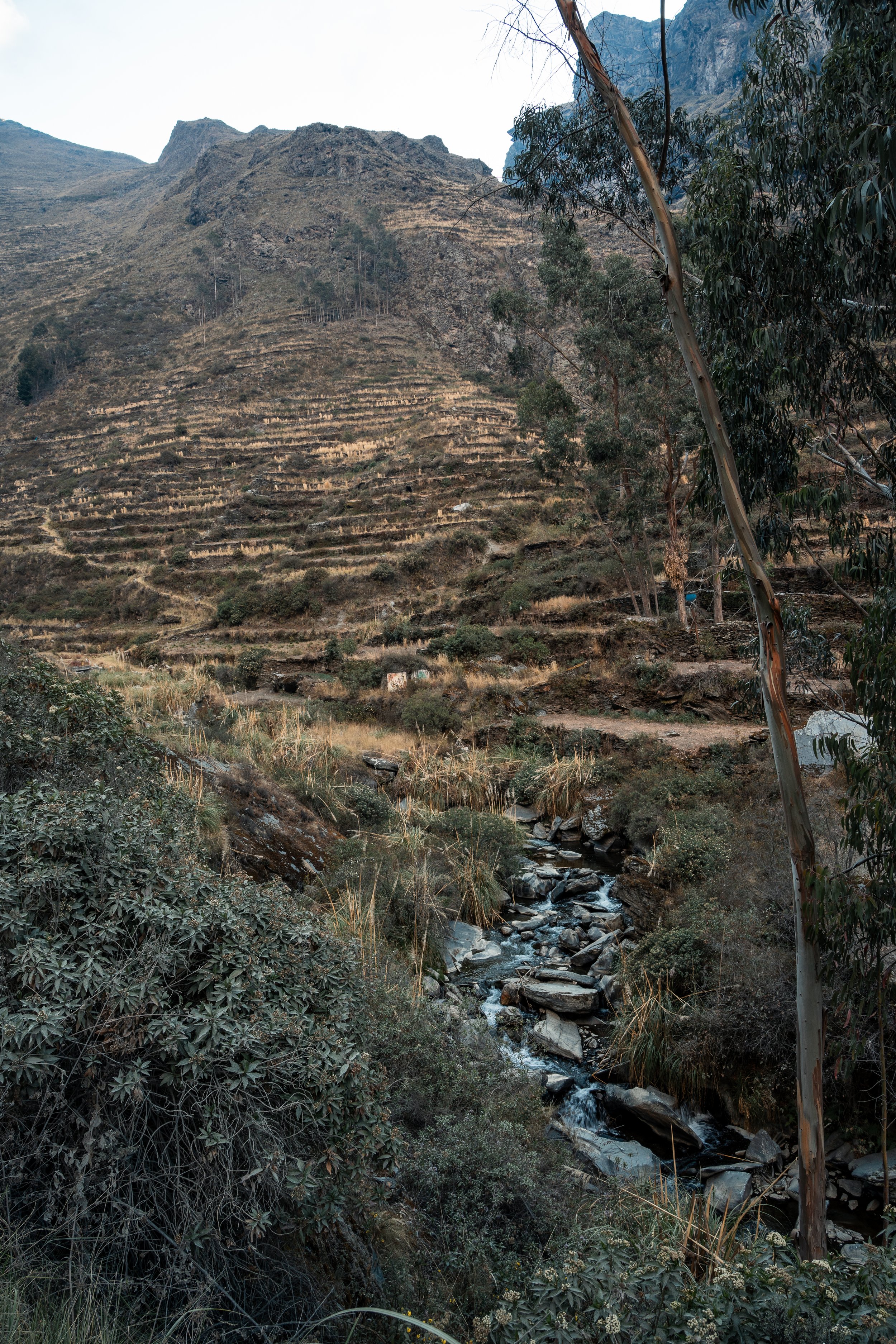
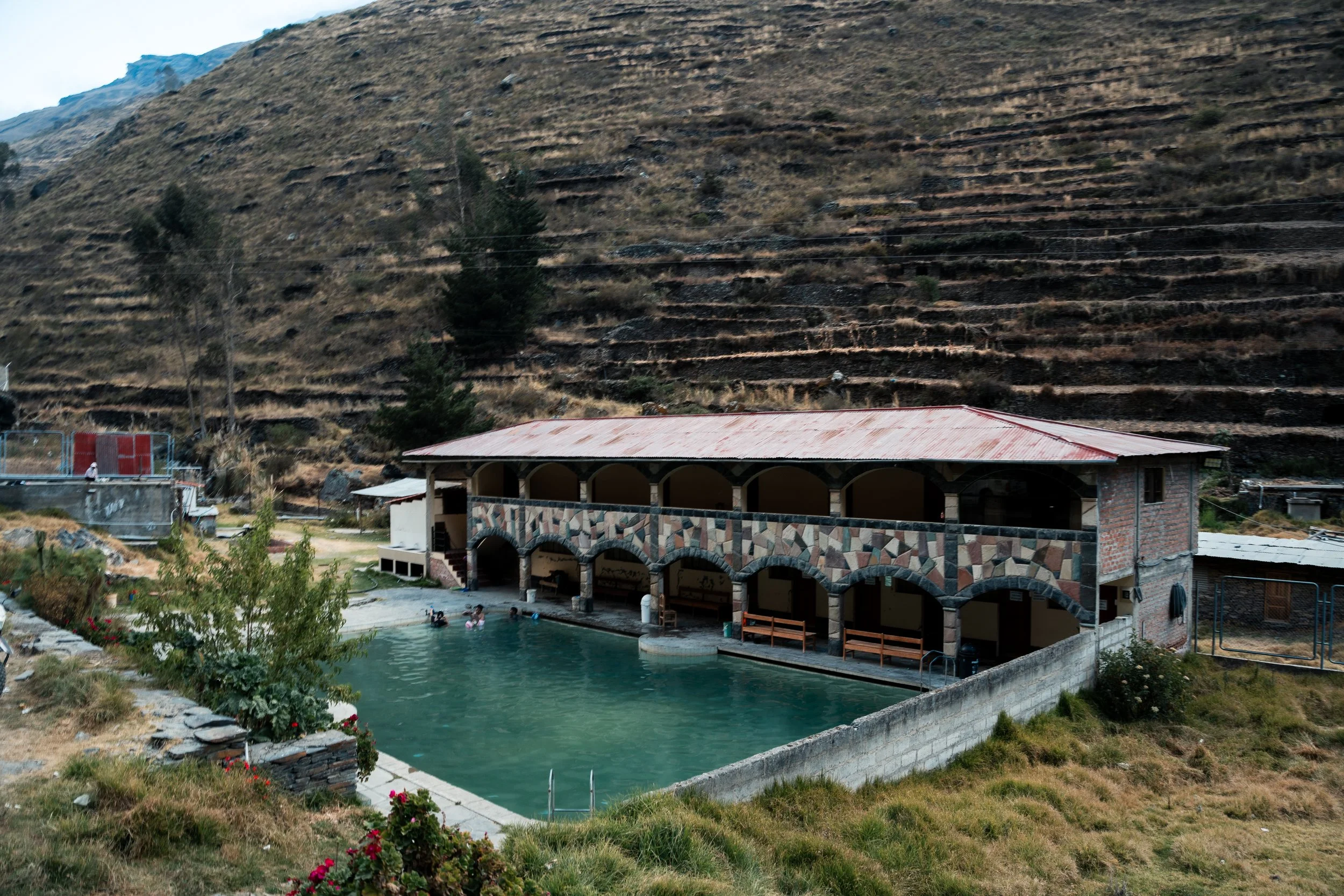
Cuyo Cuyo is known for its hot springs. We stopped for a dip on our way past; the water was a perfect temperature, only costing $1NZD each for entry. Surrounding the pools were Incan terraces. Cuyo Cuyo was recently recognised as a National Cultural Landscape for these, as they are well-preserved and still in use. It is impossible to convey how impressive they are in photos or words - something like 50 terraces per hillside, stretching right to the tops of the mountains. All handbuilt stone retaining walls, about 2m tall each, surviving after 500+ years, and extending for tens of kilometres down the valley. Knowing a rough cost for a small retaining wall in NZ, it is impossible to guess what it would costs to build these. We would regularly encounter these terraces in valleys through Bolivia and Peru, but Cuyo Cuyo were by far the most impressive so far.
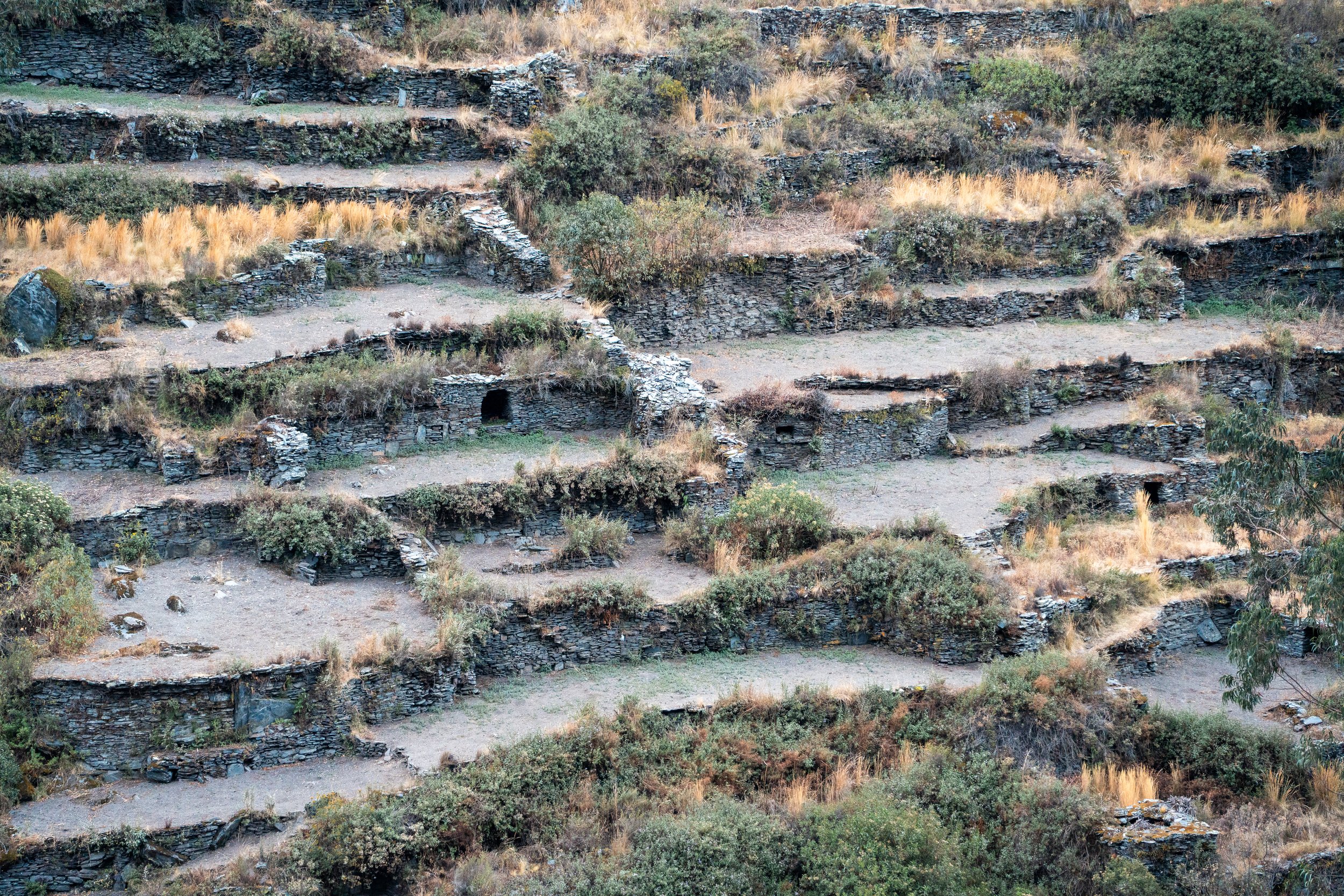
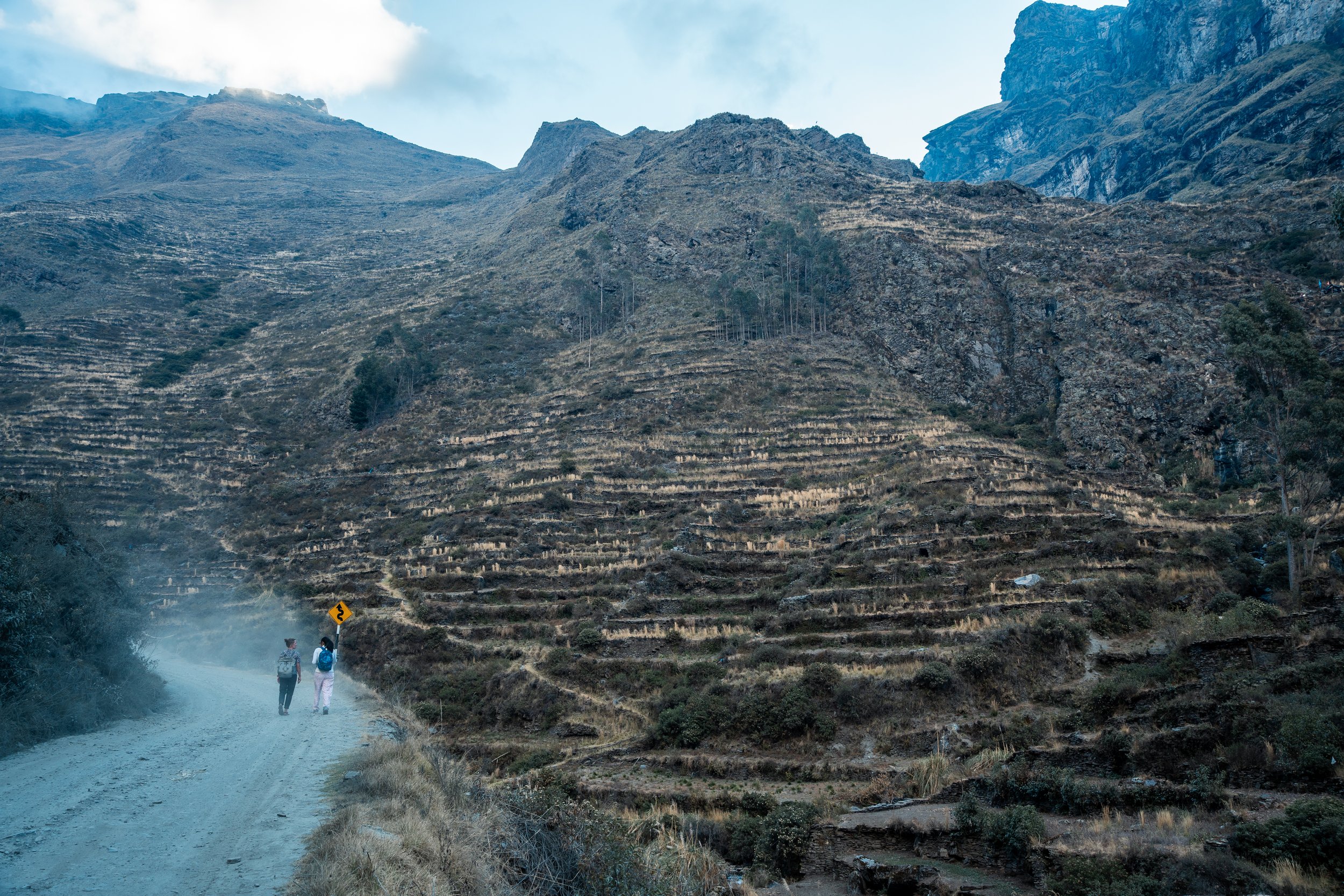
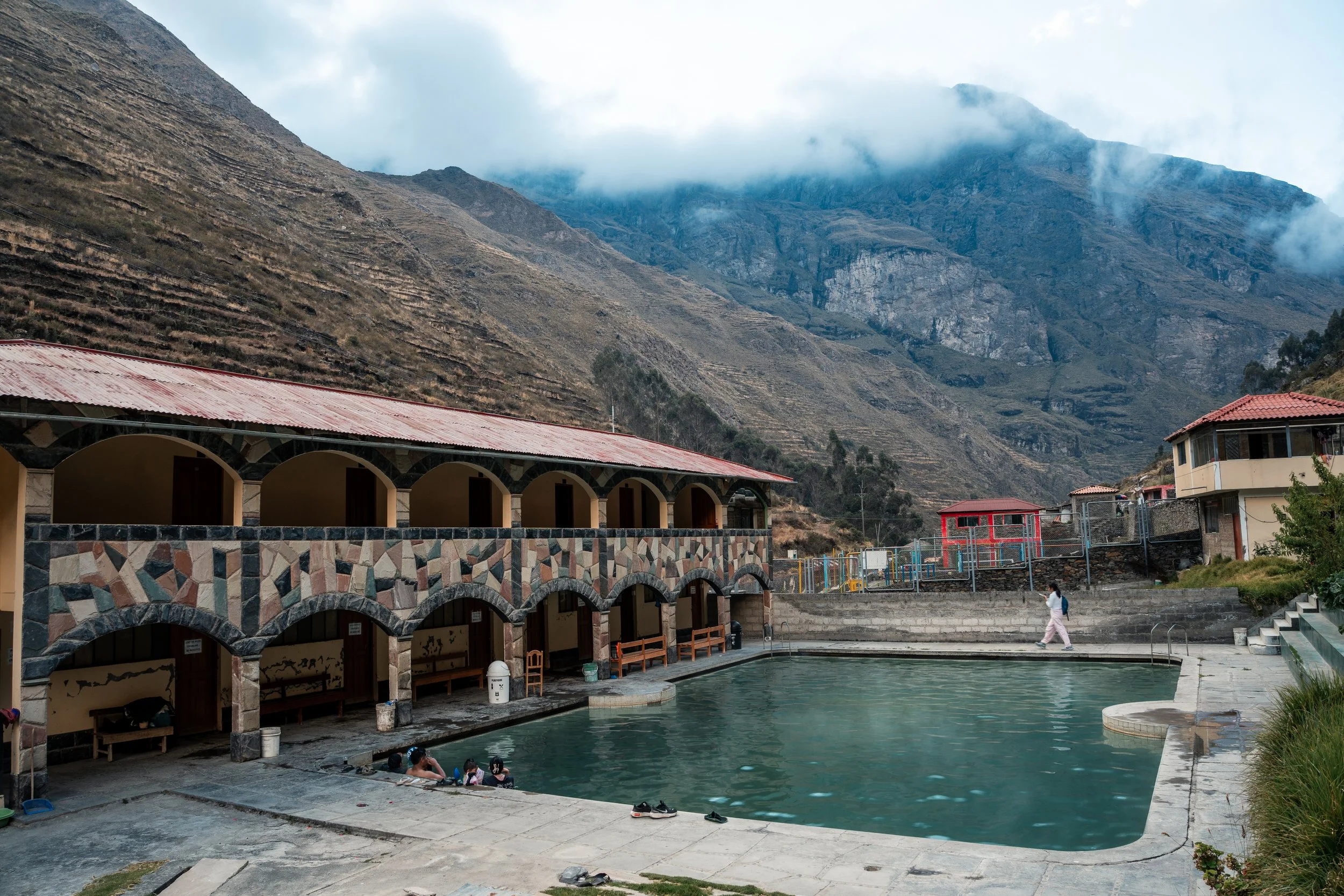
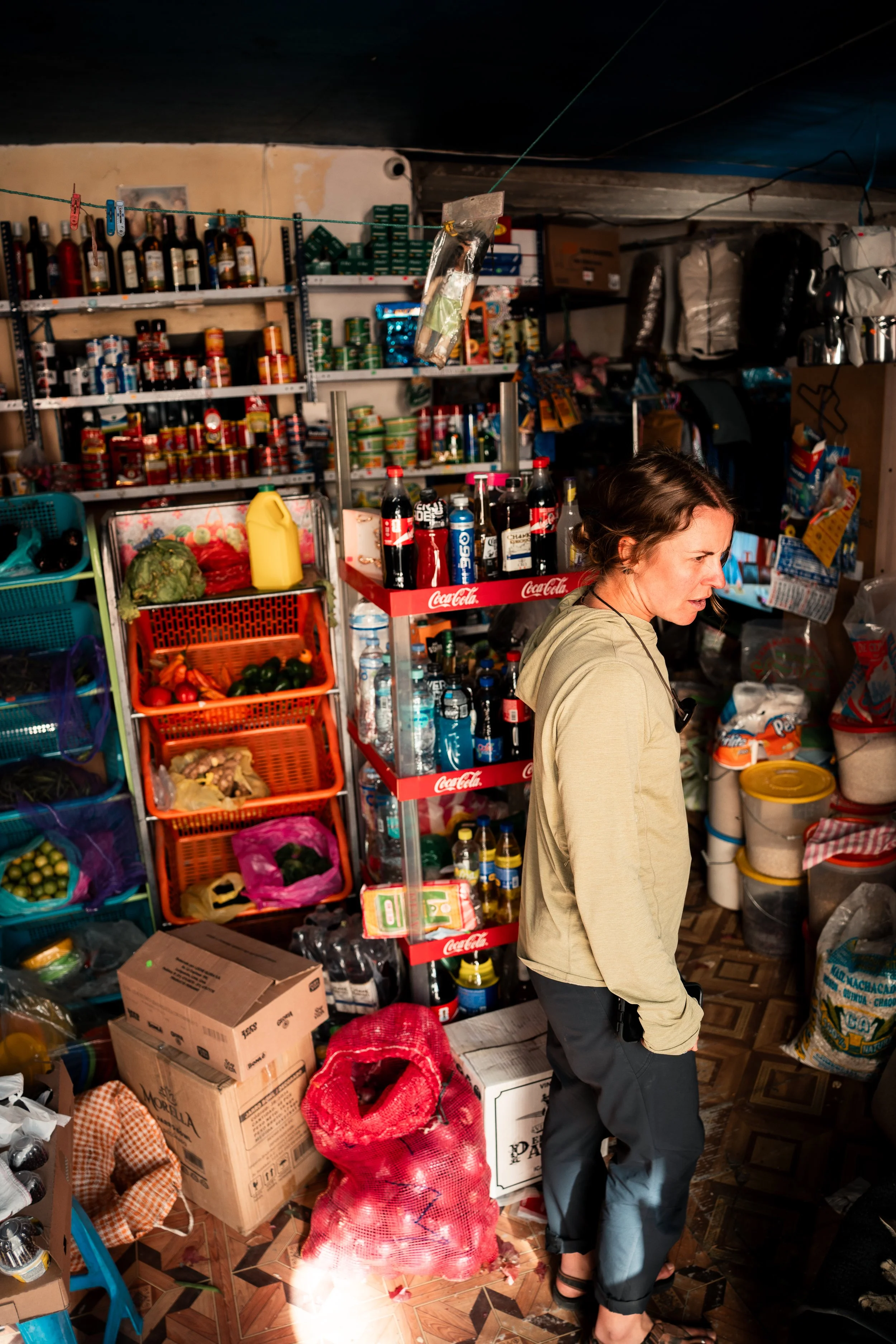
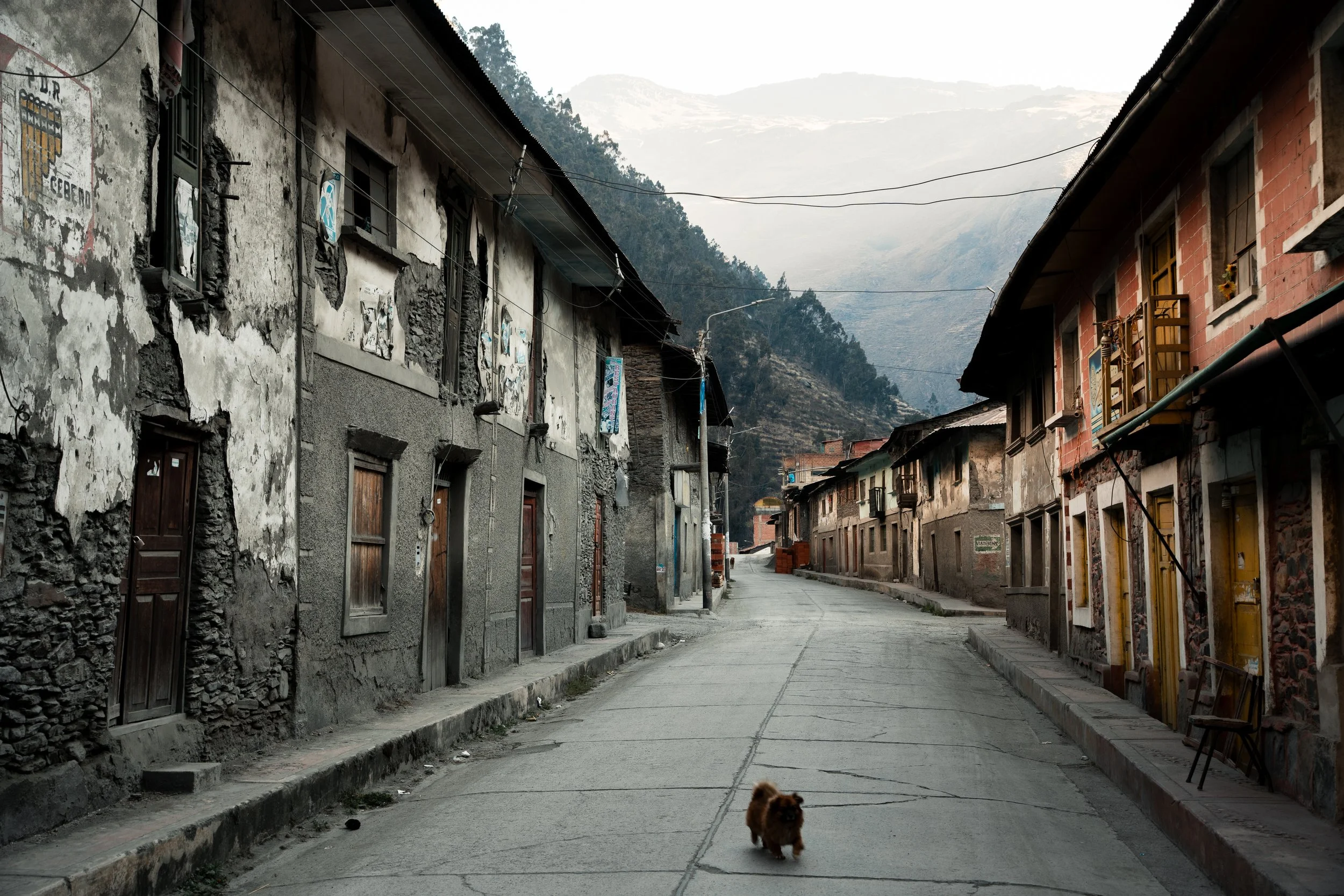
As we rolled into town, a lady (Vincentia) asked if we needed accomodation. We followed her, and found a great room, off the main street. Also staying there it turned out was the local junior doctor (PGY1 RMO in NZ speak), Connie. She was one of the only people we met who could converse in English so far in our trip. She was doing 1 year of rural placement to get points to get onto competitive specialist training schemes. She had run out of IV cannulas some time prior, and was waiting on more to arrive. Other than that, many issues were very familiar, including a difficult to refer to larger hospital down the road, with some Catch-22 rules (they wouldn’t accept ‘possible’ fractures, only confirmed ones, but they had the only x-ray machine). She also told us that the town was actually quite wealthy due to mining activity, and the many tiendas around were fronts for washing money from illegal mining. Many ladies in town were wearing decorative hats, with flowers and yellow chillies in them. This was a sign of wealth apparently, and a full traditional get-up could cost 30,000 soles ($15,000NZD), and take nearly a year to make. Vincentia didn’t wear this except special occasions, as she thought it was a waste of money getting it dirty; apparently she made her money with a chain of ferreterias (home supply stores) in Cuyo Cuyo and multiple other towns/cities.
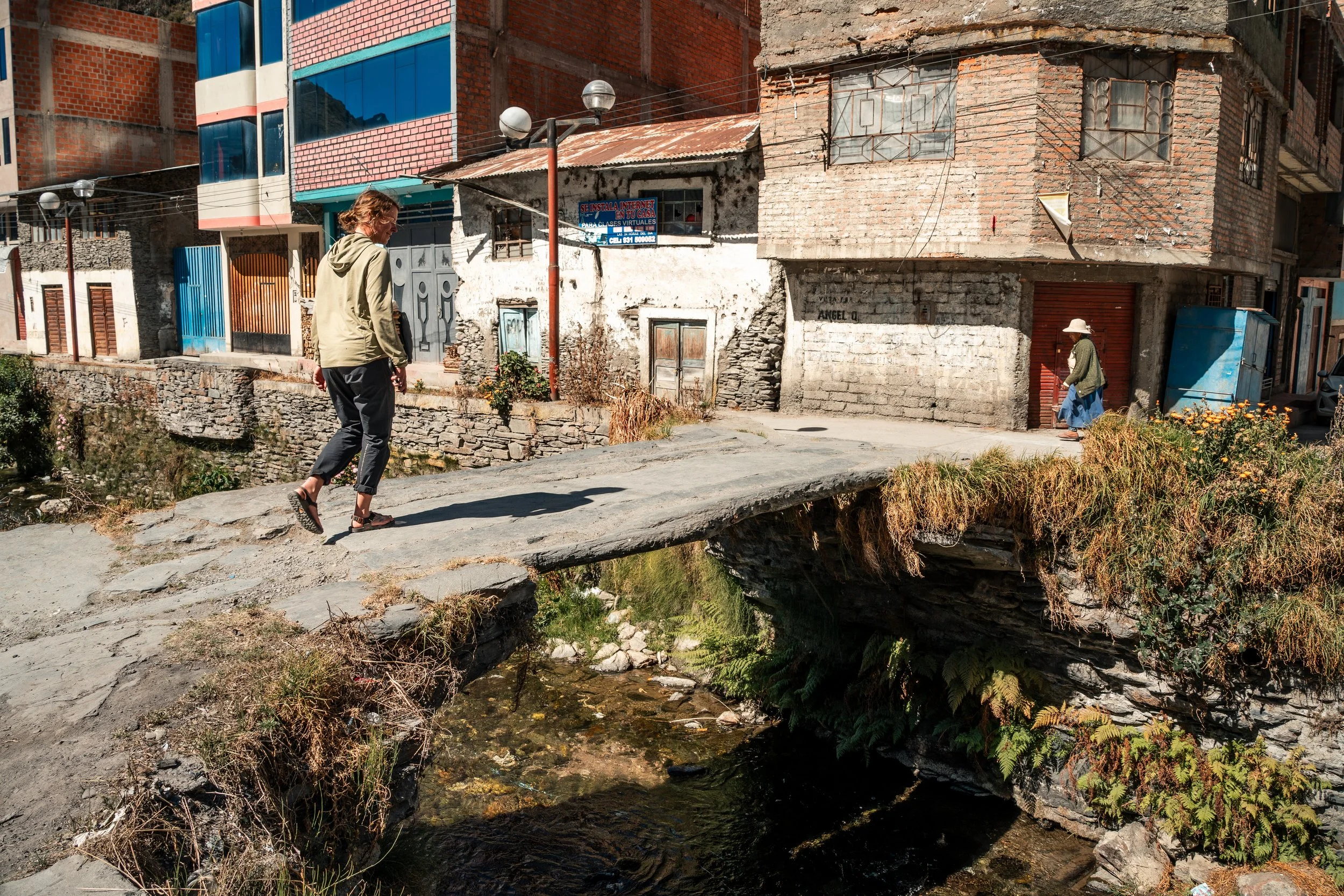
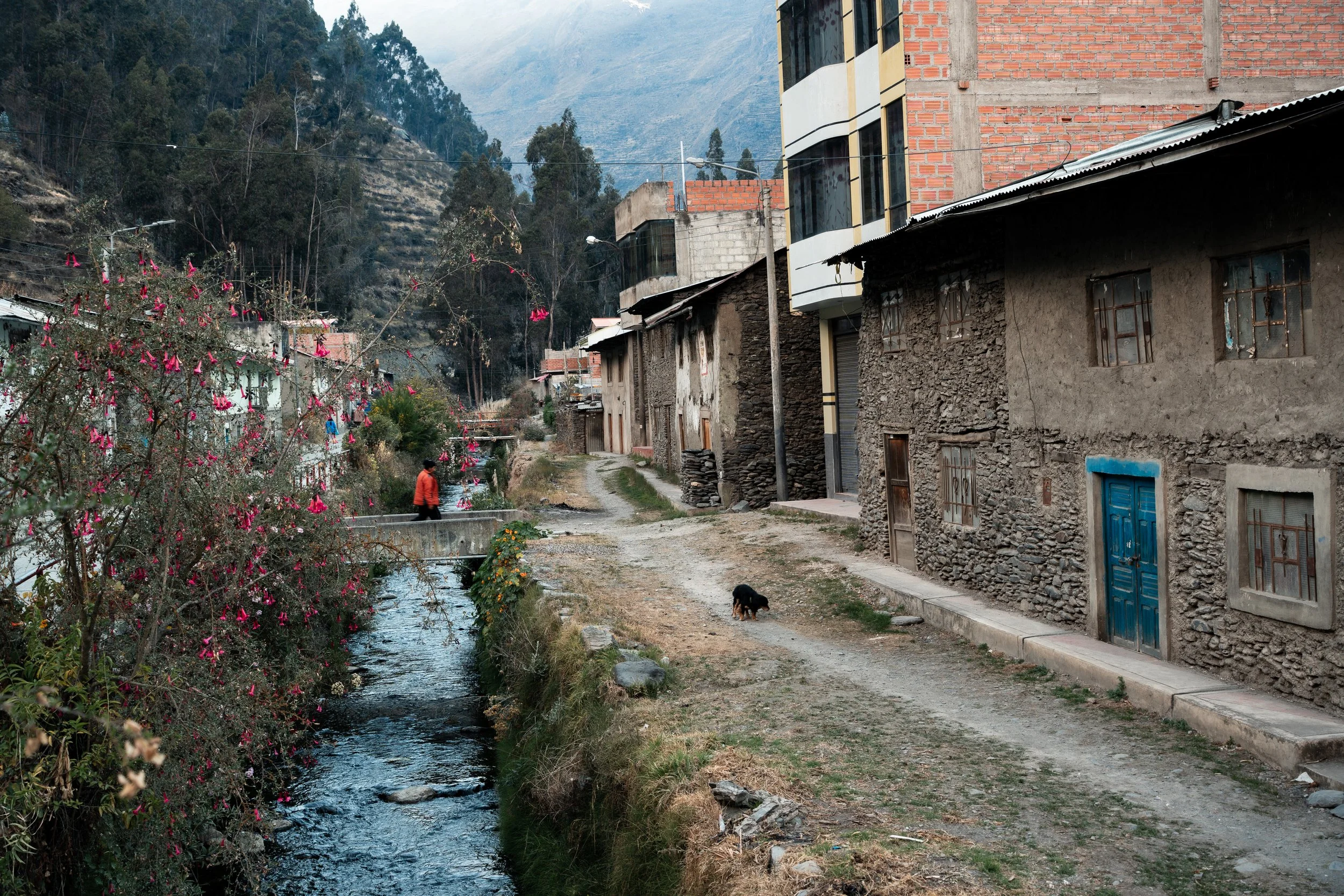
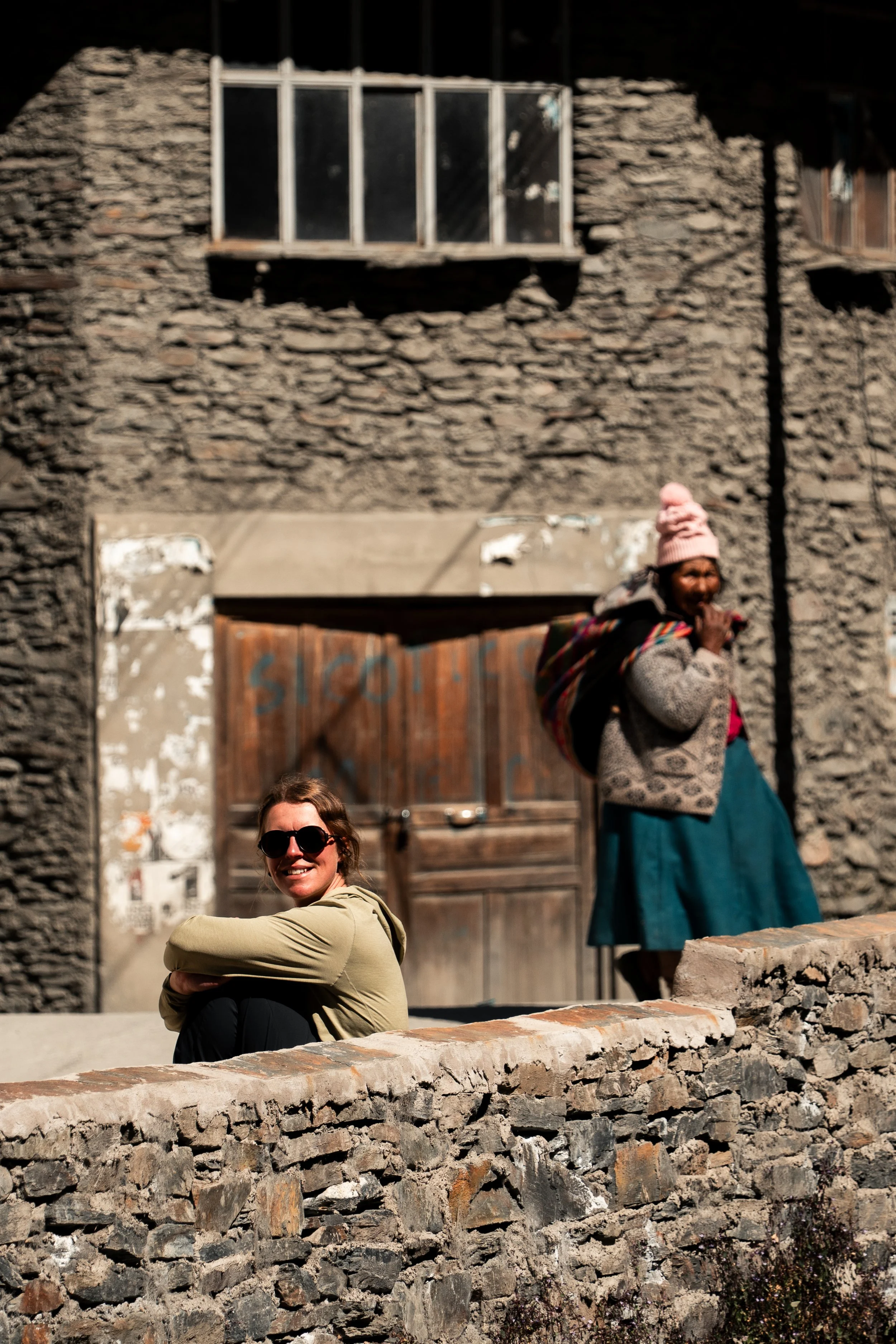
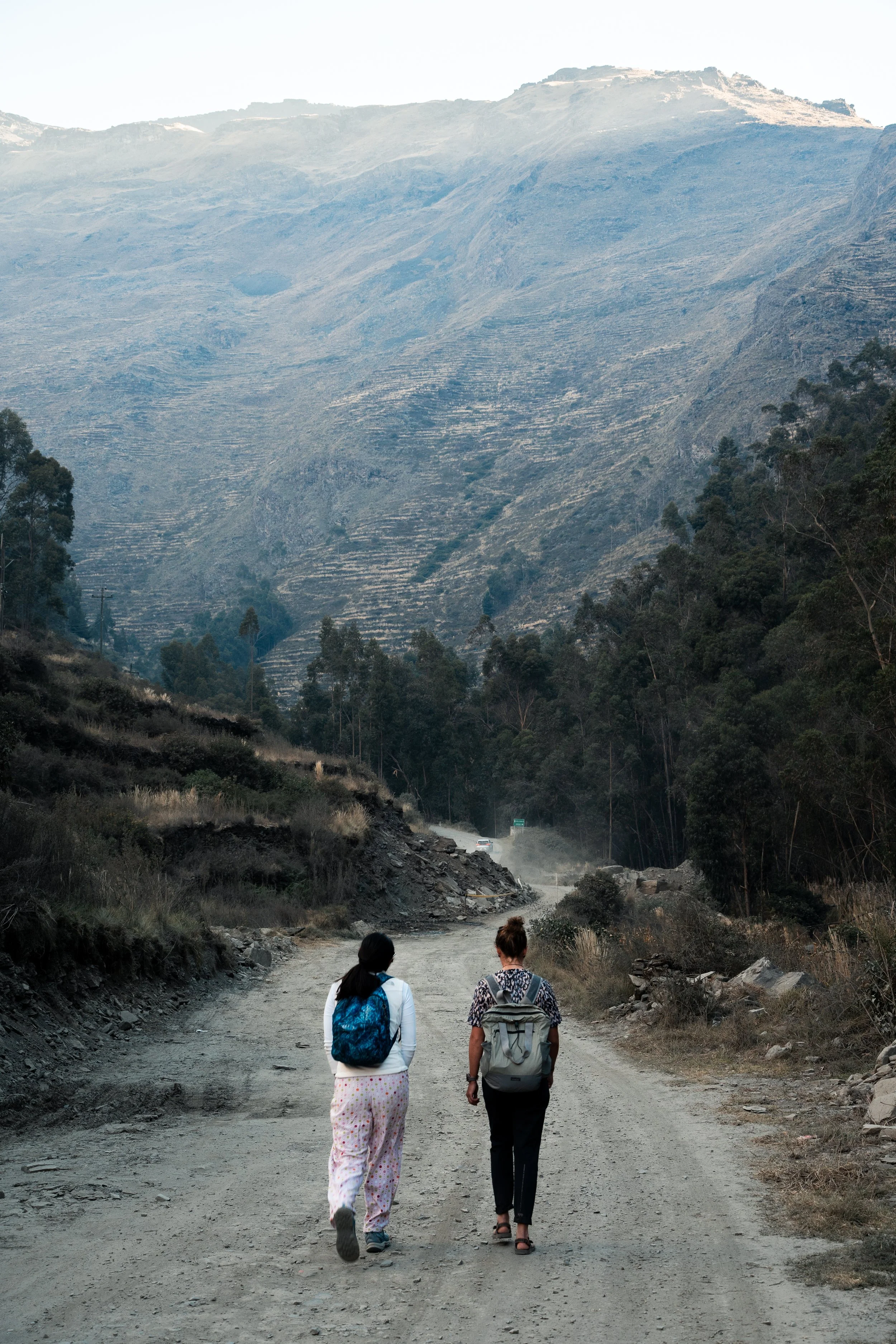
Definitely off the tourist trail, both Connie and Vincentia reported we were only the third set of Gringos they had seen in town in the past 9-12 months. We spent 2 nights in Cuyo Cuyo as my cough got worse, trying to get some time to recover. We were able to walk back up to the hot pools in this time, admiring the terraces and a newly built walkway which avoided the dusty road, a piece of infrastructure which seemed very out of place in such a small town.